US Inflation Surges 3.8% as Iran War Drives Energy Prices Higher/ Newslooks/ WASHINGTON/ J. Mansour/ Morning Edition/ U.S. consumer prices rose sharply in April as the ongoing Iran war fueled major increases in gasoline and energy costs. Inflation is now erasing wage gains for many Americans, putting increased financial pressure on households. Economists warn the Federal Reserve may delay interest-rate cuts as energy-driven inflation continues spreading through the economy.
US Inflation and Gas Prices Quick Looks
- Consumer prices increased 3.8% compared with last year
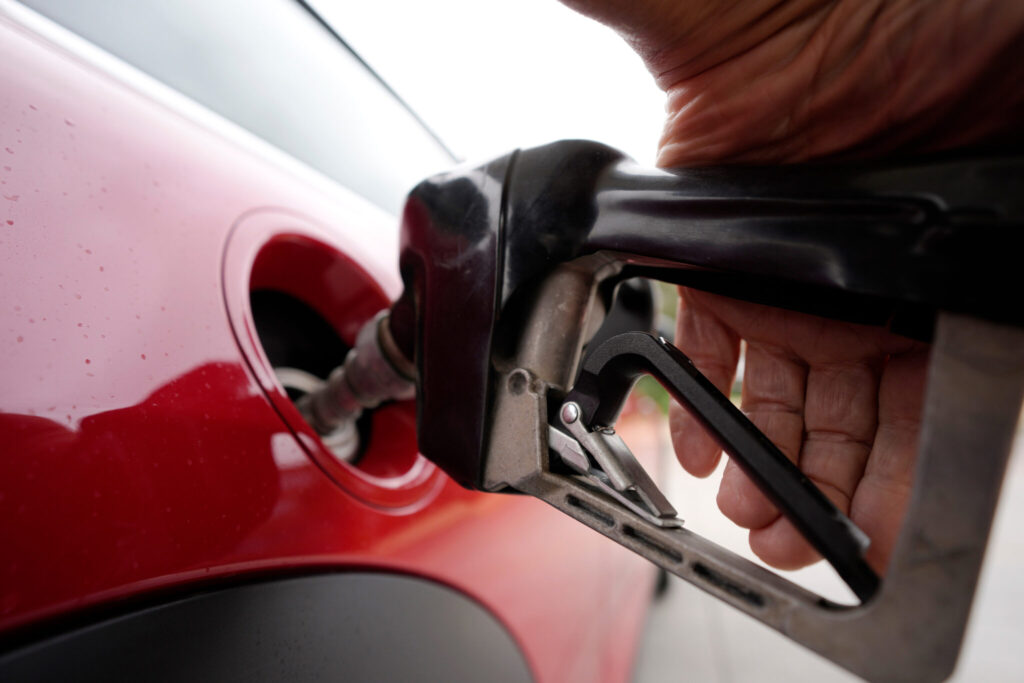
- Gasoline prices jumped 5.4% from March to April
- Average U.S. gas prices climbed above $4.50 per gallon
- Inflation-adjusted wages declined for the first time in three years
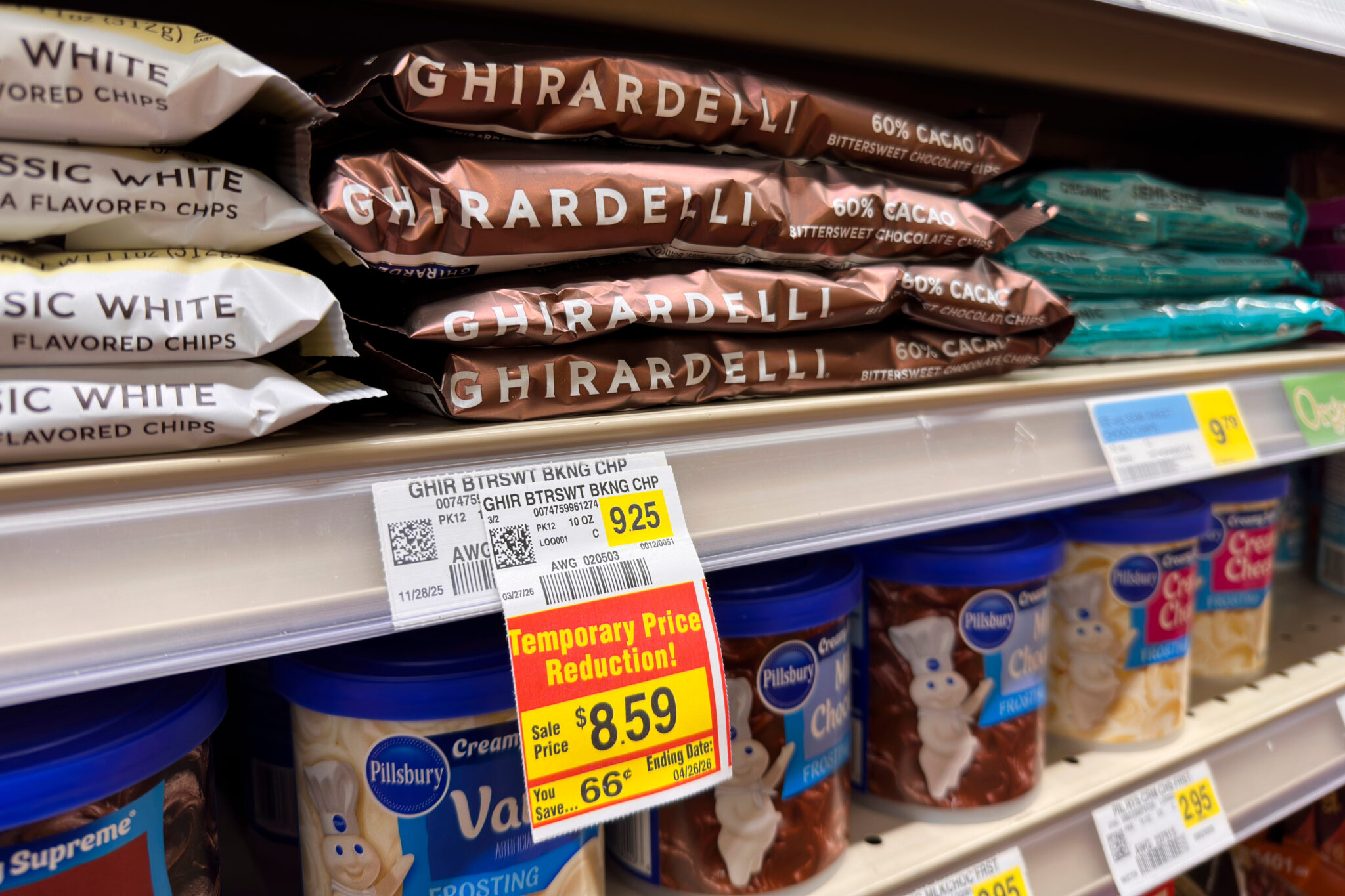
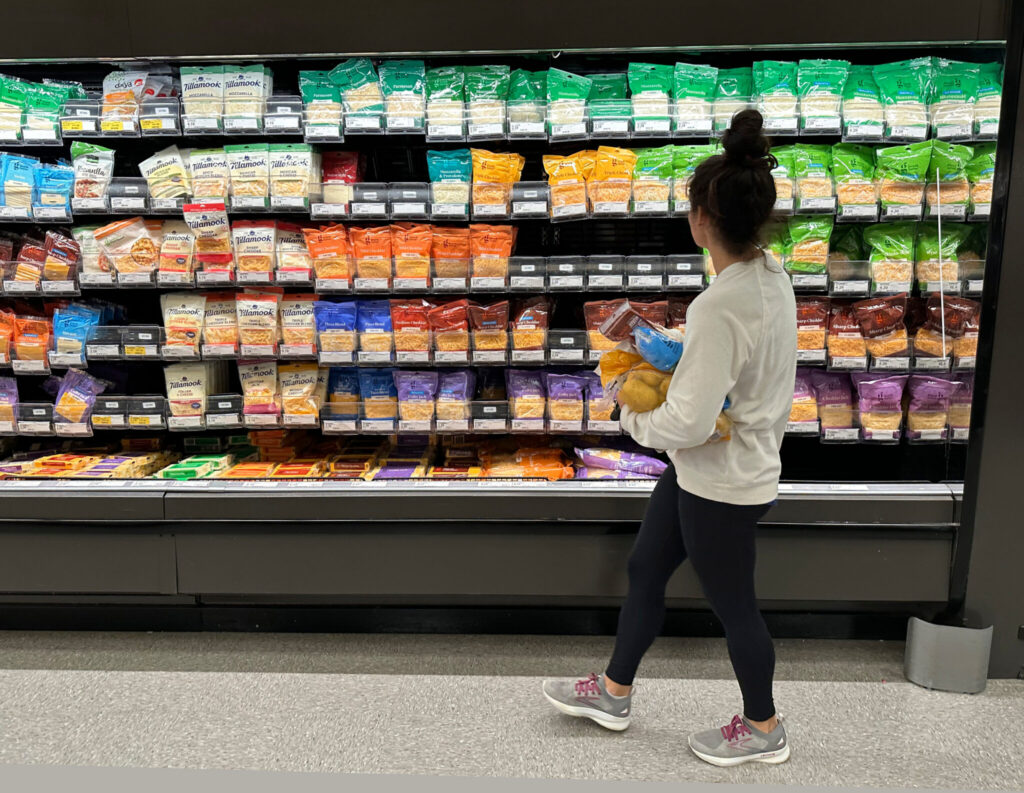
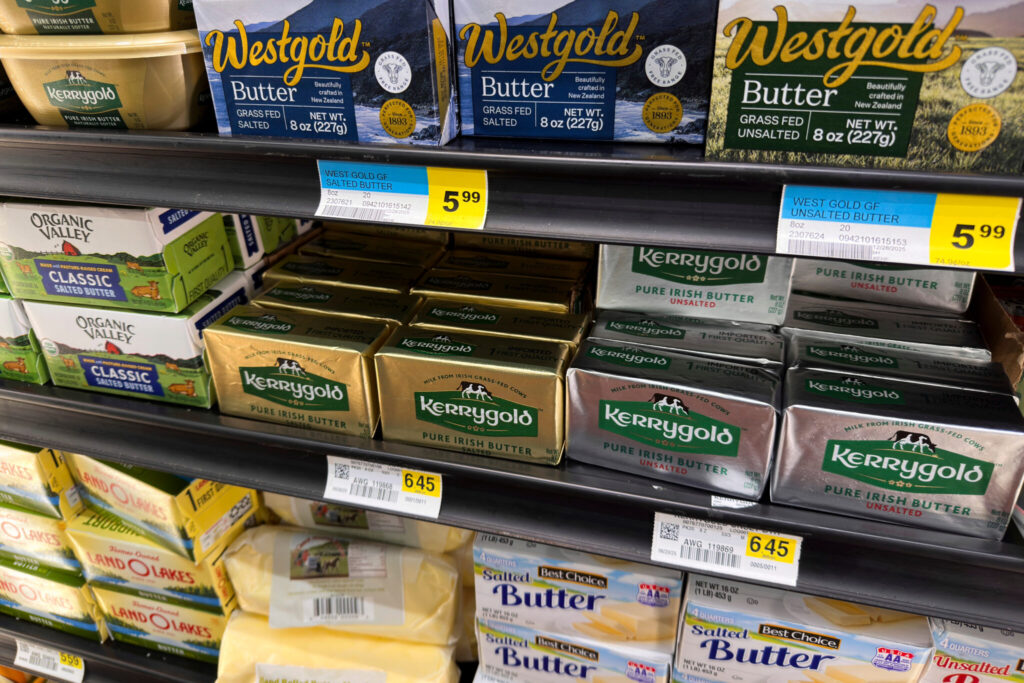
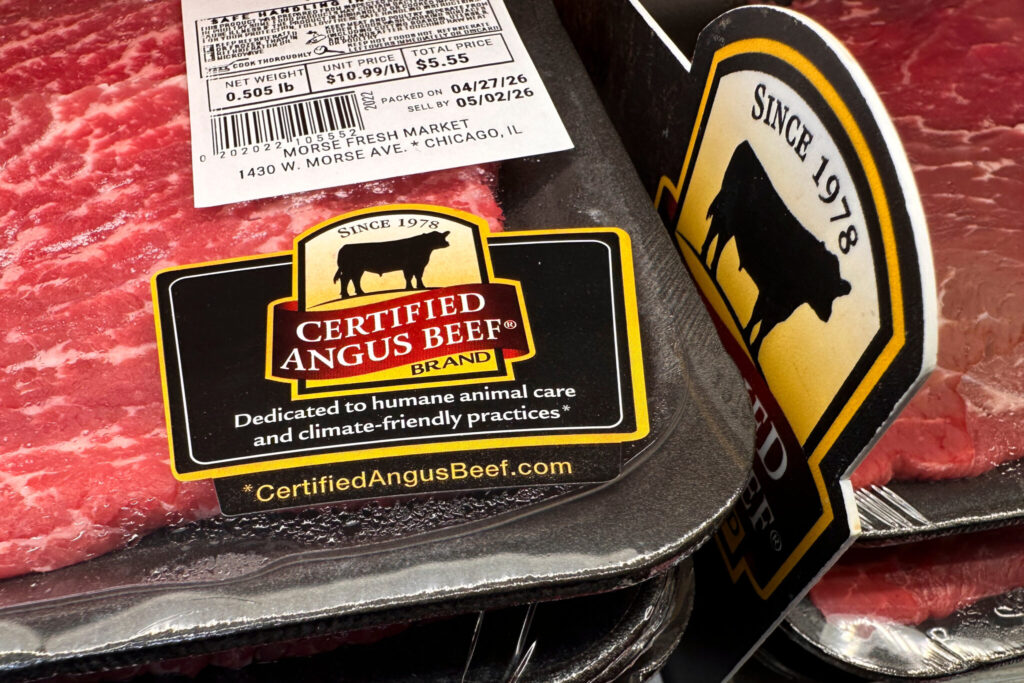
- Grocery prices also rose due to higher meat costs
- The Iran war disrupted oil flows through the Strait of Hormuz
- The Federal Reserve remains cautious about cutting rates
- Americans report cutting back on discretionary spending
Deep Look
Inflation Accelerates as Energy Prices Surge
U.S. inflation accelerated sharply again in April as rising energy prices tied to the ongoing Iran conflict continued squeezing American households and businesses.
New data released Tuesday by the Labor Department showed that the consumer price index climbed 3.8% compared with April 2025, reflecting broad pressure from higher gasoline and food costs.
On a monthly basis, prices increased 0.6% between March and April, driven largely by a major jump in fuel prices.
Gasoline prices alone surged 5.4% during the month, though the increase was slightly slower than the 0.9% monthly inflation spike recorded from February to March.
The inflation report underscores growing economic strain as the war involving Iran continues disrupting global energy markets and raising costs for consumers across the United States.
Gas Prices Continue Climbing Nationwide
Energy costs remain one of the biggest contributors to rising inflation.
According to Labor Department data, gasoline prices are now more than 28% higher than they were one year ago.
Meanwhile, AAA reported Tuesday that the national average price for regular gasoline climbed above $4.50 per gallon — roughly 44% higher than the same time last year.
The surge in fuel costs has placed increasing pressure on commuters, businesses, and supply chains while forcing many Americans to rethink spending habits.
The sharp increase followed military conflict involving the United States, Israel, and Iran earlier this year.
After the United States and Israel launched attacks on Iran on Feb. 28, Tehran responded by restricting access through the Strait of Hormuz, one of the world’s most critical oil shipping routes.
Roughly one-fifth of globally traded oil and liquefied natural gas typically passes through the strategic waterway, making disruptions there highly consequential for global energy prices.
Core Inflation Remains More Stable
Despite surging fuel costs, broader inflation outside the energy sector has remained relatively more contained so far.
Core consumer prices, which exclude volatile food and energy categories, rose 0.4% from March and 2.8% from one year earlier.
Economists often view core inflation as a more stable indicator of underlying price pressures within the economy.
The latest figures suggest that while energy prices are significantly affecting consumers, the inflation spike has not yet fully spread across all sectors of the economy.
However, grocery prices also increased during April, rising 0.7% as meat prices moved higher after briefly declining the previous month.
Economists Warn of Growing Financial Pressure
Analysts say inflation is once again becoming one of the largest economic concerns facing American households.
Heather Long, chief economist at Navy Federal Credit Union, warned that inflation is now fully erasing wage gains for many workers.
“Inflation is the key drag on the U.S. economy now,” Long wrote. “There is a real financial squeeze underway. For the first time in three years, inflation is eating up all wage gains. This is a setback for middle-class and lower-income households and they know it. They are having to cut back on spending and stretch every dollar.”
Labor Department data showed that average hourly wages fell 0.3% over the past year after adjusting for inflation.
That marked the first annual decline in real wages in three years and signaled growing pressure on consumer purchasing power.
Americans Feel the Impact in Daily Life
Consumers across the country say rising prices are forcing difficult financial adjustments.
Grace King, a 31-year-old administrative assistant from Ames, Iowa, said higher costs at grocery stores and gas stations are pushing her to sharply reduce discretionary spending.
“There’s pressure basically everywhere from the groceries that I buy to the gas to fill up the tank,” she said.” I’ve severely cut back on my frill spending.”
King explained that she previously spent roughly $200 per month on clothing purchases, mostly through Amazon, but now avoids nonessential shopping entirely.
Even short daily commutes are becoming more financially stressful as gasoline prices rise.
King noted that while her drive to work only takes five minutes, she makes the trip twice daily. Larger shopping trips to Des Moines require significantly longer drives and greater fuel expenses.
Federal Reserve Faces Difficult Decisions
The latest inflation report could further complicate decisions at the Federal Reserve.
Inflation had been steadily declining from the 9.1% peak reached in June 2022, when post-pandemic supply chain disruptions and the Russian invasion of Ukraine drove prices sharply higher.
Although inflation had cooled considerably since then, it remained above the Federal Reserve’s long-term 2% target.
Before the Iran conflict escalated, many economists expected the Fed to begin lowering interest rates during 2026.
Now, central bank officials appear increasingly cautious as they evaluate whether energy-related inflation could spread more broadly through the economy.
President Donald Trump has repeatedly criticized the Federal Reserve and outgoing Chair Jerome Powell for refusing to aggressively cut interest rates.
Trump argues lower rates would help stimulate economic growth during a period of geopolitical instability.
Kevin Warsh, Trump’s preferred replacement for Powell, is expected to receive Senate confirmation this week.
Still, analysts remain uncertain whether Warsh would support immediate interest-rate cuts while inflation pressures remain elevated because of the war.
Companies Also Begin Feeling Economic Pain
Major corporations are also starting to experience weakening consumer demand as inflation pressures build.
Whirlpool, the manufacturer behind brands including KitchenAid and Maytag, recently reported that quarterly revenue fell nearly 10%.
The company blamed the decline partly on economic uncertainty tied to the Iran war and weakening consumer confidence.
Executives described current market conditions as creating a “recession-level industry decline.”
Economists warn that if energy prices remain elevated for an extended period, inflation could continue weighing heavily on household budgets, corporate spending, and overall economic growth.