Wall Street Pulls Back as AI Stocks Slide and Inflation Rises/ Newslooks/ WASHINGTON/ J. Mansour/ Morning Edition/ Wall Street’s record-setting rally slowed Tuesday as rising oil prices and weakness in AI-related technology stocks pressured major indexes. Concerns about inflation tied to the Iran war and elevated energy costs also weighed heavily on investor sentiment. Treasury yields climbed as traders worried the Federal Reserve could delay interest-rate cuts amid stubborn inflation.

Wall Street AI Stocks Quick Looks
- The S&P 500 slipped from its record high
- AI-related technology stocks led market declines
- Oil prices surged as Iran tensions disrupted global supply routes
- Brent crude climbed above $107 per barrel
- Inflation data came in hotter than economists expected
- Treasury yields rose as rate-cut hopes weakened
- Micron Technology and CoreWeave posted sharp losses
- Investors remain concerned about inflation and Fed policy

Deep Look
Wall Street Rally Loses Momentum
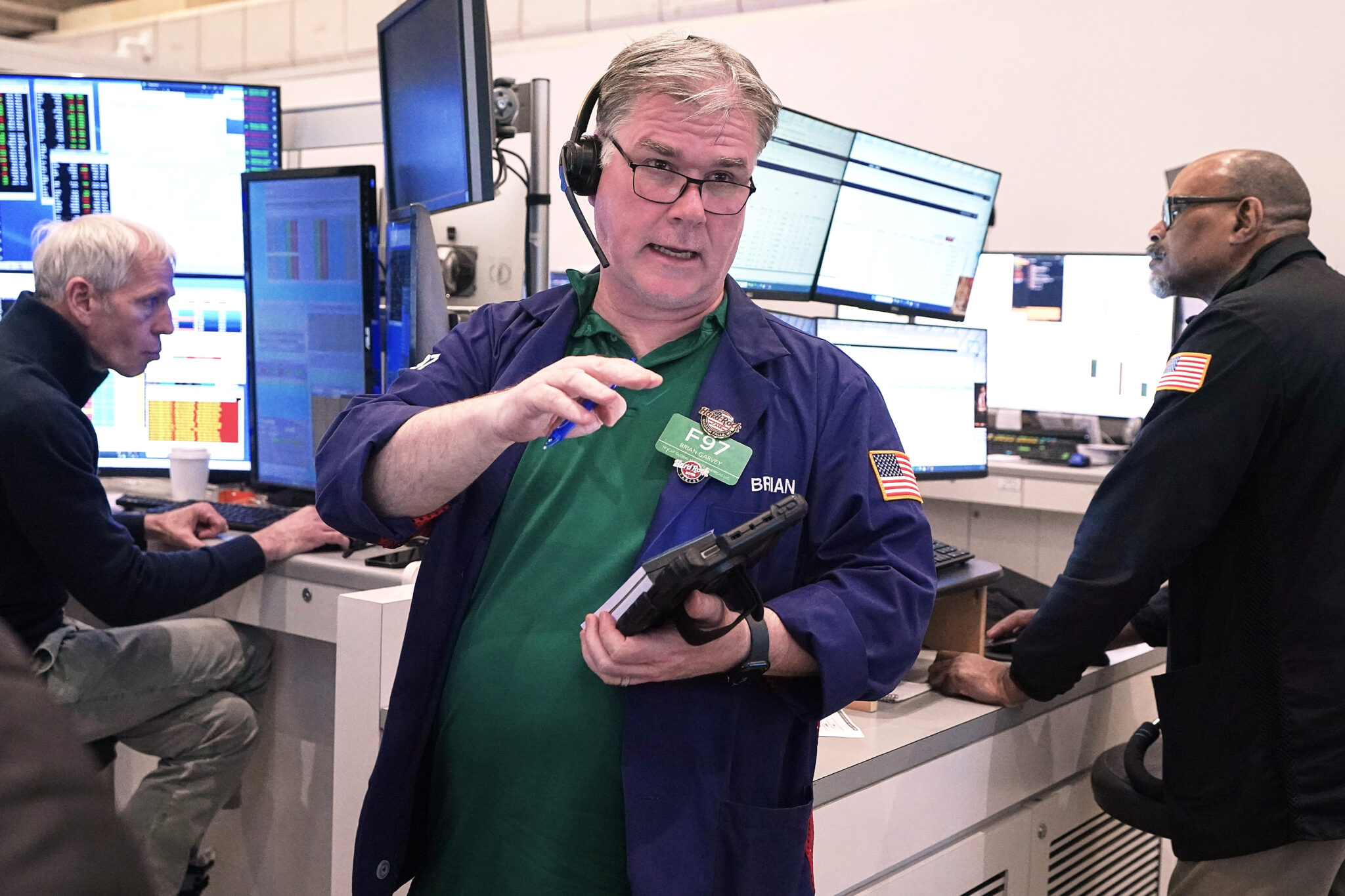
Wall Street’s powerful record-breaking rally slowed Tuesday as investors reacted to rising oil prices, renewed inflation concerns, and a sharp pullback in artificial intelligence-related technology stocks.
The S&P 500 fell 0.4% after reaching an all-time high a day earlier, while the Dow Jones Industrial Average dropped roughly 185 points during early trading.
The Nasdaq composite, heavily influenced by technology companies, declined 0.6% as some of the market’s hottest AI-driven stocks suddenly reversed course.
The market retreat reflected growing uncertainty about inflation, global energy supplies, and the Federal Reserve’s next move on interest rates.
AI Stocks Experience Sharp Pullback
Some of the steepest declines came from companies that had recently surged because of investor excitement surrounding artificial intelligence.
Micron Technology, which had gained nearly 179% this year entering Tuesday’s session, dropped 3.9%.
Cloud computing company CoreWeave slid 5%, trimming its year-to-date gains to around 60%.
Broadcom also declined 1.6% and became one of the largest drags on the broader market because of its significant market value.
The weakness in AI-related stocks began earlier in Asia, where South Korea’s Kospi index tumbled 2.3% from record highs.
Investors there reacted to concerns that South Korea’s government could consider redistributing large profits generated by AI companies to citizens, raising fears about potential regulatory or political intervention.
The AI sector has been one of the primary drivers of the stock market’s massive rally over the past year, making Tuesday’s selloff especially noticeable among investors.
Oil Prices Climb as Iran Conflict Continues
At the same time, energy prices surged again as fears grew that the conflict involving Iran could continue disrupting global oil supplies.
Brent crude oil jumped 3.4% to $107.72 per barrel.
Before the war, Brent crude traded closer to $70 per barrel.
The ongoing conflict has effectively blocked oil tankers from safely moving through the Strait of Hormuz, a crucial shipping route connecting the Persian Gulf to global energy markets.
Approximately one-fifth of the world’s traded oil typically flows through the narrow waterway.
As tensions escalated, oil shipments became increasingly restricted, placing upward pressure on fuel costs worldwide.
The latest rise in crude prices further intensified concerns that inflation could remain stubbornly high for longer than previously expected.
Inflation Report Adds More Pressure
Investor anxiety increased after new U.S. inflation data released Tuesday morning showed consumer prices rising more sharply than economists anticipated.
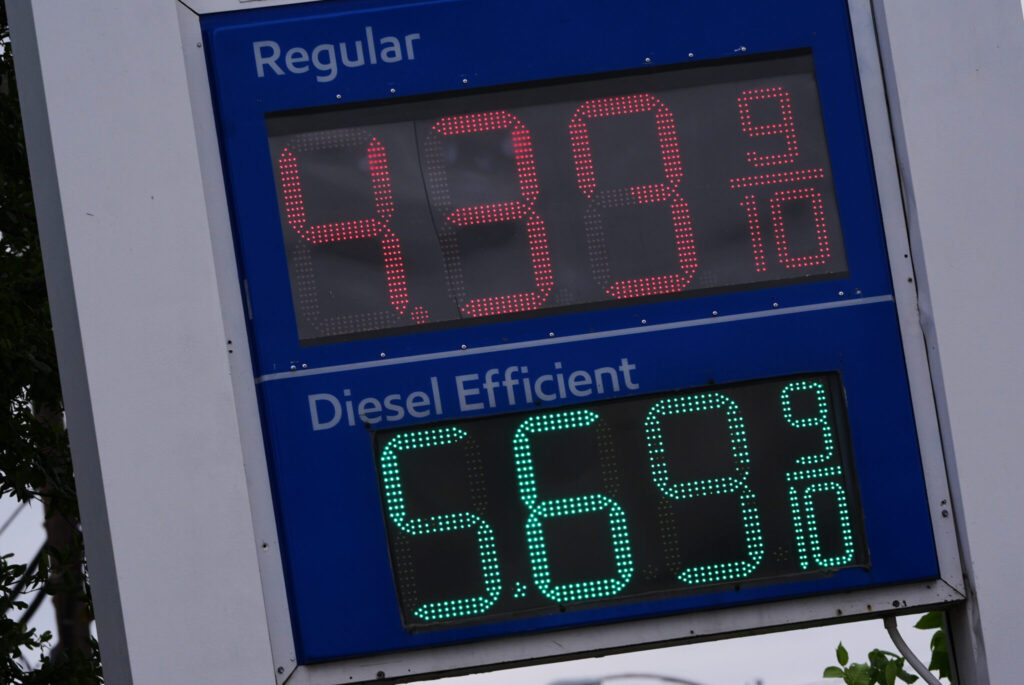
The report revealed that overall inflation worsened last month largely because of surging gasoline prices linked to the Iran conflict.
Even after excluding volatile food and energy categories, inflation remained stronger than analysts expected.
Brian Jacobsen, chief economic strategist at Annex Wealth Management, suggested additional factors such as tariffs and weather-related disruptions may also be contributing to rising prices.
The inflation figures reinforced fears that the Federal Reserve may keep interest rates elevated longer than Wall Street had hoped.
Treasury Yields Rise as Rate-Cut Hopes Fade
Bond markets also reflected growing investor concern.
Treasury yields climbed Tuesday following the inflation report, signaling that traders increasingly believe the Federal Reserve will delay interest-rate cuts.
The yield on the benchmark 10-year Treasury note rose to 4.45%, up from 4.42% late Monday.
Before the Iran conflict intensified, the same yield traded closer to 3.97%.
The Federal Reserve has paused interest-rate cuts while monitoring whether inflation pressures tied to energy costs and President Donald Trump’s tariffs become more widespread across the economy.
Higher interest rates can help slow inflation but also increase borrowing costs for consumers and businesses while potentially weakening economic growth.
Markets Remain Surprisingly Resilient
Despite inflation fears, geopolitical tensions, and rising energy costs, the U.S. stock market has remained relatively resilient in recent months.
One major reason has been stronger-than-expected corporate earnings.
Many companies continue outperforming Wall Street expectations even as economic uncertainty grows.
Zebra Technologies became one of the latest firms to post better-than-expected financial results.
The company, which specializes in barcode scanners and workflow automation systems, saw its stock surge 17.3% after reporting strong quarterly earnings and issuing an optimistic full-year profit forecast.
The positive report helped offset some broader market weakness and highlighted that parts of the corporate sector remain financially strong despite inflation concerns.
Global Markets Also Feel Pressure
The cautious mood spread across international markets as investors monitored inflation and geopolitical developments.
European indexes mostly declined Tuesday.
Germany’s DAX index fell 1.1%, while France’s CAC 40 dropped 0.7%.
Asian markets also struggled, led by South Korea’s steep losses tied to AI-sector concerns.
Japan’s Nikkei 225 managed to buck the trend slightly by gaining 0.5%.
Global investors continue balancing optimism about artificial intelligence and corporate earnings growth against mounting worries involving inflation, oil prices, central bank policy, and geopolitical instability.
Inflation and Energy Risks Remain Key Market Drivers
Analysts say markets are likely to remain volatile as investors evaluate how long the Iran conflict could continue disrupting energy supplies and fueling inflation.
Higher gasoline and transportation costs are increasingly affecting both consumer spending and business operations.
At the same time, the AI sector remains under intense scrutiny after delivering extraordinary gains over the past year.
Even modest pullbacks in large technology stocks now carry outsized influence on broader market performance.
As Wall Street weighs rising oil prices, inflation risks, Federal Reserve policy, and geopolitical tensions, investors are preparing for a potentially more turbulent period after months of strong gains.