


US Unemployment Filings Drop to 226,000 Despite Inflation Concerns/ Newslooks/ WASHINGTON/ J. Mansour/ Morning Edition/ New unemployment claims fell to 226,000 last week, signaling continued labor market strength. Hiring remains solid despite inflation pressures and uncertainty tied to global events. The Federal Reserve is closely monitoring employment data as it weighs future interest-rate decisions.
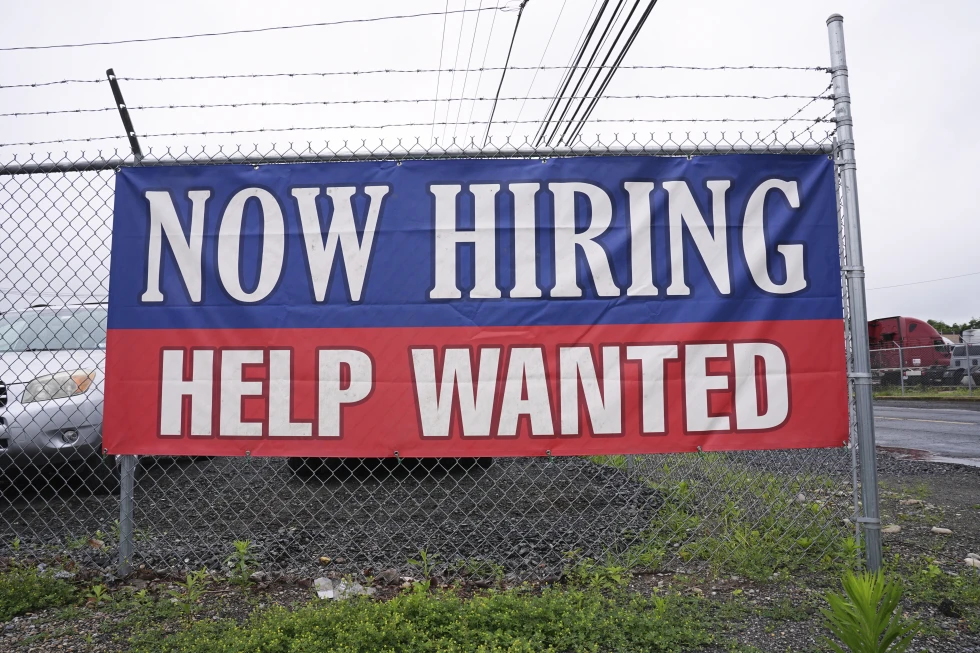
US Jobless Claims Quick Looks
- Initial unemployment claims fell by 4,000 to 226,000.
- The figure matched economists’ expectations.
- Layoffs remain near historically low levels.
- The unemployment rate stands at 4.3%.
- Employers added 172,000 jobs in May.
- Job openings rose to 7.6 million in April.
- Inflation remains elevated at 4.2%.
- The Fed kept interest rates unchanged this week.
- Policymakers are considering potential rate hikes later this year.
- Artificial intelligence continues to reshape labor market expectations.
Deep Look
US Unemployment Claims Decline as Labor Market Shows Continued Strength
The number of Americans filing for unemployment benefits fell modestly last week, offering fresh evidence that the U.S. labor market remains resilient despite inflation concerns, elevated borrowing costs, and lingering economic uncertainty.
According to data released Thursday by the Labor Department, initial jobless claims dropped by 4,000 to 226,000 for the week ending June 13.
The figure was largely in line with economists’ forecasts and remains comfortably within the historically low range that has characterized much of the post-pandemic labor market.
Weekly unemployment claims are closely watched because they provide one of the fastest indicators of changes in hiring and layoffs across the economy.
The latest numbers suggest employers continue to hold onto workers even as businesses face higher costs and economic headwinds.
Hiring Momentum Continues to Improve
The claims report follows several months of stronger-than-expected labor market performance.
Employers added 172,000 jobs in May, extending a recent streak of solid hiring gains.
Since the conflict involving Iran began in late February, the U.S. economy has averaged 188,000 new jobs per month, marking the strongest three-month hiring period since early 2024.
That rebound has helped ease concerns that geopolitical instability and rising energy costs would significantly weaken employment growth.
The national unemployment rate remains low at 4.3%, a level many economists still consider consistent with a healthy labor market.
Job Openings Signal Ongoing Demand for Workers
Additional evidence of labor market strength can be found in the latest job openings data.
Employers posted 7.6 million vacancies in April, up sharply from 6.9 million in March.
The increase pushed job openings to their highest level in nearly a year.
Strong demand for workers suggests businesses remain optimistic enough about future growth to continue recruiting despite uncertainty surrounding inflation and interest rates.
For job seekers, the combination of low layoffs and rising vacancies remains a positive sign.
Inflation Remains a Major Concern
While employment data continues to improve, inflation remains a challenge.
Consumer prices increased 4.2% in May compared with a year earlier, reaching their highest level in three years.
Much of that increase was linked to higher energy costs stemming from disruptions in oil shipments during the conflict involving Iran and the temporary closure of the Strait of Hormuz.
Although a recent agreement between the United States and Iran is expected to restore shipping through the critical waterway, economists caution that lower energy prices may take time to fully filter through the economy.
Higher costs for gasoline, transportation, and goods continue to pressure both consumers and businesses.
Federal Reserve Balances Jobs and Inflation
The labor market’s strength is also influencing monetary policy.
This week, the Federal Reserve left interest rates unchanged during its first policy meeting under new Chair Kevin Warsh.
Fed officials acknowledged that employment remains healthy while inflation continues to run well above the central bank’s 2% target.
Because of these conditions, several policymakers signaled they may support raising interest rates later this year if inflation fails to moderate.
Higher interest rates generally help reduce inflation by slowing borrowing and spending, but they can also dampen hiring and business investment.
The Fed now faces the challenge of controlling prices without undermining labor market momentum.
Corporate Layoffs Continue in Select Industries
Despite the overall strength of the labor market, some major corporations have announced workforce reductions.
Recent job cuts have been reported at companies including:
- Verizon
- UPS
- Amazon
- Disney
- Starbucks
- Walmart
Many of these reductions are tied to restructuring efforts, cost controls, and investments in automation and artificial intelligence.
While headline layoffs attract attention, economists note they have not yet translated into widespread labor market weakness.
AI Adds New Uncertainty to Employment Outlook
Artificial intelligence remains another factor shaping the future of work.
Businesses are investing heavily in AI technologies designed to improve efficiency and productivity.
Supporters argue the technology will create new opportunities and industries.
Critics worry that AI could replace certain jobs or reduce demand for workers in some sectors.
The long-term impact remains uncertain, but economists increasingly view AI as one of the most important variables influencing future employment trends.
What the Latest Data Means
Overall, the latest unemployment claims report points to a labor market that remains remarkably durable.
Layoffs are low, hiring remains steady, and job openings continue to rise despite elevated inflation and ongoing economic uncertainty.
While challenges remain—including inflation, interest-rate risks, and technological disruption—the current data suggests the U.S. economy continues to generate opportunities for workers at a pace stronger than many analysts expected earlier this year.
The coming months will reveal whether that momentum can continue as policymakers attempt to balance growth and price stability.






You must Register or Login to post a comment.