

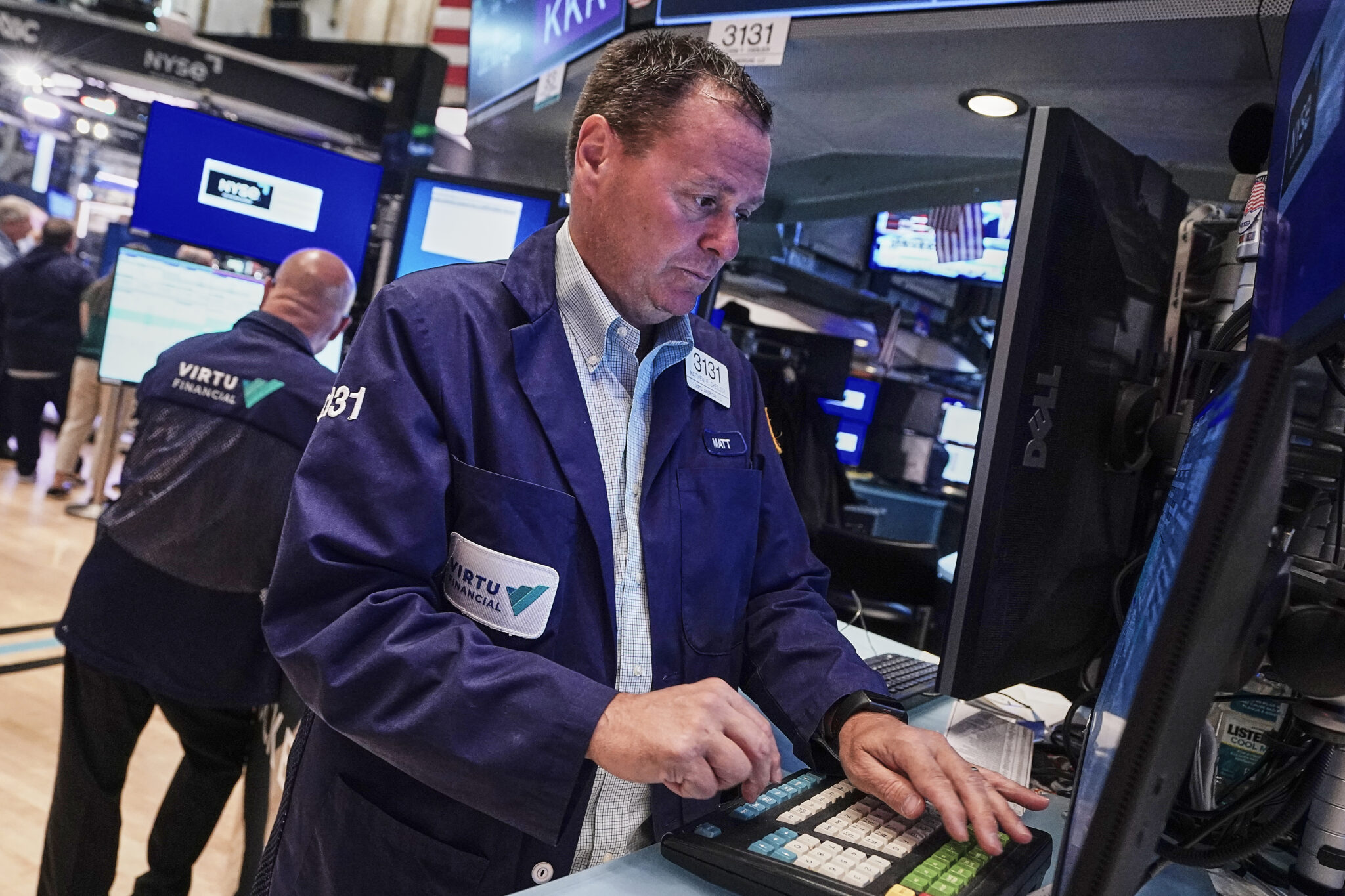
Wall Street Rebounds as Falling Oil Prices Lift Stocks/ Newslooks/ WASHINGTON/ J. Mansour/ Morning Edition/ U.S. stocks climbed sharply Thursday, recovering most of the previous session’s losses. Falling oil prices and easing Treasury yields helped fuel gains across major indexes. Investors remain focused on inflation and the Federal Reserve’s signal that rate hikes could still come later this year.
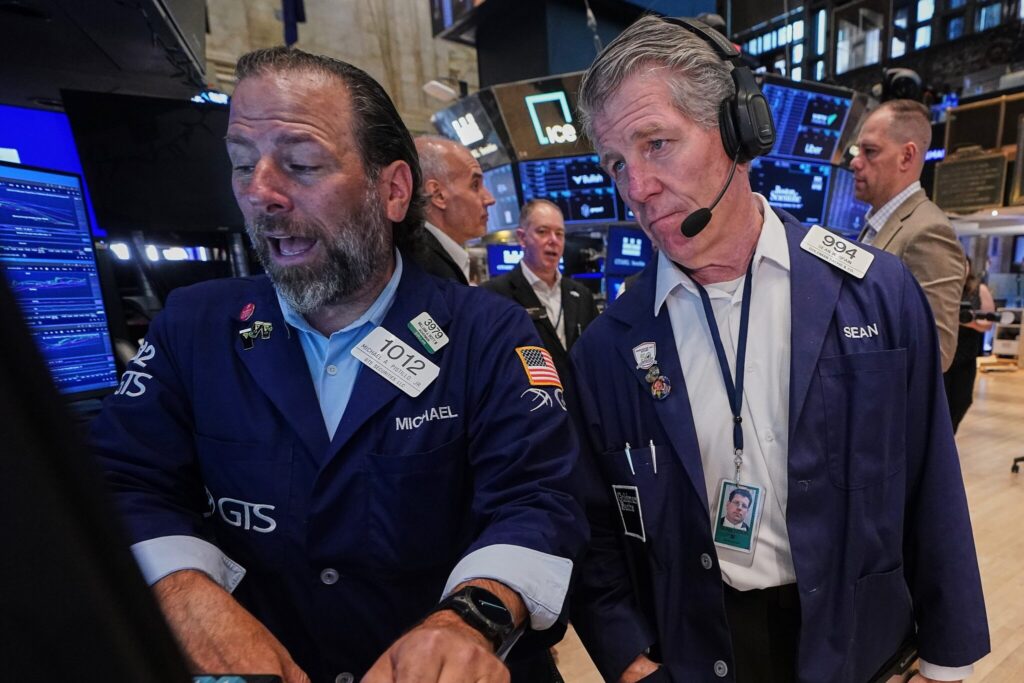
Wall Street Rebounds Quick Looks
- S&P 500 gained 1.1%.
- Dow Jones Industrial Average rose more than 300 points.
- Nasdaq Composite jumped 1.4%.
- Markets recovered much of Wednesday’s sell-off.
- Falling oil prices helped ease inflation concerns.
- Treasury yields declined after Wednesday’s spike.
- Intel surged after a major Apple chip manufacturing announcement.
- Airline and cruise stocks rallied on lower fuel costs.
- Energy companies slipped as crude prices dropped.
- Investors continue assessing the Federal Reserve’s rate outlook.
Deep Look
Stocks Recover as Investors Welcome Lower Oil Prices
U.S. stocks moved sharply higher Thursday as investors returned to equities following a pullback driven by concerns about inflation and interest rates. The rally allowed Wall Street to regain much of the ground lost a day earlier and positioned major indexes for weekly gains ahead of the Juneteenth market holiday.
The benchmark S&P 500 climbed 1.1%, while the Dow Jones Industrial Average advanced more than 300 points. The technology-heavy Nasdaq Composite led the market higher with a gain of 1.4%, supported by strong performances from semiconductor and artificial intelligence-related companies.
The broad-based rally reflected growing optimism that easing energy costs could help reduce inflationary pressure, even as investors continue to digest the Federal Reserve’s latest policy signals.
Oil Prices Continue Retreat Following Iran Agreement
One of the biggest drivers of Thursday’s gains was another decline in crude oil prices after the United States and Iran finalized an agreement aimed at ending their conflict and reopening the Strait of Hormuz.
Brent crude, the international benchmark, fell approximately 3% to around $77 per barrel. U.S. benchmark crude dropped even further, declining more than 3% to roughly $73 per barrel.
Although oil remains more expensive than it was before the conflict began, prices have retreated significantly from the triple-digit levels reached during the height of the crisis.
The agreement allows Iran to resume oil exports and reopens one of the world’s most critical shipping routes for energy supplies. Investors hope the restoration of normal oil flows will ease supply concerns and help stabilize global markets.
Technology Stocks Lead the Rally
Technology companies provided much of the market’s momentum.
Shares of Intel surged 7% after President Donald Trump announced that the company would manufacture chips for Apple within the United States, a move viewed positively by investors amid continued efforts to strengthen domestic semiconductor production.
Other chipmakers also participated in the rally. Nvidia gained 2.2%, while Micron Technology jumped nearly 8%, benefiting from continued enthusiasm surrounding artificial intelligence infrastructure and semiconductor demand.
The technology sector has remained one of the strongest performers throughout 2026, despite periodic volatility tied to interest-rate expectations.
Travel Stocks Benefit From Lower Fuel Costs
Falling energy prices also provided a boost to transportation and travel companies.
Airlines, which are particularly sensitive to fuel expenses, posted notable gains. Shares of American Airlines rose 4%, while United Airlines gained a similar amount.
Cruise operator Carnival advanced more than 3% as investors welcomed the prospect of reduced operating costs.
Lower fuel prices can significantly improve profit margins across the travel industry, making the sector one of the most immediate beneficiaries of declining oil prices.
Energy Sector Moves Lower
While most sectors enjoyed gains, energy companies struggled as crude prices retreated.
Shares of Exxon Mobil fell nearly 3%, while Chevron lost more than 2%.
The decline reflects the close relationship between oil prices and the profitability of major energy producers. As crude prices fall, investors often anticipate reduced revenue and profit growth for companies operating in the energy sector.
Still, analysts note that current oil prices remain substantially above pre-conflict levels, providing continued support for industry earnings.
Federal Reserve Remains a Key Market Focus
Despite Thursday’s rally, investors remain focused on the Federal Reserve after policymakers indicated this week that interest rates could move higher before the end of the year.
The central bank left its benchmark rate unchanged during Wednesday’s meeting but surprised some market participants by signaling that additional tightening remains a possibility due to persistent inflation pressures.
Higher interest rates generally make borrowing more expensive for consumers and businesses, potentially slowing economic growth while helping control inflation.
The Fed’s outlook initially triggered a sell-off on Wednesday, but Thursday’s easing bond yields helped calm investor concerns.
Treasury Yields Pull Back
Bond markets offered additional relief.
The yield on the 10-year Treasury note slipped to 4.43% from 4.49% the previous day. Meanwhile, the two-year Treasury yield, which is particularly sensitive to Federal Reserve policy expectations, declined to 4.15% from 4.20%.
Lower yields tend to support stock valuations because they reduce borrowing costs and make equities relatively more attractive compared with fixed-income investments.
The retreat in yields helped fuel buying across growth-oriented sectors, particularly technology stocks.
Investors Balance Growth and Inflation Risks
Market participants continue to weigh competing economic forces.
On one hand, the labor market remains strong, with unemployment low and job creation continuing at a healthy pace. Consumer spending has also shown resilience despite elevated prices.
On the other hand, inflation remains well above the Federal Reserve’s long-term target, driven by higher energy costs and increased shipping expenses linked to disruptions caused by the Iran conflict.
The decline in oil prices has offered hope that inflation could begin moderating in the months ahead, potentially reducing the need for aggressive monetary tightening.
Markets Head Toward Weekly Gains
With Thursday’s advance, all three major U.S. indexes are on track to finish the week higher.
The recovery highlights investors’ willingness to look beyond short-term volatility and focus on improving conditions in energy markets, resilient economic data and continued growth opportunities in technology and artificial intelligence.
While uncertainty remains surrounding inflation and future interest-rate decisions, Wall Street’s latest rebound suggests investors remain confident that the economy can continue expanding despite ongoing challenges.






You must Register or Login to post a comment.