

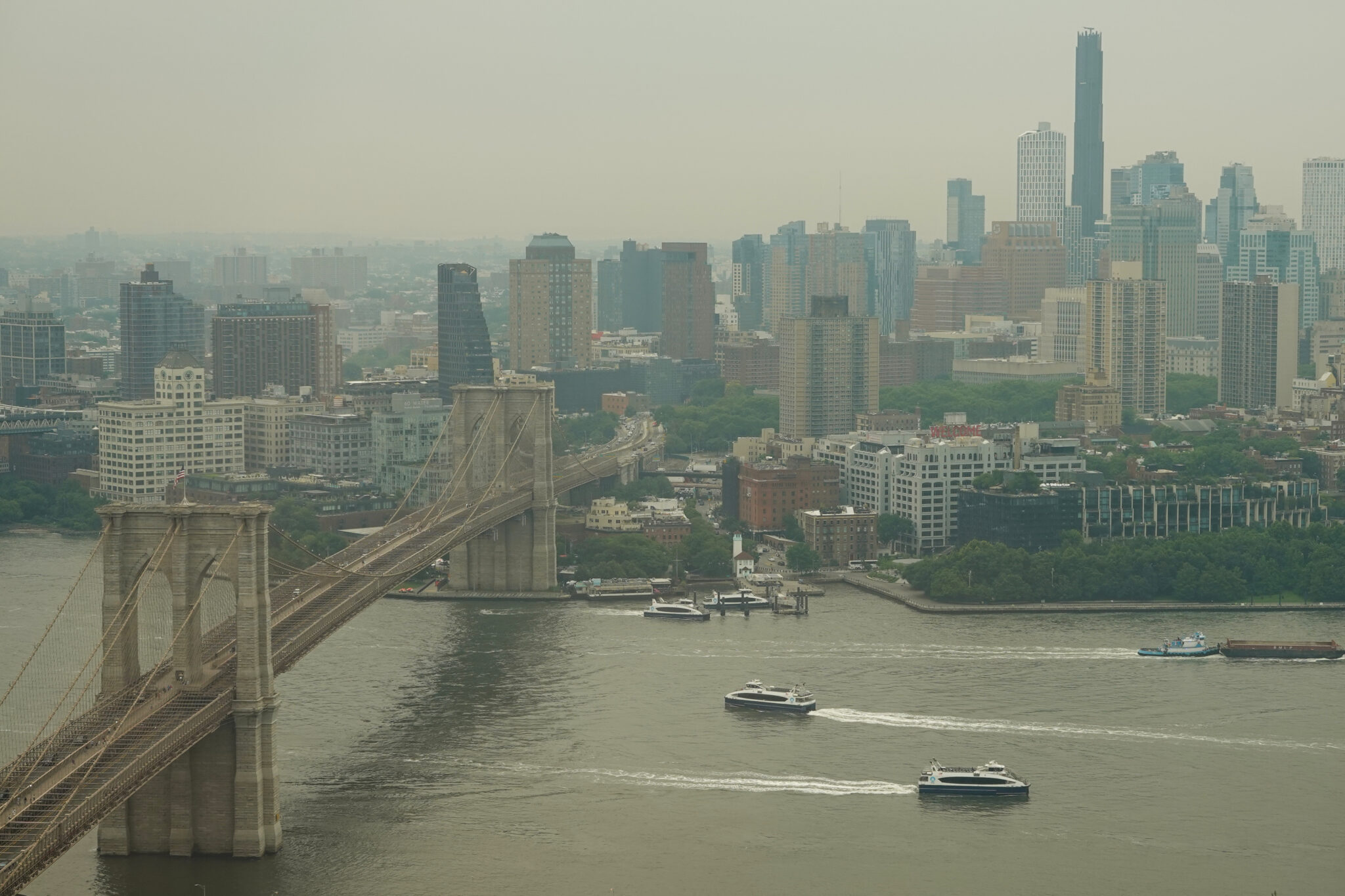
Wildfire Smoke Blankets Midwest and Reaches East Coast/ Newslooks/ WASHINGTON/ J. Mansour/ Morning Edition/ Smoke from Canadian wildfires spread across the Great Lakes and parts of the East Coast, creating unhealthy and hazardous air conditions. Detroit recorded some of the worst air quality among major world cities, while haze reduced visibility in New York City. Officials urged residents to limit outdoor activity and use masks or air-conditioned indoor spaces.
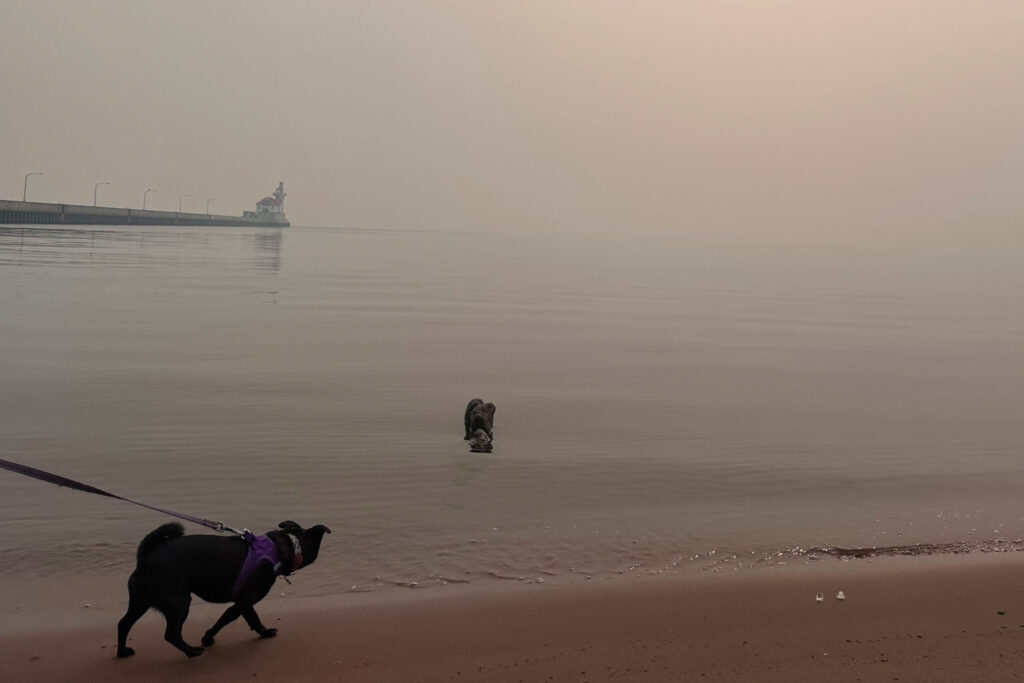
Canadian Wildfire Smoke Quick Looks
- Canadian wildfire smoke spread across the U.S. Midwest and East Coast.
- Detroit recorded some of the world’s worst major-city air quality.
- Visibility dropped to about half a mile in some Michigan areas.
- Air quality ranged from unhealthy to hazardous around the Great Lakes.
- Children and people with heart or lung conditions face greater risks.
- Smoke partially obscured Manhattan’s skyline.
- New York opened cooling centers and moved activities indoors.
- Officials distributed tens of thousands of particle-filtering masks.
- A statewide New York air quality health advisory was issued.
- Conditions were expected to worsen during the day.
- Temporary “very unhealthy” air quality spikes were possible.
- Residents were advised to avoid strenuous outdoor activity.
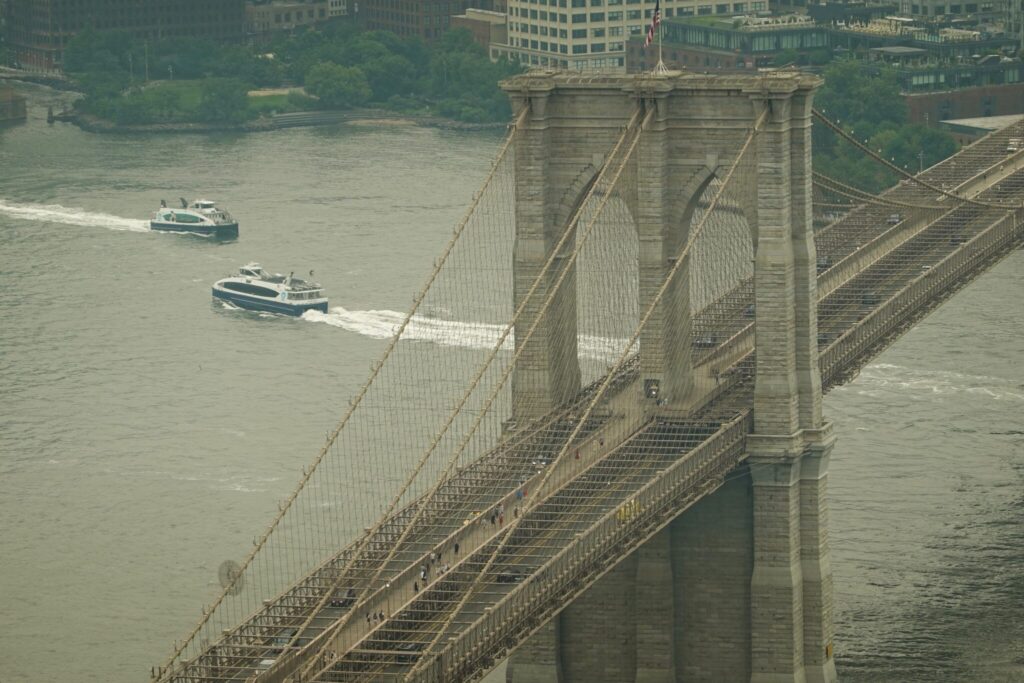
Canadian Wildfire Smoke Makes Midwest Air Quality Hazardous
Thick Smoke Spreads Across Northern United States
Heavy smoke from Canadian wildfires spread across a broad section of the United States on Thursday, darkening skies, reducing visibility and creating dangerous air quality from the Great Lakes to portions of the East Coast.
The smoke produced a strong odor and left many cities covered in a dense haze.
Health and environmental officials warned residents to remain indoors whenever possible, particularly in places where air quality had reached unhealthy or hazardous levels.
The conditions disrupted commutes, outdoor recreation and public programs while increasing health risks for millions of people.
Detroit Records Extreme Air Pollution
Detroit experienced some of the worst conditions among major cities worldwide.
A persistent high-pressure system trapped smoke from dozens of wildfires burning in Canada and northern Minnesota, while northwesterly winds carried the pollution into Michigan.
“Sure enough, it arrived in force here and it’s really pretty extreme levels,” National Weather Service meteorologist Steven Freitag said.
Freitag said visibility in some areas fell to approximately half a mile.
The thick smoke reduced the distance drivers could see and created potentially dangerous conditions on roads and highways.
High Pressure Traps Smoke Near Ground Level
Weather conditions played a major role in the severity of the pollution.
High-pressure systems can prevent air from circulating vertically, allowing smoke and other pollutants to remain concentrated near the ground.
As the smoke moved south and east, several Great Lakes cities reported air quality ranging from unhealthy to hazardous.
The stagnant atmosphere also made it more difficult for the smoke to disperse.
Officials warned that conditions could remain poor until winds changed direction or the high-pressure system weakened.
Fine Particles Pose Serious Health Risks
Wildfire smoke contains fine particulate matter that can penetrate deep into the lungs and enter the bloodstream.
These particles are especially dangerous for:
- Children
- Older adults
- Pregnant people
- People with asthma
- People with heart disease
- People with chronic lung conditions
Even healthy adults can experience headaches, coughing, throat irritation, shortness of breath and eye discomfort after prolonged exposure.
Public health officials advised residents to avoid strenuous outdoor exercise and reduce the amount of time spent outside.
New York City Skyline Fades Behind Haze
The smoke also reached the New York City metropolitan area.
A thick orange-and-yellow haze covered the morning sky and dramatically reduced visibility.
The pollution partly obscured Manhattan’s well-known skyline and gave the city an unusually gloomy appearance.
Officials warned that air quality could worsen as the day continued.
Residents were encouraged to remain in air-conditioned buildings, close windows and avoid extended outdoor activity.
Cooling Centers Open Across New York
New York City opened cooling centers as officials responded to both smoky conditions and summer heat.
Health agencies urged residents to use indoor, air-conditioned spaces whenever possible.
The city also adjusted public programming to reduce exposure.
Mayor Zohran Mamdani said schools, parks and other municipal agencies were moving activities indoors, rescheduling events and changing operations in response to deteriorating air quality.
The changes were intended to protect children, city employees and residents participating in outdoor programs.
State Distributes Protective Masks
New York state officials distributed tens of thousands of masks capable of filtering at least 95% of small airborne particles.
Masks were made available at major transportation centers, including Penn Station and Grand Central Terminal.
Additional distribution sites were established in other high-traffic locations.
Properly fitted particle-filtering masks can reduce exposure to smoke particles, although officials emphasized that remaining indoors offers stronger protection during severe pollution events.
Cloth masks and loose-fitting face coverings generally provide less protection against fine wildfire particles.
Statewide Air Quality Advisory Issued
The New York Department of Environmental Conservation issued a statewide air quality health advisory.
The agency warned of possible temporary spikes into the “very unhealthy” category across several parts of the state.
Affected areas could include Buffalo, Rochester, Syracuse and the greater New York City region.
Air pollution levels can change rapidly depending on wind direction, fire activity and local weather patterns.
Officials encouraged residents to monitor updated air quality readings throughout the day.
Outdoor Activities Become Dangerous
Poor air quality can make ordinary outdoor activities unsafe, particularly when pollution reaches hazardous levels.
Running, cycling, sports practices and physically demanding outdoor work can cause people to inhale more smoke because they breathe faster and more deeply.
Schools, camps and recreation programs were advised to move activities indoors or postpone them.
Workers who could not avoid outdoor exposure were encouraged to take frequent breaks and use appropriate respiratory protection.
Smoke Originates From Numerous Fires
The widespread haze came from dozens of wildfires burning across Canada, along with fires in northern Minnesota.
Wildfire smoke can travel hundreds or even thousands of miles, affecting communities far from the flames.
Wind currents can carry smoke across international borders and large regions in a matter of hours.
The health effects can persist even when residents cannot smell smoke or see flames nearby.
Residents Urged to Improve Indoor Air
Officials advised people in affected areas to keep doors and windows closed and use air conditioning when available.
Air-conditioning systems should be set to recirculate indoor air rather than draw smoke from outside.
Portable air purifiers equipped with high-efficiency filters can also help reduce indoor particle levels.
Residents were advised to avoid activities that create additional indoor pollution, including smoking, burning candles and excessive frying or grilling.
Conditions Could Shift Quickly
Authorities warned that wildfire smoke forecasts can change rapidly.
A shift in wind direction may improve conditions in one area while sending heavier pollution into another.
Residents across the Midwest, Great Lakes and Northeast were urged to follow local alerts and check air quality before leaving home.
For those in areas classified as unhealthy or hazardous, officials emphasized a simple message: stay indoors, reduce physical activity and limit exposure until the smoke clears.






You must Register or Login to post a comment.