Global Leaders Alarmed After US-Israel Strike/ Newslooks/ WASHINGTON/ J. Mansour/ Morning Edition/ European and global leaders convened emergency meetings after U.S. and Israeli strikes on Iran. Officials warned the conflict could spiral into a broader regional war. Calls for restraint and renewed diplomacy dominated international responses.

Quick Look: International Reaction
- Emergency U.N. Security Council meeting requested by France.
- Germany and U.K. hold crisis talks.
- EU coordinating evacuations and regional diplomacy.
- Leaders warn of wider Middle East war.
- Spain criticizes unilateral military action.
- Russia condemns strikes as “armed aggression.”
- Norway warns of “new, extensive” war.
- Global concerns over nuclear safety and escalation.

Deep Look: Global Leaders Alarmed After US-Israel Strike
BRUSSELS — World leaders moved swiftly Saturday to assess the fallout from a sweeping U.S. and Israeli military assault on Iran, convening emergency meetings and warning that the confrontation could escalate into a broader Middle East war.
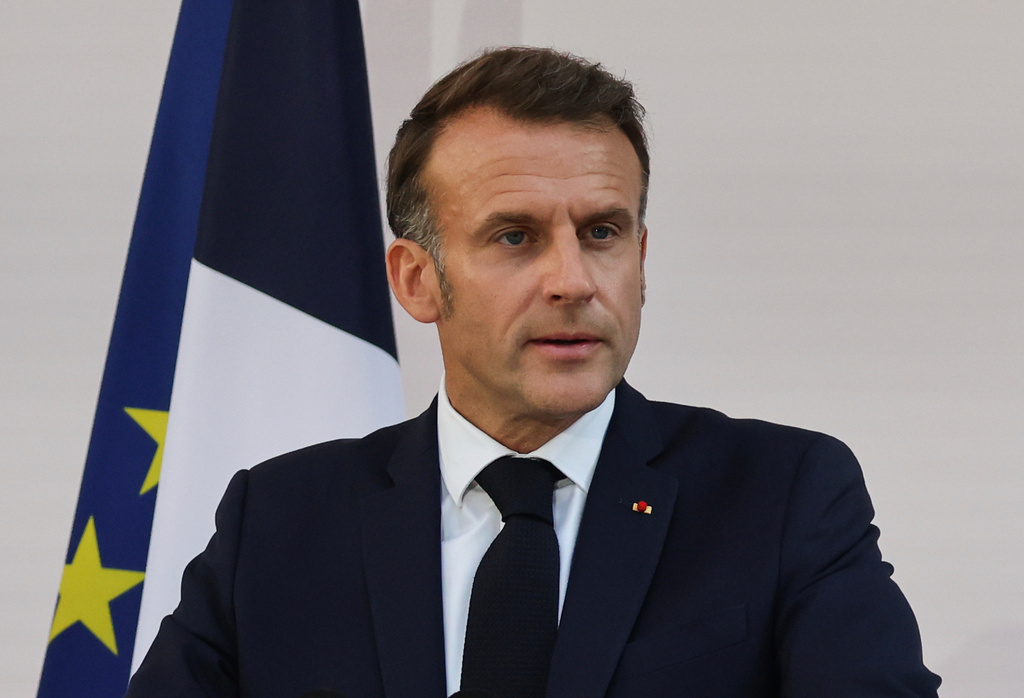
French President Emmanuel Macron called for an urgent meeting of the United Nations Security Council, while Germany and the United Kingdom launched crisis consultations. The European Union began evacuating some personnel from the region and signaled that further coordinated measures could follow.
The coordinated U.S.-Israeli strikes, which targeted sites across Iran, were accompanied by a dramatic statement from President Donald Trump urging Iranians to “take over your government.” His appeal suggested that Washington may be seeking regime change alongside military objectives — a stance that has unsettled several democratic allies.
A Delicate Balancing Act
European governments strongly oppose Iran’s nuclear ambitions and have long criticized Tehran’s internal crackdowns. But many are wary of unilateral military action that could breach international law and destabilize an already volatile region.
It was unclear how much advance notice U.S. allies received. Germany said it was informed only Saturday morning, while France indicated it knew an operation was likely but not its timing.
“The escalation underway is dangerous for everyone. It must stop,” Macron said. He warned of severe consequences for international peace and security and reiterated calls for Iran to return to negotiations over its nuclear and ballistic missile programs.
France, which maintains military forces in the United Arab Emirates, Qatar and Jordan, pledged support to its regional partners while urging de-escalation.
British Prime Minister Keir Starmer chaired a meeting of the U.K.’s emergency committee, with a government spokesperson stressing that Britain seeks to avoid a wider regional war and supports a diplomatic solution. Germany’s crisis management team also convened.
EU and Regional Concerns
Kaja Kallas, the European Union’s top diplomat, described the situation as “perilous” and said she was engaging Israeli and Arab counterparts to pursue diplomatic options.
“Iran’s regime has killed thousands. Its ballistic missile and nuclear programs, along with support for terror groups, pose a serious threat to global security,” Kallas wrote on social media.
Still, EU leaders emphasized restraint. European Commission President Ursula von der Leyen and European Council President António Costa issued a joint appeal urging all sides to protect civilians, respect international law and safeguard nuclear facilities.
Norway’s foreign minister warned that stalled negotiations between Washington and Tehran risked igniting a “new, extensive war in the Middle East.”
Spain’s Prime Minister Pedro Sánchez rejected what he described as unilateral military action by the United States and Israel, saying it deepened instability. At the same time, he reiterated criticism of Iran’s leadership.
Wider Global Backlash
Beyond Europe, reactions were sharp.
The International Campaign to Abolish Nuclear Weapons, a Nobel Peace Prize-winning organization, condemned the strikes as “totally irresponsible,” warning they could accelerate nuclear proliferation and increase the risk of nuclear weapons use.
Malaysia’s Prime Minister Anwar Ibrahim cautioned that the Middle East had been pushed to the “edge of catastrophe.”
Pakistan’s foreign minister condemned what he called “unwarranted attacks” during a phone conversation with his Iranian counterpart.
Russia’s Foreign Ministry described the operation as a “pre-planned and unprovoked act of armed aggression” against a sovereign state. In a statement posted on Telegram, Moscow accused Washington and Tel Aviv of using nuclear concerns as cover for regime-change ambitions and demanded an immediate halt to hostilities.
A Fragile Moment
The strikes and their aftermath have placed U.S. allies in a precarious position. While sharing concerns over Iran’s nuclear activities and regional influence, many governments are deeply uneasy about the potential for rapid escalation — particularly in a region critical to global energy supplies and already strained by years of conflict.
With emergency diplomacy underway and retaliatory actions unfolding, leaders across Europe and beyond are urging restraint in hopes of preventing a crisis that could reshape regional and global security.