Trump Claim About Iran Deal Eliciting Market Cheers, Plenty of Skepticism/ Newslooks/ WASHINGTON/ J. Mansour/ Morning Edition/ Trump says the U.S. is negotiating with Iran. Markets responded positively to possible diplomacy. Iran denies talks, fueling skepticism about progress.
Quick Looks
- Trump delays strikes on Iranian power plants
- Claims U.S. envoys held “productive” talks
- Iran denies negotiations took place
- Oil prices fall and stocks rise on optimism
- U.S. troops continue deploying to region
- Analysts question whether goals have been achieved
Deep Look: Trump Claim About Iran Deal Eliciting Market Cheers, Plenty of Skepticism
President Donald Trump signaled possible diplomatic progress in the fourth week of the U.S.-Iran conflict, saying negotiations with Iranian officials may lead to a deal — a claim that buoyed financial markets but drew skepticism from Tehran and policy analysts.
Trump announced he would postpone plans to strike Iranian power plants for five days, citing what he described as “very good” weekend discussions between U.S. envoys and unnamed Iranian representatives. The decision came just hours before a deadline he had set for Iran to reopen the Strait of Hormuz, a vital global shipping route responsible for roughly 20% of global crude oil flows.
The announcement offered markets a reprieve after days of escalating threats between Washington and Tehran. Oil prices eased and investors responded positively to the possibility of de-escalation.
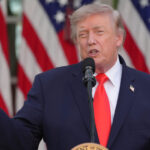
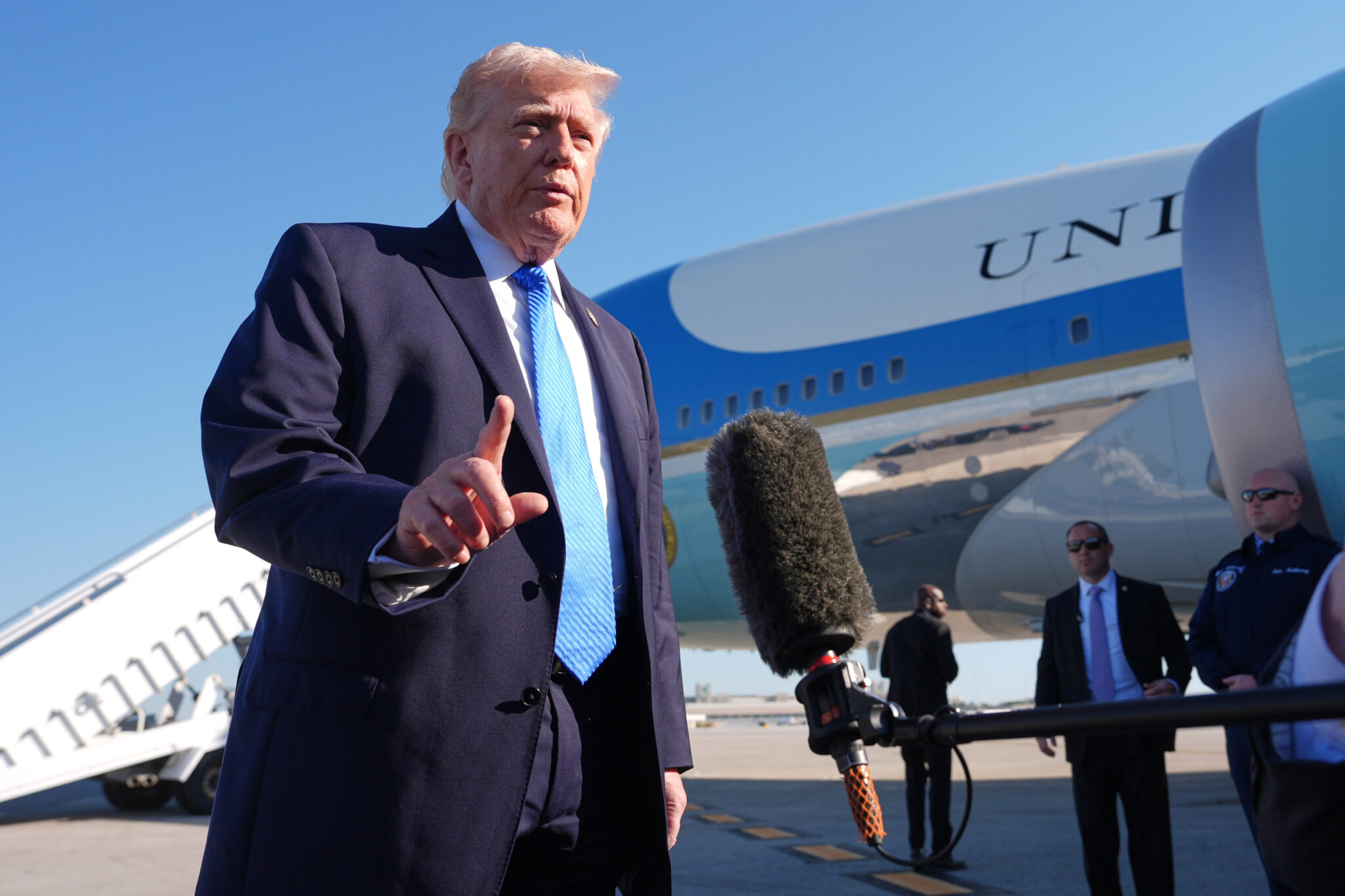
“All I’m saying is we are in the throes of a real possibility of making a deal,” Trump told reporters before boarding Air Force One. He added that he believed there was a strong chance negotiations could lead to a resolution, though he stopped short of guaranteeing success.
Iran quickly rejected the president’s claims. Iranian Parliament Speaker Mohammad Bagher Qalibaf denied any high-level negotiations and accused Washington of spreading misinformation to manipulate markets and buy time for military planning. Iran’s foreign ministry echoed the sentiment, describing Trump’s comments as an attempt to reduce energy prices and calm global markets.
Despite Trump’s optimism, analysts noted that many of the administration’s stated military objectives remain incomplete. Trump has outlined goals including dismantling Iran’s missile capabilities, destroying its defense infrastructure, eliminating its navy, preventing nuclear development and reopening the Strait of Hormuz.
While U.S. and Israeli strikes have weakened parts of Iran’s military capacity, experts say Iran still retains significant capabilities. In particular, nuclear concerns remain unresolved, with estimates suggesting large quantities of enriched uranium remain buried at damaged facilities.
Trump said Monday that the U.S. would seek to take custody of Iran’s enriched uranium as part of any deal, though he did not explain how that would be achieved.
Meanwhile, military preparations continue. The United States has ordered additional forces to the region, including thousands of Marines and multiple amphibious assault ships. These troops will join more than 50,000 U.S. personnel already stationed in the Middle East.
Trump emphasized that he has no immediate plans to deploy ground forces but said all options remain available. The troop deployments are expected to take weeks, giving diplomacy time to play out.
The conflict has increasingly become tied to global energy concerns. Iran’s effective control of the Strait of Hormuz has disrupted supply chains, driven up fuel prices and raised fears of broader economic consequences.
Some analysts suggest Trump’s diplomatic messaging may also serve a strategic purpose — calming markets while allowing additional U.S. forces to arrive in the region.
“The conflict is increasingly being defined by energy and economics,” one analyst noted, highlighting how the war’s economic impact is shaping policy decisions.
For now, Trump’s comments have introduced cautious optimism into a volatile situation. But with Iran denying talks and military deployments continuing, uncertainty remains high as the conflict enters a critical phase.