Senate Republicans Push $1 Billion Trump Ballroom Security Plan/ Newslooks/ WASHINGTON/ J. Mansour/ Morning Edition/ Senate Republicans are advancing a proposal to provide up to $1 billion for security upgrades tied to President Donald Trump’s White House ballroom project. Democrats argue the funding contradicts Trump’s earlier promise that private donations would cover the project. Several Republicans are also questioning whether taxpayers should help finance security measures connected to the controversial expansion.
Trump Ballroom Security Funding Quick Looks
- Senate Republicans support up to $1 billion in security funding
- The money would support Trump’s White House ballroom project
- Democrats accuse Republicans of wasting taxpayer dollars
- Trump previously said private donations would fund the ballroom
- GOP lawmakers remain divided over the proposal
- Security upgrades may include fortified underground facilities
- Secret Service officials are expected to brief senators privately
- Debate is intensifying ahead of Senate votes next week
Deep Look
Senate Republicans Advance Trump Ballroom Security Funding
Senate Republicans are moving ahead with a controversial proposal to provide up to $1 billion in taxpayer funding for security upgrades tied to President Donald Trump’s White House ballroom project.
The funding proposal immediately triggered fierce backlash from Democrats and skepticism from several Republicans as lawmakers returned to Washington this week.
Republicans argue the additional security measures are necessary following last month’s attempted assassination plot against Trump and broader concerns surrounding presidential protection.
The White House ballroom project, which Trump previously said would be financed entirely through private donations, has now become a major flashpoint in the ongoing congressional budget battle.
Republicans Defend Security Spending
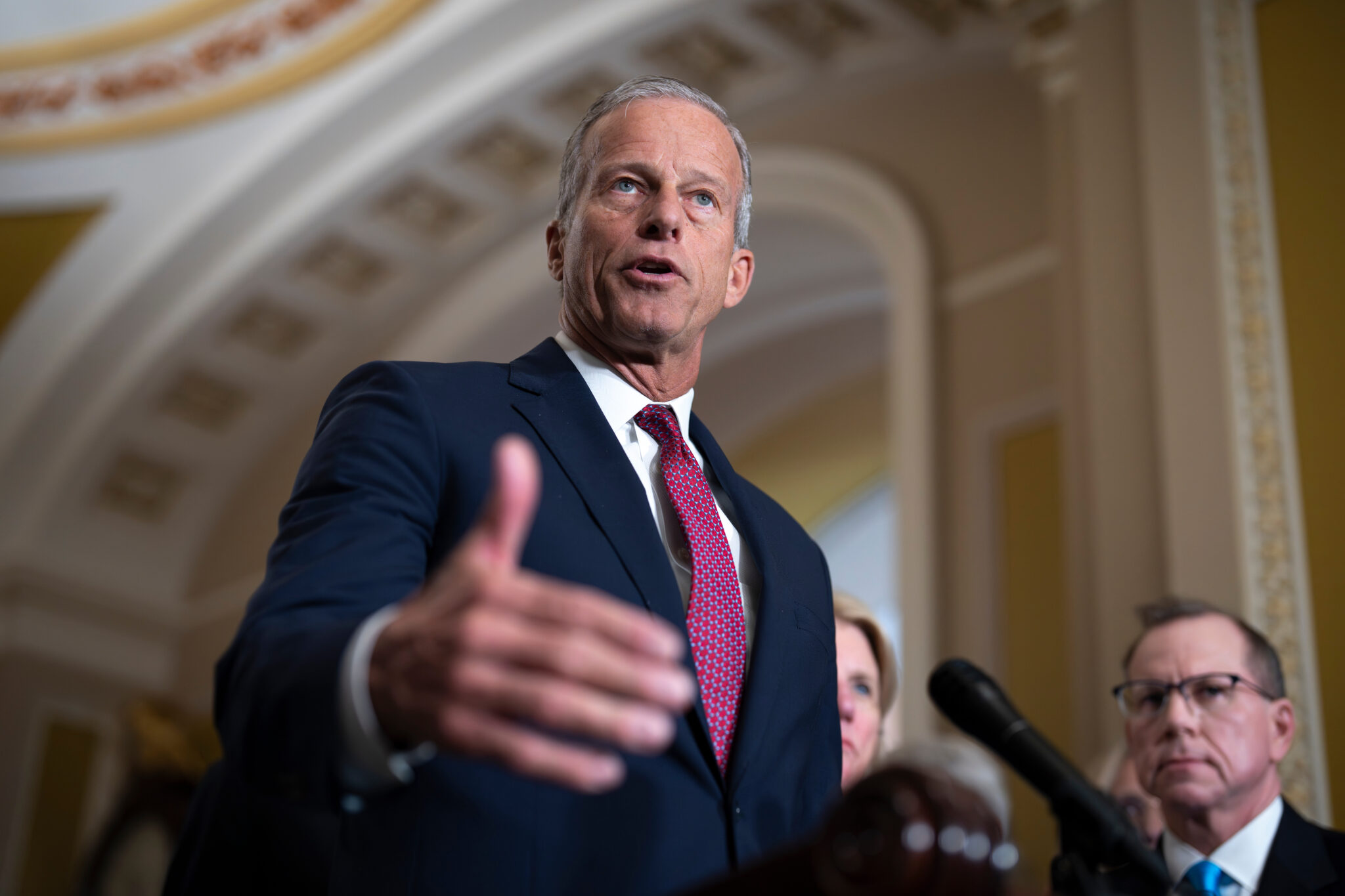
Senate Majority Leader John Thune defended the proposed funding Monday, arguing that protecting the president requires substantial investment during a period of elevated global threats.
“Keeping the leader of the free world safe is an expensive proposition,” Thune said. ”The Secret Service has a job to defend and protect the president, and we need to make sure they have the tools to do it.”
The Senate proposal would direct the money to the U.S. Secret Service for “security adjustments and upgrades” related to the East Wing ballroom expansion project.
According to legislative language, the funding could be used for both above-ground and underground security infrastructure but not for non-security construction elements.
Democrats Blast Proposal as Wasteful
Democrats immediately condemned the proposal, accusing Republicans of using taxpayer money to support what they describe as a vanity project tied to Trump’s personal legacy.
Senate Democratic leader Chuck Schumer criticized the funding plan in a letter to colleagues Monday.
“Well, give me a break. He’s put a billion dollars in the budget for it. This staggering waste of taxpayer dollars has nothing, nothing to do with security and everything to do with Trump’s ego,” Schumer said.
Democrats plan to challenge the funding using Senate procedural rules and parliamentary objections while also forcing public amendment votes if the proposal remains in the final spending package.
The security funding was added to a broader Republican spending bill focused on restoring funding for immigration enforcement agencies after months of partisan conflict over border policy.
Some Republicans Also Have Concerns
Although Republican leaders support the measure, several GOP lawmakers expressed hesitation about approving such a large taxpayer-funded security package.
Senate Appropriations Committee Chairwoman Susan Collins said she wants more details directly from Secret Service Director Sean Curran before committing support.
Collins emphasized that the ballroom itself should still be privately funded “as the president had indicated.”
Kentucky Republican Sen. Rand Paul also voiced skepticism.
“That’s still my preference,” Paul said, referring to private financing.
Paul questioned whether the Secret Service already received sufficient funding increases following the 2024 assassination attempt against Trump during a campaign event in Butler, Pennsylvania.
“Was it spent wisely? Do they really need more at this time?” Paul asked. “And a lot of people think this might be papering over for the, you know, the ballroom.”
Other Republicans were more supportive.
Missouri Sen. Josh Hawley said he had “no problem” backing the request, while Wyoming Sen. Cynthia Lummis argued taxpayers have a role in funding presidential security measures.
House Republicans Remain Undecided
Questions are also emerging among House Republicans as lawmakers prepare for eventual negotiations between the House and Senate versions of the spending bill.
Speaker Mike Johnson was expected to attend a private GOP strategy lunch Tuesday as lawmakers reviewed the proposal.
Virginia Republican Rep. Rob Wittman said he planned to examine the request “very carefully” to determine whether it genuinely serves national security interests.
Florida Republican Rep. Mike Haridopolos acknowledged that lawmakers face difficult political considerations while evaluating the funding.
“If Republican and Democratic members can take a step back and say this is a real security issue, then maybe it will get done,” Haridopolos said.
“But if Democrats dig in, it’ll be really challenging to pass that, as you can only imagine.”
The House has not yet released its own version of the legislation, leaving the proposal’s future uncertain.
White House Says Ballroom Will Be Heavily Fortified
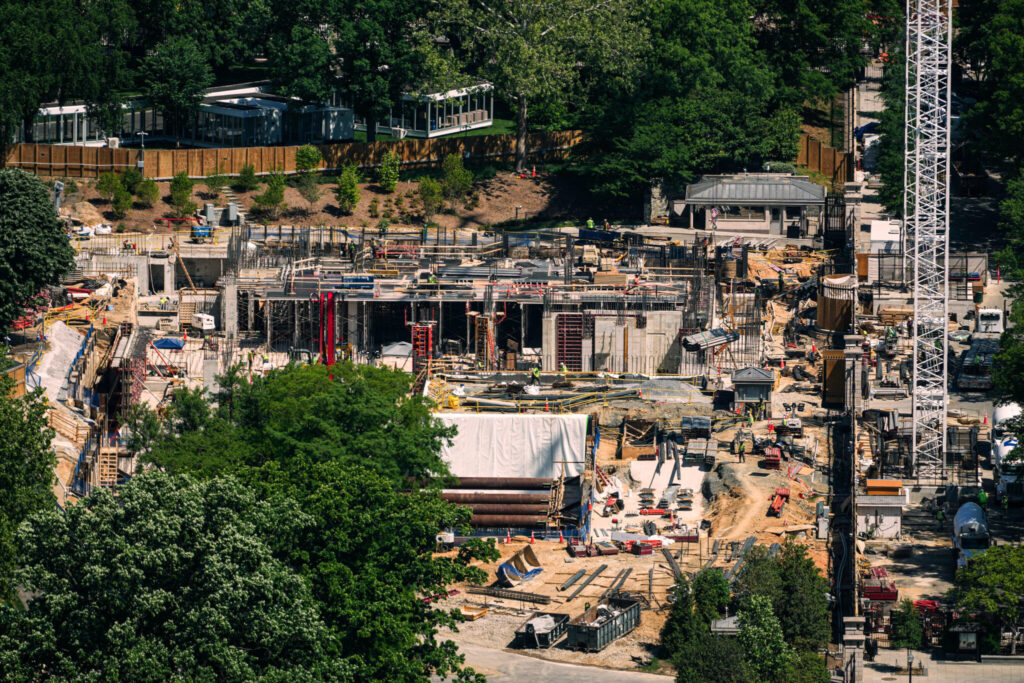
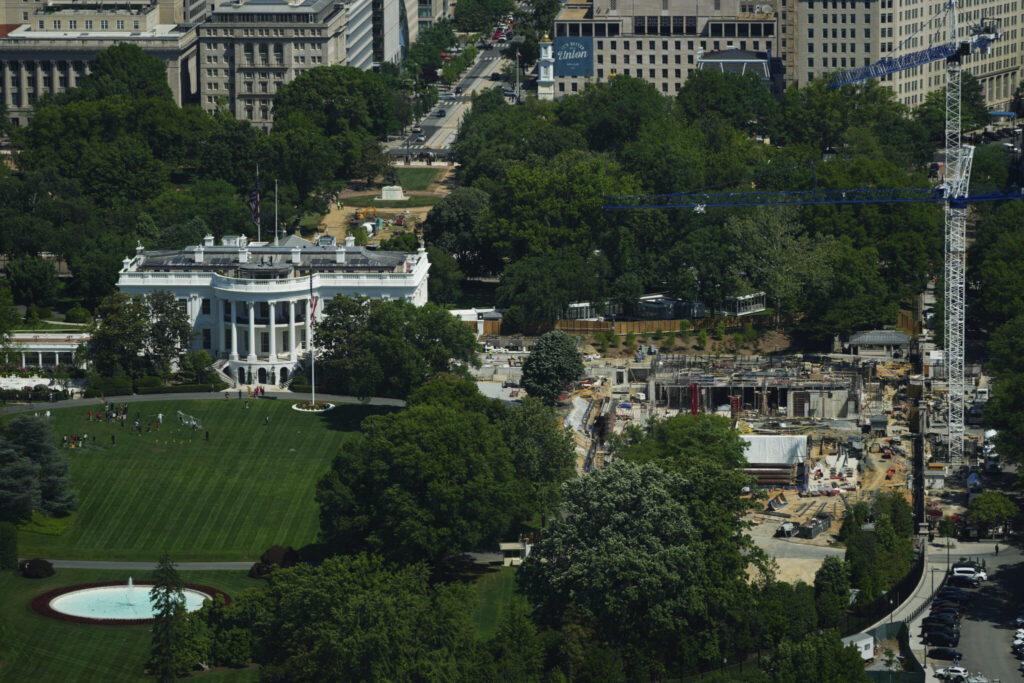
The White House has described the East Wing ballroom project as a highly secure facility designed to withstand major threats.
Court documents and public statements indicate the ballroom complex could include bomb shelters, military installations, underground medical facilities, bulletproof glass, and anti-drone defenses.
Trump addressed the project Friday, suggesting the funding would support multiple broader security efforts beyond the ballroom itself.
“They want to do certain things militarily with respect to the ballroom, having nothing to do with us or having to do with the safety of the president,” Trump said. “So having to do with a lot of things, but we are going to have a safe ballroom.”
The White House has estimated construction costs for the ballroom itself at roughly $400 million, though officials had not previously disclosed separate security expenses.
Political Fight Likely to Intensify
The proposal is rapidly becoming another major partisan flashpoint in Washington.
Republicans argue the funding reflects necessary national security spending in an increasingly dangerous political environment.
Democrats counter that the administration is breaking promises about private financing while directing massive taxpayer resources toward a project they see as politically unnecessary.
With Senate votes expected as early as next week, the funding battle could become one of the most contentious spending fights of the year.