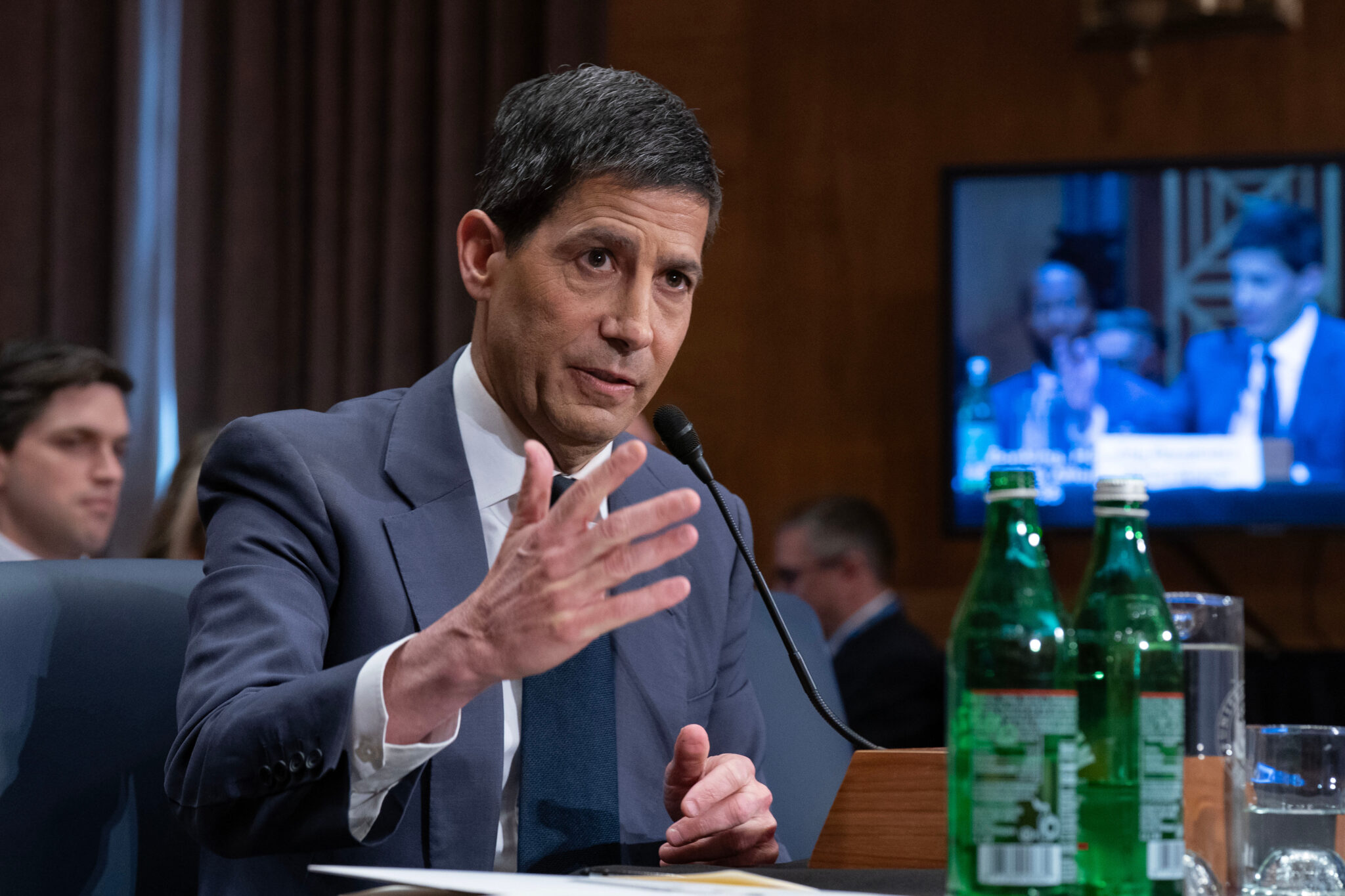
Kevin Warsh Moves Closer to Becoming Federal Reserve Chair/ Newslooks/ WASHINGTON/ J. Mansour/ Morning Edition/ Kevin Warsh moved closer to becoming the next Federal Reserve chair after clearing a key Senate procedural vote. The confirmation process unfolds amid growing political pressure on the Fed and ongoing tensions between Donald Trump and current Chair Jerome Powell. Warsh has promised major changes at the central bank while insisting he has not pledged interest-rate cuts to Trump.
Kevin Warsh Fed Confirmation Quick Looks
- Kevin Warsh cleared a major Senate procedural vote
- The Senate is expected to confirm him as Fed governor this week
- Warsh could officially become Fed chair within days
- Jerome Powell’s leadership term ends Friday
- Trump has repeatedly pressured the Fed to cut rates
- Warsh proposed major changes to Federal Reserve operations
- Questions continue over Fed independence and political pressure
- The next Fed meeting is scheduled for June 16-17
Deep Look
Kevin Warsh Moves Toward Federal Reserve Leadership
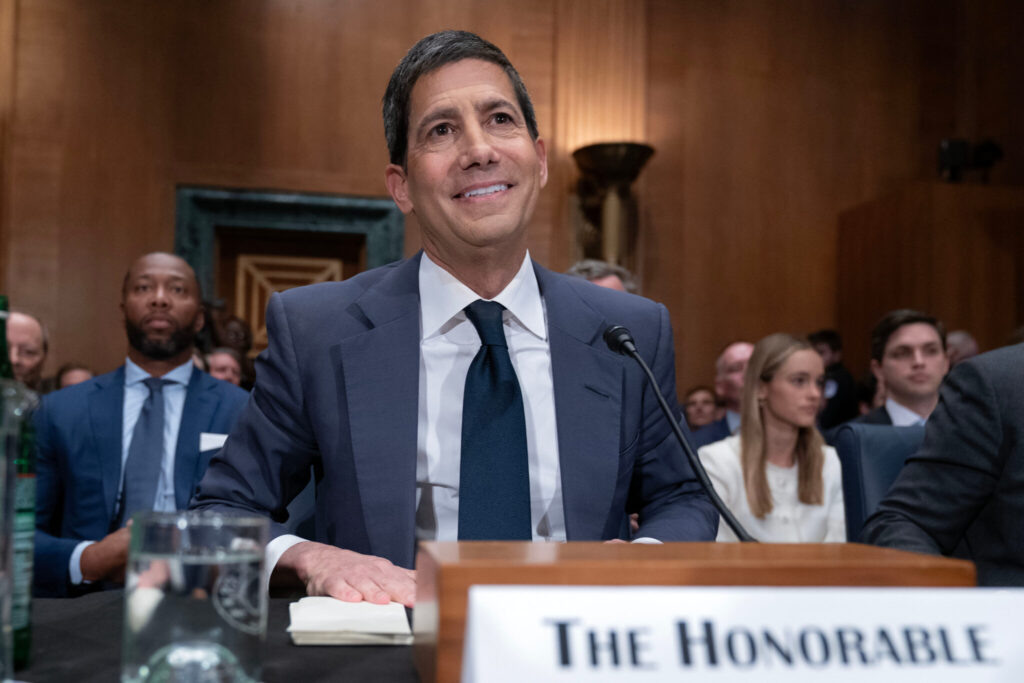
Kevin Warsh is moving closer to becoming the next chair of the Federal Reserve after clearing a major procedural hurdle in the U.S. Senate.
The Senate voted Monday to advance Warsh’s nomination, positioning President Donald Trump’s pick for likely confirmation in the coming days.
Lawmakers are expected to approve Warsh first for a 14-year term as a Federal Reserve governor before separately confirming him for a concurrent four-year term as Fed chair.
The accelerated process would allow a relatively smooth transition from current Federal Reserve Chair Jerome Powell, whose leadership term officially ends Friday.
Warsh’s rise comes at a highly sensitive moment for the central bank as political pressure surrounding interest rates, inflation, and Federal Reserve independence continues intensifying.
Trump’s Relationship With the Fed Remains Tense
President Trump has repeatedly criticized the Federal Reserve and Powell for refusing to aggressively cut interest rates during his second term.
The administration has pushed for lower borrowing costs to stimulate economic growth as inflation and energy prices rise following the Iran conflict.
Trump has publicly stated that he expects Warsh to pursue lower rates once confirmed.
Warsh, however, told lawmakers he has not made any promises to Trump regarding future monetary policy decisions.
The nomination arrives amid broader concerns over attempts by the White House to exert greater influence over the traditionally independent central bank.
Federal Reserve Independence Under Scrutiny
The confirmation process has unfolded against a backdrop of growing legal and political pressure involving the Federal Reserve.
Trump previously attempted to remove Fed Governor Lisa Cook, triggering a legal battle now before the U.S. Supreme Court.
The administration also supported a Department of Justice investigation into Powell’s management of a Federal Reserve building renovation project.
A federal judge later ruled the probe appeared to be a pretext designed to pressure Powell into cutting interest rates or resigning.
Although the Justice Department formally dropped the investigation, uncertainty remains after prosecutors suggested it could potentially be reopened.
Powell has publicly expressed concern that ongoing legal and political attacks threaten the Fed’s ability to make decisions free from partisan influence.
He warned about “the series of legal attacks on the Fed which threaten our ability to conduct monetary policy without considering political factors.”
Warsh has largely avoided directly commenting on the administration’s actions toward the central bank.
Warsh Signals Major Changes at the Fed
During confirmation proceedings, Warsh outlined plans for what he described as “regime change” at the Federal Reserve.
His proposals include reducing the size of the Fed’s balance sheet and increasing coordination between the central bank, the Treasury Department, and the administration on certain non-monetary policy issues.
The comments have sparked debate among economists and lawmakers about how aggressively Warsh might reshape the institution if confirmed.
Supporters argue the Fed needs modernization and stronger accountability.
Critics worry closer coordination with the White House could weaken the Fed’s traditional independence from political influence.
Warsh’s policy views are especially important as inflation remains elevated and the central bank weighs difficult decisions surrounding interest rates.
Fed Officials Remain Divided on Interest Rates
At the Federal Reserve’s most recent meeting, policymakers voted to keep benchmark interest rates within a range of 3.50% to 3.75%.
However, divisions inside the central bank are growing.
Three Fed officials dissented from the decision, signaling openness to possible future rate increases because of inflation concerns.
The debate has intensified as energy prices linked to the Iran conflict continue pushing inflation higher across the economy.
Higher gasoline costs and rising consumer prices have complicated expectations for future rate cuts.
Investors and economists are now closely watching whether Warsh would move more quickly toward easing monetary policy once he assumes leadership.
Inflation and Economic Uncertainty Complicate Transition
The leadership transition comes during a period of unusual economic uncertainty.
Recent inflation reports showed consumer prices rising more sharply than expected, driven largely by higher fuel and energy costs.
At the same time, financial markets remain volatile as investors weigh inflation risks, geopolitical instability, tariffs, and slowing consumer spending.
Trump has blamed Powell and the Federal Reserve for failing to respond aggressively enough to support the economy.
Warsh’s confirmation could therefore mark a major shift in tone and policy direction at the central bank.
Still, the Fed chair alone cannot dictate monetary policy.
The chair holds only one vote among 12 voting members on interest-rate decisions and one voice among 19 officials participating in broader policy discussions.
Next Fed Meeting Could Mark New Era
If confirmed this week, Warsh would likely preside over the Federal Reserve’s next policy meeting scheduled for June 16-17.
That meeting could provide the first major indication of how the central bank may evolve under his leadership.
Markets are expected to closely monitor any changes in communication, inflation strategy, or rate guidance.
Analysts say the transition could shape not only monetary policy but also broader debates over the future independence and political role of the Federal Reserve itself.
As the Senate moves toward final confirmation votes, Warsh’s nomination is quickly becoming one of the most consequential economic appointments of Trump’s second term.