Pakistan Offers To Host Talks As Iran War Escalates Across Middle East/ Newslooks/ WASHINGTON/ J. Mansour/ Morning Edition/ Pakistan offers to host negotiations to end Iran war. Missile attacks and airstrikes continue across the Middle East. Global energy and security concerns grow amid rising tensions.
Quick Looks
- Pakistan offers to host U.S.–Iran peace talks
- Trump extends deadline for Strait of Hormuz reopening
- Iran missiles strike southern Israel
- Gulf region sees casualties from Iranian attacks
- India urges de-escalation and secure oil routes
- Philippines declares national energy emergency
Deep Look: Pakistan Offers To Host Talks As Iran War Escalates Across Middle East
Pakistan’s prime minister said Tuesday that his country is ready to help facilitate negotiations aimed at ending the war between Iran and the United States, as fighting continued across the Middle East and global tensions intensified.
Prime Minister Shehbaz Sharif said Pakistan would be “honoured” to host talks if both Washington and Tehran agree, adding that Islamabad stands ready to support “meaningful and conclusive talks” to reach a comprehensive settlement.
Pakistan is among several countries pushing for diplomacy after President Donald Trump said Monday that negotiations between the United States and Iran were underway. Trump also extended his deadline for Iran to reopen the Strait of Hormuz, saying the U.S. would delay planned strikes on Iranian power plants for five days to allow talks to continue.
Iranian officials, however, rejected the suggestion of negotiations, saying Trump had backed down following what they described as Iran’s “firm warning.”
Missile Attacks Continue
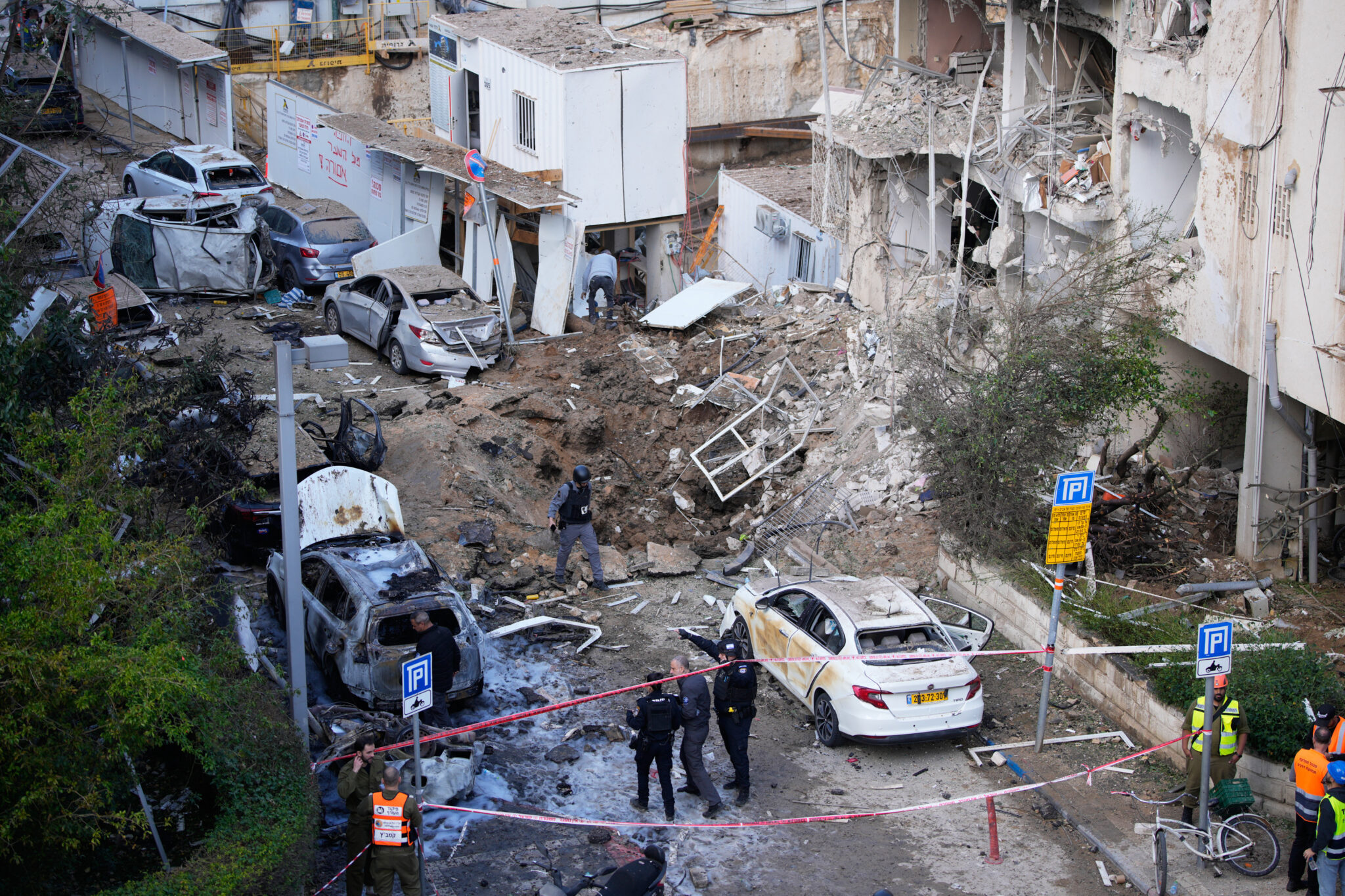
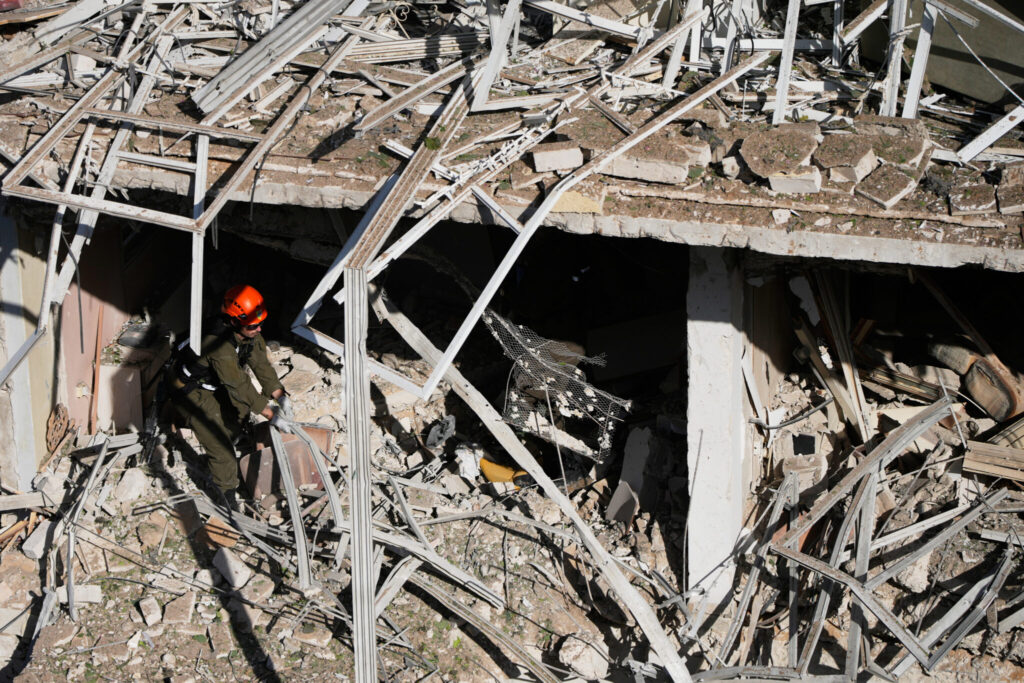
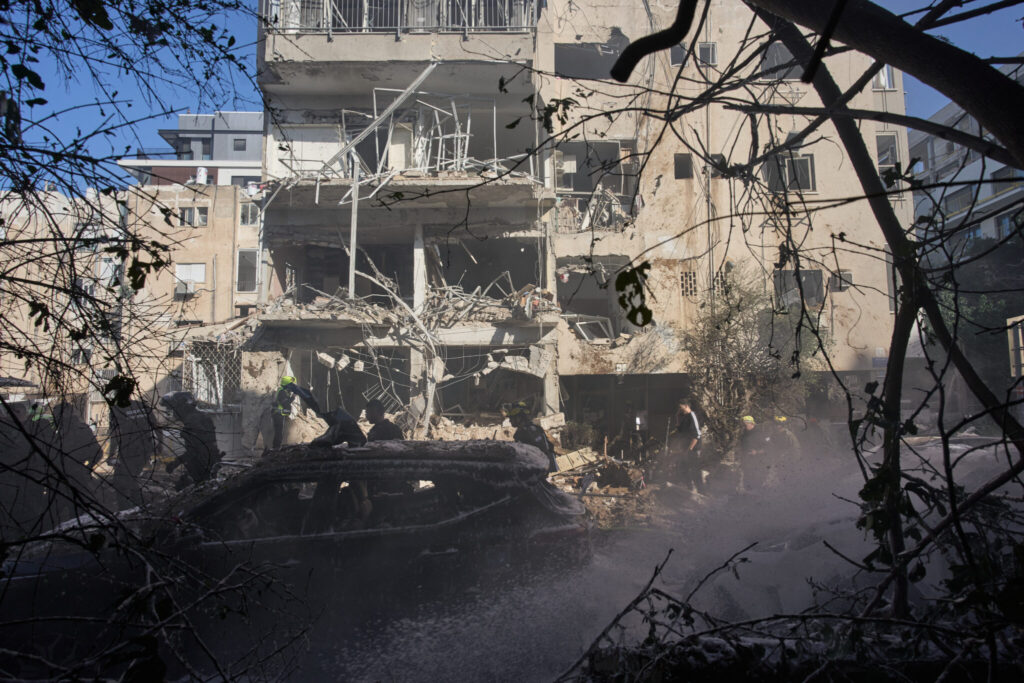
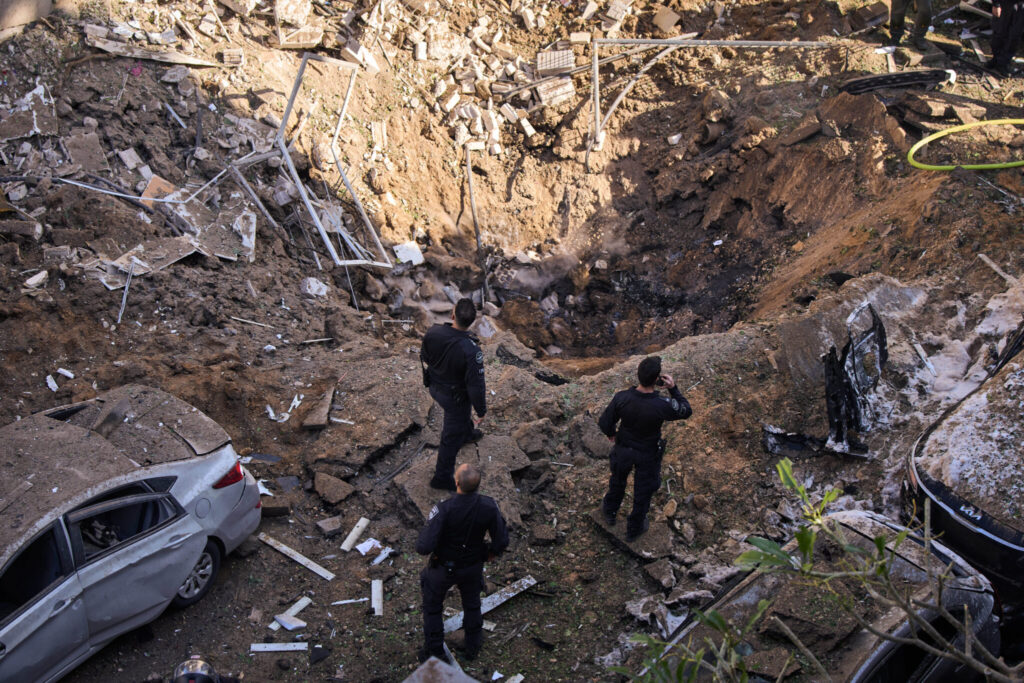
Despite talk of diplomacy, violence intensified Tuesday. Iranian missiles targeted southern Israel, injuring at least three people, including a 40-year-old man in moderate condition and minor injuries to a woman and a two-month-old baby. The strike damaged a mobile home in an area where many Bedouin communities lack adequate bomb shelters.
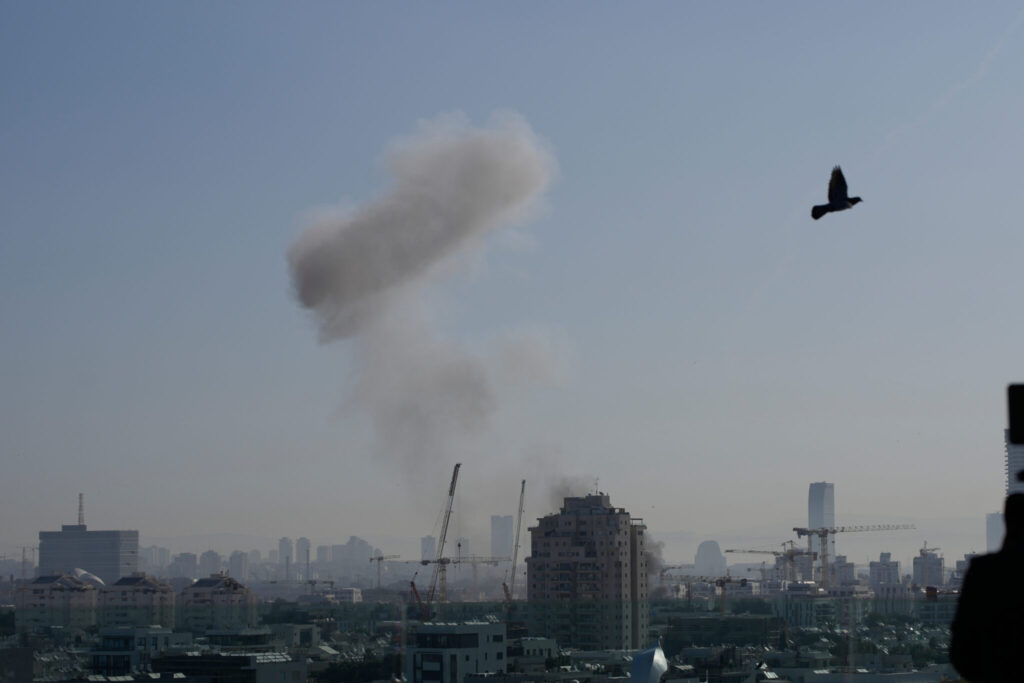
Israeli officials reported multiple waves of missile launches throughout the day, marking the tenth round of Iranian strikes within hours. Sirens also sounded in northern Israel, suggesting additional fire from Lebanon.
Casualties In The Gulf
Iranian attacks also hit Gulf region targets. Authorities in Bahrain said an Emirati soldier was killed while responding to Iranian strikes alongside Bahraini forces. Several Bahraini and Emirati personnel were wounded in the attack.
The continued escalation has raised fears that the conflict could expand further across the Middle East.
India Calls For De-Escalation
India’s Prime Minister Narendra Modi said he discussed the conflict with Trump, calling for immediate de-escalation. Modi emphasized the importance of keeping the Strait of Hormuz “open, secure and accessible,” given its critical role in global energy supplies.
Despite the ongoing conflict, two Indian-flagged gas tankers successfully passed through the strait late Monday, carrying roughly a day’s supply of cooking gas. Officials said the ships traveled along a route approved by Iran, though the circumstances behind the passage remain unclear.
The Strait of Hormuz remains largely restricted, with Iran allowing only limited vessel traffic while blocking access to U.S., Israeli and allied ships.
Philippines Declares Energy Emergency
The widening conflict is already impacting global energy markets. Philippine President Ferdinand Marcos Jr. declared a national energy emergency Tuesday, warning of potential fuel shortages due to disruptions in Middle East supplies.
The declaration allows authorities to monitor fuel distribution, prevent hoarding and prepare for possible evacuations of Filipino workers in the region. More than 2 million Filipinos live and work in the Middle East.
Tech Infrastructure Also Affected
The conflict has also disrupted technology infrastructure. Amazon said drone activity affected its Bahrain data center operations, the second disruption to its Middle East cloud network since the war began.
Several data centers in Bahrain and the United Arab Emirates were previously damaged by Iranian drone strikes earlier in the conflict.
Diplomacy And Conflict Collide
Pakistan’s offer to host negotiations highlights growing international concern that the conflict could expand further. While diplomatic efforts are gaining momentum, continued missile strikes and military activity underscore the uncertainty surrounding any potential ceasefire.
With energy markets, regional security and global trade at stake, the coming days could prove critical in determining whether diplomacy or escalation shapes the next phase of the Iran conflict.