Pentagon To Remove Media Offices After Judge Restores New York Times Access/ Newslooks/ WASHINGTON/ J. Mansour/ Morning Edition/ Pentagon will remove longtime media offices inside the building. Move follows judge’s ruling restoring New York Times credentials. Press groups warn decision restricts transparency and access.
Quick Looks
- Pentagon closing “Correspondents’ Corridor”
- Journalists to move to off-site annex
- Decision follows court ruling favoring New York Times
- Press association calls move violation of ruling
- Trump administration continues press access disputes
Deep Look: Pentagon To Remove Media Offices After Judge Restores New York Times Access
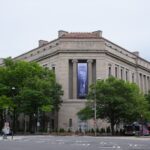
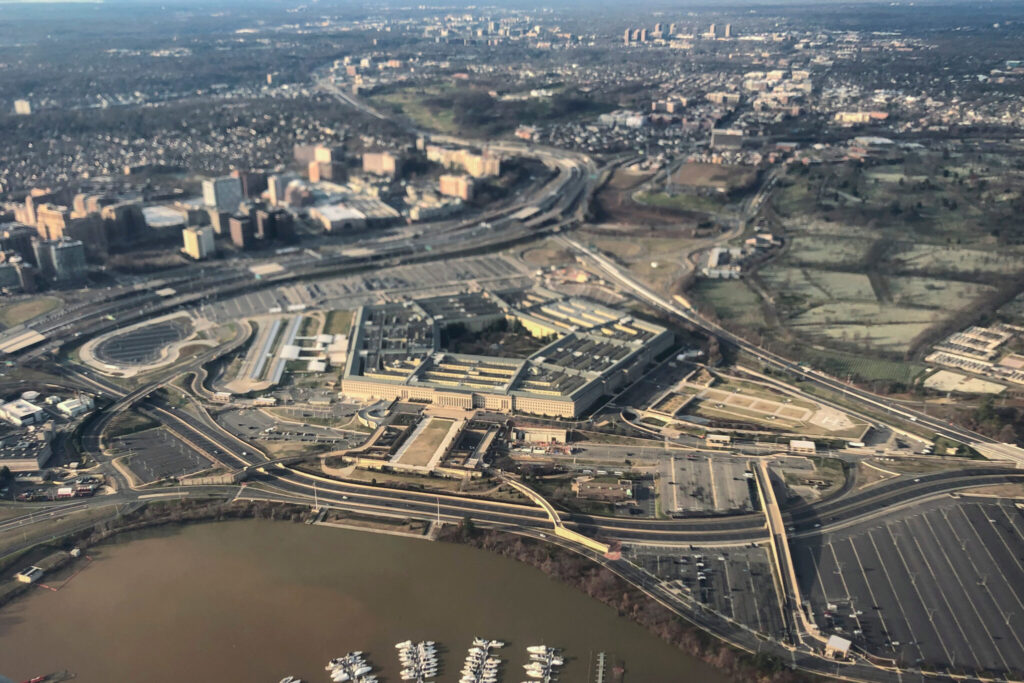
The U.S. Defense Department announced plans to remove media offices from inside the Pentagon following a federal judge’s ruling that restored press credentials for New York Times journalists.
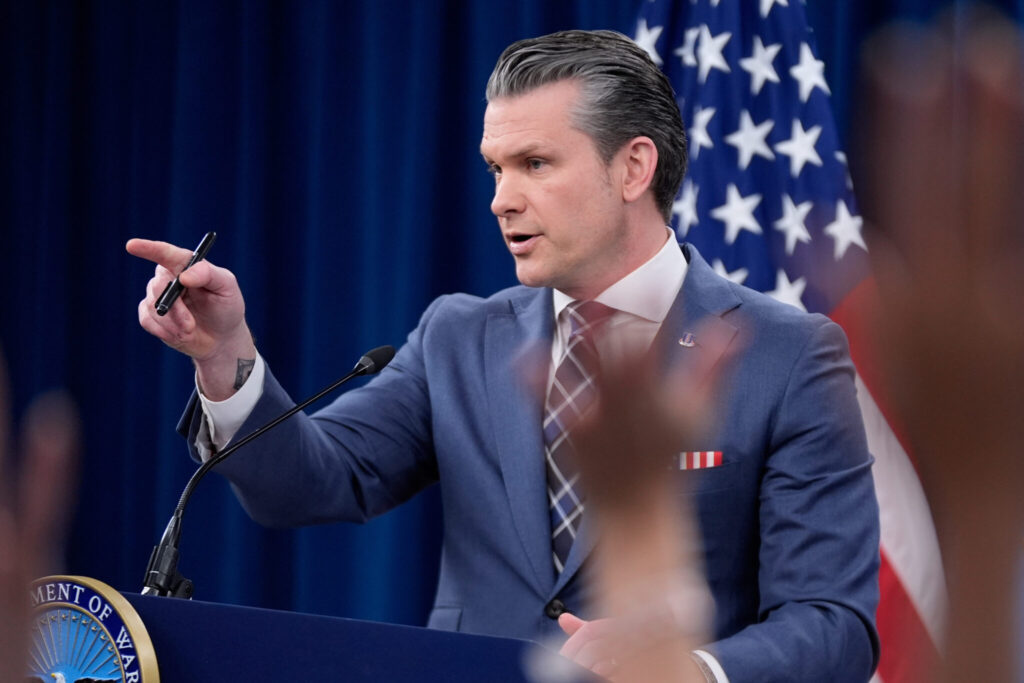
Pentagon spokesperson Sean Parnell said the area known as the “Correspondents’ Corridor,” used by reporters for decades to cover the U.S. military, will close immediately. Journalists will eventually be relocated to an off-site annex outside the Pentagon, though officials did not provide a timeline for when the new space will be ready.
The Pentagon Press Association criticized the move, calling it inconsistent with last week’s court ruling.
“At such a critical time, we ask why the Pentagon is choosing to restrict vital press freedoms that help inform all Americans,” the association said in a statement.
Court Ruling Triggered Policy Shift
The announcement comes after a federal judge ruled in favor of The New York Times in a lawsuit challenging new Pentagon credentialing rules. The newspaper filed the lawsuit in December against the Defense Department and Defense Secretary Pete Hegseth, arguing the new policy violated constitutional protections for free speech and due process.
U.S. District Judge Paul Friedman ruled that the restrictions were unlawful and ordered the Pentagon to restore credentials for seven Times journalists. The judge also struck down parts of the new reporting limitations.
Friedman wrote that the evidence showed the policy appeared designed to remove “disfavored journalists” and replace them with reporters more aligned with government messaging, which he described as illegal viewpoint discrimination.
Pentagon Plans Appeal
Pentagon officials said they disagree with the ruling and plan to appeal. Parnell said the restrictions were implemented due to security concerns, though journalists and press organizations have rejected that explanation.
Under the new policy, reporters will still be able to attend press briefings and interviews at the Pentagon. However, they will be required to enter the building only with escorts arranged through the department’s public affairs office.
Broader Press Access Disputes
The decision marks the latest conflict between the Trump administration and traditional news organizations. The administration has limited access for several legacy media outlets while expanding opportunities for conservative and pro-Trump media organizations.
Some reporters previously walked out of the Pentagon rather than accept the credentialing rules, while others continued reporting without permanent office space.
The Associated Press is also awaiting a ruling in a separate legal challenge involving White House press access. The news organization argues it was penalized after declining to adopt the administration’s preferred name change for the Gulf of Mexico.
Longstanding Press Presence Ends
For decades, the Pentagon press corridor has served as a central hub for reporters covering military operations, defense policy and national security developments. The decision to relocate journalists outside the building marks a significant shift in how the Defense Department interacts with the media.
Press groups warn the move could limit access to officials and reduce transparency at a time of heightened global tensions and military activity.