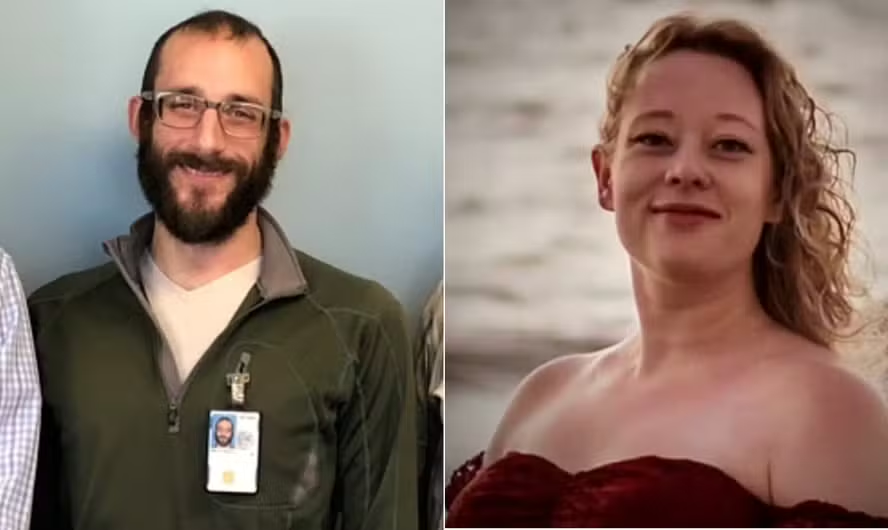
Minnesota Sues Trump Administration Over Federal Fatal Shootings/ Newslooks/ WASHINGTON/ J. Mansour/ Morning Edition/ Minnesota officials sued the Trump administration seeking evidence related to federal officer shootings. The lawsuit focuses on deaths of Renee Good and Alex Pretti and another injury. State leaders argue federal authorities are blocking independent investigations and accountability.
Minnesota Lawsuit Federal Shootings — Quick Looks
- Minnesota files lawsuit against Trump administration
- State seeks evidence in three federal shootings
- Renee Good and Alex Pretti killed during operations
- Third victim Julio Cesar Sosa-Celis wounded
- Federal government accused of blocking investigations
- Operation Metro Surge sparked protests and backlash
- DOJ opened civil rights probe into Pretti case
- Charges dropped against Sosa-Celis after shooting
- Officers placed on administrative leave
- Case may reshape federal-state investigative authority

Deep Look: Minnesota Sues Trump Administration Over Federal Shootings
WASHINGTON — Minnesota officials filed a lawsuit against the Trump administration seeking access to evidence related to three shootings involving federal law enforcement officers, including the deaths of Renee Good and Alex Pretti. The legal action escalates tensions between state leaders and federal authorities following controversial immigration enforcement operations in Minneapolis and St. Paul.
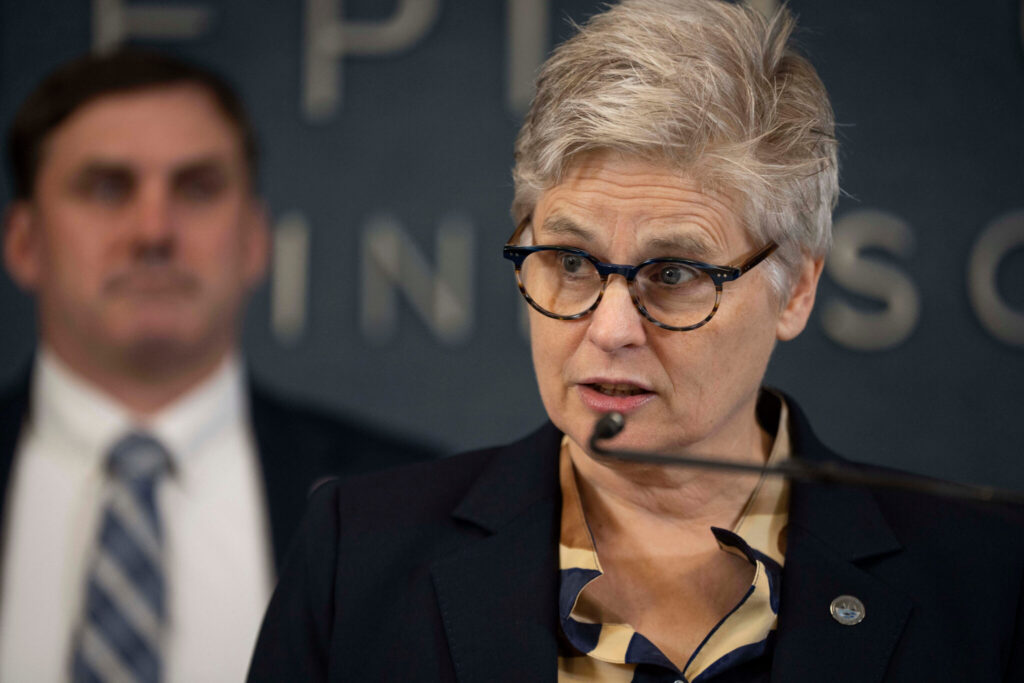
State officials argue that federal authorities promised to cooperate with local investigations but later reversed course, preventing Minnesota investigators from accessing critical evidence. Hennepin County Attorney Mary Moriarty said the state is seeking a court order to compel federal cooperation.
“We are prepared to fight for transparency and accountability that the federal government is desperate to avoid,” Moriarty said during a press briefing.
The lawsuit marks a significant escalation in an ongoing dispute over jurisdiction and accountability following Operation Metro Surge, a major immigration enforcement campaign conducted by federal authorities earlier this year. The operation brought thousands of federal officers to the Minneapolis-St. Paul area as part of President Donald Trump’s broader deportation initiative.
While federal officials described the operation as successful, Minnesota leaders criticized it heavily, raising concerns about officer conduct and use of force.
Three Shootings at Center of Dispute
The lawsuit focuses on three separate incidents:
- Renee Good, killed during a federal law enforcement encounter
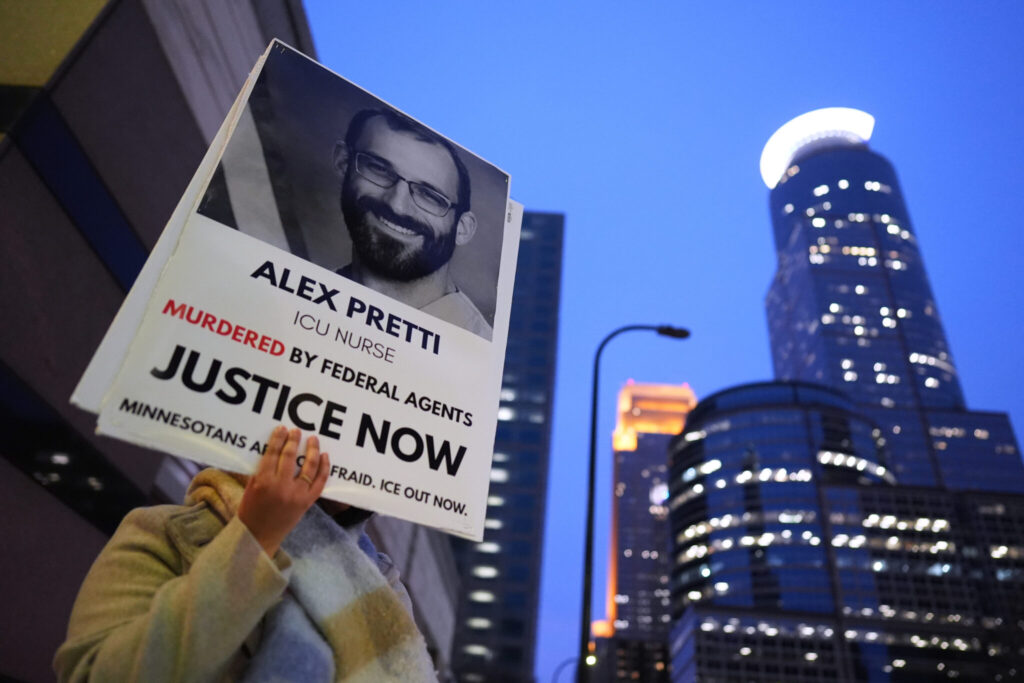
- Alex Pretti, whose death triggered a federal civil rights investigation
- Julio Cesar Sosa-Celis, shot and wounded by a federal agent
Minnesota officials say they need access to investigative materials to conduct independent reviews of the incidents.
The Justice Department announced earlier this year it would open a federal civil rights investigation into Pretti’s death. However, federal officials declined to open a similar probe into Good’s killing, marking a departure from previous administrations that typically investigated law enforcement shootings involving civilians.
Deputy Attorney General Todd Blanche said civil rights investigations require specific circumstances and that not all law enforcement shootings warrant federal review.
Meanwhile, the Department of Homeland Security said Customs and Border Protection is conducting an internal review of the Pretti case. Regarding Good’s death, DHS said preliminary evidence suggests she impeded law enforcement operations and used her vehicle in a manner that led officers to act in self-defense.
Third Case Raises Additional Concerns
The lawsuit also seeks evidence related to the January shooting of Julio Cesar Sosa-Celis, who was shot in the thigh by a federal agent. Federal officials initially accused Sosa-Celis and another individual of assaulting an immigration officer using a broom handle and snow shovel.
However, prosecutors later dropped all charges. Authorities subsequently launched a criminal investigation into whether two immigration officers provided false testimony about the incident.
Both officers involved in the case have since been placed on administrative leave while Immigration and Customs Enforcement and the Justice Department conduct a joint review.
Minnesota officials argue the federal government cannot withhold evidence when a state is investigating potential violations of criminal law involving residents within its jurisdiction.
Legal Battle Over Jurisdiction
Mary Moriarty said federal authorities have adopted a policy of categorically withholding evidence, calling the approach unprecedented and troubling. Minnesota filed the lawsuit after formal requests for investigative materials were denied.
Legal experts say cases where states sue the federal government over law enforcement investigations are rare. Rachel Moran, a law professor at the University of St. Thomas in Minneapolis, noted that local agencies typically do not attempt to investigate federal officers, and federal authorities usually cooperate when such situations arise.
Moran said Minnesota’s argument centers on the state’s responsibility to investigate potential crimes within its borders.
“The state should have a chance at success,” Moran said, noting Minnesota has both a right and obligation to examine possible criminal conduct involving federal officers.
Broader Political Fallout
The shootings have sparked protests and public outcry in Minnesota and contributed to broader national political tensions. The fallout has also influenced congressional debates, including a Homeland Security funding standoff as lawmakers push for limits on federal immigration enforcement operations.
Federal officials maintain that all shootings are reviewed internally and subject to independent evaluation within their agencies. The Department of Homeland Security reiterated its commitment to transparency and accountability.
However, Minnesota officials argue that independent state investigations are essential to maintain public trust.
Potential Nationwide Impact
If the court sides with Minnesota, state and local governments may gain stronger authority to investigate federal officers. Conversely, if the federal government is allowed to withhold evidence, it could reduce cooperation between federal and state law enforcement agencies.
Either outcome could reshape how future investigations involving federal officers are handled nationwide.
As the legal battle unfolds, the case remains closely watched by policymakers, law enforcement agencies, and civil rights advocates across the country.