Suburban Voters Lead Anti-Trump Momentum Ahead of ‘No Kings’ Protests/ Newslooks/ WASHINGTON/ J. Mansour/ Morning Edition/ Suburban voters across the U.S. are increasingly organizing against President Donald Trump. Millions are expected to participate in nationwide “No Kings” protests this weekend. The suburban shift could reshape the 2026 elections and congressional control.
Suburban Anti-Trump Movement Quick Looks
- Suburban voters becoming more politically active
- “No Kings” protests planned nationwide
- Over 3,000 demonstrations scheduled
- More than 9 million expected participants
- Activism rising in affluent suburban communities
- Special election in New Jersey draws attention
- Progressive candidates gaining suburban support
- Republicans face headwinds in suburban districts
- Trump policies fueling suburban political shift
- 2026 elections could reshape congressional control
Deep Look: Suburban Voters Lead Anti-Trump Momentum Ahead of ‘No Kings’ Protests
Suburban communities across the United States are emerging as a powerful force in the growing resistance to President Donald Trump, with millions expected to participate in nationwide “No Kings” protests this weekend. Once viewed as politically moderate or conservative strongholds, many suburbs are now becoming hubs of progressive activism and political mobilization.
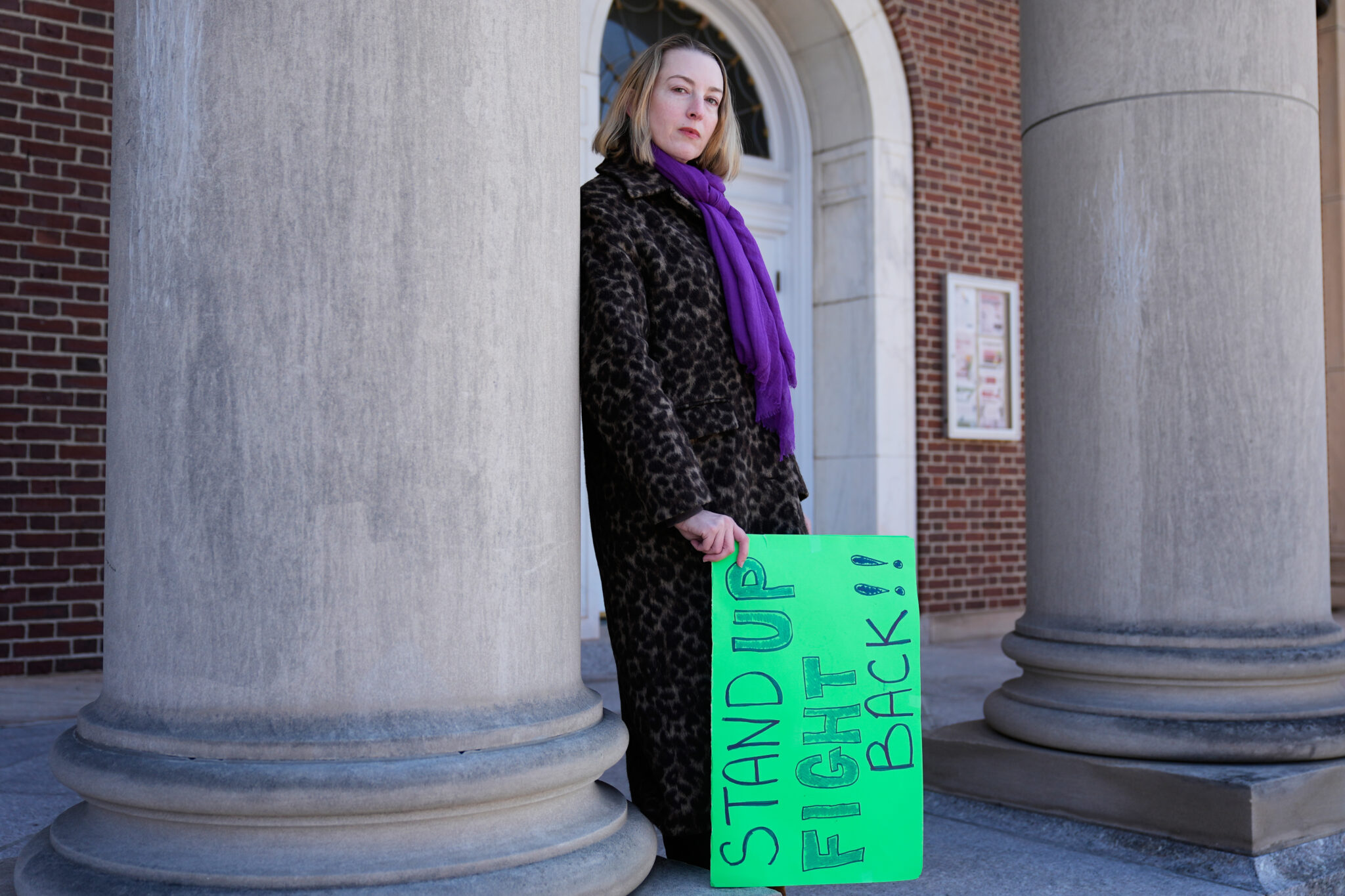
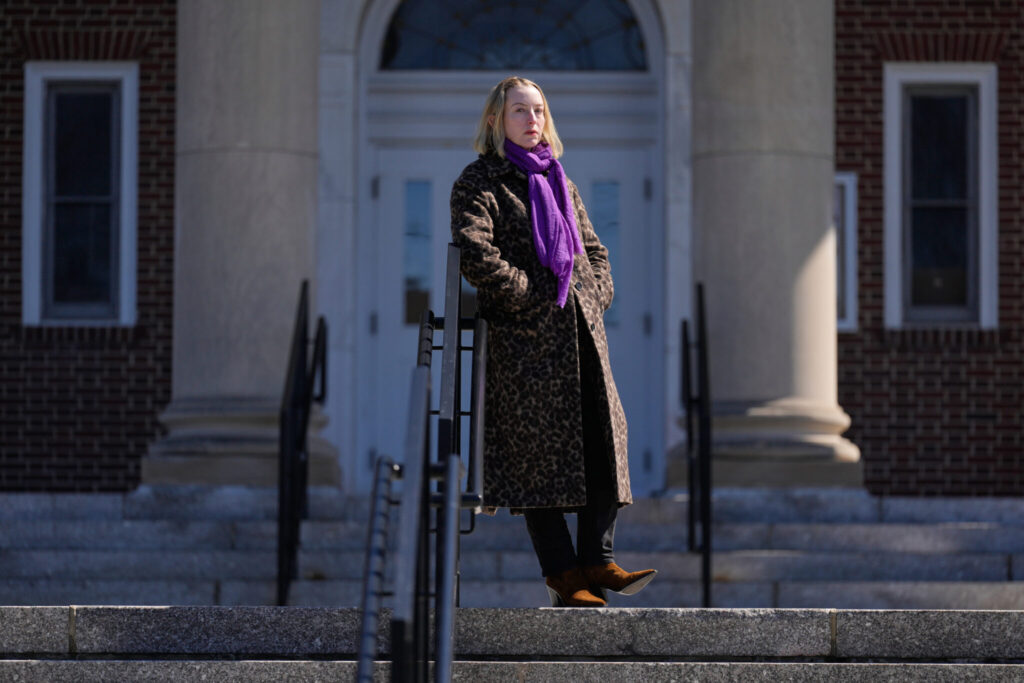
In Montclair, New Jersey, Allison Posner exemplifies this transformation. The 42-year-old mother of two says she was barely involved in politics just a few years ago. Today, she distributes food and diapers to immigrant families outside detention centers, waves protest signs between school pickups, and is organizing a local “No Kings” demonstration alongside her family.
“The people in the suburbs are definitely radicalizing,” said Posner, a freelance actor from nearby Maplewood.
Her experience reflects a broader shift taking place in suburban communities nationwide. Residents once focused primarily on schools, neighborhoods, and local issues are increasingly engaging in national politics. Many now view Trump’s leadership as a direct threat to democratic institutions, prompting them to organize protests, support candidates, and advocate for policy changes.
Nationwide Protests Expected
The activist organization Indivisible, which is organizing the latest round of “No Kings” demonstrations, says roughly two-thirds of the more than 3,000 planned protests will occur outside major cities. Organizers estimate that more than 9 million people could participate — potentially making it one of the largest protest movements in U.S. history.
“We’re going to be everywhere,” said Indivisible co-founder Ezra Levin.
High levels of participation are expected in suburban areas with competitive congressional races, including Scottsdale, Arizona; Langhorne, Pennsylvania; East Cobb, Georgia; and New Jersey’s 11th Congressional District, where a special election is scheduled for April 16.
New Jersey Race Highlights Suburban Shift
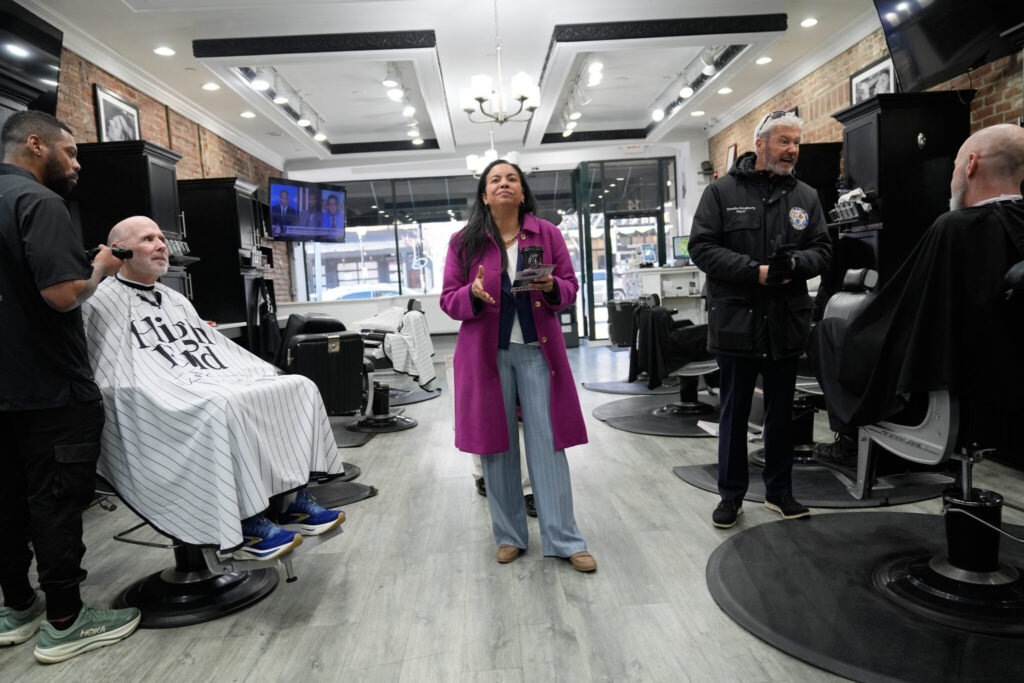
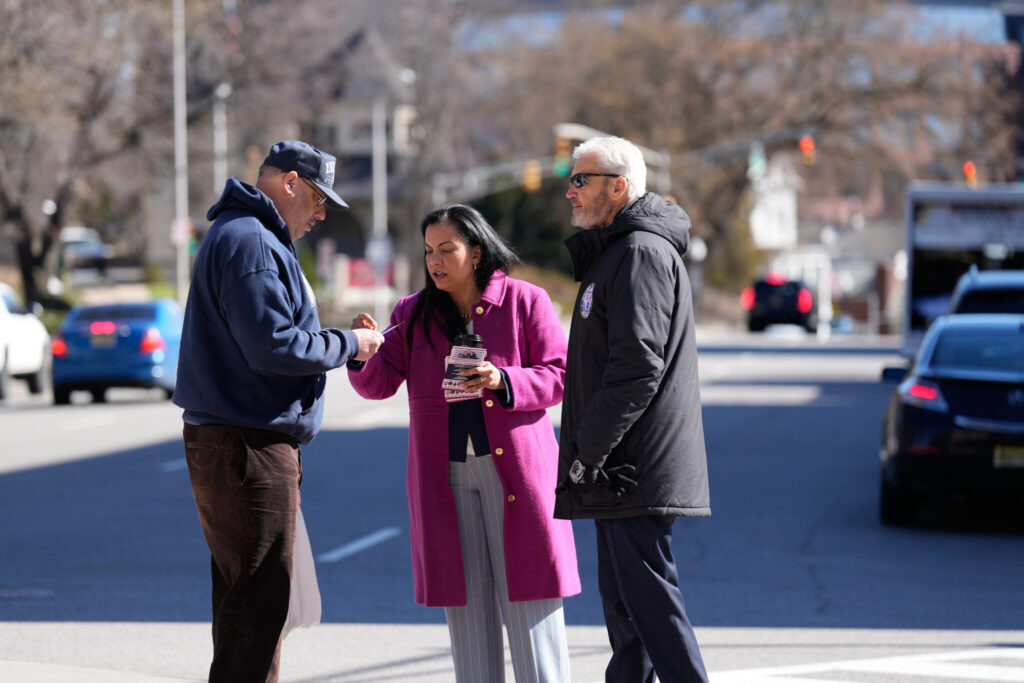
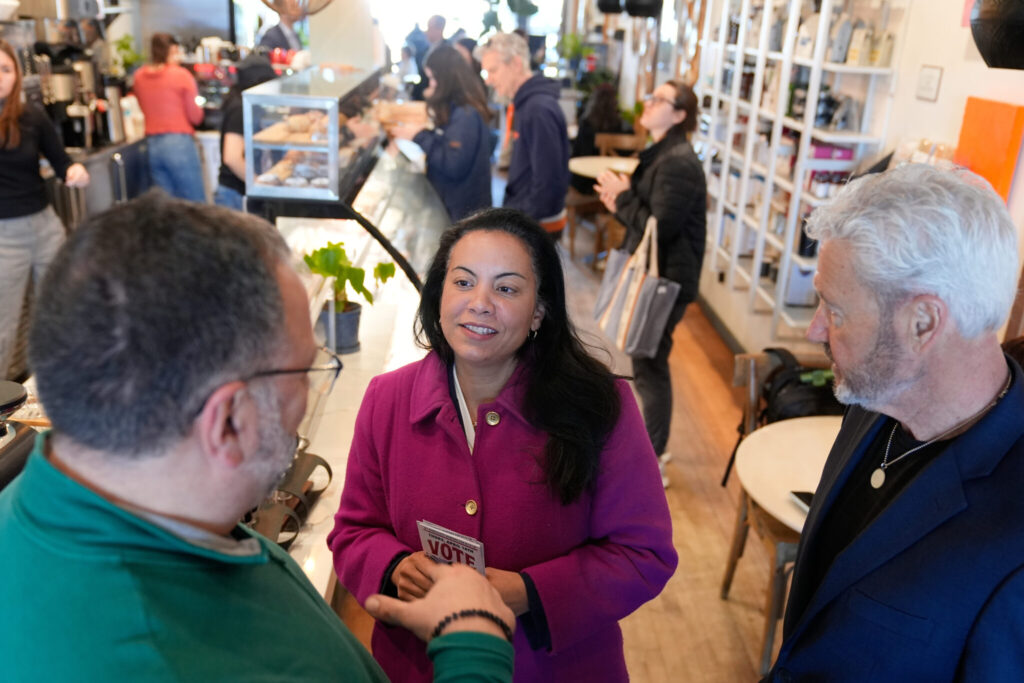
In northern New Jersey, Democratic voters recently selected Analilia Mejia as their candidate in the upcoming special election. Mejia, a progressive activist and former political director for Sen. Bernie Sanders, replaces Mikie Sherrill, who was recently elected governor of New Jersey.
Posner said she supports Mejia’s candidacy and believes suburban voters increasingly want leaders willing to aggressively challenge Trump.
“I’m seeing people from the PTA or the neighborhood who would have never joined a protest in the past,” Posner said. “This is not some other people’s fight. This is our fight.”
Mejia has embraced progressive positions, including Medicare for All, abolishing Immigration and Customs Enforcement, and strong criticism of Israel’s war in Gaza. She has also voiced concerns about what she describes as authoritarian tendencies within the Trump administration.
“A ZIP code does not protect anyone from rising violent authoritarianism,” Mejia said.
Despite criticism from Republicans who argue she is too progressive for suburban voters, Mejia says her message resonates with families experiencing economic pressures and political uncertainty.
Republican Strategy In Suburban Districts
Republicans hope that progressive candidates like Mejia may alienate moderate suburban voters. Joe Hathaway, the Republican candidate in New Jersey’s 11th District, is attempting to frame Mejia as too far left for the district.
However, Hathaway faces challenges as suburban voters increasingly distance themselves from Trump’s leadership. While supporting many of Trump’s policies, Hathaway has also emphasized independence from the White House.
“This job is representing the district,” Hathaway said. “NJ-11 comes first, before a president, before your party.”
Hathaway also acknowledged concerns about executive power, saying Congress should assert its authority more forcefully.
“Congress needs to reassert that it is the first branch of government,” he said.
Long-Term Suburban Political Shift
The suburban shift away from Republicans began years ago but accelerated during Trump’s presidency. College-educated voters, in particular, moved toward Democrats during the 2018 midterm elections and subsequent presidential races.
Data from AP VoteCast showed Democrat Joe Biden winning 54% of suburban voters in 2020, compared with Trump’s 44%. Demographic changes, including increasing diversity and higher education levels, have also contributed to the trend.
Jeff Naiman, a radiologist in Summit, New Jersey, says the political transformation in his community has been dramatic.
“It’s like our hair is on fire,” Naiman said. “Our country’s being torn apart.”
Naiman believes suburban communities will remain aligned with Democrats as long as Trump remains a dominant political figure.
“I don’t think that Summit is going to be swinging toward Republicans anytime soon,” he said.
2026 Elections Could Be Shaped By Suburbs
Political analysts say suburban turnout and activism could play a decisive role in determining control of Congress in 2026. If suburban voters continue shifting left, Democrats could gain seats and limit Trump’s agenda during his final years in office.
At the same time, the growing activism may also reshape the Democratic Party itself, elevating more progressive candidates and policies.
For Posner and others preparing for weekend protests, the stakes feel personal.
“This is our fight,” she said.
With millions preparing to march across suburban streets nationwide, the political power of America’s suburbs appears poised to influence the next chapter of U.S. politics.