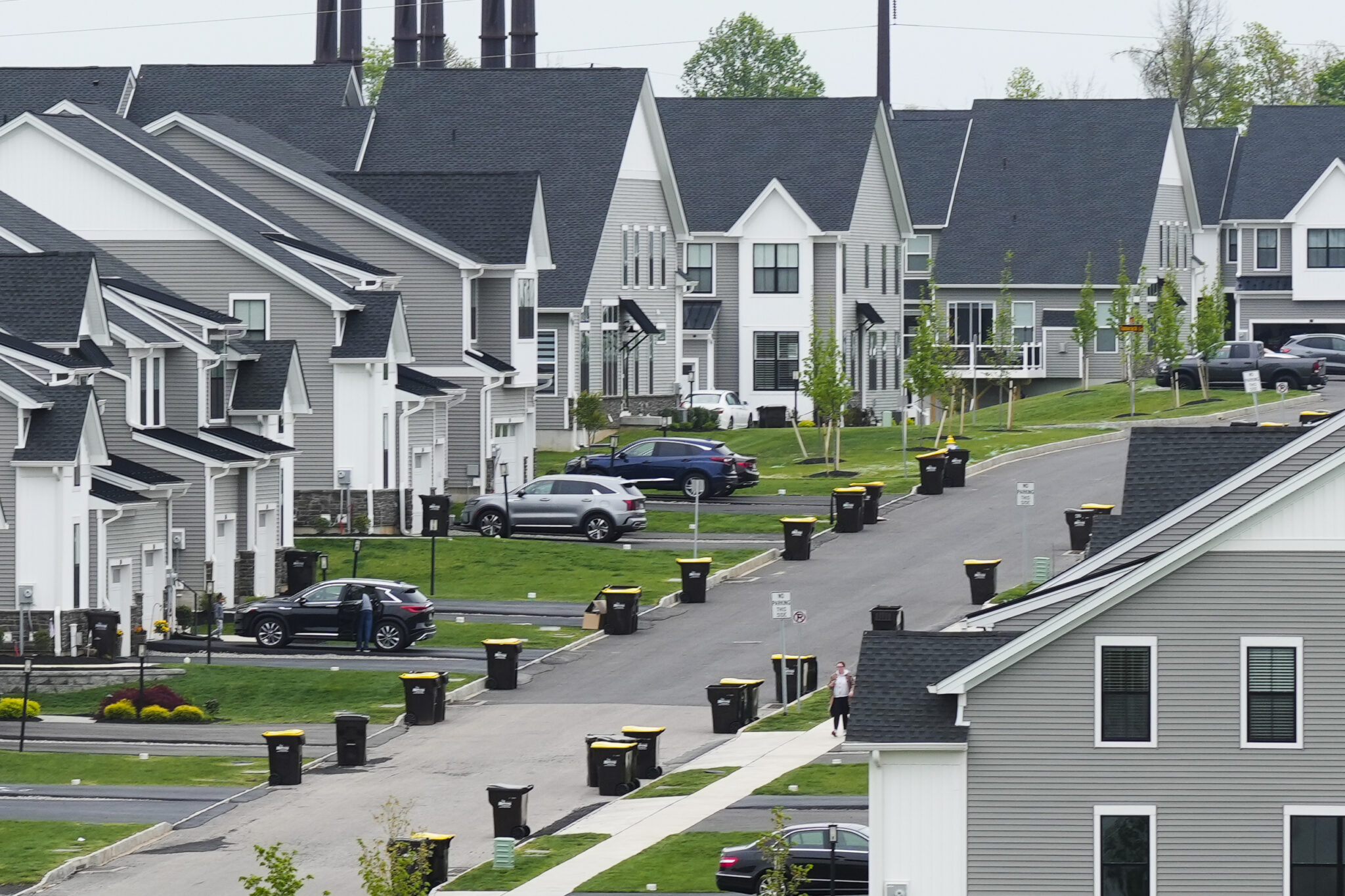
US Mortgage Rates Jump to 6.38%, Highest in Six Months/ Newslooks/ WASHINGTON/ J. Mansour/ Morning Edition/ U.S. mortgage rates surged to 6.38%, the highest level in six months. Rising oil prices and inflation concerns are pushing borrowing costs higher. Higher mortgage rates are slowing homebuyer demand during spring season.
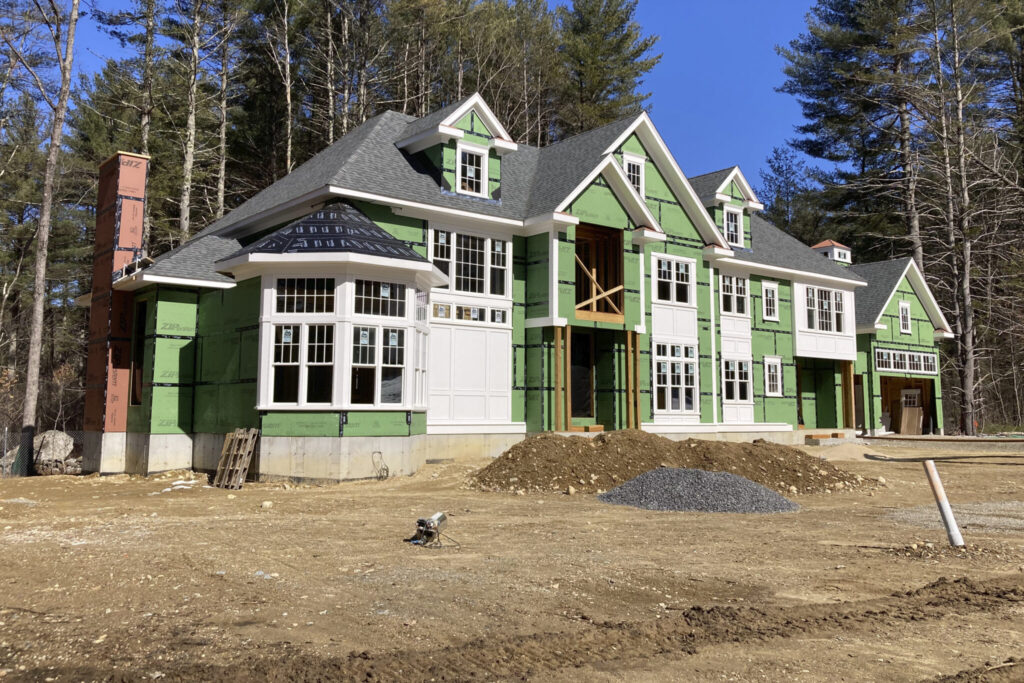
US Mortgage Rates Surge Quick Looks
- 30-year mortgage rate rises to 6.38%
- Highest level in more than six months
- 15-year mortgage rate climbs to 5.75%
- Rising oil prices fueling inflation fears
- 10-year Treasury yield increases to 4.39%
- Federal Reserve holds interest rates steady
- Housing affordability remains challenging
- Mortgage applications drop 10.5%
- Spring homebuying season faces pressure
- Buyers delaying home purchases
Deep Look: US Mortgage Rates Jump to 6.38%, Highest in Six Months
Long-term mortgage rates in the United States surged this week, reaching their highest level in more than six months and adding new pressure on homebuyers during the critical spring homebuying season.
According to Freddie Mac, the average rate for a 30-year fixed mortgage climbed to 6.38%, up from 6.22% the previous week. Although still slightly below last year’s level of 6.65%, the latest increase raises borrowing costs for millions of prospective buyers and could slow housing activity.
The rise marks the highest mortgage rate since late 2023, when rates reached around 6.5%. Even small increases in mortgage rates can significantly impact monthly payments, reducing how much buyers can afford and limiting demand in an already constrained housing market.
Rising Oil Prices Fuel Inflation Concerns
The latest jump in mortgage rates comes as inflation concerns intensify, partly driven by rising oil prices linked to geopolitical tensions, including the ongoing war involving Iran. Oil prices have surged in recent weeks, increasing fears that inflation could remain elevated.
Mortgage rates typically rise when inflation expectations increase because lenders demand higher returns to offset the declining purchasing power of money over time.
Just four weeks ago, mortgage rates dipped below 6% for the first time since late 2022, briefly offering relief to homebuyers. However, the recent spike reversed that trend, signaling continued volatility in borrowing costs.
15-Year Mortgage Rates Also Increase
Shorter-term mortgage rates also climbed this week. The average rate for 15-year fixed mortgages rose to 5.75%, up from 5.54% the previous week. These loans are often favored by homeowners seeking to refinance or pay off mortgages more quickly.
A year ago, the 15-year rate stood slightly higher at 5.89%, indicating that while rates remain below last year’s levels, affordability challenges persist.
Treasury Yields Drive Mortgage Rates Higher
Mortgage rates tend to follow movements in the 10-year Treasury yield, which lenders use as a benchmark for pricing home loans. As Treasury yields increase, mortgage rates usually follow.
As of midday Thursday, the 10-year Treasury yield rose to 4.39%, compared with approximately 4.26% a week earlier. The increase reflects investor concerns about inflation and economic uncertainty.
Higher Treasury yields translate directly into higher borrowing costs for consumers, affecting not only mortgages but also auto loans and other forms of credit.
Federal Reserve Holds Interest Rates Steady
The Federal Reserve recently decided to leave its benchmark interest rate unchanged, citing ongoing inflation risks and economic uncertainty. Federal Reserve Chair Jerome Powell noted that geopolitical tensions and rising energy prices could keep inflation elevated.
The Fed’s decision suggests that interest rates — and mortgage rates — may remain elevated for longer than previously expected.
Higher interest rates typically slow housing demand, as buyers face higher monthly payments and stricter affordability constraints.
Housing Market Still Facing Challenges
The U.S. housing market has struggled since 2022, when mortgage rates climbed sharply from historically low pandemic-era levels. Existing home sales fell to a 30-year low last year and have continued to weaken in early 2026.
While home price growth has slowed in many areas, affordability remains a major barrier for buyers. Wage growth has not kept pace with rising home prices and borrowing costs.
The latest increase in mortgage rates comes at a particularly sensitive time, as the spring homebuying season traditionally sees the highest demand of the year.
Mortgage Applications Decline
Higher borrowing costs are already affecting buyer activity. According to the Mortgage Bankers Association, mortgage applications fell 10.5% last week compared with the previous week.
The decline included both purchase and refinancing applications, signaling that higher rates are discouraging buyers and homeowners alike.
Mortgage Bankers Association CEO Bob Broeksmit said affordability challenges and economic uncertainty are prompting many buyers to delay purchasing decisions.
“Higher borrowing costs, affordability pressures, and economic uncertainty are likely prompting some prospective buyers to delay purchase decisions,” Broeksmit said.
Outlook for Homebuyers
Despite the recent increase, mortgage rates remain below last year’s levels. However, continued volatility and rising borrowing costs could slow housing activity in the coming months.
Potential homebuyers may continue to face difficult decisions as they weigh rising mortgage payments against limited housing supply and elevated home prices.
With inflation concerns, geopolitical uncertainty, and Federal Reserve policy all influencing rates, mortgage costs are likely to remain a key factor shaping the housing market through the rest of 2026.