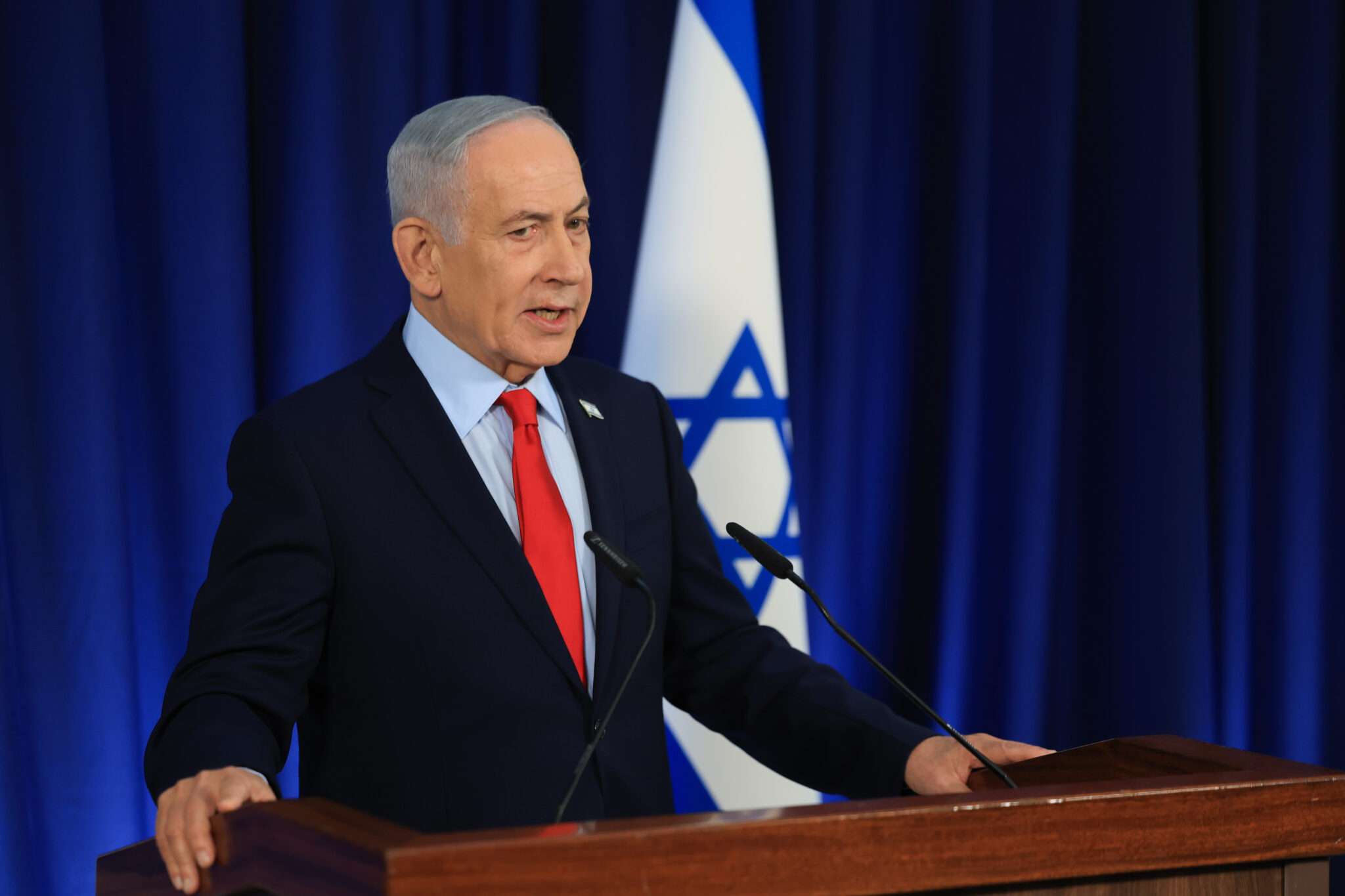
Israel Warns Iran Attacks Will Escalate as Trump Ceasefire Talks Continue/ Newslooks/ WASHINGTON/ J. Mansour/ Morning Edition/ Israel warned its attacks on Iran will escalate despite ceasefire discussions. Trump said negotiations are progressing while Iran rejects U.S. proposals. Rising oil prices and widening conflict are increasing global concerns.
Israel Iran War Escalation + Quick Looks
- Israel threatens expanded attacks on Iran
- Trump claims ceasefire talks progressing
- Iran rejects U.S. 15-point proposal
- Strait of Hormuz remains partially blocked
- Gulf nations targeted by missiles and drones
- Oil prices surge above $100 per barrel
- U.S. deploys additional troops to region
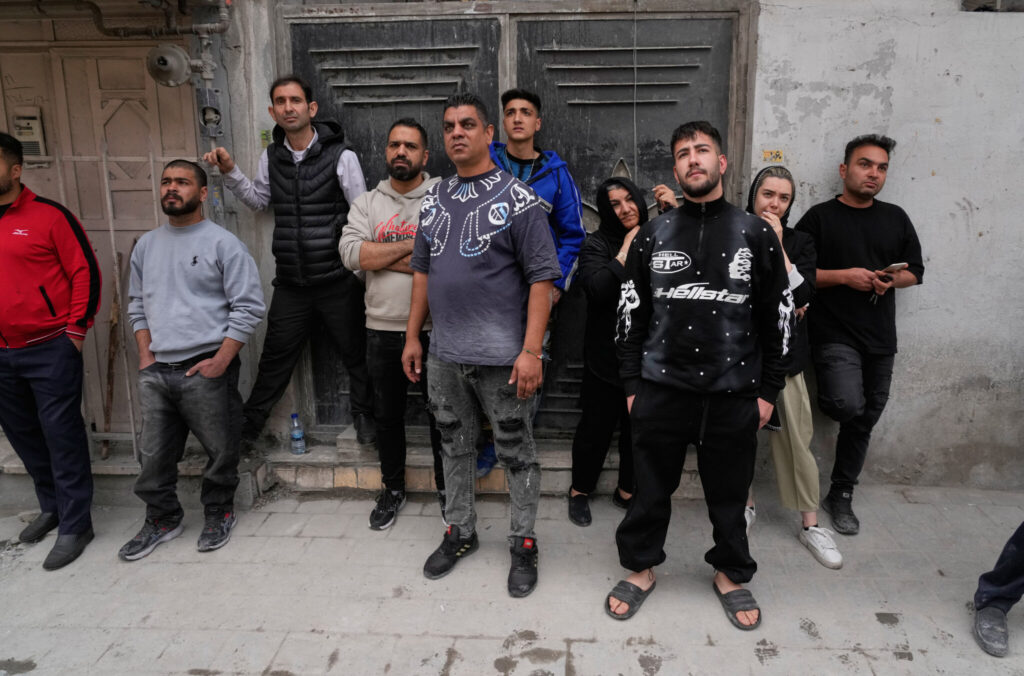
- Civilian casualties rise across Middle East
Deep Look: Israel Warns Attacks on Iran Will Escalate
DUBAI, United Arab Emirates — Israel warned Friday that its military operations against Iran will “escalate and expand,” even as President Donald Trump said diplomatic talks aimed at ending the conflict were progressing and gave Tehran more time to reopen the Strait of Hormuz. Iran, however, showed no signs of backing down as the war entered another volatile phase.
With global markets shaken and oil prices surging, Trump is facing mounting pressure to end Iran’s grip on the strategic Strait of Hormuz, through which roughly one-fifth of the world’s oil normally passes. The disruption has raised fears of a prolonged global energy crisis.
Trump has warned that if Iran does not reopen the waterway by April 6, the United States could target Iranian energy infrastructure. Despite that threat, Trump said Thursday that talks aimed at ending the conflict were going “very well,” although Iranian officials continue to deny any direct negotiations.
Israel Expands Military Campaign
Air raid sirens sounded across Israel as Iranian missile attacks continued. Israeli forces said they intercepted incoming missiles and drones targeting the country.
Israeli Defense Minister Israel Katz warned Iran would face growing consequences.
“Despite the warnings, the firing continues,” Katz said. “And therefore attacks in Iran will escalate and expand to additional targets and areas that assist the regime in building and operating weapons against Israeli citizens.”
Israel’s military reported strikes on weapons production sites in central Tehran, along with missile launchers and storage facilities in western Iran. The attacks marked some of the most direct strikes on Iran’s military infrastructure since the conflict began.
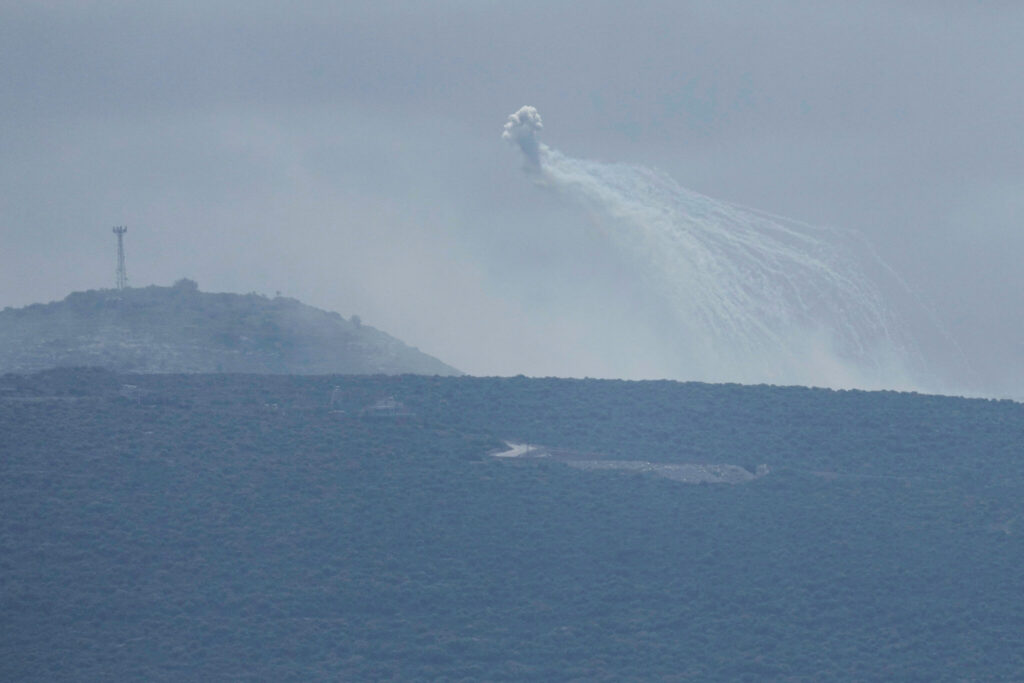
In Lebanon, smoke rose over Beirut after a pre-dawn strike. Lebanon’s Health Ministry later reported two people killed in the attack, highlighting the conflict’s expanding regional footprint.
Iran Expands Regional Attacks
Iran and its allies launched missiles and drones targeting Gulf Arab states, widening the conflict further.
Saudi Arabia’s Defense Ministry said it intercepted missiles and drones aimed at the capital, Riyadh. Kuwait reported damage at Shuwaikh Port in Kuwait City and Mubarak Al Kabeer Port, a major infrastructure project linked to China’s Belt and Road Initiative.
The strike marked one of the first times a Chinese-affiliated project in the Gulf region was damaged during the conflict. China has continued purchasing Iranian crude despite the fighting.
Financial markets reacted negatively to the escalation. U.S. stocks fell Friday morning, heading toward a fifth consecutive week of losses. The S&P 500 dropped 0.4% early in trading, while the Dow Jones Industrial Average and Nasdaq composite also declined.
Oil prices surged again, with Brent crude rising to about $107 per barrel — more than 45% higher than before the war began on Feb. 28.
Asian markets also declined as investors expressed skepticism about diplomatic progress.
Diplomatic Efforts Continue
Despite the escalating violence, diplomatic efforts continued. Trump envoy Steve Witkoff said the United States delivered a 15-point proposal to Iran through Pakistani intermediaries. The plan called for reopening the Strait of Hormuz and limiting Iran’s nuclear program.
Iran rejected the proposal and countered with its own five-point plan, including demands for reparations and recognition of its sovereignty over the waterway.
Diplomatic efforts intensified, with Egypt coordinating talks involving Turkey and Pakistan to arrange possible direct negotiations between U.S. and Iranian officials.
Egypt’s Foreign Ministry said discussions were part of “intensive efforts” aimed at achieving gradual de-escalation and eventually ending the conflict.
U.S. Deploys Additional Forces
Even as diplomatic efforts continued, the United States moved additional forces into the region. U.S. naval ships carrying approximately 2,500 Marines moved closer to the Middle East.
Additionally, at least 1,000 paratroopers from the Army’s 82nd Airborne Division — trained for rapid deployment in hostile environments — were ordered to the region.
The troop buildup suggests the United States is preparing for possible escalation or contingency operations to secure the Strait of Hormuz.
The United Nations Security Council scheduled a closed consultation on the conflict at Russia’s request. The meeting highlights growing international concern over the war’s expansion.
Humanitarian Impact Worsens
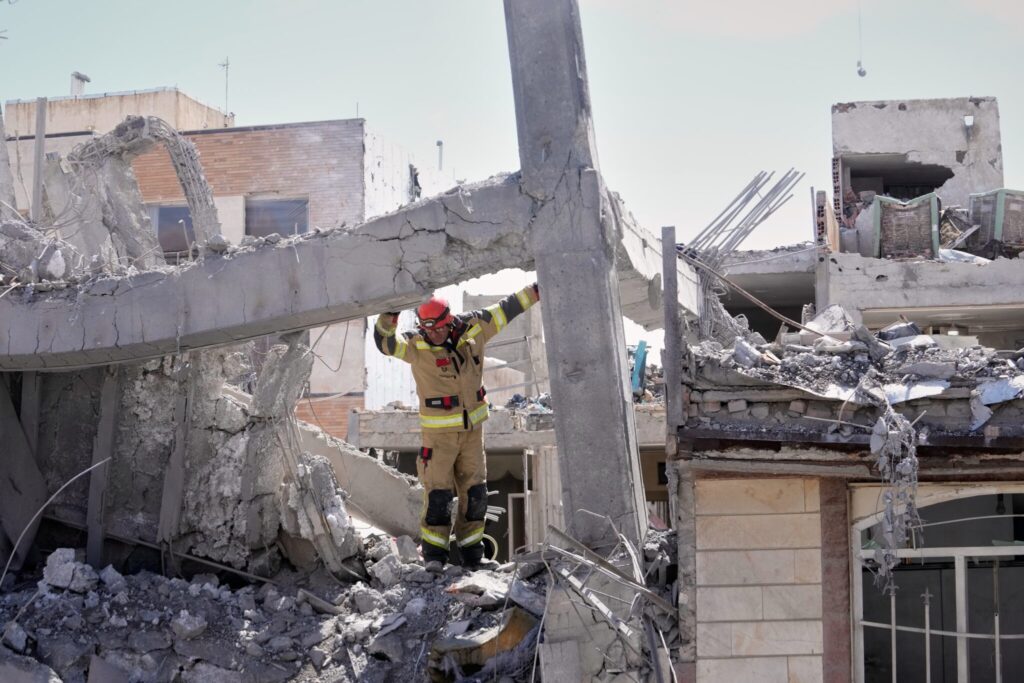
Aid organizations reported widespread damage across Iran. The Norwegian Refugee Council said homes, hospitals, and schools had been damaged in nearly every neighborhood in Tehran.
The International Organization for Migration reported damage to 82,000 civilian buildings, affecting housing for roughly 180,000 people.
Humanitarian officials warned that continued fighting could lead to a major refugee crisis across the Middle East.
“Civilians are paying the highest price for this war — it must end,” said Jan Egeland of the Norwegian Refugee Council.
Casualties Rise Across Region
The death toll has continued to climb across multiple countries. Authorities reported 18 deaths in Israel and more than 1,900 in Iran. Lebanon has recorded over 1,100 deaths.
At least 13 American troops have also been killed, along with additional casualties in Iraq, the West Bank, and Gulf Arab states.
Israel also deployed the 162nd Division into southern Lebanon to counter Hezbollah and protect northern Israeli communities, signaling potential further expansion of ground operations.
With diplomatic efforts continuing and military operations intensifying, the Iran conflict remains highly volatile, raising concerns about global economic disruption and regional instability.