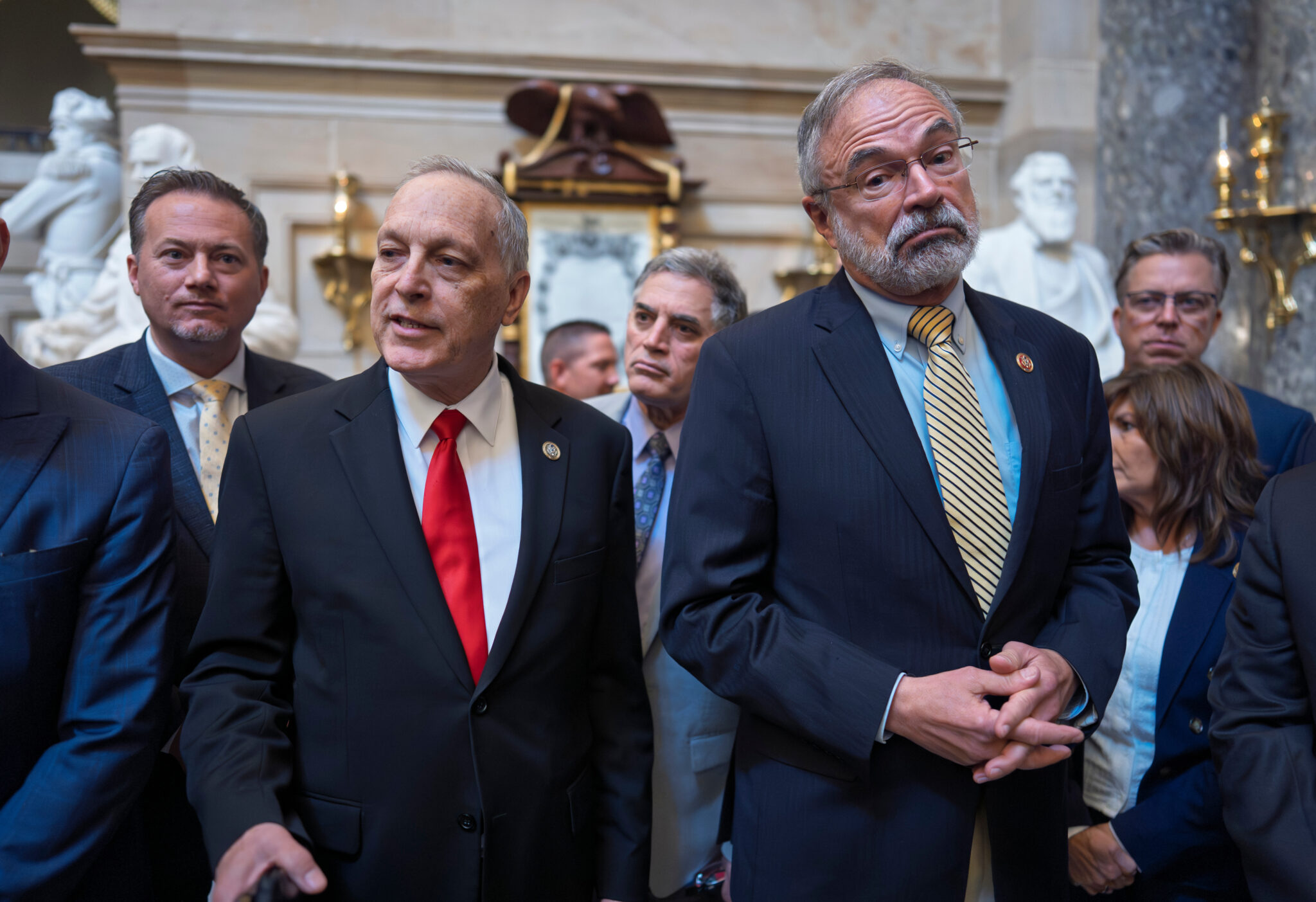
House Weighs Homeland Security Funding Without Immigration Enforcement/ Newslooks/ WASHINGTON/ J. Mansour/ Morning Edition/ The House is considering a Senate-passed bill funding most Homeland Security operations. The package excludes immigration enforcement agencies like ICE and Border Patrol. The move comes amid airport disruptions and political clashes over deportation policies.
Homeland Security Funding Bill + Quick Looks
- Senate passes DHS funding bill unanimously
- House considers measure to end funding stalemate
- ICE and Border Patrol excluded from funding
- TSA, FEMA and Coast Guard included
- Airport delays worsen during funding impasse
- Trump orders temporary pay for TSA workers
- Democrats push limits on immigration enforcement
- Republicans vow to restore ICE funding later
Deep Look: House Considers Funding Homeland Security Without ICE
WASHINGTON — The House is weighing its next move after the Senate approved legislation to fund most of the Department of Homeland Security, a step aimed at ending a weeks-long budget impasse that has disrupted air travel and strained federal workers nationwide.
The Senate unanimously passed the measure early Friday without a roll call vote, sending the legislation to the House for consideration. Lawmakers in the lower chamber could take up the bill as soon as Friday, though House Speaker Mike Johnson said he planned to meet with Republican members first to determine how to proceed.
Republicans have expressed frustration that the legislation does not fund the entire Department of Homeland Security, particularly immigration enforcement agencies central to President Donald Trump’s domestic agenda.
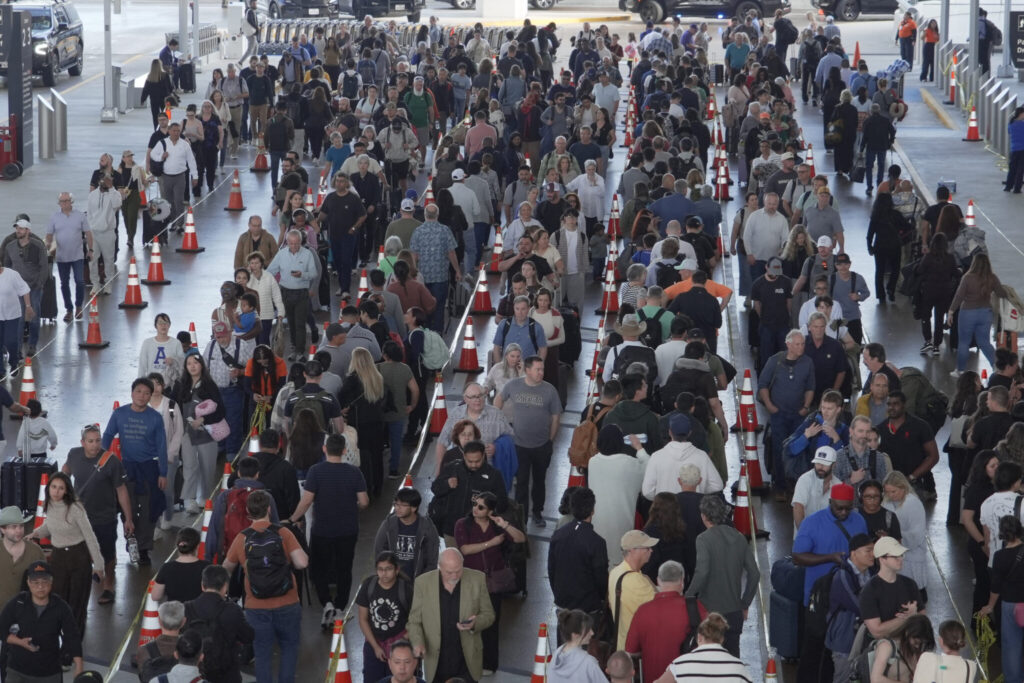
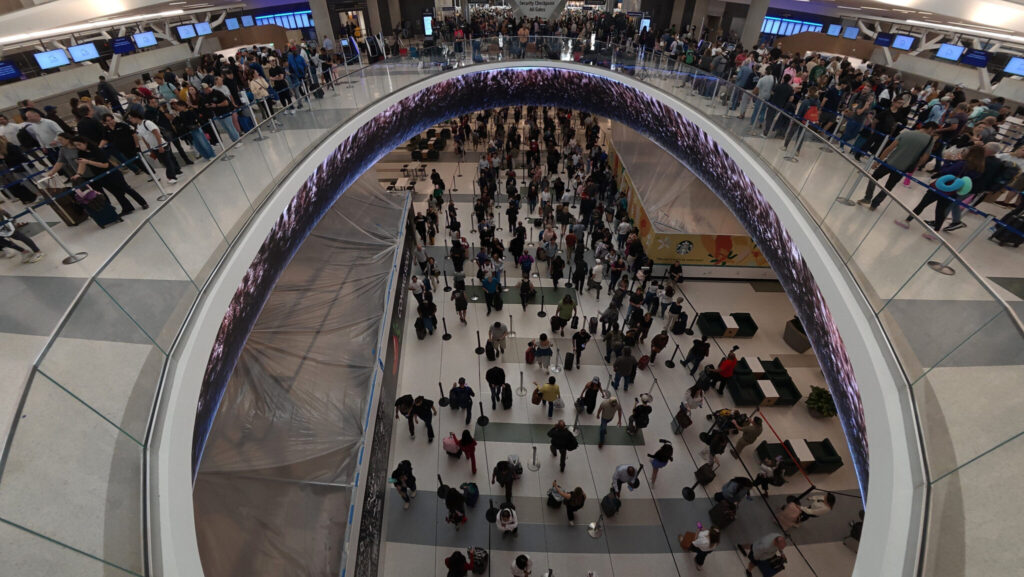
The legislation follows mounting pressure to resolve a 42-day funding stalemate that has led to airport delays, travel disruptions, and financial hardship for thousands of federal workers. The impasse intensified as Transportation Security Administration workers faced the possibility of missing another paycheck.
Trump responded Thursday by announcing he would sign an order directing immediate payment for TSA agents, citing the need to stop what he described as “Chaos at the Airports.”
Senate Majority Leader John Thune, R-S.D., said the bill would reopen much of the government while leaving remaining issues for future negotiations.
“We can get at least a lot of the government opened up again, and then we’ll go from there,” Thune said.
Senate Democratic Leader Chuck Schumer said Democrats would continue pressing for restrictions on immigration enforcement, criticizing what he called Trump’s “rogue” deportation operations.
What the Bill Funds — and What It Doesn’t
The funding package includes key Homeland Security agencies such as the Federal Emergency Management Agency, the Coast Guard, and the Transportation Security Administration. However, it excludes funding for Immigration and Customs Enforcement and the Border Patrol.
Democrats successfully blocked additional funding for those agencies but did not secure new restrictions on immigration enforcement practices.
Despite the shutdown, immigration enforcement operations have continued largely uninterrupted. Last year’s tax legislation signed by Trump included billions in additional funding for DHS, including $75 billion for ICE operations.
Conservative Republicans criticized the bill, arguing immigration enforcement should be fully funded.
“We will fully fund ICE. That is what this fight is about,” said Sen. Eric Schmitt, R-Mo. “The border is closing. The next task is deportation.”
Negotiations Break Down
Talks between Democrats and Republicans repeatedly stalled during negotiations. Democrats pushed for new guardrails on immigration enforcement following controversial immigration sweeps and protests, including deadly incidents in Minneapolis.
Democrats proposed requiring federal agents to wear identification, remove face coverings, and avoid enforcement actions near schools, churches, and other sensitive locations. They also called for requiring judicial approval before searches of private homes.
Homeland Security Secretary Markwayne Mullin has indicated openness to some changes, but lawmakers sought formal commitments.
Trump largely left negotiations to Congress but warned he could take additional action, including deploying National Guard troops to assist airports. ICE agents have already been deployed to check traveler identification, raising concerns among critics.
The White House also considered declaring a national emergency to pay TSA workers but instead opted to use funds from Trump’s 2025 tax bill, according to a senior administration official.
If Congress passes the Senate funding bill, Trump’s temporary payment order may become unnecessary.
Airport Disruptions Continue
The funding stalemate has already created major travel disruptions. Some airports reported TSA callout rates exceeding 40%, while nearly 500 TSA officers resigned during the shutdown.
Nationwide, more than 11% of scheduled TSA workers missed shifts Wednesday, totaling more than 3,120 callouts.
Everett Kelley, president of the American Federation of Government Employees, welcomed the move to pay TSA workers but urged Congress to fully resolve the funding dispute.
Congress must pass a deal “that funds DHS, pays all DHS workers, and keeps these vital agencies running,” Kelley said.
Travelers have already experienced lengthy delays. At George Bush Intercontinental Airport in Houston, passenger Melissa Gates waited more than two and a half hours for security screening and missed her flight.
“I should have just driven, right?” Gates said. “Five hours would have been hilarious next to this.”
With lawmakers under pressure to resolve the standoff, the House’s decision on the Senate bill could determine whether disruptions ease or continue.