US Consumer Sentiment Falls to Three-Month Low Amid Inflation Fears/ Newslooks/ WASHINGTON/ J. Mansour/ Morning Edition/ U.S. consumer sentiment dropped to a three-month low in March. Rising oil prices from the Middle East war fueled inflation fears. Higher gasoline costs and falling stocks weighed on economic outlook.
US Consumer Sentiment Drop + Quick Looks
- Consumer sentiment falls to 53.3 in March
- February reading stood at 56.6
- Inflation expectations rise to 3.8%
- Oil prices surge over 30% during war
- Gas prices rise to $3.98 per gallon
- S&P 500 down roughly 6.7%
- Higher-income consumers show sharp declines
- Fed expected to hold interest rates steady
Deep Look: US Consumer Sentiment Hits Three-Month Low
WASHINGTON — U.S. consumer sentiment fell to a three-month low in March as rising oil prices and inflation fears tied to the Middle East conflict weighed heavily on Americans’ economic outlook, according to new data released Friday by the University of Michigan’s Surveys of Consumers.
The consumer sentiment index dropped to 53.3 in March, down from 56.6 in February and below economists’ expectations of 54.0. The decline marked the lowest reading since December and reflected growing concern among households about rising costs and economic uncertainty.
The downturn in sentiment was broad-based, affecting Americans across political affiliations, income levels, and age groups. Middle- and higher-income households showed particularly sharp declines, as did investors exposed to stock market volatility.
The deterioration in confidence comes as the ongoing U.S.-Israeli war with Iran has driven oil prices sharply higher. Oil prices have surged more than 30% since the conflict began, pushing gasoline prices higher nationwide.
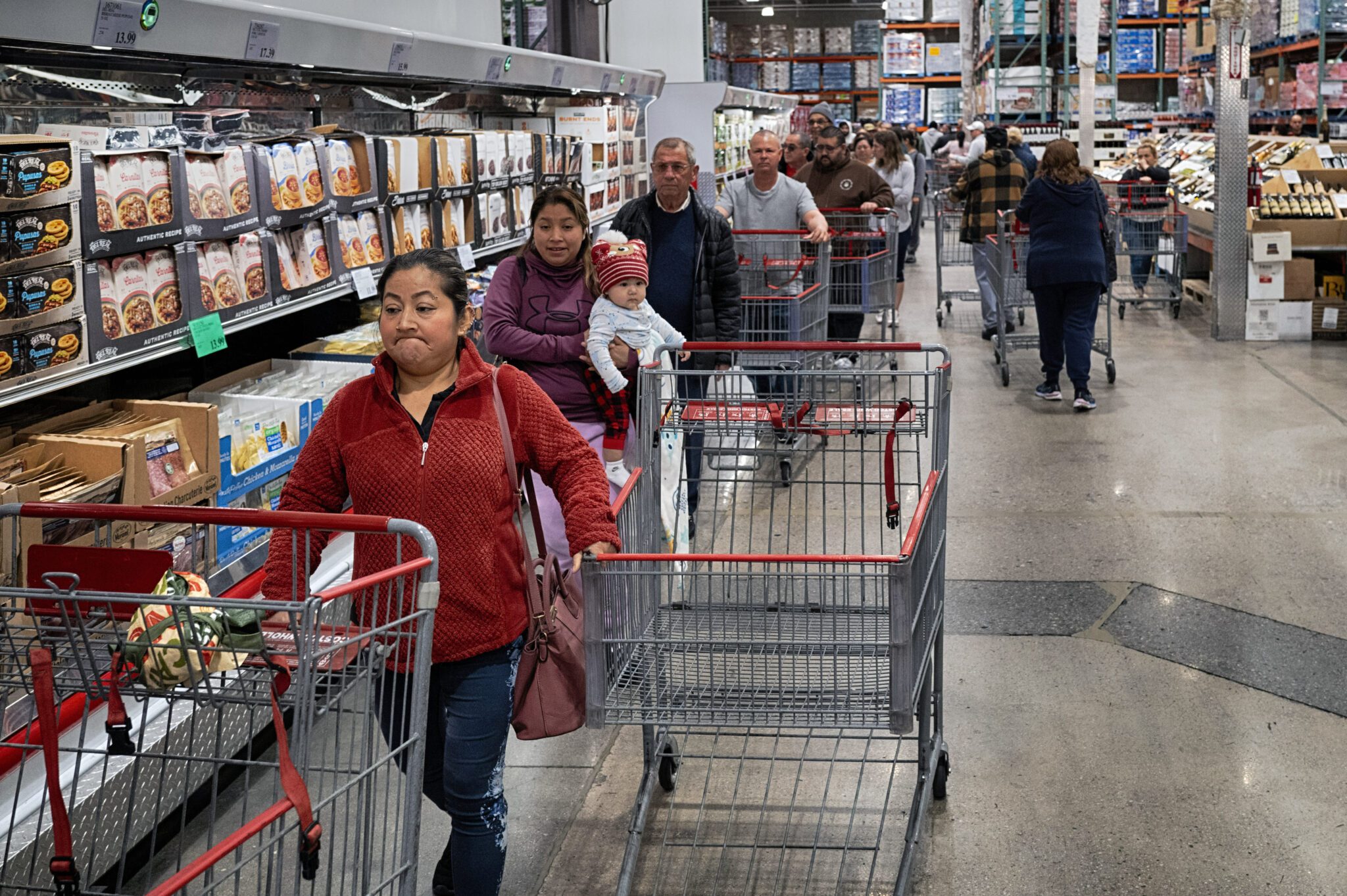
According to AAA, average retail gasoline prices rose roughly $1 over the past month, reaching $3.98 per gallon. At the same time, financial markets have struggled, with the S&P 500 declining about 6.7% during the same period.
Although consumer sentiment does not always directly predict spending behavior, economists warn that rising fuel costs and declining investment portfolios could reduce consumption and slow economic growth. Higher-income households, which have been key drivers of spending, may become more cautious if financial conditions worsen.
“We look for negative sentiment impacts to add to the drag from lower real purchasing power and wealth effects and pull consumer spending growth lower in the second quarter,” said Oren Klachkin, financial markets economist at Nationwide.
The University of Michigan survey also showed a sharp deterioration in expectations for the near-term economy. The survey’s gauge of short-run economic outlook plunged 14%, while expectations for personal finances over the next year dropped 10%.
However, long-term expectations showed less dramatic declines, suggesting that consumers may believe current economic pressures could be temporary.
“These patterns suggest that consumers may not expect recent negative developments to persist far into the future,” said Joanne Hsu, director of the University of Michigan Surveys of Consumers. “These views are subject to change, however, if the Iran conflict becomes protracted or if higher energy prices pass through to overall inflation.”
Markets reflected similar concerns. Wall Street extended its losses Friday, with the S&P 500 and Nasdaq Composite sliding to more than six-month lows. Meanwhile, U.S. Treasury yields were mixed and the dollar remained relatively stable against major currencies.
Inflation Expectations Climb
The survey also highlighted growing inflation concerns among consumers. One-year inflation expectations rose to 3.8% in March, up from 3.4% earlier in the month and in February. This marked the largest monthly increase in inflation expectations in nearly a year.
Longer-term inflation expectations eased slightly, falling to 3.2% from 3.3% last month, suggesting consumers still expect inflation to moderate over time.
The Federal Reserve left interest rates unchanged earlier this month, maintaining its benchmark rate in the 3.50% to 3.75% range. Policymakers projected higher inflation and signaled only one potential rate cut this year.
Economists say rising inflation expectations could complicate the Fed’s decision-making.
“The evidence would appear to be for now that the inflation impact of high gas prices is expected to be temporary,” said John Ryding, chief economic advisor at Brean Capital. “But the year-ahead expectation could jump above 4% in the preliminary April report.”
Higher inflation expectations could lead policymakers to keep interest rates elevated for longer, which may slow borrowing, investment, and overall economic activity.
With oil prices climbing, financial markets volatile, and geopolitical tensions unresolved, consumer confidence remains vulnerable to further declines in the coming months.