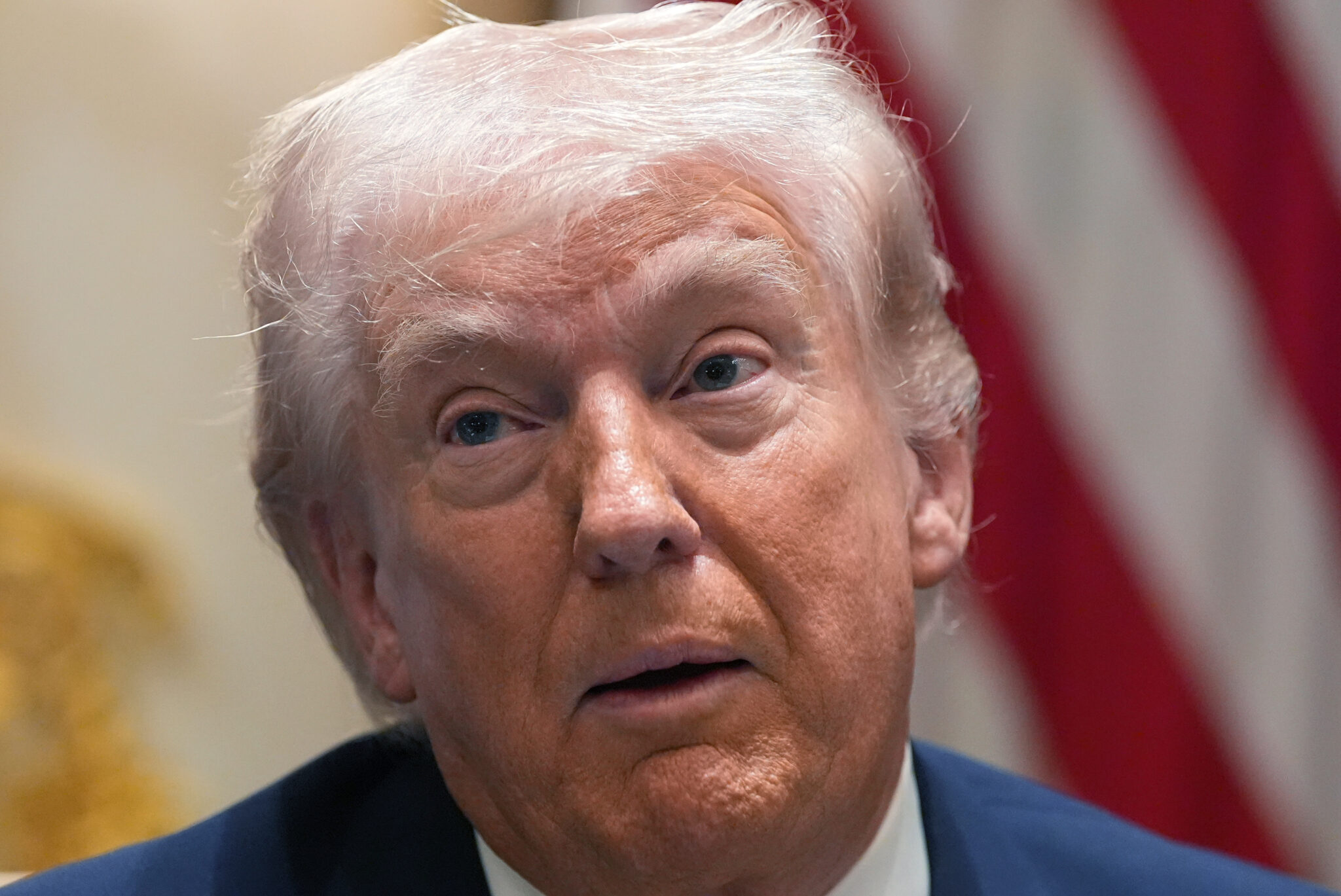
Trump Signs Order to Pay TSA Workers During DHS Shutdown/ Newslooks/ WASHINGTON/ J. Mansour/ Morning Edition/ President Donald Trump signed an emergency order to pay TSA employees during the Department of Homeland Security shutdown. Congress failed to agree on funding, leaving airports strained and workers unpaid. House and Senate passed competing funding bills, extending the political standoff.
Trump TSA Pay Order Quick Looks
- Trump signs executive order to pay TSA workers
- DHS shutdown approaches 44 days Sunday
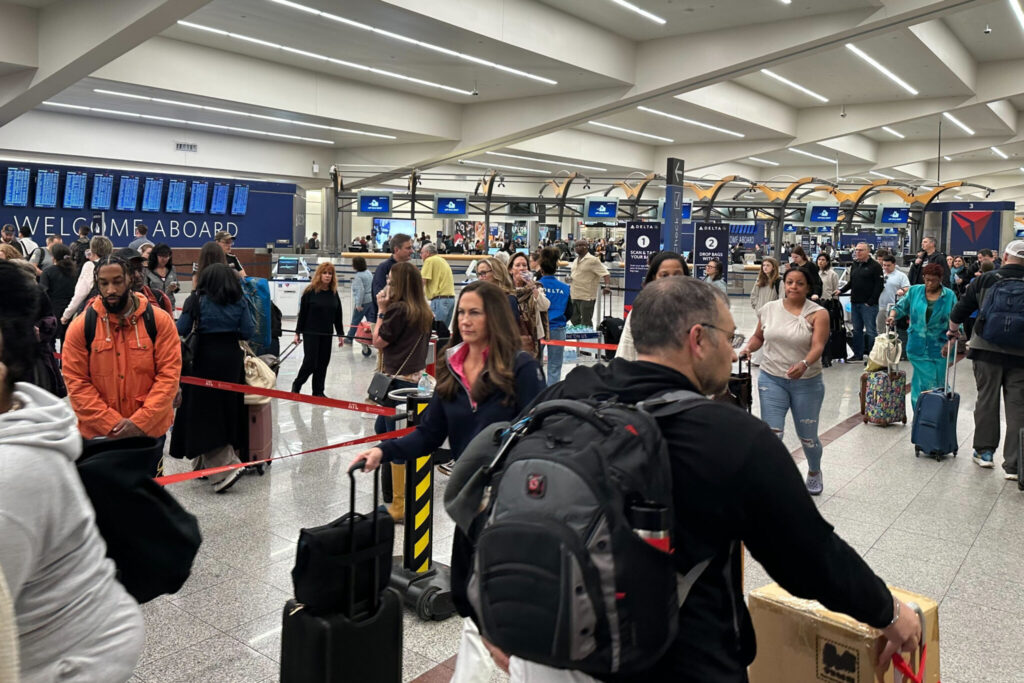
- Airports facing long security lines nationwide
- TSA workers expected to receive paychecks Monday
- House rejects Senate compromise funding plan
- Senate bill excludes ICE and Border Patrol funding
- House passes short-term funding through May 22
- Shutdown causing TSA worker shortages and delays
- Nearly 500 TSA officers quit during shutdown
- Over 11% of TSA staff missed scheduled shifts
Deep Look: Trump Signs Order to Pay TSA Workers Amid DHS Shutdown
WASHINGTON — President Donald Trump signed an emergency executive action Friday authorizing pay for Transportation Security Administration (TSA) employees as the shutdown of the Department of Homeland Security (DHS) continues after Congress failed to reach a funding agreement.
The move is intended to ease mounting disruptions at airports across the United States, where staffing shortages and long security lines have become increasingly common during the shutdown. Trump described the situation as a national security concern in a memo announcing the decision.
“America’s air travel system has reached its breaking point,” Trump wrote, adding that the situation represented “an emergency compromising the Nation’s security.”
Under the executive action, the administration plans to use funds connected to TSA operations to ensure workers receive compensation. Homeland Security Secretary Markwayne Mullin said TSA employees could begin receiving paychecks as early as Monday.
Shutdown Continues Despite Executive Action
While Trump’s order addresses the immediate hardship facing TSA workers, it does not resolve the broader DHS shutdown. Lawmakers left Washington for a two-week recess after the House and Senate passed competing funding bills, creating another stalemate.
The shutdown is set to reach 44 days Sunday, surpassing the previous record 43-day shutdown that affected the entire federal government last fall. The ongoing impasse has affected thousands of federal employees and disrupted airport operations nationwide.
Congressional divisions intensified after Senate lawmakers approved a funding compromise early Friday. However, House Republicans quickly rejected the deal.
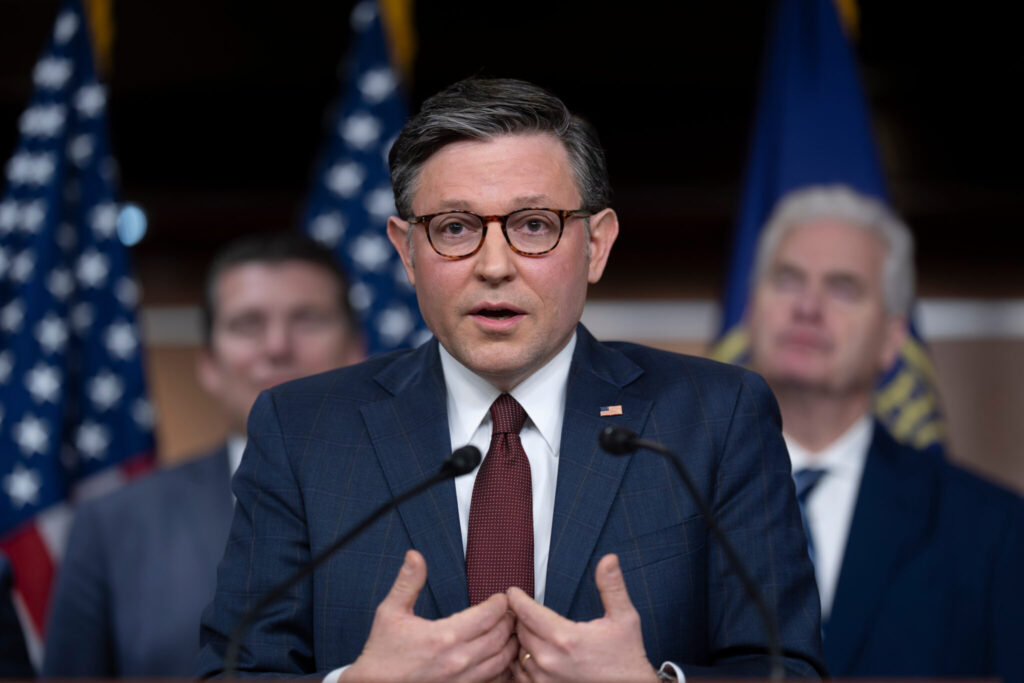
House Speaker Mike Johnson criticized the Senate agreement and announced the House would pursue a different approach.
“This gambit that was done last night is a joke,” Johnson said.
Later Friday, House Republicans passed a bill funding the Department of Homeland Security through May 22. The measure passed by a narrow 213-203 vote, with Johnson saying President Trump supported the House plan.
Immigration Funding Dispute Drives Stalemate
The disagreement largely centers on immigration enforcement funding. The Senate compromise would fund most DHS operations but excluded Immigration and Customs Enforcement (ICE) and Border Patrol funding.
House Republicans strongly opposed the omission, arguing immigration enforcement must be fully funded.
“We will fully fund ICE. That is what this fight is about,” Sen. Eric Schmitt said. “The border is closing. The next task is deportation.”
Democrats refused to approve funding for ICE and Border Patrol without changes to enforcement policies. Lawmakers cited recent protests and deaths tied to immigration crackdowns as reasons for seeking reforms.
Democrats are pushing for federal agents to display identification, remove face coverings, and avoid enforcement actions near sensitive locations such as schools and churches. They also want judicial approval required before agents conduct searches.
Secretary Mullin indicated he may be open to some of those changes.
Leadership Rift Emerges
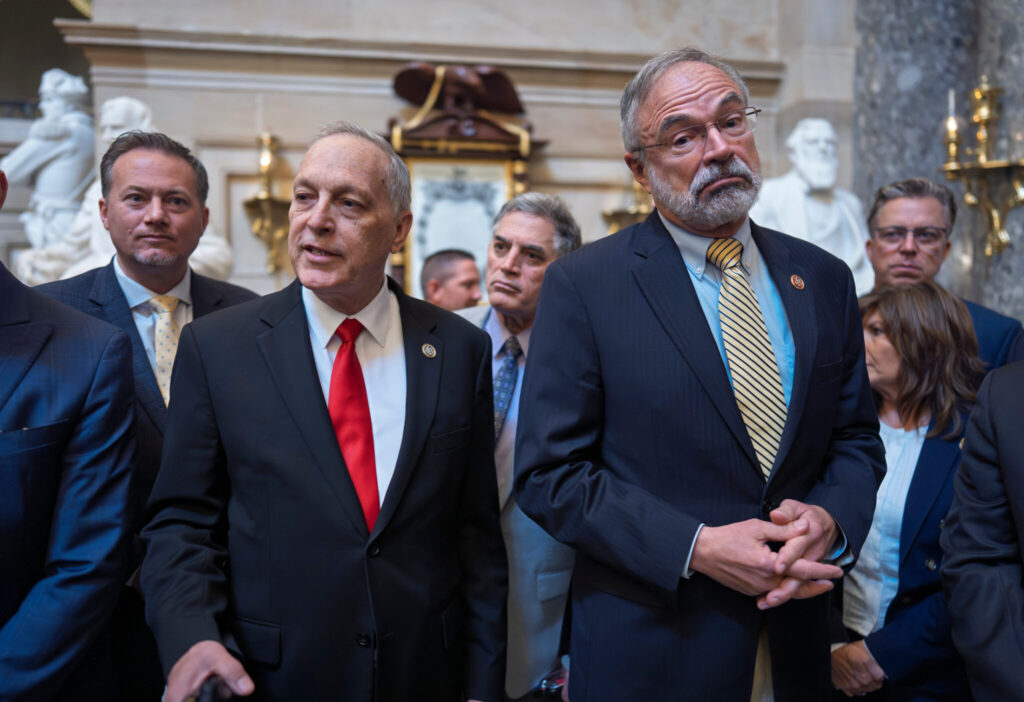
The breakdown also revealed tensions between House Speaker Mike Johnson and Senate Majority Leader John Thune, who had previously worked closely together on legislative priorities.
Thune helped negotiate the Senate compromise, which passed by voice vote early Friday morning. However, Johnson said he was not fully consulted on the agreement.
“I don’t know what the House will do,” Thune told reporters following the Senate vote.
Johnson later suggested Democrats were responsible for the collapse of negotiations.
Airport Disruptions Intensify
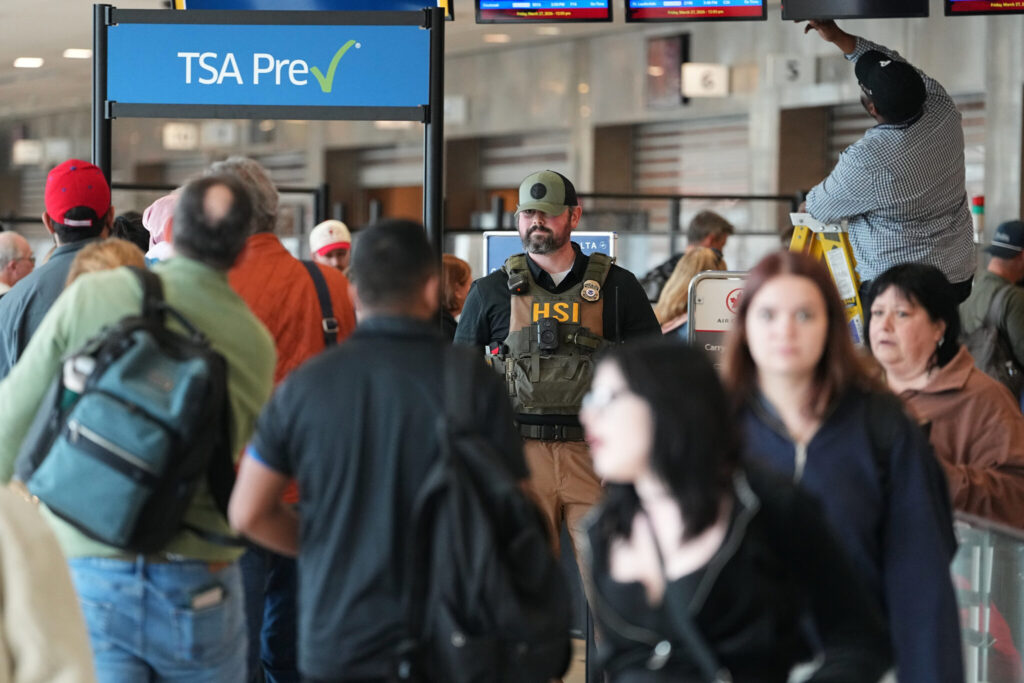
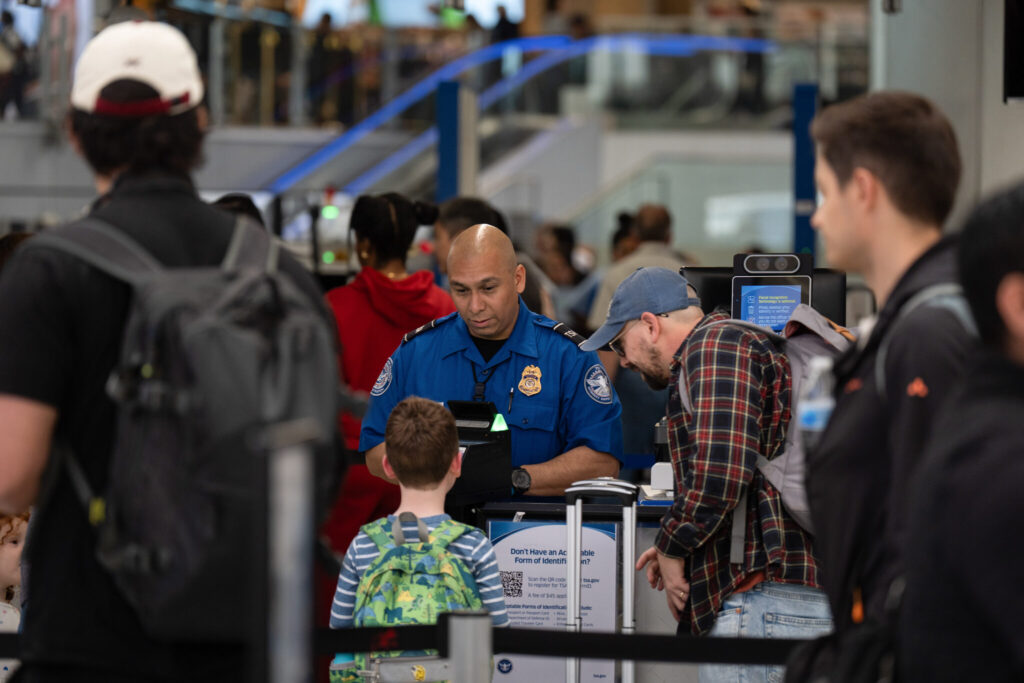
The prolonged shutdown has created operational challenges at airports nationwide. Many TSA workers, missing paychecks, have stopped reporting to work.
Officials reported callout rates exceeding 40% at some airports. Nearly 500 TSA officers have resigned during the shutdown, further straining staffing levels.
On Thursday alone, more than 11.8% of scheduled TSA employees missed work — over 3,450 workers nationwide.
Travelers have experienced longer wait times, and officials warned that some airports could face temporary closures if staffing shortages worsen.
The TSA workforce, which includes nearly 50,000 transportation security officers, has already endured the longest government shutdown last year, compounding financial strain for many employees.
Political Uncertainty Continues
Despite Trump’s executive order, the broader shutdown remains unresolved. Senate Democratic leader Chuck Schumer warned that the House Republican plan would not pass the Senate.
House Democratic leader Hakeem Jeffries said the Senate compromise could pass quickly if brought to a vote.
“This could end, and should end, today,” Jeffries said.
With lawmakers leaving Washington and no immediate compromise in sight, uncertainty remains over how long the shutdown will continue — and how much further it may disrupt travel, federal operations, and national security.