
Trump Approves New Canada-US Oil Pipeline Project/ Newslooks/ WASHINGTON/ J. Mansour/ Morning Edition/ President Donald Trump approved a major new oil pipeline connecting Canada to the U.S., reviving a project similar to Keystone XL. The pipeline could carry up to 550,000 barrels of oil daily through Montana and Wyoming. Environmental groups oppose the project, citing risks of spills and climate impact.
Canada US Oil Pipeline Quick Looks
- Trump approved cross-border permit for new oil pipeline
- “Keystone Light” to carry up to 550,000 barrels daily
- Pipeline spans about 650 miles through Montana and Wyoming
- Project still needs additional environmental approvals
- Construction could begin as early as 2027
- Mostly built along existing corridors and private land
- Environmentalists warn of spill risks and climate concerns
- Company promises improved safety and AI leak detection
Deep Look
Trump Greenlights Major Pipeline Project
FORT COLLINS, Colo. — President Donald Trump has granted a key federal approval for a major new oil pipeline linking Canada to the United States, reviving a long-running debate over energy development and environmental protection.
The project, known as the Bridger Pipeline Expansion and sometimes referred to as “Keystone Light,” would transport up to 550,000 barrels of crude oil per day from Canada into the U.S.
Trump framed the approval as a shift from previous policy.
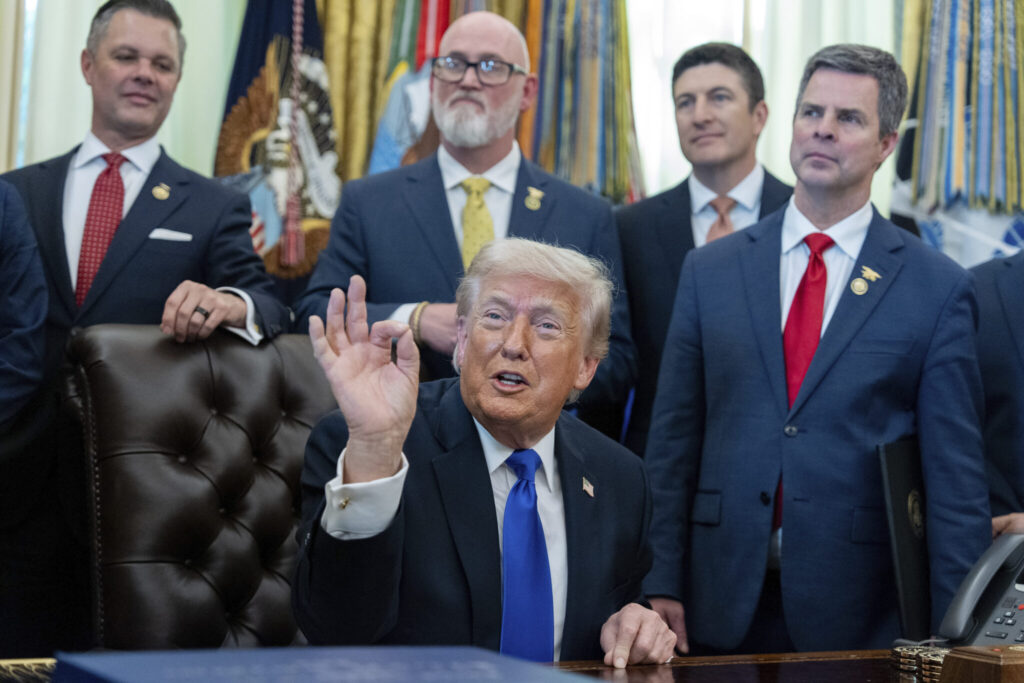
“Slightly different from the last administration. They wouldn’t sign a pipeline deal. And we have pipelines going up,” he said.
Pipeline Route and Capacity
The proposed pipeline would stretch roughly 650 miles, running from Saskatchewan into northeastern Montana and continuing through Wyoming.
From there, it would connect with existing pipeline infrastructure, allowing oil to be refined domestically or exported.
At full capacity, the project would move about two-thirds the volume of the Keystone XL pipeline, which was canceled in 2021 over environmental concerns.
Regulatory Hurdles Remain
Despite receiving federal approval to cross the U.S.-Canada border, the pipeline still faces multiple regulatory steps before construction can begin.
State and federal environmental reviews must be completed, and the project could face legal challenges from environmental groups.
Company officials say construction could begin in 2027, with completion targeted for 2028 or early 2029.
Environmental Concerns and Opposition
Environmental advocates are strongly opposed to the project, citing risks of oil spills and the broader impact of fossil fuel expansion on climate change.
“The biggest concern we see right now is the concern inherent in all pipeline projects which is the risk of spills,” said attorney Jenny Harbine. “Pipelines rupture and leak. It’s just a fact of pipelines.”
Critics also point to the company’s past pipeline incidents, including significant spills that contaminated waterways.
Company Defends Safety Measures
Bridger Pipeline officials say they have improved safety protocols since earlier incidents.
The company has developed an AI-based leak detection system designed to identify problems more quickly.
Plans also include drilling deeper beneath major rivers such as the Yellowstone and Missouri to reduce the risk of environmental damage.
“We designed the pipeline with integrity and safety in mind,” spokesperson Bill Salvin said.
Economic and Strategic Implications
Supporters argue the pipeline will strengthen North American energy security and support economic growth by increasing oil transport capacity.
The project would carry crude from Canada’s oil sands region, a major source of energy for the U.S. market.
It could also create jobs during construction and improve efficiency by using existing infrastructure corridors.
Political and Policy Context
The approval highlights a sharp contrast in U.S. energy policy between administrations.
Trump previously supported the Keystone XL pipeline, while former President Joe Biden canceled it on his first day in office, citing climate concerns.
The new project could face uncertainty depending on future political leadership, particularly if construction extends beyond Trump’s term.
What Comes Next
The pipeline’s future now depends on regulatory approvals and potential legal challenges.
If completed, it would become a significant addition to North America’s energy infrastructure.
However, the debate over balancing energy needs with environmental protection is likely to continue as the project moves forward.