Trump Threatens Iran Bombing Amid Possible Peace Agreement/ Newslooks/ WASHINGTON/ J. Mansour/ Morning Edition/ Trump warned Iran of renewed bombing if talks collapse. Reports suggest the U.S. and Iran are nearing a war-ending agreement. The proposed deal could reopen the Strait of Hormuz and ease sanctions.
Trump Iran Deal Threat Quick Looks
- Trump threatens heavier bombing against Iran
- White House reportedly nearing ceasefire agreement
- Strait of Hormuz reopening central to talks
- Potential sanctions relief included in proposal
- Oil and gas shipping could resume globally
- Iran response to proposed deal remains uncertain
Deep Look
Trump Issues Stark Warning to Iran
Donald Trump warned Wednesday that Iran could face intensified military strikes if it refuses to accept a proposed agreement aimed at ending the conflict.
“If they don’t agree, the bombing starts, and it will be, sadly, at a much higher level and intensity than it was before,” Trump posted on social media.
The remarks signaled both optimism about a possible diplomatic breakthrough and a renewed threat of military escalation.
Reported Agreement Could End Conflict
According to reports, the White House believes it is close to finalizing a one-page memorandum with Iran designed to bring the war to an end.
The reported proposal includes:
- A temporary halt to Iranian uranium enrichment
- Possible lifting of U.S. sanctions
- Release of frozen Iranian financial assets
- Reopening of the Strait of Hormuz for global shipping
The White House has not publicly confirmed details of the reported agreement.
Hormuz Shipping Crisis Central to Negotiations
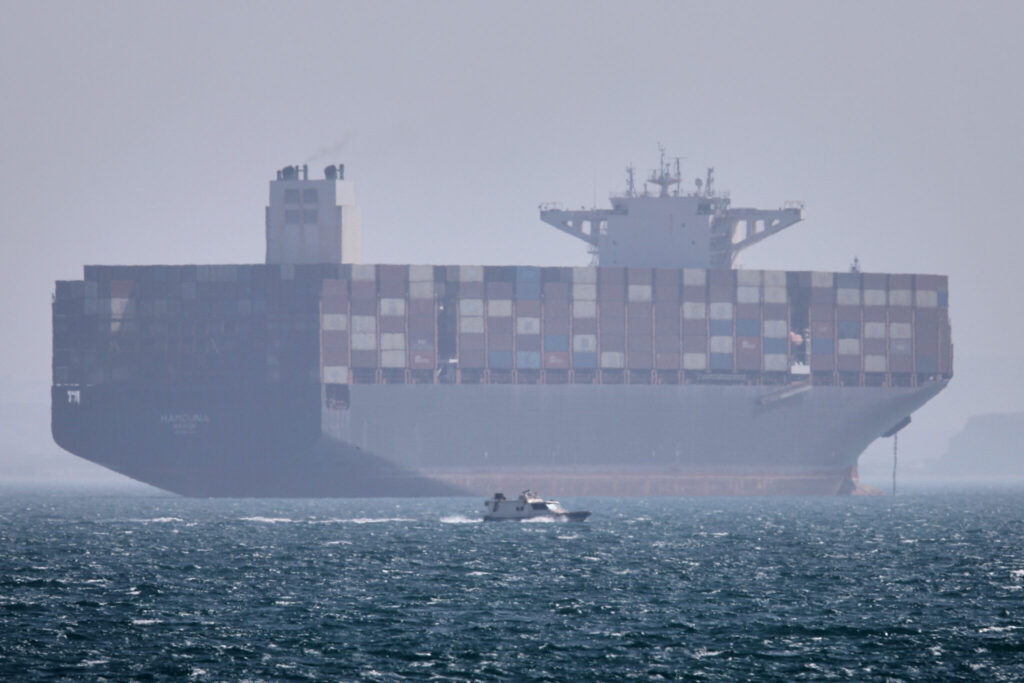
The Strait of Hormuz remains one of the most critical issues in the negotiations.
The narrow waterway handles a significant portion of the world’s oil and natural gas shipments, and disruptions there have rattled global energy markets.
Trump suggested that successful negotiations could quickly restore shipping flows.
Trump Admits Deal Is Uncertain
Despite his optimistic tone, Trump acknowledged that reaching an agreement is far from guaranteed.
He described it as “perhaps a big assumption” that Iran would accept the terms being offered.
The statement reflects ongoing uncertainty about whether diplomacy can hold amid heightened tensions.
Military Pressure Continues Alongside Diplomacy
Even as talks continue, the U.S. maintains strong military pressure on Iran.
The blockade and naval operations in the region remain active, and administration officials have repeatedly emphasized that force remains an option.
The strategy combines economic and military leverage with diplomatic negotiations.
Energy Markets Watching Closely
Global energy markets are closely monitoring developments.
Any reopening of the Strait of Hormuz could ease pressure on oil prices and restore stability to shipping routes disrupted during the conflict.
Businesses and governments worldwide are watching for signs of a final agreement.
Broader Geopolitical Stakes
The potential agreement carries implications far beyond the U.S. and Iran.
Regional allies, global oil importers, and major powers such as China and Russia all have strategic interests tied to the outcome of the negotiations.
A successful deal could reshape Middle East diplomacy and economic conditions.
Outlook: Diplomacy or Renewed Conflict
The coming days may determine whether the conflict transitions toward peace or returns to open military confrontation.
While negotiations appear to be advancing, Trump’s warning highlights the fragile nature of the current situation.
The outcome will likely influence global markets, regional stability, and U.S. foreign policy for months to come.