

US-Iran Nuclear Talks Hit Snag Over Inspections as Strait of Hormuz Plan Emerges/ Newslooks/ WASHINGTON/ J. Mansour/ Morning Edition/ The U.S. and Iran disagree over whether Tehran has agreed to allow U.N. inspections of nuclear facilities. Negotiators continue technical talks in Switzerland while efforts expand to secure shipping through the Strait of Hormuz. Iran and the U.S. are also discussing sanctions relief, reconstruction, nuclear issues, and regional security.
US-Iran Nuclear Talks Quick Looks
- Washington and Tehran disagree on nuclear inspection commitments.
- Vice President JD Vance said Iran agreed to allow international inspectors access.
- Iranian officials deny any inspections have been scheduled.
- Technical negotiations continue in Switzerland during a 60-day diplomatic window.
- A plan is underway to evacuate thousands of stranded seafarers from the Strait of Hormuz.
- Iran insists its missile program remains non-negotiable.
- Discussions include sanctions relief, reconstruction, and nuclear oversight.
- Israel-Hezbollah tensions remain a major challenge to broader peace efforts.
- Questions persist over future use of unfrozen Iranian assets.
- Regional mediators Pakistan and Qatar continue supporting negotiations.

Deep Look
US and Iran Dispute Nuclear Inspection Commitments
Negotiations aimed at permanently ending the conflict between the United States and Iran faced fresh uncertainty Tuesday after both sides publicly disagreed over whether Tehran has committed to allowing international inspections of its nuclear facilities.
The dispute surfaced as technical teams from both countries continued discussions in Switzerland and regional diplomacy intensified across the Middle East.
Iranian Foreign Ministry spokesperson Esmail Baghaei rejected comments made by U.S. Vice President JD Vance suggesting that international inspectors would soon gain access to nuclear sites that were previously targeted during military operations.
Baghaei told reporters in Tehran that no inspections had been scheduled and that claims suggesting otherwise were inaccurate.
President Donald Trump responded forcefully, posting on social media that Iran had indeed agreed to permit inspections well into the future.
According to Trump, without that commitment, “there would be no further negotiations!”
The disagreement has become one of the first major public obstacles since both nations agreed to a framework intended to end months of conflict and begin a 60-day process toward a broader peace agreement.
IAEA Role Remains Unclear
The International Atomic Energy Agency (IAEA), the United Nations nuclear watchdog, has yet to publicly clarify whether it has received authorization to inspect any of the sites in question.
The agency has conducted inspections inside Iran at various times since the 2025 conflict between Israel and Iran but has not been granted access to several nuclear facilities damaged during U.S. military strikes.
Iran continues to insist that its nuclear program serves peaceful civilian purposes.
However, international concerns persist because Tehran possesses highly enriched uranium that experts say could potentially be used for nuclear weapons if political leaders chose that path.
Strait of Hormuz Evacuation Plan Takes Shape
While negotiators debated nuclear issues, international maritime officials announced a major effort to ease growing pressure in the Strait of Hormuz.
The International Maritime Organization revealed plans to evacuate approximately 11,000 crew members stranded aboard vessels trapped in the strategic waterway.
The operation is being coordinated with Iran, Oman, regional coastal nations, the United States and private maritime industry partners.
Secretary-General Arsenio Dominguez said:
“We have secured the necessary safety guarantees and have thoroughly verified the conditions for safe navigation to support these operations.”
Officials said ship movements will occur gradually to reduce the risk of accidents and congestion.
The announcement was welcomed by shipping and insurance sectors that have closely monitored disruptions affecting one of the world’s most important energy corridors.
Shipping Traffic Slowly Recovers
Despite signs of progress, concerns remain over long-term stability in the Strait of Hormuz.
Iran recently claimed it had again restricted passage through the waterway following renewed tensions involving Hezbollah and Israel in Lebanon.
The United States disputes those claims and maintains that commercial traffic continues moving through the strait.
Data from shipping analytics firm Kpler shows traffic remains well below normal levels.
Only 39 vessels crossed the strait on Monday compared with approximately 100 daily crossings before the conflict began.
U.S. military forces continue maintaining a strong presence in the region, including two aircraft carriers operating in Middle Eastern waters.
Iranian President Visits Pakistan
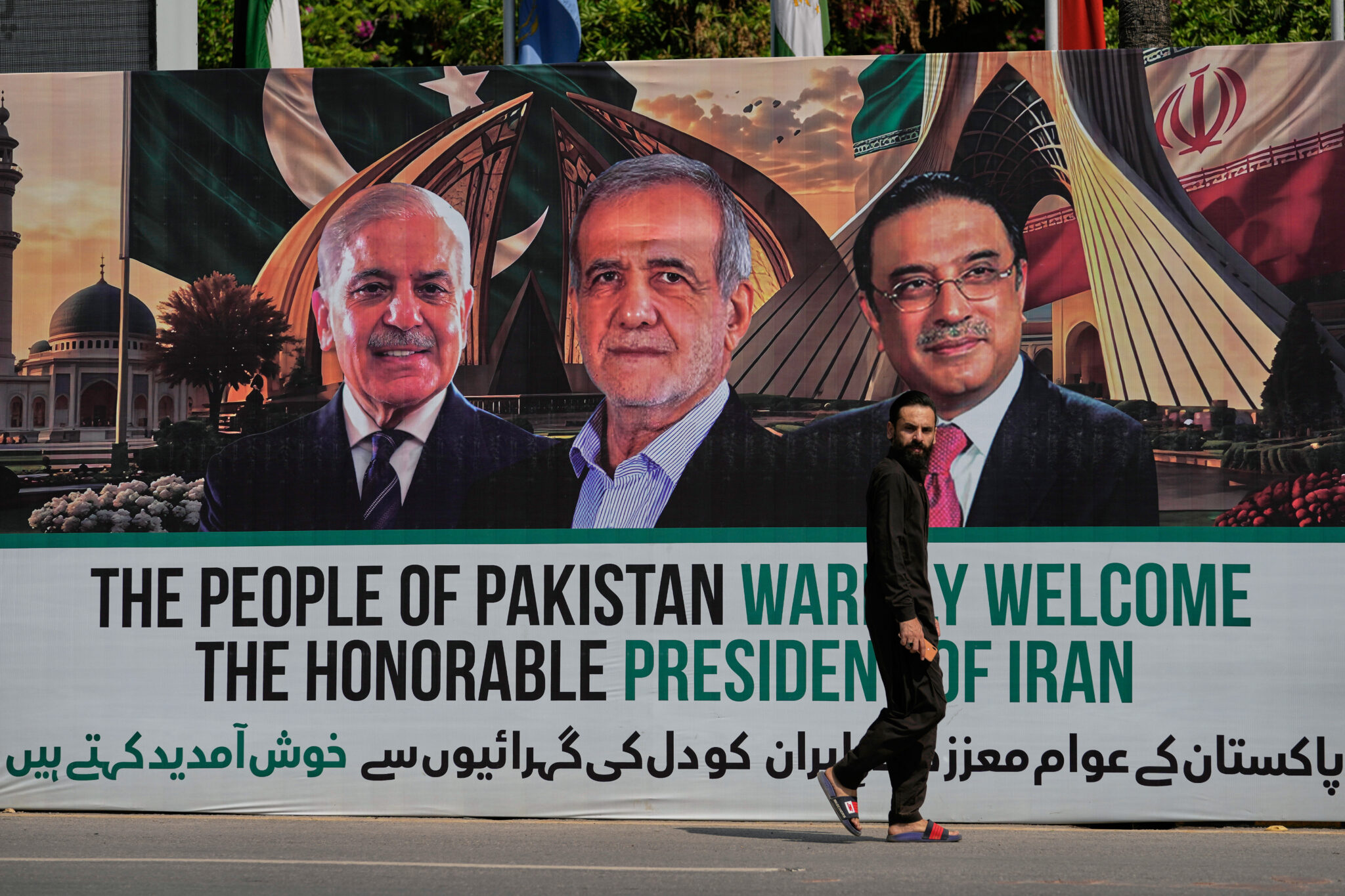
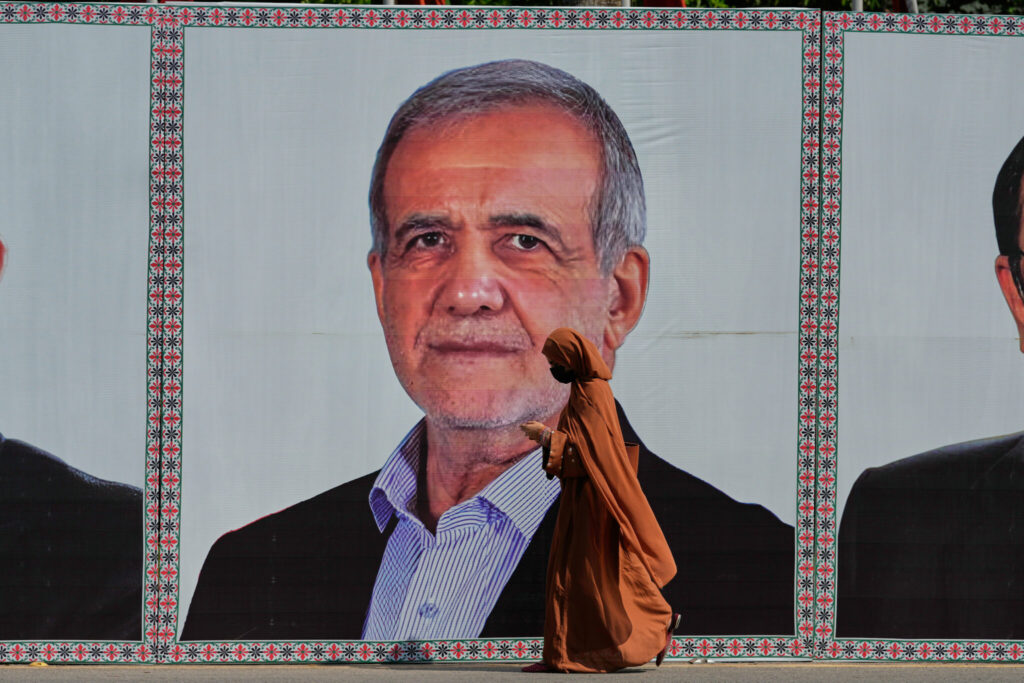
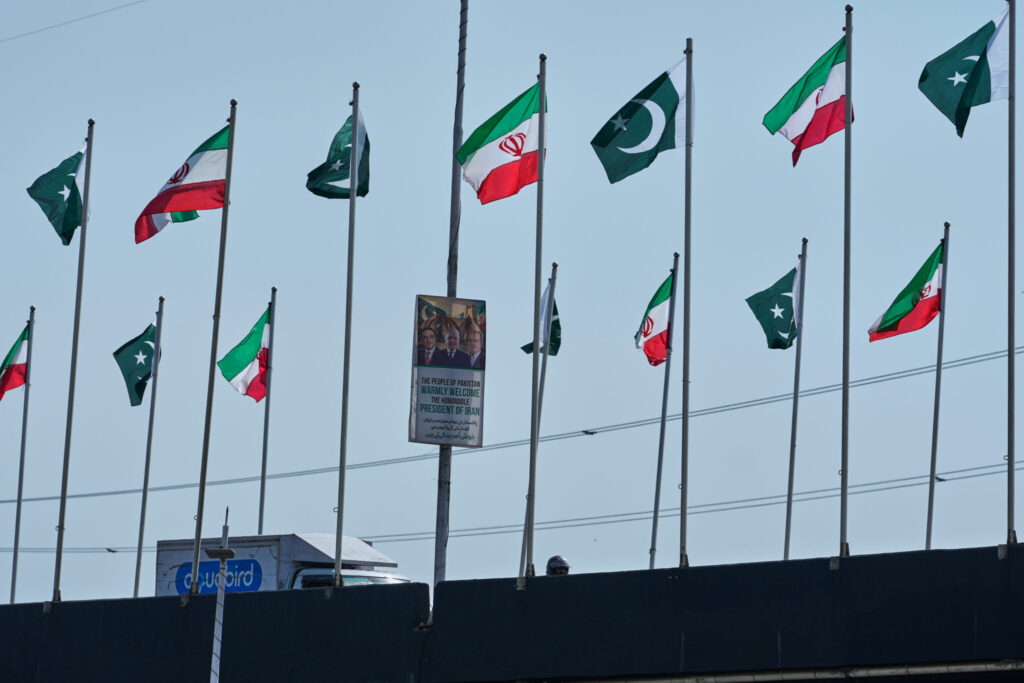
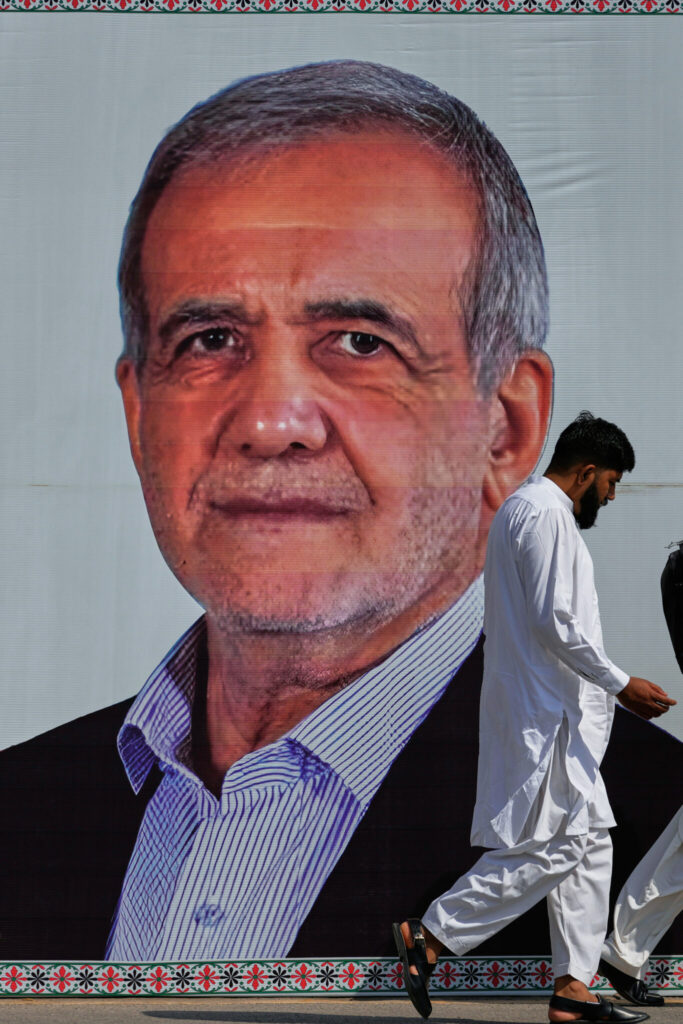
Iranian President Masoud Pezeshkian traveled to Islamabad Tuesday for talks with Pakistani leaders, marking his first official visit abroad since the war began.
Discussions focused on regional stability, economic cooperation and diplomatic efforts aimed at sustaining momentum from the negotiations underway in Switzerland.
Speaking alongside Pakistani officials, Pezeshkian reiterated that Iran’s missile program remains off limits.
“If it was not for Iran’s missile capabilities, our country would have been plundered and destroyed,” he said.
He added that Iran would “never compromise or negotiate our missile capabilities.”
Pakistan’s Prime Minister Shehbaz Sharif pledged continued support for diplomatic efforts and regional peace initiatives.
Negotiation Groups Formed
Iranian officials said the Switzerland talks produced several new working groups focused on critical areas necessary for a permanent settlement.
According to state media, negotiators established specialized teams to address:
- Nuclear issues
- Sanctions relief
- Post-war reconstruction
- Compliance monitoring
- Maritime security
- Strait of Hormuz operations
Iranian Deputy Foreign Minister Kazem Gharibabadi said mechanisms were also created to facilitate communication concerning shipping traffic through Hormuz.
These technical discussions are expected to continue throughout the week as negotiators work toward a more comprehensive agreement.
Lebanon Remains a Potential Flashpoint
The fragile diplomatic process continues to face risks from ongoing tensions in Lebanon.
A ceasefire brokered over the weekend has largely held, but violence erupted again Tuesday when Israeli troops opened fire in southern Lebanon, killing two people.
The Israeli military said the individuals ignored warning shots after entering a restricted security zone.
Lebanese officials disputed aspects of the account and identified the victims as civilians working near a bulldozer.
Any major escalation between Israel and Hezbollah could complicate broader U.S.-Iran negotiations.
Iran has repeatedly argued that a lasting ceasefire in Lebanon must be part of any comprehensive regional settlement.
Netanyahu Maintains Hardline Position
Israeli Prime Minister Benjamin Netanyahu signaled Monday that Israel intends to maintain military flexibility regardless of ongoing diplomatic talks.
He stated that Israeli forces retain “full freedom of action” in Lebanon to counter potential threats.
Netanyahu has also vowed to keep Israeli troops in southern Lebanon until security concerns are fully addressed.
Hezbollah, meanwhile, insists attacks will continue unless Israel agrees to withdraw.
Asked about Netanyahu’s comments, Trump responded that “we’re going to take a look at it,” adding that the situation would “get solved.”
Debate Continues Over Iranian Assets
Another area of disagreement involves the potential release of frozen Iranian assets.
Following the Switzerland negotiations, Vice President Vance said any unfrozen funds could be directed toward purchases of American agricultural products including wheat, soybeans and corn.
Iran’s Foreign Ministry pushed back against that characterization.
Officials in Tehran said future import decisions would depend solely on economic factors such as “prices and quality.”
The issue remains part of broader negotiations over sanctions relief and economic normalization.
Diplomatic Progress Faces Major Tests Ahead
Although both sides describe recent discussions as productive, significant differences remain.
Disagreements over nuclear inspections, sanctions implementation, regional security arrangements and the future role of international monitors illustrate how difficult a final agreement may be.
Still, negotiations continue under a framework designed to achieve a lasting settlement within 60 days.
Whether that process succeeds may depend not only on nuclear diplomacy but also on maintaining calm across several regional flashpoints, particularly in Lebanon and the Strait of Hormuz.





You must Register or Login to post a comment.