US Wholesale Inflation Jumps 6%, The Highest Increase Since 2022/ Newslooks/ WASHINGTON/ J. Mansour/ Morning Edition/ U.S. wholesale inflation surged in April as the Iran war drove energy prices sharply higher. Producer prices jumped 6% from a year ago, increasing pressure on businesses to raise prices for consumers. The inflation spike is complicating Federal Reserve policy and intensifying political concerns over affordability.

US Producer Prices Quick Looks
- Producer prices rose 6% year-over-year in April
- Wholesale inflation posted its biggest increase since 2022
- Energy prices surged because of the Iran conflict
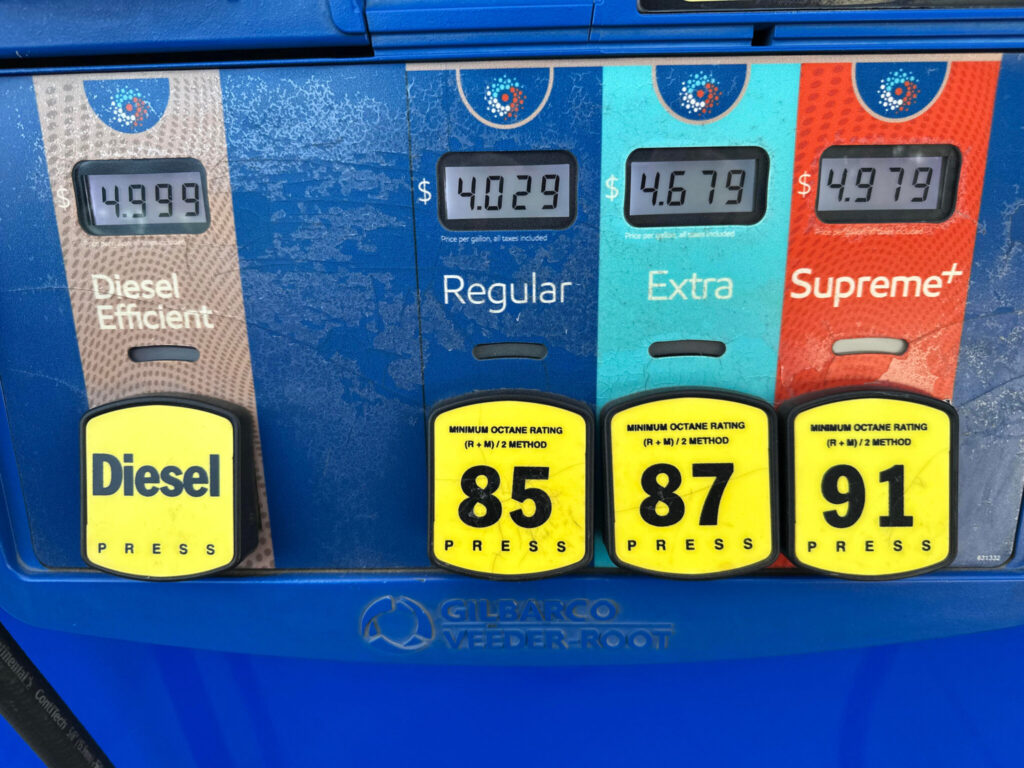
- Gasoline prices jumped 15.6% in one month
- Core producer prices also climbed faster than expected
- Companies including Whirlpool are raising prices
- Inflation is creating pressure on the Federal Reserve
- Affordability is becoming a major midterm election issue
Deep Look
Wholesale Inflation Surges Across the Economy
U.S. wholesale inflation accelerated sharply in April as soaring energy prices tied to the Iran war pushed business costs significantly higher.
The Labor Department reported Wednesday that the producer price index — a key measure tracking inflation before it reaches consumers — rose 6% compared with April 2025.
The increase marked the fastest annual rise in wholesale inflation since December 2022.
On a monthly basis, producer prices surged 1.4% from March to April, representing the largest single-month jump since March 2022.
Economists say the report signals growing pressure on companies to pass rising costs directly to consumers, potentially worsening the inflation challenges already affecting American households.
Energy Costs Drive Inflation Higher
The sharp rise in wholesale inflation was driven primarily by surging energy prices linked to the ongoing conflict involving Iran.
Energy prices climbed 7.8% during April alone and rose 22.7% compared with one year earlier.
Gasoline prices jumped 15.6% during the month, while diesel fuel — critical for shipping and transportation — increased 12.6%.
The inflation surge followed the effective closure of the Strait of Hormuz after the United States and Israel launched military operations against Iran on Feb. 28.
Iran responded by restricting access to the key shipping route, through which roughly one-fifth of the world’s oil and liquefied natural gas normally passes.
The disruption sharply reduced energy shipments and caused oil prices to spike globally.
Core Inflation Also Accelerates
Even after excluding volatile food and energy prices, inflation remained stronger than economists expected.
Core producer prices rose 1% from March and 5.2% compared with April 2025.
The unexpectedly large increases raised concerns that inflation pressures are beginning to spread more broadly throughout the economy rather than remaining isolated to fuel markets.
Economists closely monitor producer prices because they often provide an early indication of future consumer inflation.
Some producer-price categories also feed directly into the Federal Reserve’s preferred inflation gauge, known as the personal consumption expenditures index, or PCE.
Economists Warn of New Inflation Risks
Analysts quickly reacted to the inflation report with warnings about both economic and political consequences.
“This report will set off alarm bells at the Fed and add fuel to the political conversation about affordability,” said Carl Weinberg, chief economist at High Frequency Economics.
“The results are so far above expectations that this update will set off alarm bells in the financial markets, too.”
The report adds to growing concerns that inflation is once again becoming one of the biggest threats to the U.S. economy.
Earlier this week, the Labor Department reported that consumer inflation climbed 3.8% year-over-year in April — the highest increase in more than three years.
Companies Begin Passing Costs to Consumers
Businesses across multiple industries are already responding to rising costs by increasing prices.
Retail giant Walmart, known for aggressively maintaining low prices, announced price increases last year and may now face renewed pressure to raise prices further.
Appliance manufacturer Whirlpool recently reported a nearly 10% drop in quarterly revenue and blamed the Iran war for creating what executives described as a “recession-level industry decline.”
The company already implemented a 10% price increase in April — its largest in a decade — and plans another 4% increase in July.
Whirlpool executives said the company had initially absorbed higher operating costs rather than passing them to consumers, but rising inflation has made that increasingly difficult.
The trend suggests consumers may soon face even higher prices on household goods, transportation, and other essentials.
Federal Reserve Faces Difficult Decisions
The inflation spike is also complicating decisions at the Federal Reserve.
Before the Iran conflict escalated, many economists expected the Fed to begin cutting interest rates during 2026.
Now central bank officials appear far more cautious as they assess whether higher energy prices could trigger a broader inflation outbreak throughout the economy.
The Fed has already paused plans for major rate cuts while monitoring inflation developments.
President Donald Trump has repeatedly attacked Federal Reserve Chair Jerome Powell for refusing to slash interest rates aggressively.
Trump argues lower borrowing costs would help support economic growth as geopolitical tensions continue weighing on financial markets.
Kevin Warsh, Trump’s nominee to replace Powell as Fed chair, is expected to receive Senate confirmation this week.
Still, analysts remain uncertain whether Warsh would support major rate cuts while inflation remains elevated because of energy-related pressures.
Inflation Becomes Political Issue Ahead of Midterms
The inflation report also increases political pressure on Republicans ahead of the Nov. 3 midterm elections.
Rising living costs remain one of the top concerns among American voters.
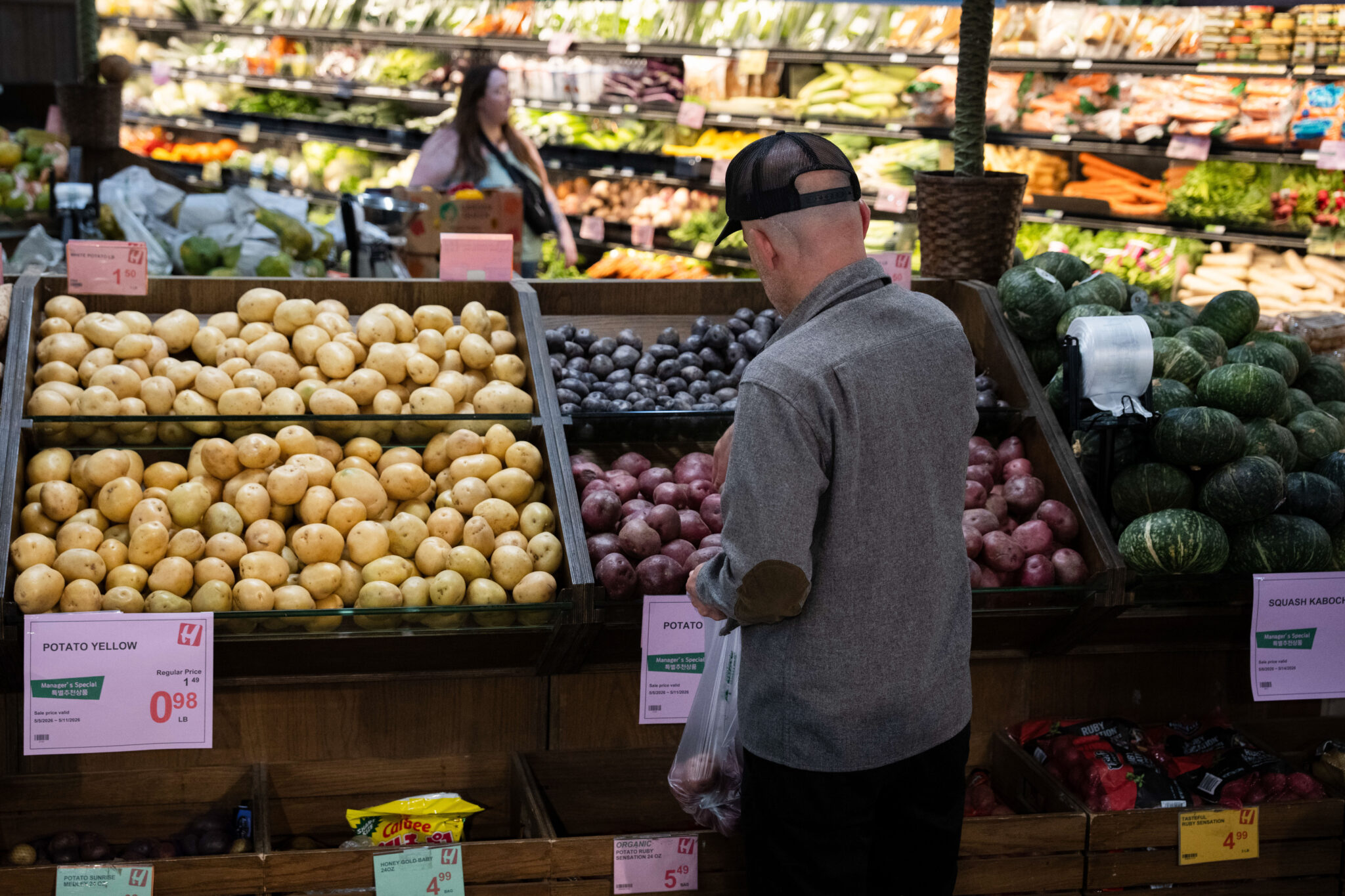
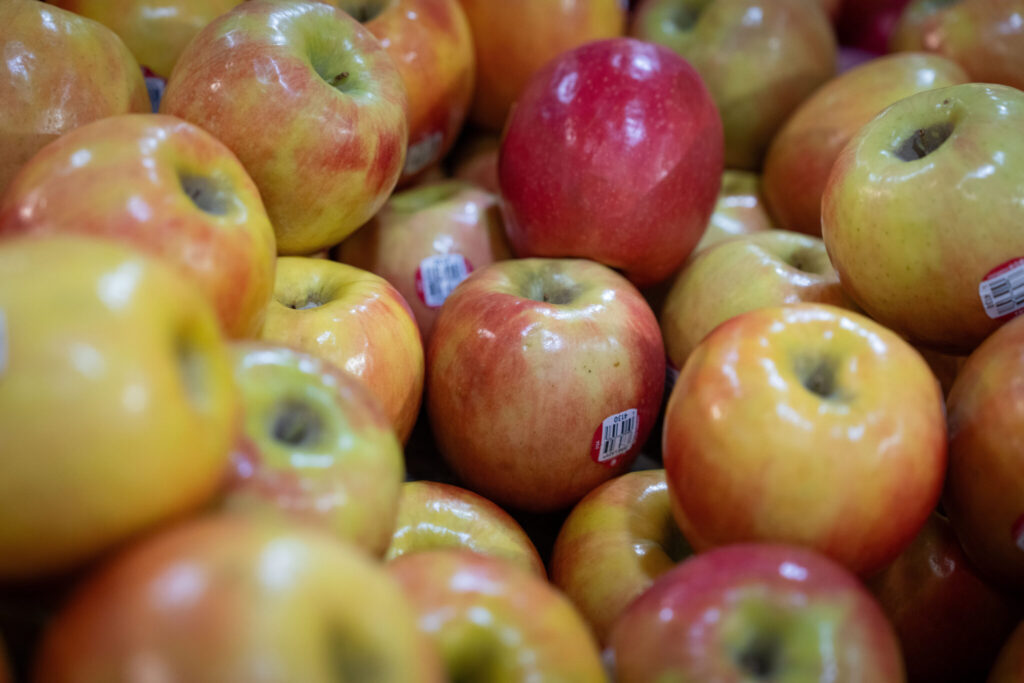
Higher gasoline prices, grocery costs, and utility bills are continuing to strain household budgets at a time when many families already feel financially stretched.
Affordability is expected to become one of the dominant campaign issues as both parties battle for control of Congress.
The latest producer-price data suggests inflation may continue worsening in coming months if energy markets remain unstable and the Iran conflict drags on.
Financial Markets React to Inflation Fears
Investors are also closely monitoring the inflation trend because persistent price increases could keep interest rates elevated for longer.
Higher rates generally increase borrowing costs for consumers and businesses while placing pressure on stocks, housing markets, and corporate investment.
Financial markets have become increasingly volatile as traders weigh inflation risks against slowing economic growth.
Analysts say continued increases in producer prices could further intensify concerns about a possible economic slowdown or recession later this year.
For now, businesses, consumers, and policymakers all face growing uncertainty as inflation pressures spread across more areas of the economy.