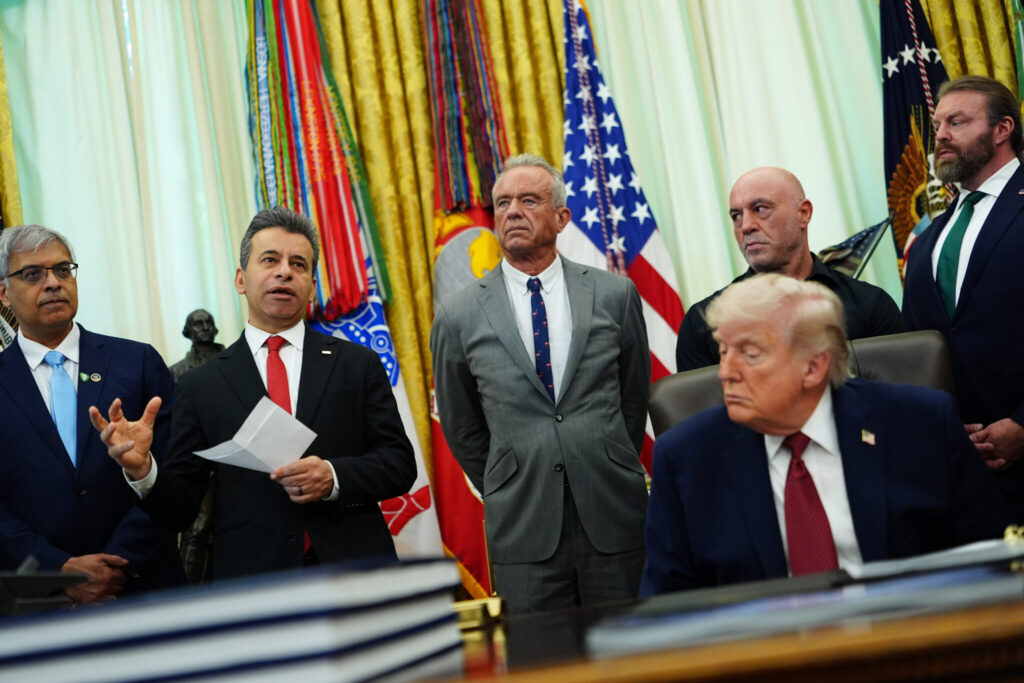
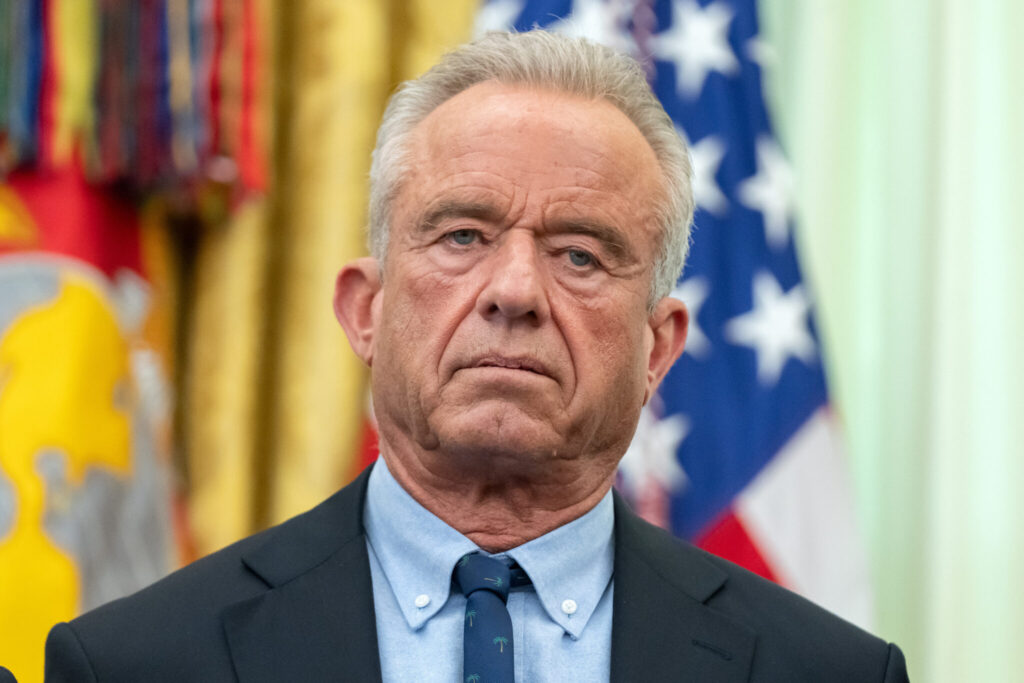
FDA Chief Marty Makary Resigns Amid Growing HHS Leadership Crisis/ Newslooks/ WASHINGTON/ J. Mansour/ Morning Edition/ FDA Commissioner Dr. Marty Makary resigned Tuesday, deepening leadership instability across the Department of Health and Human Services. The resignation leaves several major federal health agencies operating without permanent leadership during growing public health concerns. Critics say the turmoil under Health Secretary Robert F. Kennedy Jr. is weakening scientific credibility and public trust.
FDA Leadership Crisis Quick Looks
- FDA Commissioner Marty Makary resigned Tuesday
- Multiple major HHS agencies now lack permanent leadership
- RFK Jr.’s health department faces mounting criticism
- CDC and FDA both rely on acting leaders
- Critics warn scientific expertise is disappearing from agencies
- Public trust concerns are growing during health emergencies
- Trump administration shifted focus toward diet and affordability issues
- Senate confirmations remain stalled for key health positions
Deep Look
Marty Makary’s Exit Deepens HHS Turmoil
The resignation of FDA Commissioner Dr. Marty Makary has intensified concerns about instability and leadership vacancies across the U.S. Department of Health and Human Services.
Makary stepped down Tuesday, leaving yet another major federal health agency without permanent leadership during a period of mounting public health challenges and political controversy.
His departure expands a widening leadership gap that critics say has defined Health Secretary Robert F. Kennedy Jr.’s tenure overseeing America’s health agencies.
The FDA resignation comes at a moment when the department is already struggling with multiple vacancies, internal shake-ups, scientific disputes, and ongoing Senate confirmation battles.
Key Health Agencies Remain Without Permanent Leaders
Several of the nation’s most important health agencies are currently operating under temporary or acting leadership.
There is no Senate-confirmed U.S. surgeon general.
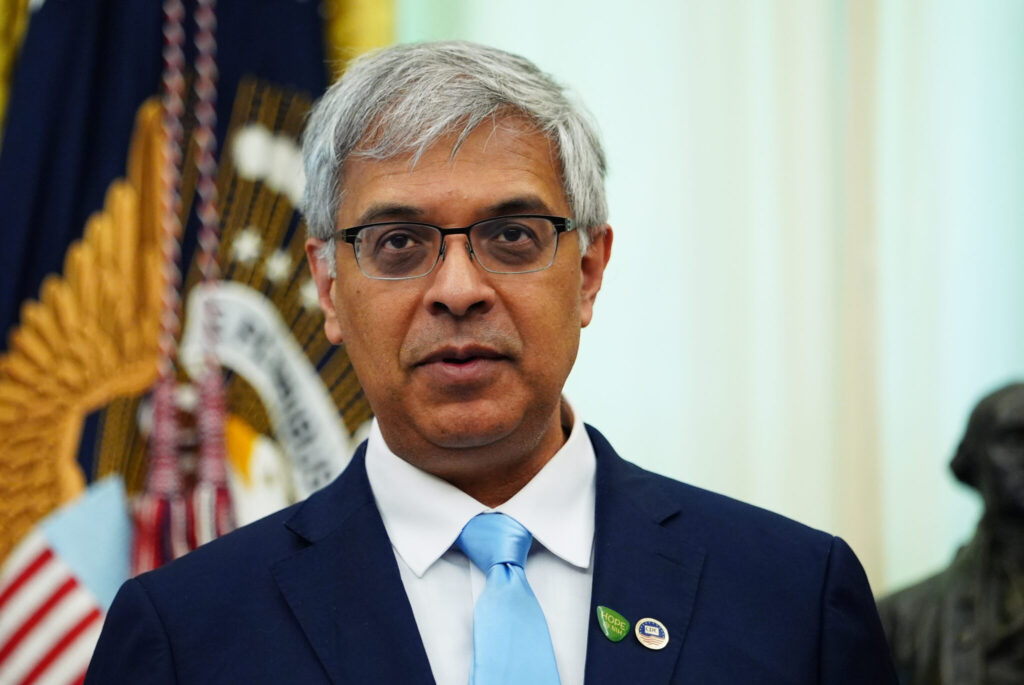
The National Institutes of Health director, Jay Bhattacharya, is simultaneously serving as acting head of the Centers for Disease Control and Prevention.
The FDA also lacked a permanent vaccine chief even before Makary’s resignation after that official was removed for a second time within a year.
Critics argue the scope of turnover inside HHS has become unusually severe compared with previous administrations.
“It’s a sign that something is not right in this department,” said Dr. Daniel Jernigan, a former senior CDC official.
Critics Warn Scientific Expertise Is Eroding
Public health experts say the leadership instability is especially troubling because many recent appointees lack traditional scientific or medical backgrounds.
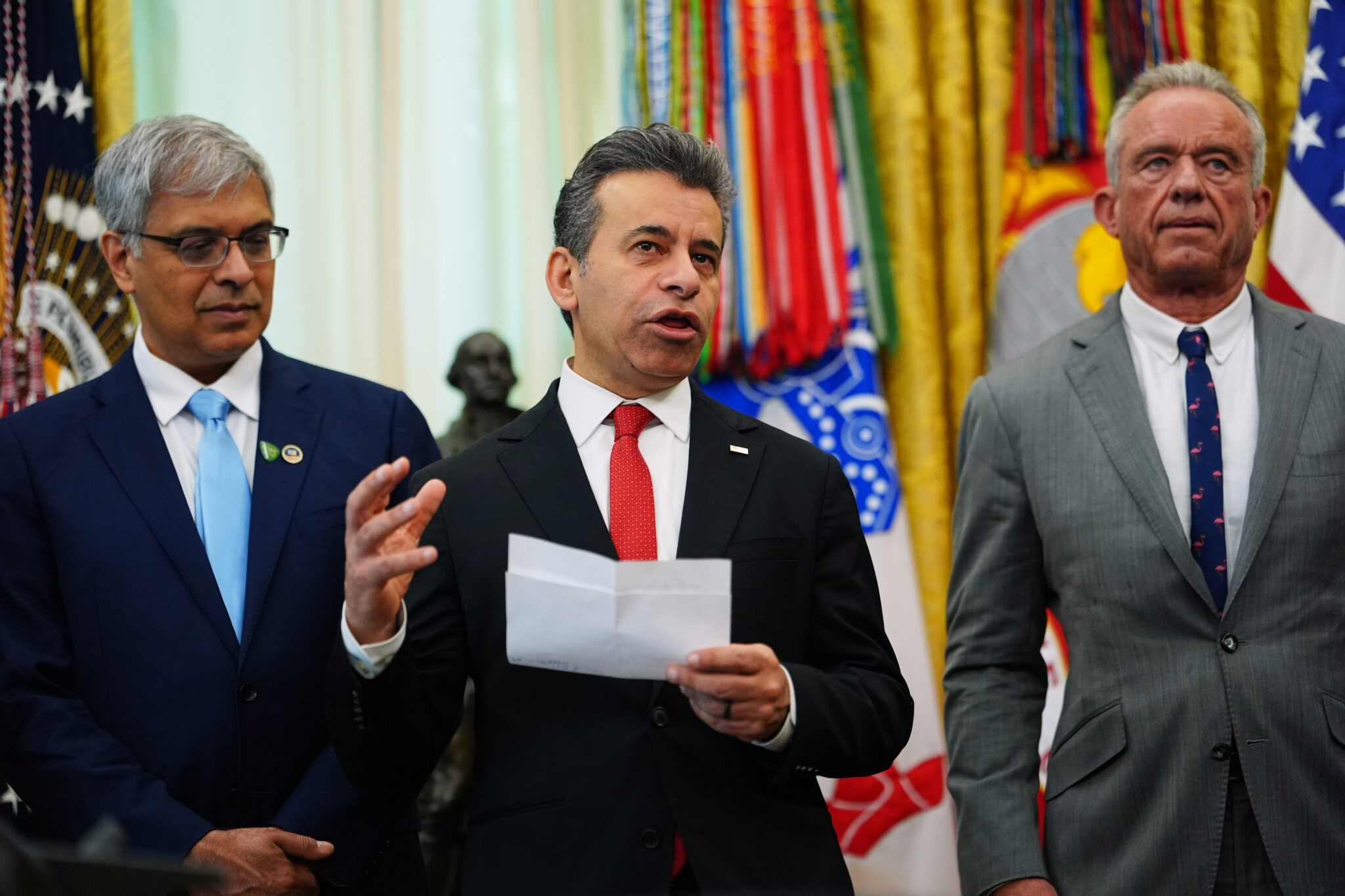
Makary’s interim replacement, Kyle Diamantas, was selected by President Donald Trump to serve as acting FDA commissioner.
Diamantas is an attorney and associate of Donald Trump Jr. and is the first person in more than 50 years to lead the FDA without formal medical or scientific training.
He is also serving as chief counselor to Kennedy.
Critics say the appointment reflects a broader shift away from evidence-based scientific leadership inside HHS agencies.
“Kyle Diamantas now has a nearly impossible charge,” said Dr. Peter Lurie, former FDA associate commissioner and current official at the Center for Science in the Public Interest.
Lurie criticized what he described as ideological interference inside agencies traditionally guided by scientific expertise.
FDA Faces Major Policy Battles
Makary leaves behind several controversial and unfinished initiatives at the FDA.
Among the most closely watched efforts is the agency’s attempt to create the federal government’s first formal definition of “ultra-processed foods.”
Kennedy has repeatedly blamed processed foods for rising rates of obesity, diabetes, and chronic illness in the United States.
The FDA is also reviewing policies tied to food dyes, antidepressants, vaccines, and COVID-19 booster guidance.
Balancing Kennedy’s anti-corporate priorities with the Trump administration’s broader deregulatory agenda has created internal tensions throughout the agency.
Industry groups, scientists, and consumer advocates are closely watching how the FDA proceeds without permanent leadership.
CDC Leadership Has Also Been Unstable
The CDC has experienced repeated leadership disruptions throughout Trump’s second term.
Trump initially nominated former Florida congressman Dr. David Weldon to lead the agency in early 2025, but his Senate confirmation hearing was abruptly canceled after concerns emerged about insufficient support.
The administration later selected Susan Monarez, who was confirmed by the Senate but removed less than a month later because of disagreements over administration priorities.
Several senior CDC scientific leaders resigned after Monarez’s dismissal, arguing that political interference was undermining the agency’s independence and scientific credibility.
Since then, the CDC has cycled through multiple acting leaders.
Public Health Concerns Grow During Outbreaks
The leadership uncertainty comes as federal health agencies continue managing public health threats including the current hantavirus outbreak.
CDC officials deployed emergency response teams and issued public guidance during the outbreak, though critics accused leadership of inconsistent communication.
Bhattacharya appeared on Fox News during the crisis but reportedly misstated some details and overstated what scientists knew about the outbreak at the time.
Former officials argue career scientists should play a larger public role during emergencies.
“That will do more for trust and for calming the nerves of the U.S. right now,” Jernigan said.
Public trust in federal health agencies remains significantly lower than before the COVID-19 pandemic.
White House Messaging Has Shifted
The turmoil inside HHS also reflects broader shifts in White House health policy messaging ahead of the midterm elections.
Early in Kennedy’s tenure, the administration focused heavily on vaccine skepticism and controversial public health reforms tied to the “Make America Healthy Again” movement.
More recently, the administration has pivoted toward issues involving affordability, food quality, lifestyle, and chronic disease prevention.
The White House also appears to be distancing itself somewhat from some of Kennedy’s more controversial positions.
Last month, Trump withdrew a surgeon general nominee closely associated with Kennedy’s movement and instead nominated Dr. Nicole Saphier, a radiologist and former Fox News contributor who has publicly supported vaccines more strongly than Kennedy.
Saphier has at times criticized actions taken by the current HHS leadership.
Concerns Grow Over Ideology and Public Trust
Critics increasingly worry that ideology is replacing scientific expertise inside federal health agencies.
Kathleen Hall Jamieson, director of the Annenberg Public Policy Center, warned that leadership credibility becomes especially important during national health emergencies.
“The key question for me is, when we need these agencies to speak, will they have the capacity to draw the science together and tell us what we need to know?” Jamieson said.
Former officials argue that continued turnover, political battles, staffing cuts, and leadership vacancies risk weakening agencies responsible for responding to disease outbreaks, approving medicines, regulating food safety, and protecting public health.
Kennedy Remains Dominant Figure Inside HHS
Despite the instability, Kennedy remains the dominant public face of federal health policy.
Supporters argue he is challenging entrenched pharmaceutical interests and promoting healthier lifestyles.
Opponents contend that his approach prioritizes ideology over evidence-based science.
“The driver for the secretary is the ideology,” Jernigan said. “And that’s not a strategy for really improving the health of Americans.”
As the FDA and CDC continue operating under interim leadership, the administration faces growing scrutiny over whether America’s health agencies can effectively function during one of the most politically contentious periods in modern public health history.