Trump Administration Freezes New Medicare Hospice Enrollments Nationwide/ Newslooks/ WASHINGTON/ J. Mansour/ Morning Edition/ The Trump administration announced a nationwide six-month freeze on new Medicare enrollments for hospice and home health agencies. Officials say the move is designed to combat widespread fraud and abuse within federal health programs. Critics warn the aggressive crackdown could also hurt legitimate providers and reduce patient access to care.
Medicare Fraud Crackdown Quick Looks
- CMS imposed a six-month enrollment freeze nationwide
- New hospice and home health agencies cannot join Medicare
- Officials say the move targets healthcare fraud schemes
- Dr. Mehmet Oz announced the action Wednesday
- JD Vance’s anti-fraud task force helped drive the policy
- Existing providers will continue operating normally
- Critics fear legitimate providers may face unfair penalties
- The administration already launched Medicaid fraud investigations in several states
Deep Look
Trump Administration Expands Medicare Fraud Crackdown
The Trump administration announced Wednesday that it is freezing new Medicare enrollments for hospice and home health agencies nationwide as part of a sweeping anti-fraud initiative targeting federal healthcare programs.
The six-month moratorium temporarily blocks any new providers in those sectors from enrolling in Medicare reimbursement programs.
The Centers for Medicare and Medicaid Services said the action is aimed at stopping fraudulent operators from entering the system while federal investigators intensify oversight of existing providers.
The move represents one of the administration’s largest healthcare anti-fraud actions to date.
CMS Says Fraud Has Exploited Vulnerable Patients
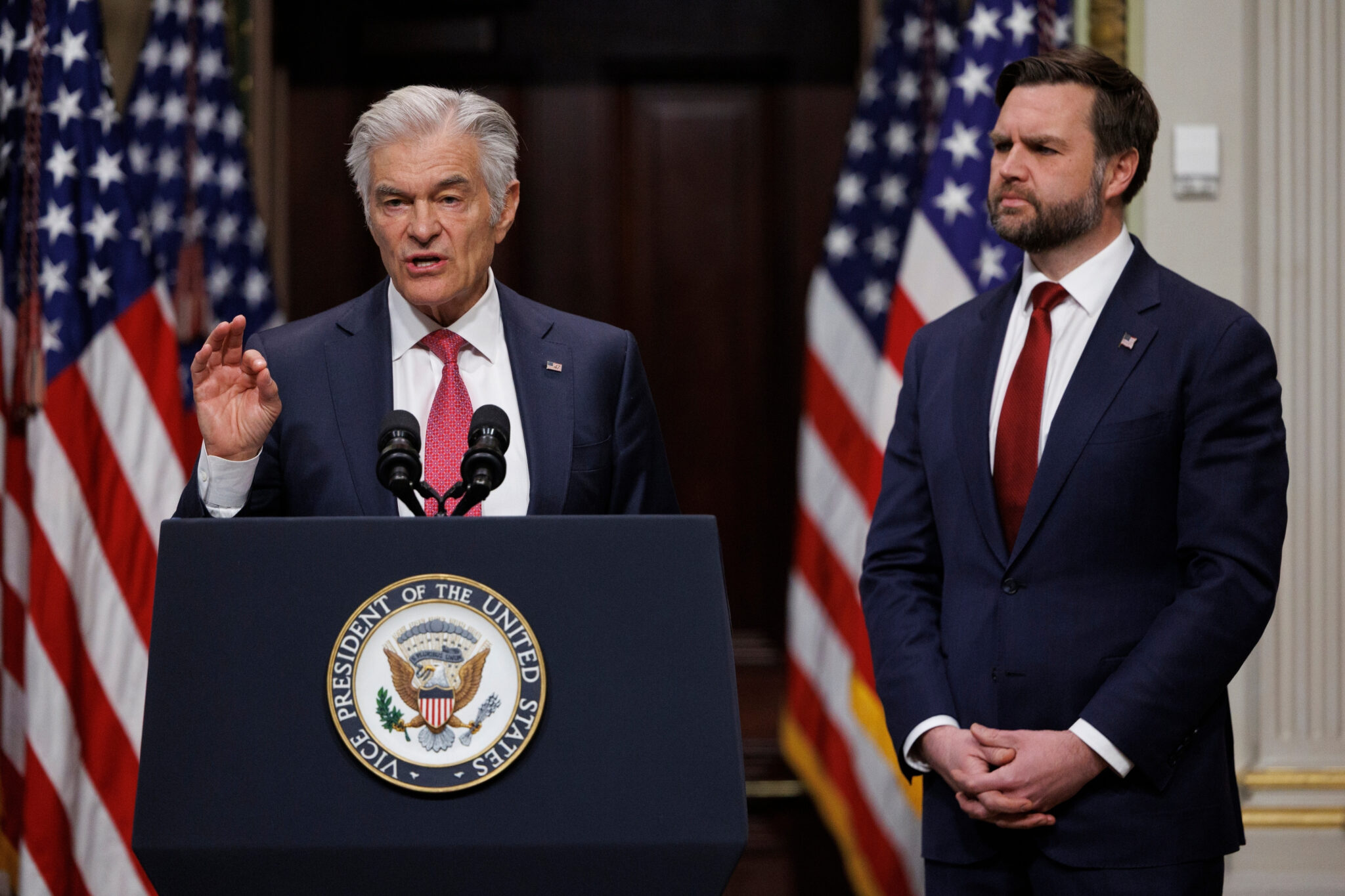
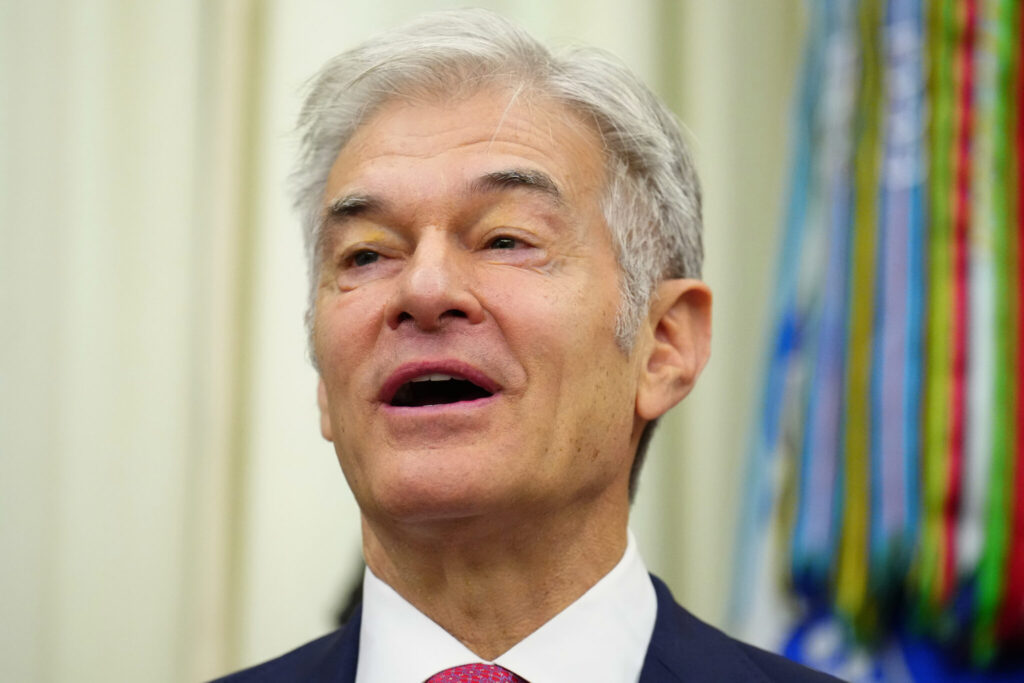
CMS Administrator Dr. Mehmet Oz described the healthcare fraud concerns as both widespread and deeply troubling.
“We’ve seen systemic and deeply troubling fraud in the hospice and home health space, with bad actors exploiting some of our most vulnerable Medicare patients and stealing money from the American taxpayer,” Oz said in a statement.
“Today we’re shutting the door on fraud — preventing new bad actors from entering Medicare while we aggressively identify, investigate, and remove those already exploiting them.”
Federal officials say fraudulent billing schemes involving hospice and home healthcare providers have cost taxpayers millions of dollars in recent years.
Authorities have prosecuted multiple fraud cases tied to false Medicare claims, unnecessary services, and abuse involving elderly or vulnerable patients.
JD Vance Task Force Drives Initiative
The enrollment freeze is closely tied to the anti-fraud task force launched by Vice President JD Vance under President Donald Trump’s administration.
The task force has focused heavily on investigating alleged misuse of federal healthcare funds involving both Medicare and Medicaid programs.
Administration officials argue the crackdown is necessary to preserve healthcare resources for patients who genuinely need assistance.
The White House has increasingly emphasized government efficiency, anti-fraud enforcement, and reducing wasteful federal spending ahead of the 2026 midterm elections.
Existing Providers Can Continue Operating
Under the temporary moratorium, existing hospice and home healthcare providers already enrolled in Medicare can continue operating normally.
However, CMS said enforcement efforts against suspected fraud will intensify significantly during the freeze.
The agency plans to use advanced data analytics, targeted investigations, and accelerated enforcement measures to identify providers suspected of fraudulent activity.
Federal officials say the moratorium gives regulators time to review oversight systems while preventing additional questionable operators from entering the program.
Critics Warn Legitimate Providers Could Suffer
While many healthcare experts acknowledge fraud concerns within the industry, critics argue the administration’s broad approach could unintentionally punish legitimate providers.
Some healthcare organizations worry that enrollment freezes may reduce patient access to care, especially in underserved communities already facing shortages of home healthcare services.
Others fear aggressive enforcement tactics could create uncertainty for providers trying to comply with federal regulations.
Critics also argue that healthcare fraud investigations require precision rather than sweeping restrictions affecting entire industries.
Similar Moratoriums Have Happened Before
Healthcare policy experts note that temporary enrollment freezes are not entirely unprecedented.
Tricia Neumann, senior vice president at healthcare research nonprofit KFF, pointed out that President Bill Clinton’s administration previously imposed a moratorium involving home healthcare agencies.
“A brief moratorium gives the administration time to crack down on true fraud and prevent new fraudulent entities from popping up,” Neumann said.
Still, the current nationwide scope of the freeze is unusually broad compared with many previous actions.
Administration Already Investigating States
The enrollment freeze follows several recent enforcement actions involving healthcare fraud investigations.
CMS recently suspended payments to hundreds of hospice and home healthcare agencies in Los Angeles over alleged fraudulent activity.
The administration also extended a separate moratorium on certain Medicare suppliers involving durable medical equipment, prosthetics, and orthotic devices.
Additionally, federal investigators have approached at least five states regarding possible Medicaid fraud investigations.
In Minnesota alone, the administration halted approximately $243 million in Medicaid payments while reviewing potential fraud concerns.
Last month, CMS also ordered all 50 states to submit plans explaining how they would revalidate Medicaid providers under expanded oversight rules.
Questions Raised About Administration Methods
Despite the administration’s aggressive anti-fraud posture, critics say some investigations have raised concerns about accuracy and due process.
In April, CMS acknowledged it had made a significant error involving figures used to justify a fraud investigation targeting New York.
The admission intensified criticism that the administration sometimes launches investigations before fully verifying the facts.
Opponents argue the pattern reflects a broader tendency within the Trump administration to move aggressively first and resolve factual disputes later.
The error also raised concerns among healthcare providers worried about reputational damage and financial disruption resulting from government investigations.
Healthcare Costs Remain Political Issue
The crackdown comes at a time when healthcare affordability and access remain major political concerns nationwide.
Rising medical costs, hospital closures, insurance disruptions, and new Medicaid work requirements have all increased public anxiety over healthcare access.
Some analysts believe the administration’s anti-fraud campaign is also intended to reassure voters that federal healthcare spending is being closely monitored.
Supporters argue stronger oversight helps protect taxpayer dollars and preserve long-term sustainability for Medicare and Medicaid.
Critics counter that aggressive enforcement without sufficient safeguards could weaken healthcare access for vulnerable populations.
Debate Over Oversight and Access Continues
The six-month freeze is expected to intensify debate over how aggressively the federal government should police healthcare fraud while maintaining access to essential medical services.
For now, the administration appears committed to expanding oversight even as concerns grow about unintended consequences for providers and patients alike.
The broader political and policy battle over healthcare costs, fraud prevention, and federal regulation is likely to remain a major issue heading into the 2026 elections.