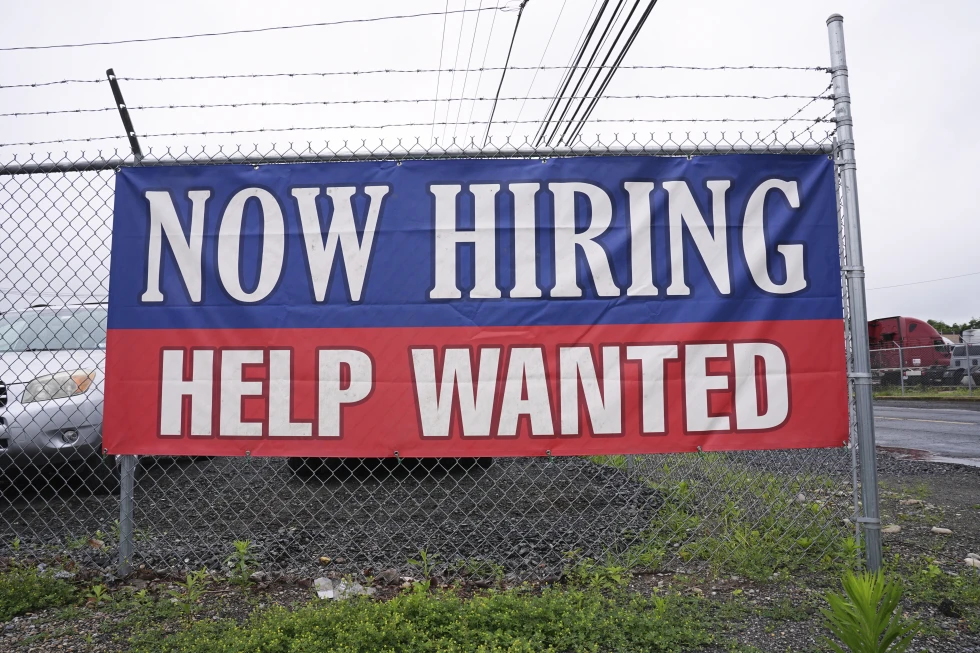
US Jobless Claims Rise to 211,000 as Iran War Clouds Economic Outlook/ Newslooks/ WASHINGTON/ J. Mansour/ Morning Edition/ New US unemployment claims climbed to 211,000 last week as economic uncertainty tied to the Iran war continued weighing on businesses and consumers. Rising inflation, soaring oil prices, and slowing hiring are increasing fears about the broader economic outlook. Despite the increase, layoffs remain historically low and the unemployment rate continues holding near 4.3%.
US Jobless Claims Quick Looks
- Weekly jobless claims rose to 211,000
- Claims increased by 12,000 from the previous week
- The unemployment rate remains low at 4.3%
- Iran war disruptions continue fueling inflation concerns
- Gas prices have climbed above $4.50 per gallon
- The Strait of Hormuz remains effectively closed
- Businesses face pressure from higher energy costs
- Economists describe the labor market as “low-hire, low-fire”
Deep Look
US Jobless Claims Rise Amid Economic Uncertainty
New filings for unemployment benefits increased last week as the ongoing Iran war continues clouding the outlook for the US economy and labor market.
The Labor Department reported Thursday that applications for unemployment aid rose by 12,000 to 211,000 for the week ending May 9.
That figure came in slightly above economists’ expectations of 207,000 new claims.
While layoffs remain relatively low by historical standards, the increase reflects growing economic caution as inflation, energy costs, and geopolitical instability continue weighing on businesses nationwide.
Labor Market Remains Stable but Sluggish
Despite the rise in claims, the US labor market remains relatively resilient overall.
The unemployment rate continues holding at 4.3%, a historically low level.
However, economists increasingly describe the current labor environment as a “low-hire, low-fire” market.
That means companies are generally avoiding large layoffs but are also slowing hiring significantly.
As a result, workers who lose jobs are often struggling to find new employment quickly.
The trend has created a more stagnant labor market compared with the rapid hiring surge seen after the pandemic recovery.
Iran War Intensifies Economic Pressure
The conflict involving Iran remains one of the biggest drivers of economic uncertainty.
Since fighting escalated in late February, global energy markets have been heavily disrupted.
The Strait of Hormuz — a critical shipping route carrying roughly one-fifth of the world’s oil supply — remains effectively closed.
As a result, oil prices have surged more than 50% since the conflict began.
The average US gasoline price has jumped to $4.53 per gallon, up dramatically from below $3 earlier this year.
The sharp increase in fuel costs has placed additional strain on both consumers and businesses.
Inflation Continues Climbing
New inflation reports this week further intensified concerns about the economy.
Consumer prices rose 3.8% compared with April 2025, marking the largest annual increase in three years.
Wholesale inflation also accelerated sharply.
The Labor Department’s producer price index jumped 6% year over year, reaching its highest level since late 2022.
The monthly increase in wholesale prices represented the largest gain in more than four years.
Energy costs remain one of the biggest contributors to inflation pressure.
Higher transportation and fuel costs are gradually spreading into food prices, retail goods, and manufacturing expenses.
Businesses Face Hiring Challenges
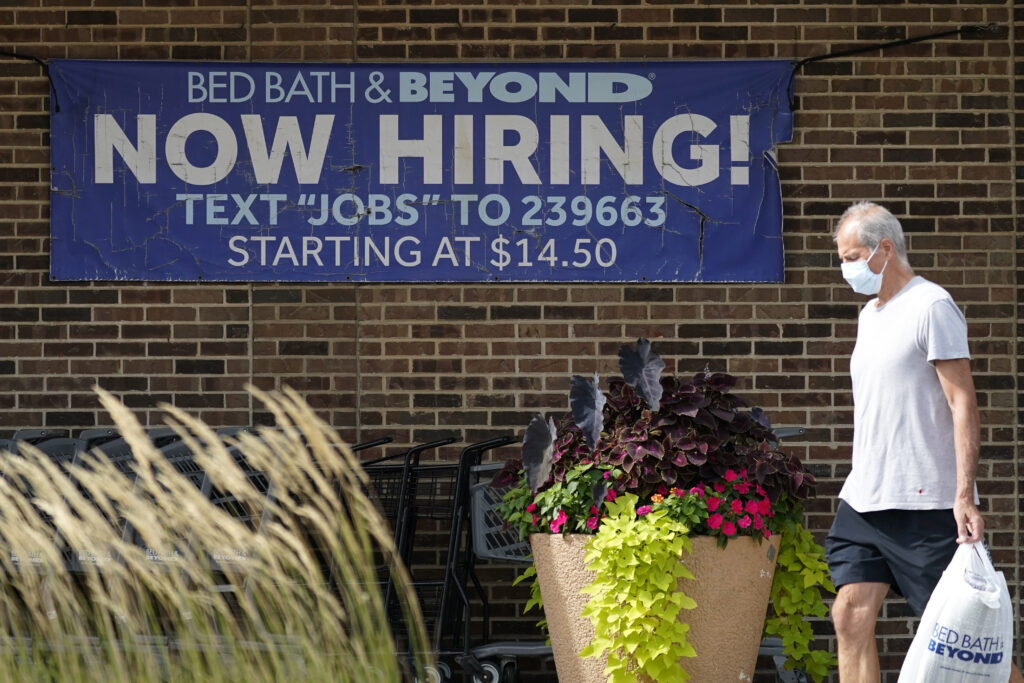
The combination of rising costs and economic uncertainty is making many companies more cautious about hiring.
Higher gasoline and energy prices increase transportation, manufacturing, and operational expenses across multiple industries.
Businesses are also dealing with:
- Elevated borrowing costs
- Inflation pressure
- Slower consumer spending
- Global supply uncertainty
- Geopolitical instability
Economists warn that if energy prices remain elevated, companies could eventually reduce hiring further or begin larger rounds of layoffs.
Federal Reserve Holds Rates Steady
The Federal Reserve recently decided to leave interest rates unchanged as policymakers evaluate the impact of the Iran conflict and worsening inflation.
Fed officials remain concerned that cutting rates too soon could intensify price increases further.
At the same time, keeping rates elevated risks slowing economic growth and hiring.
Several Federal Reserve policymakers have even suggested additional rate hikes could still be possible if inflation continues worsening.
The balancing act has increased uncertainty for businesses, consumers, and investors alike.
Artificial Intelligence Also Reshaping Jobs
The labor market is also facing longer-term structural changes tied to artificial intelligence.
Rapid investment in AI technologies is beginning to alter hiring patterns across multiple sectors.
Some economists believe automation and AI-driven productivity gains could eventually replace or reduce certain types of jobs.
Technology investment remains strong despite broader economic uncertainty, particularly among major corporations expanding AI infrastructure and digital systems.
Major Companies Continue Cutting Jobs
Several major companies have already announced layoffs or workforce reductions in recent months.
Among the firms cutting jobs are:
- Verizon
- UPS
- Amazon
- Disney
- Walmart
Although layoffs remain relatively modest compared with past recessions, the announcements have reinforced concerns about slowing economic momentum.
Hiring has already weakened significantly compared with previous years.
Hiring Growth Slows Sharply
The pace of job growth has cooled dramatically over the past two years.
US employers added just 115,000 jobs in April — considered a surprisingly solid number given current economic pressures, but still well below the hiring pace seen during earlier recovery periods.
According to FactSet data, employers added fewer than 200,000 jobs over the past year compared with roughly 1.5 million in 2024.
Analysts say several factors contributed to the slowdown, including:
- High interest rates
- Tariff uncertainty
- Federal workforce reductions
- Inflation pressure
- Geopolitical instability
Economic Outlook Remains Uncertain
For now, the labor market remains relatively stable despite rising uncertainty.
Weekly unemployment claims continue hovering near historically healthy levels.
However, economists warn conditions could deteriorate if inflation keeps rising or if the Iran conflict further disrupts global energy supplies.
Much will likely depend on whether oil prices stabilize, inflation eases, and businesses regain confidence in the broader economic outlook.