Bipartisan Senators Pressure Hegseth Over Delayed Ukraine Aid/ Newslooks/ WASHINGTON/ J. Mansour/ Morning Edition/ A bipartisan group of senators is urging Defense Secretary Pete Hegseth to release $600 million in delayed military aid for Ukraine and Eastern European allies. Lawmakers from both parties say continued delays weaken deterrence against Russia and strain US alliances in the region. The dispute highlights growing Republican frustration with the Trump administration’s shifting Ukraine policy.
Ukraine Aid Dispute Quick Looks
- Senators demanded release of delayed Ukraine aid.
- The Pentagon has withheld $600 million in security funding.
- $400 million is designated for Ukraine.
- Another $200 million targets Baltic defense programs.
- Both Republicans and Democrats signed the letter.
- Pete Hegseth previously promised a spending plan.
- Senators say the Pentagon missed its deadline.
- GOP frustration with Trump’s Ukraine stance is growing.
- Concerns are rising over possible US troop withdrawals.
- Congress continues debating support for Ukraine.
Deep Look
Bipartisan Senators Push Pentagon to Release Ukraine Aid
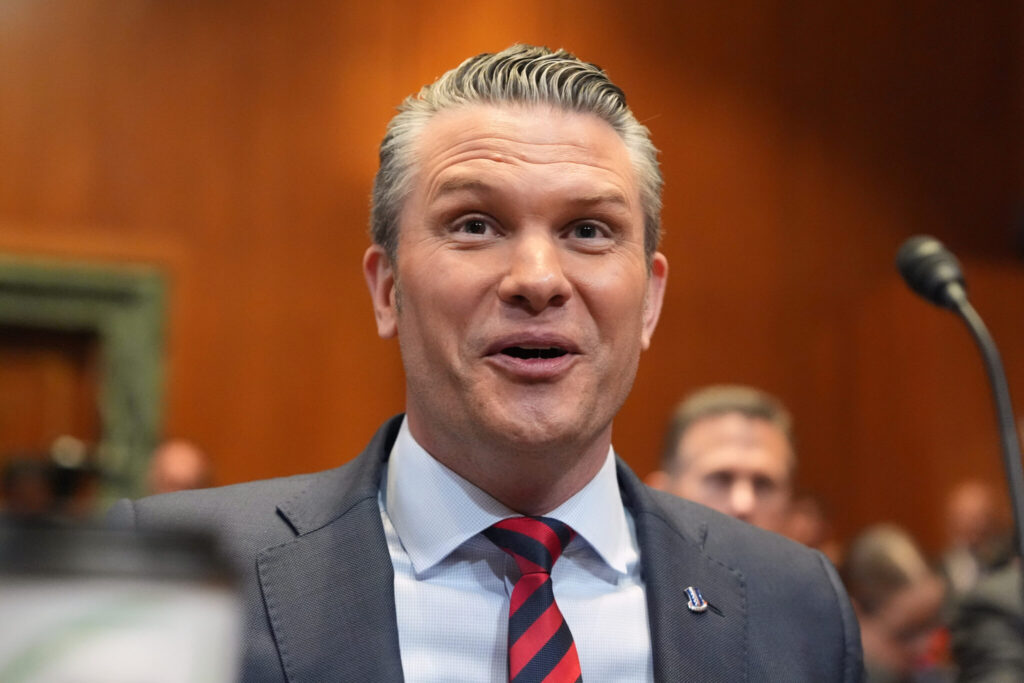
A bipartisan group of US senators is pressuring Defense Secretary Pete Hegseth to release hundreds of millions of dollars in delayed military assistance intended for Ukraine and Eastern European allies.
In a sharply worded letter sent Friday, lawmakers demanded action on approximately $600 million in security funding approved by Congress last year but still not distributed by the Department of Defense.
The dispute marks another sign of growing tension between Congress and President Donald Trump’s administration over America’s role in supporting Ukraine during its prolonged war with Russia.
Senators Warn Delays Could Help Russia
The bipartisan letter warned that continued delays risk weakening NATO deterrence and emboldening Russian aggression across Eastern Europe.
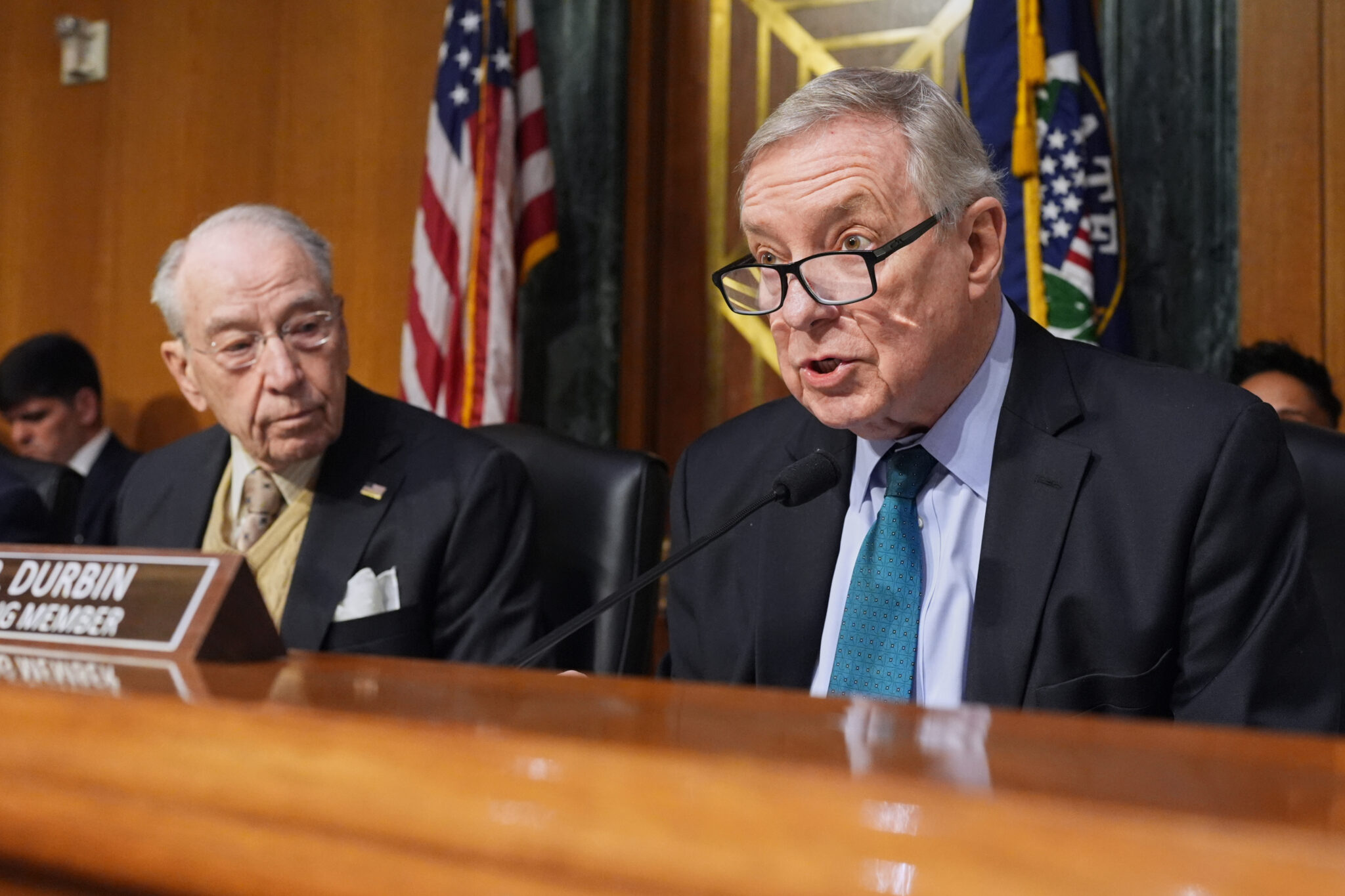
“Ukraine has persistently and bravely repelled a four-year Russian onslaught, but its military needs and deserves continued American support,” wrote Democratic Sen. Dick Durbin and Republican Sen. Chuck Grassley.
Other senators signing the letter included:
- Thom Tillis
- Kevin Cramer
- Michael Bennet
- Catherine Cortez Masto
The lawmakers argued the Pentagon’s failure to move the aid forward creates uncertainty for allies already facing mounting pressure from Russia.
Funding Includes Ukraine and Baltic Defense Support
The delayed funding package includes:
- $400 million for Ukraine security assistance
- $200 million for defense programs in Estonia, Latvia, and Lithuania
The Baltic nations have become increasingly important strategic partners as NATO attempts to strengthen defenses along Russia’s western border.
Lawmakers warned that any weakening of support for Eastern European allies could damage broader regional security efforts.
Pentagon Missed Promised Deadline
The senators accused the Pentagon of failing to follow through on commitments made earlier this month.
During a congressional hearing more than three weeks ago, Hegseth told lawmakers the Ukraine funding had been “released” and promised a detailed spending plan would arrive by May 15.
According to the senators, that deadline passed without the required plan being submitted.
“Any further delays — particularly as the Department reportedly plans troubling U.S. troops withdrawals from the region — risks our ability to adequately deter Russia,” the senators wrote.
Republican Frustration With Trump Growing
The Ukraine dispute comes during a tense week inside Republican politics as frustration with some Trump administration policies grows among Senate Republicans.
Several GOP lawmakers have privately and publicly expressed concern over:
- Reduced support for Ukraine
- Potential troop withdrawals from Europe
- Personnel shakeups at the Pentagon
- Trump’s softer rhetoric toward Russia
The frustration intensified after Trump endorsed a primary challenger against Republican Sen. John Cornyn of Texas, angering some Senate Republicans already uneasy about administration policies.
Tillis Publicly Criticizes Trump Advisors
Republican Sen. Thom Tillis escalated tensions further Friday during a social media exchange involving the president.
Tillis blamed Trump advisers for policies he believes are politically damaging Republicans.
Among the issues he cited was:
“Not holding Putin accountable for his systematic kidnapping, rape, torture, and murder of Ukrainian civilians.”
The unusually direct criticism underscores growing divisions inside the Republican Party over foreign policy and America’s relationship with Ukraine.
Hegseth Under Additional Pentagon Scrutiny
Defense Secretary Pete Hegseth is also facing criticism over leadership changes inside the military.
Several Republicans have questioned his decision to remove Army Chief of Staff Gen. Randy George last month.
George had reportedly worked closely with Ukrainian military officials to study battlefield lessons involving:
- Drone warfare
- Modern battlefield technology
- Urban combat strategy
- Russian military tactics
Critics argue his dismissal weakened military modernization efforts at a critical moment.
Congress Continues Supporting Ukraine
Despite shifting rhetoric inside parts of the Trump administration, many lawmakers in both parties continue supporting military assistance for Ukraine.
In the House, Democrats recently backed a proposal involving:
- Sweeping sanctions against Russia
- An additional $1 billion in military aid to Ukraine
Although that legislation faces long odds politically, it demonstrates continued bipartisan support among many members of Congress for Ukraine’s war effort.
Ukraine Aid Symbolically Important
Compared to the massive multibillion-dollar aid packages approved earlier in the war, the current $400 million package is relatively modest financially.
However, lawmakers increasingly view the funding as symbolically important.
For many senators, continued aid demonstrates that Congress remains committed to:
- NATO stability
- Eastern European security
- Countering Russian aggression
- Maintaining American leadership abroad
The delay has therefore become about more than just funding — it has evolved into a broader political test of the Trump administration’s commitment to traditional US alliances.
Foreign Policy Divide Emerging Inside GOP
The disagreement reflects a deeper divide emerging inside the Republican Party over foreign policy priorities.
Some Republicans aligned closely with Trump argue the United States should reduce overseas commitments and focus more heavily on domestic concerns.
Others maintain that supporting Ukraine remains essential to:
- Containing Russia
- Protecting NATO
- Preserving global stability
- Preventing wider conflict
As the war continues, those divisions are likely to intensify further heading into the 2026 elections.