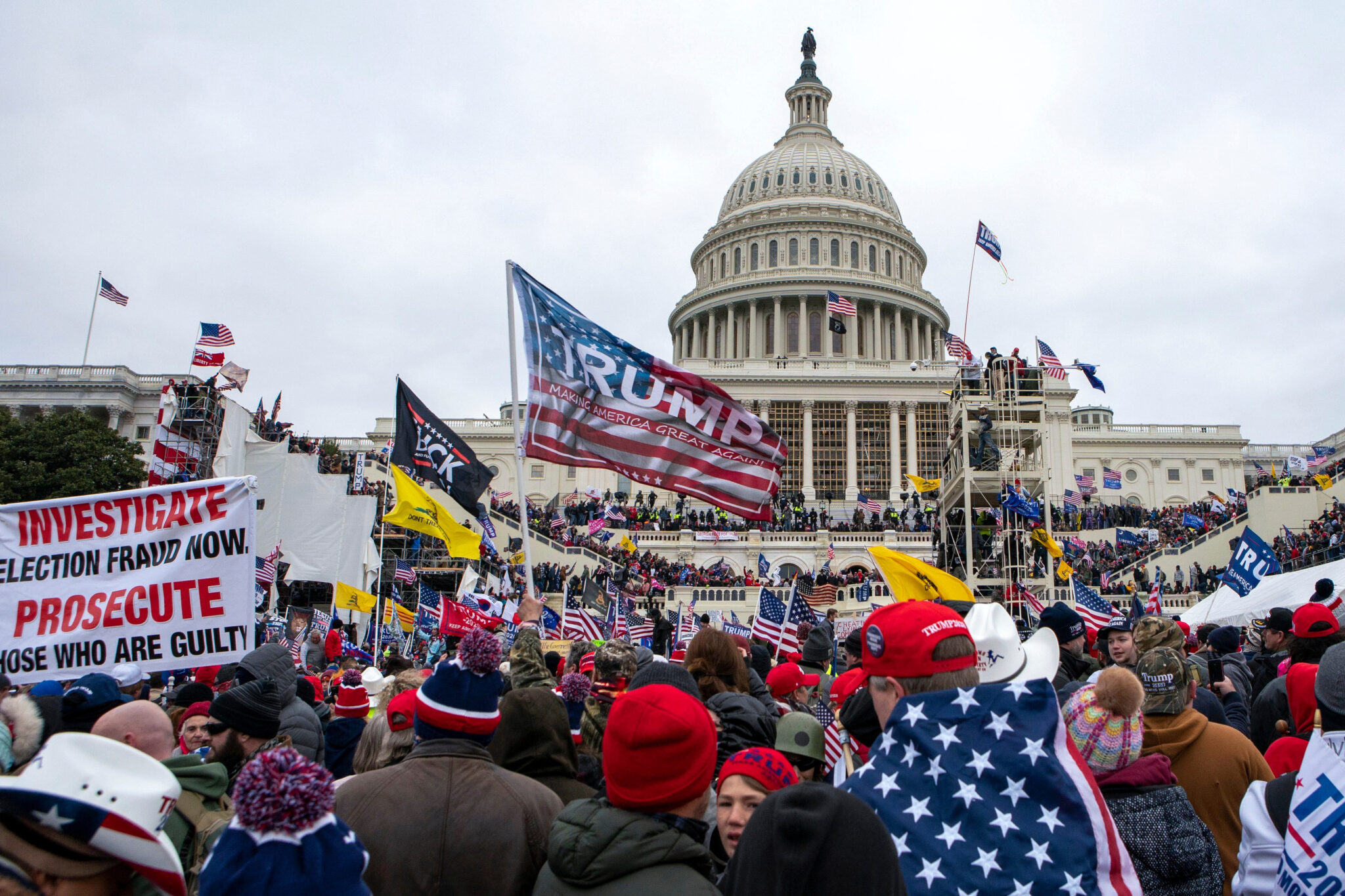
Trump $1.8B ‘Anti-Weaponization’ Fund Sparks Debate as Jan. 6 Capitol Rioters Seek Payouts/ Newslooks/ WASHINGTON/ J. Mansour/ Morning Edition/ Many pardoned Jan. 6 defendants are seeking compensation from a new $1.776 billion fund established by the Trump administration for alleged victims of government “weaponization.” The fund faces legal challenges and bipartisan criticism, while supporters argue they were unfairly targeted by federal investigations. A federal judge has temporarily frozen the fund as courts review multiple lawsuits challenging its creation.
Trump Anti-Weaponization Fund Quick Looks
- The fund is valued at $1.776 billion.
- Some Jan. 6 defendants are preparing compensation claims.
- Trump pardoned most Capitol riot defendants after returning to office.
- A federal judge has temporarily frozen the fund.
- No formal claims process has been established yet.
- Critics say the fund rewards individuals convicted of crimes.
- Some former rioters oppose receiving compensation.
- Acting Attorney General Todd Blanche says eligibility remains undecided.
- Senate Republicans are considering restrictions on payouts.
- Multiple lawsuits are challenging the program.
Deep Look
Jan. 6 Defendants Eye Compensation Fund
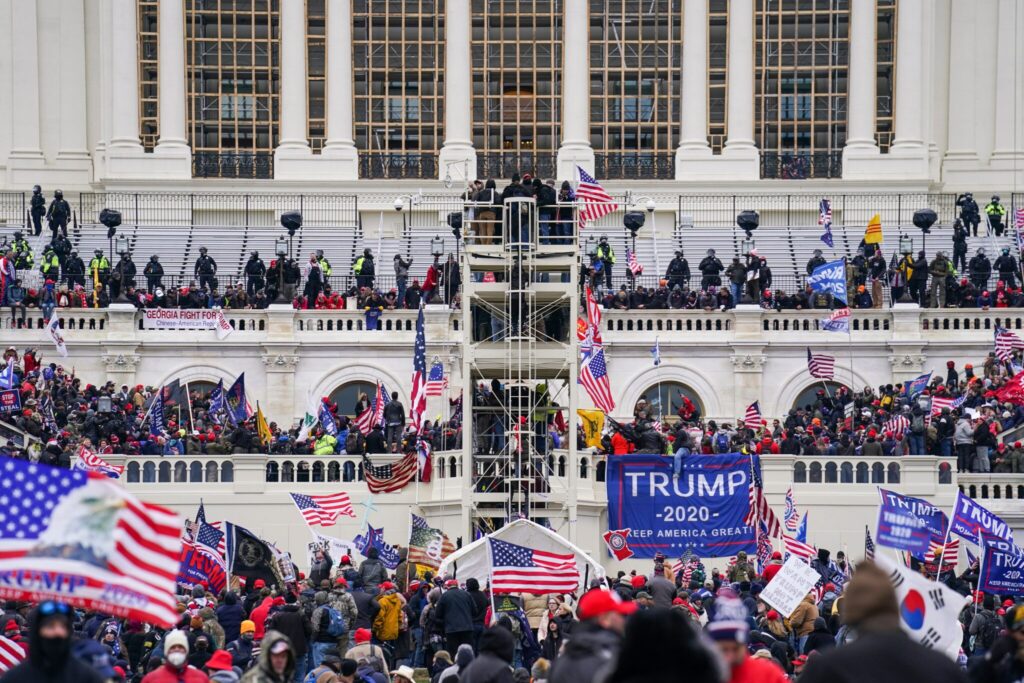
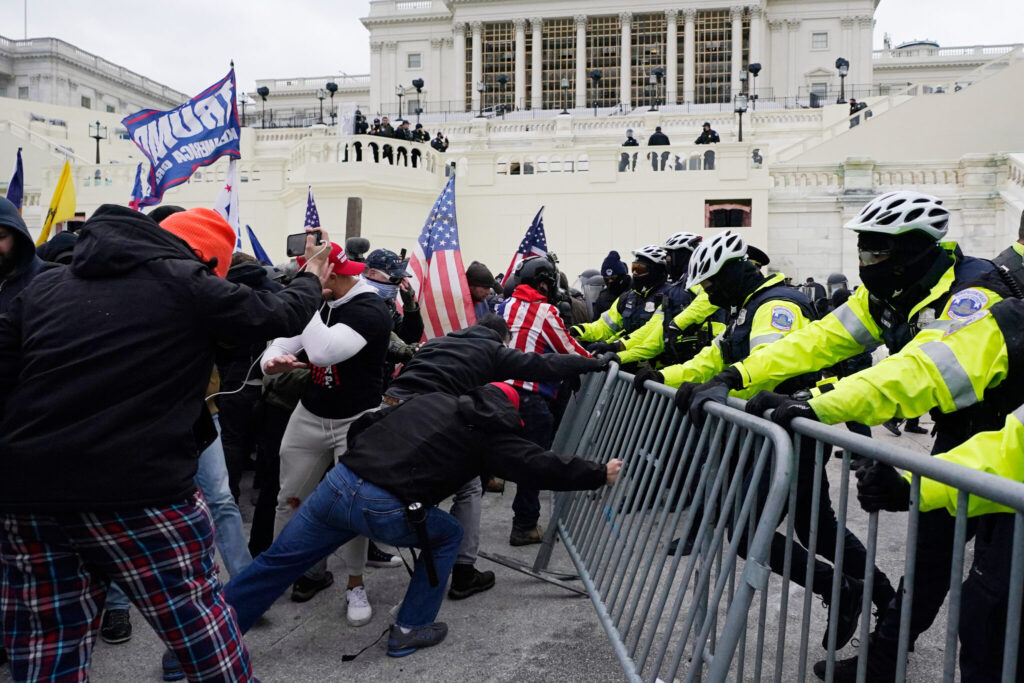
WASHINGTON — A growing number of individuals convicted in connection with the January 6, 2021, Capitol riot are seeking compensation from a new $1.776 billion federal fund created by the Trump administration for people who claim they were victims of government “weaponization.”
The fund, established as part of a settlement involving President Donald Trump’s lawsuit against the Internal Revenue Service, has become a flashpoint in the continuing debate over how the events of January 6 should be viewed and remembered.
While supporters argue many Trump allies were unfairly targeted by investigators and prosecutors, critics contend the fund risks rewarding individuals who admitted under oath that they broke the law.
Former Rioters Prepare Claims
Some members of the self-described “J6 community” are already preparing compensation requests despite the fact that no official application process currently exists.
Among them is David Johnston, a former attorney from South Carolina who entered the Capitol during the riot and later pleaded guilty to a misdemeanor trespassing charge.
Johnston has publicly offered to help other former defendants prepare claims in exchange for a percentage of any awards they may receive.
“I think the narrative is changing” about how the history of that day is being told, Johnston said.
“I think good things are happening for us.”
His comments illustrate how some former defendants view the fund as validation of long-standing claims that they were politically targeted.
Critics Call Fund A Reward For Criminal Conduct
Opponents of the program argue that compensation payments would undermine accountability for the Capitol attack.
Many of the individuals seeking compensation pleaded guilty or were convicted in federal court before receiving pardons after Trump returned to office.
Critics contend that taxpayer-funded compensation would effectively reward criminal behavior.
Former federal prosecutor Brendan Ballou said the fund represents part of a broader effort to reshape public understanding of January 6.
“And if the president is successful in that effort, if he’s able to get people to either forget or condone that day, he knows that he can get people to accept any attack on democracy,” Ballou said.
Some Former Defendants Reject Compensation
Not every former defendant supports the idea.
Jason Riddle, a military veteran from New Hampshire who served time after pleading guilty to riot-related charges, publicly rejected both a pardon and the prospect of compensation.
“I’d love money, but I can’t accept that. That would bother me for the rest of my life,” he said.
“We weren’t innocently persecuted just because of who we are or who we vote for. We were persecuted for committing criminal behavior in the Capitol of the United States.”
His position stands in sharp contrast to many other former defendants who argue they deserve restitution.
Wide Range Of Potential Claimants
The list of individuals expressing interest in compensation extends well beyond those who served short sentences.
Some examples highlighted in public statements include:
- A Florida man photographed carrying then-House Speaker Nancy Pelosi’s podium.
- A New Jersey defendant described by prosecutors as a Nazi sympathizer.
- A Texas man sentenced to seven years in prison for entering the Capitol carrying a metal tomahawk.
Several have characterized the fund as a form of justice or payback for what they view as politically motivated prosecutions.
One Claimant Blames Trump
One of the more unusual potential applicants is Pamela Hemphill of Oregon.
Hemphill, who served time for her role in the Capitol riot, has prepared a claim reportedly seeking $5 million.
Unlike many others, however, she does not blame the government for her situation.
“I wouldn’t have been through all of this if Trump hadn’t lied about the election being stolen,” she said.
“It’s a direct result of his lies that I was even there that day.”
Her comments highlight the continuing divisions even among former participants in the riot.
Eligibility Rules Remain Unclear
One of the largest unanswered questions involves who will actually qualify for payments.
Acting Attorney General Todd Blanche said eligibility standards have not yet been finalized.
According to Blanche, future commissioners overseeing the fund will determine who receives compensation and how much.
“That’s up to the commissioners,” Blanche said when asked whether violent January 6 offenders could qualify.
“You have to define something and then stick to it.”
The administration has not yet named the five commissioners who will oversee the process.
Senate Republicans Push Back
The fund has generated resistance even among some Republicans.
Several Senate Republicans reportedly want restrictions placed on compensation payments as part of a future Department of Homeland Security funding bill.
Lawmakers remain divided over whether convicted January 6 defendants should receive any taxpayer-funded payments.
The disagreement recently led to tense discussions involving administration officials and Senate Republicans.
Those negotiations are expected to continue in the coming weeks.
Federal Judge Freezes Fund
Legal challenges have further complicated implementation.
A federal judge in Virginia recently issued an order temporarily freezing creation of the fund and blocking claims processing while litigation proceeds.
The ruling came in one of at least three lawsuits challenging the legality of the program.
As a result, no payments can currently be distributed until courts decide whether the fund can move forward.
The freeze adds significant uncertainty for potential claimants and administration officials alike.
Trump’s Pardons Reshaped The Debate
The compensation controversy follows sweeping actions taken by Trump after returning to office.
Trump issued pardons to many January 6 defendants and directed prosecutors to dismiss remaining cases.
Nearly 1,600 individuals had been charged in connection with the Capitol attack, and more than 1,200 had already been convicted and sentenced before those actions occurred.
The pardons dramatically changed the legal landscape and emboldened many former defendants who now argue they were victims rather than perpetrators.
Broader Political Implications
The debate over the anti-weaponization fund extends beyond compensation claims.
Supporters see the initiative as an effort to address alleged government overreach and politically motivated investigations.
Opponents argue it risks rewriting the history of January 6 and weakening accountability for attacks on democratic institutions.
As courts review the fund’s legality and policymakers debate its future, the controversy has become another chapter in the broader national argument over the legacy of the Capitol riot and its place in American political history.