

How Americans Celebrated The Bicentennial In 1976/ Newslooks/ WASHINGTON/ J. Mansour/ Morning Edition/ America’s 1976 Bicentennial combined patriotic celebrations, historic commemorations, and pop culture phenomena that captivated millions nationwide. Events like Operation Sail, the Freedom Train, special collectibles, and television tributes highlighted the nation’s 200th birthday. At the same time, films, music, and social commentary reflected lingering divisions from Vietnam and Watergate.
America Bicentennial 1976 Quick Looks
- The nation celebrated its 200th anniversary on July 4, 1976.
- President Gerald Ford participated in major Bicentennial events.
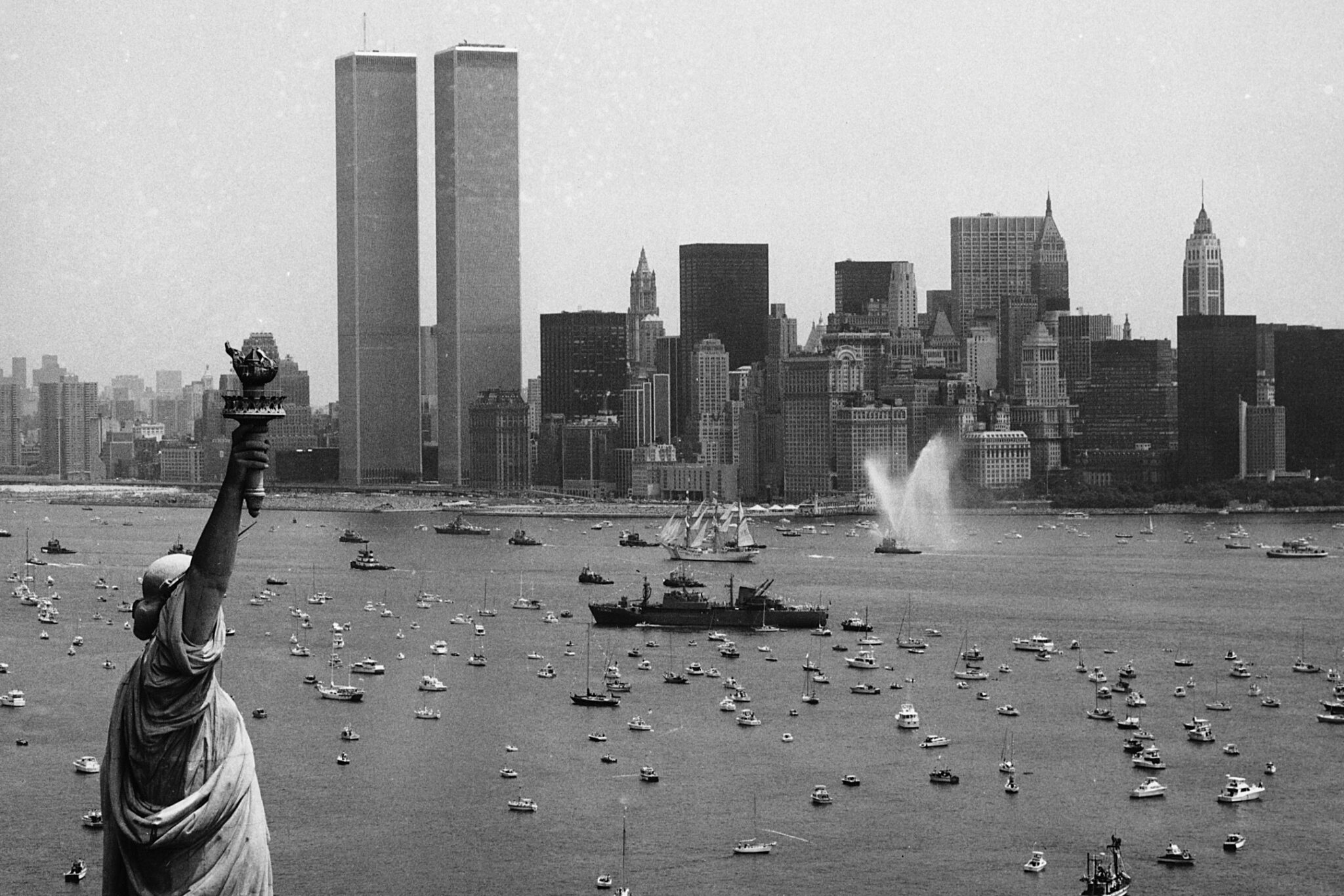
- Operation Sail brought tall ships from around the world to New York Harbor.
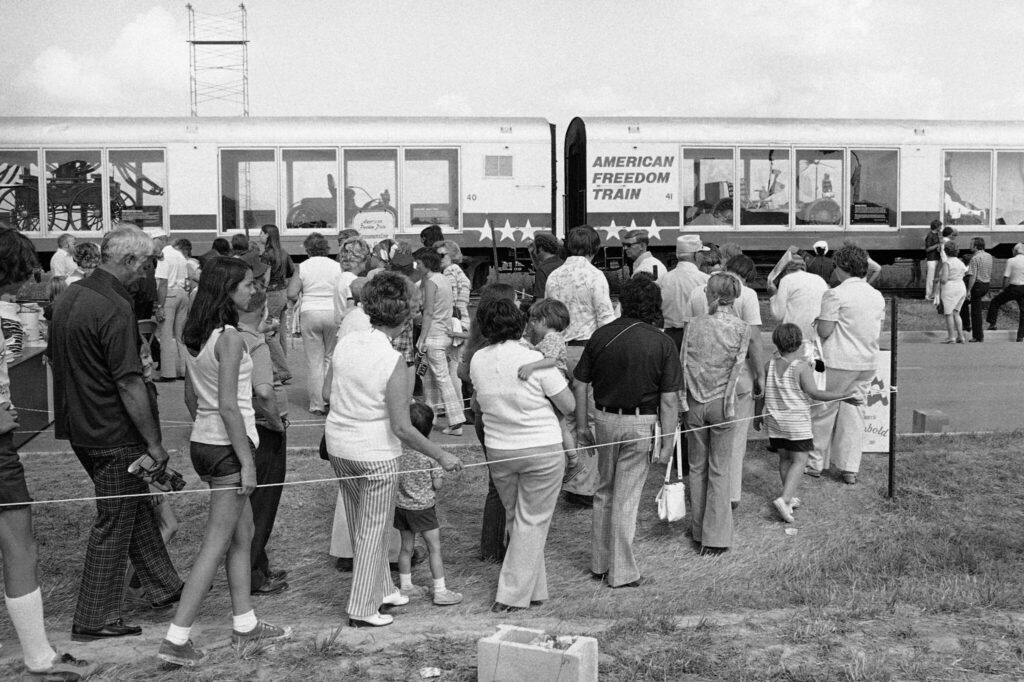
- The American Freedom Train toured all 48 contiguous states.
- Bicentennial-themed merchandise flooded stores nationwide.
- Farrah Fawcett’s iconic poster became a cultural phenomenon.
- Television networks devoted extensive coverage to the anniversary.
- “Schoolhouse Rock!” introduced patriotic educational segments.
- Critics highlighted racial and political tensions beneath the celebrations.
- Films like “Rocky” captured the era’s unique patriotic spirit.
Deep Look
How Americans Celebrated The Bicentennial In 1976
America’s Bicentennial in 1976 was a unique blend of patriotism, nostalgia, pop culture, and national reflection as the country marked 200 years since the signing of the Declaration of Independence.
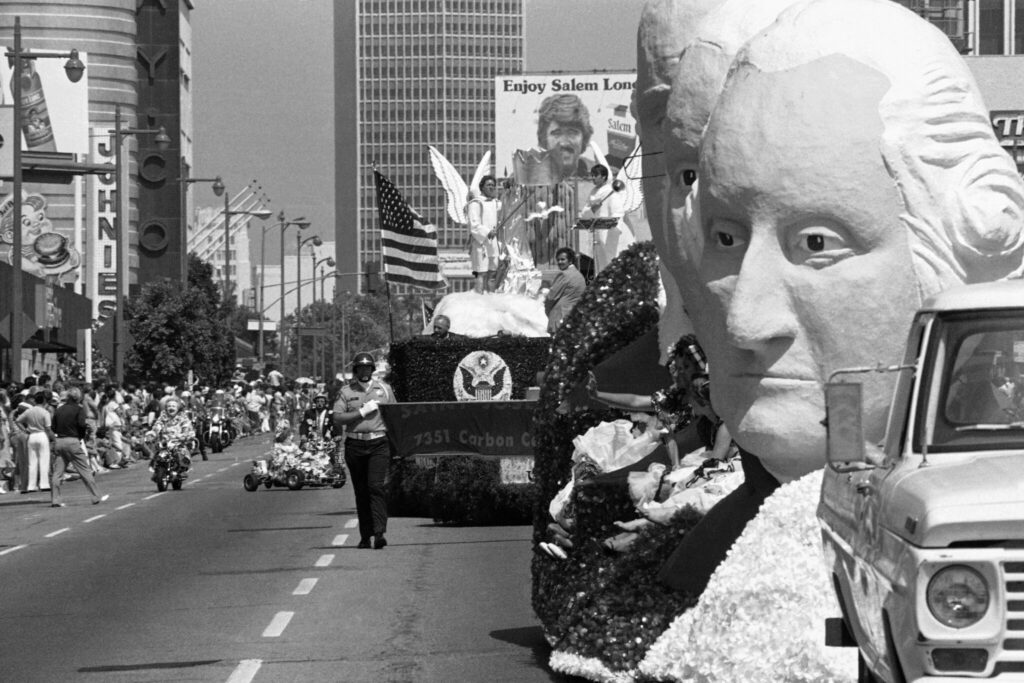
Across the United States, communities celebrated with fireworks, parades, historical reenactments, television specials, commemorative merchandise, and massive public gatherings. Yet beneath the festive atmosphere lingered memories of the Vietnam War, Watergate, economic struggles, and social divisions that shaped the national mood.
For many Americans, the Bicentennial became a celebration of endurance rather than perfection—a recognition that the country had survived two turbulent centuries while continuing to evolve.
A Nation Reflecting On Its History
The Bicentennial arrived during a complicated period in American life.
The country was still recovering from the Vietnam War and the Watergate scandal that forced President Richard Nixon to resign in 1974. Public trust in government had eroded, and many Americans viewed politics with skepticism.
Yet the anniversary provided an opportunity to focus on the nation’s founding ideals and shared history.
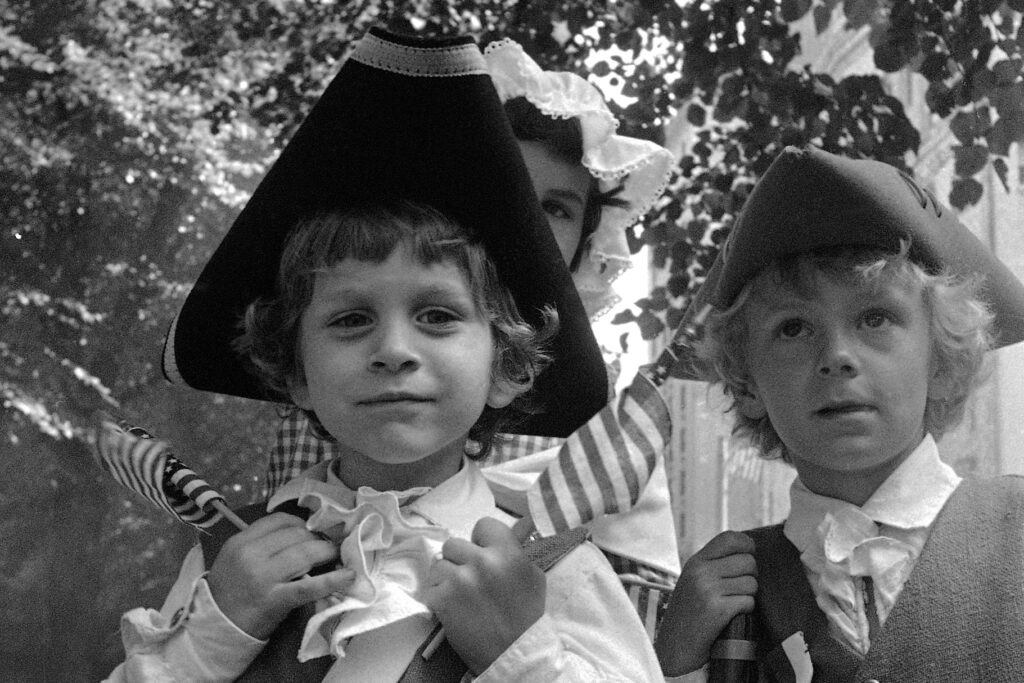
Communities across the country organized events honoring the American Revolution, while schools, museums, and civic groups encouraged citizens to revisit the nation’s origins.
Colonial Williamsburg And Historic Celebrations
Few places embraced the Bicentennial spirit more than Virginia’s Historic Triangle, which includes Jamestown, Yorktown, and Williamsburg.
President Gerald Ford and First Lady Betty Ford participated in celebrations at Colonial Williamsburg, where visitors witnessed historical reenactments and educational programs depicting events leading up to American independence.
Foreign leaders also traveled to the United States for anniversary events, emphasizing the global significance of America’s 200th birthday.
The celebrations connected modern Americans with the people and places that shaped the nation’s founding.
Operation Sail Captivates New York Harbor
One of the most memorable Bicentennial spectacles was Operation Sail.
The event brought 16 tall ships and more than 100 additional vessels from around the world into New York Harbor for a massive maritime parade.
The flotilla included ships from allies and rivals alike, even drawing participation from the Soviet Union during the Cold War.
President Ford described it as “the greatest Fourth of July any of us will ever see.”
For New York City, which was struggling with financial difficulties at the time, Operation Sail provided a much-needed boost in civic pride and international attention.
The Freedom Train Brought History To The People
For Americans unable to travel to major celebration sites, the American Freedom Train delivered history directly to their communities.
The 26-car train toured all 48 contiguous states, carrying an extraordinary collection of historical artifacts and cultural treasures.
Among the exhibits were George Washington’s copy of the Constitution, the original Louisiana Purchase document, a moon rock from NASA’s lunar missions, and Judy Garland’s iconic dress from “The Wizard of Oz.”
The train became one of the most recognizable symbols of the Bicentennial and introduced millions of Americans to key moments in the nation’s history.
Bicentennial Merchandise Filled Store Shelves
The anniversary also became a marketing phenomenon.
Businesses produced countless commemorative products featuring patriotic themes and red, white, and blue designs.
Special Bicentennial quarters, postage stamps, and license plates were issued. Collectible plates, mugs, glasses, and souvenirs appeared nationwide.
Major brands joined the trend as well, producing themed cereal boxes, beverages, and promotional items.
Even the creators of the Pet Rock attempted a Bicentennial version, though it failed to capture the public’s imagination like the original novelty.
Farrah Fawcett Became A Cultural Icon
While many products directly referenced the Bicentennial, some cultural symbols became associated with the era more indirectly.
Among them was Farrah Fawcett’s legendary poster, featuring the actress in a red swimsuit against a red, white, and blue backdrop.
The image became one of the most recognizable posters in history and remains closely linked to the American cultural landscape of 1976.
Its combination of glamour, optimism, and unmistakable Americana reflected the broader mood of the era.
Television Marked The Historic Occasion
Television networks devoted enormous resources to Bicentennial programming.
CBS aired the popular “Bicentennial Minute,” a nightly feature that recounted events occurring exactly 200 years earlier during the Revolutionary period.
The segment became a familiar presence in American households and even inspired parodies on popular entertainment programs.
Educational programming also played a role. ABC expanded its beloved “Schoolhouse Rock!” series with patriotic segments under the banner “America Rock.”
The era’s most famous civics lesson, “I’m Just a Bill,” became a lasting educational favorite.
On July 4 itself, networks delivered marathon coverage of the celebrations, featuring historical tributes, concerts, and special performances.
Pop Culture Reflected A Changing America
Despite the patriotic celebrations, popular culture often reflected a more complicated national mood.
Comedian Richard Pryor challenged traditional Bicentennial narratives through sharp social commentary that focused on racial inequality and historical injustice.
Music charts were dominated less by patriotic songs and more by disco hits and personal anthems celebrating freedom and self-expression.
Artists such as The Bee Gees, KC and the Sunshine Band, and Johnnie Taylor defined the soundtrack of 1976, while Elton John’s “Philadelphia Freedom” became loosely associated with the anniversary despite not being specifically about the nation’s founding.
Hollywood Captured The Bicentennial Spirit
The film industry offered a fascinating snapshot of America’s mood during the Bicentennial year.
Many acclaimed films reflected lingering anxieties from the post-Watergate era.
“All the President’s Men” revisited the scandal that reshaped American politics. “Taxi Driver” explored alienation and violence, while “Network” delivered a biting critique of media and public frustration.
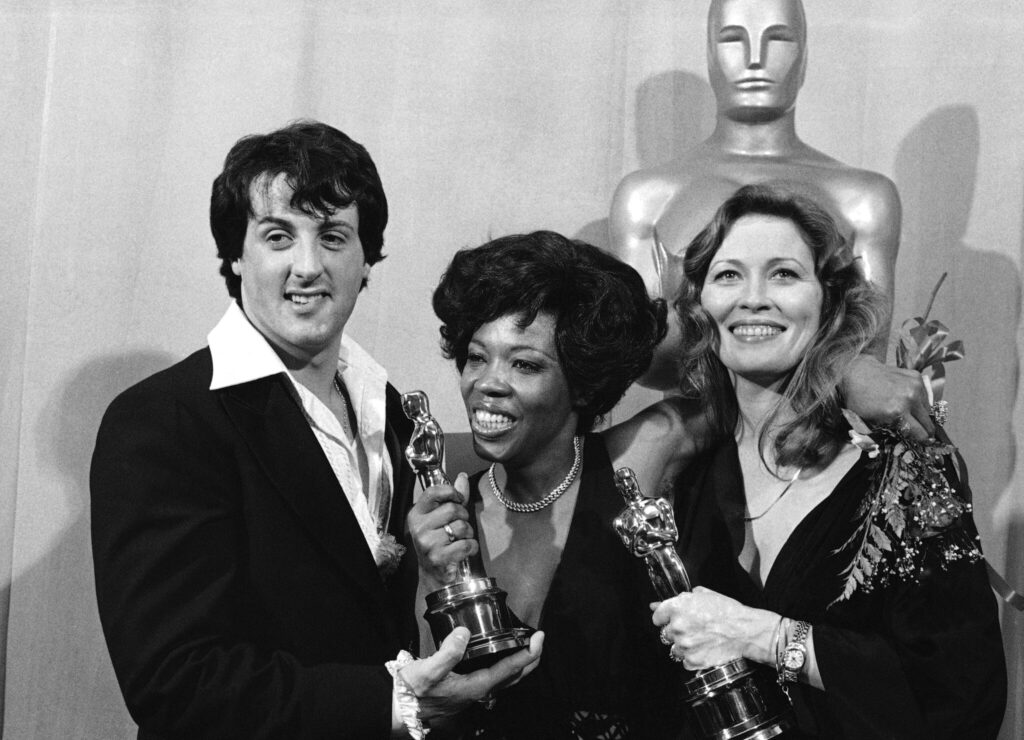
Yet it was “Rocky” that ultimately captured the national imagination.
The underdog story of Rocky Balboa resonated with audiences seeking inspiration and hope. Its memorable Bicentennial imagery, featuring Apollo Creed dressed as George Washington and Uncle Sam, perfectly embodied the era’s combination of patriotism, spectacle, and entertainment.
The film went on to win the Academy Award for Best Picture and became one of the defining cultural achievements of 1976.
Legacy Of America’s Bicentennial
Half a century later, the Bicentennial remains one of the most memorable national celebrations in American history.
It blended history, entertainment, politics, and patriotism into a uniquely American experience that reflected both pride in the nation’s achievements and awareness of its challenges.
As the United States marks its 250th anniversary in 2026, many comparisons are being drawn to the celebrations of 1976.
The Freedom Train, Operation Sail, Farrah Fawcett, fireworks, and “Rocky” continue to serve as enduring symbols of a moment when America paused to look back on two centuries of history while contemplating what came next.
You must Register or Login to post a comment.