

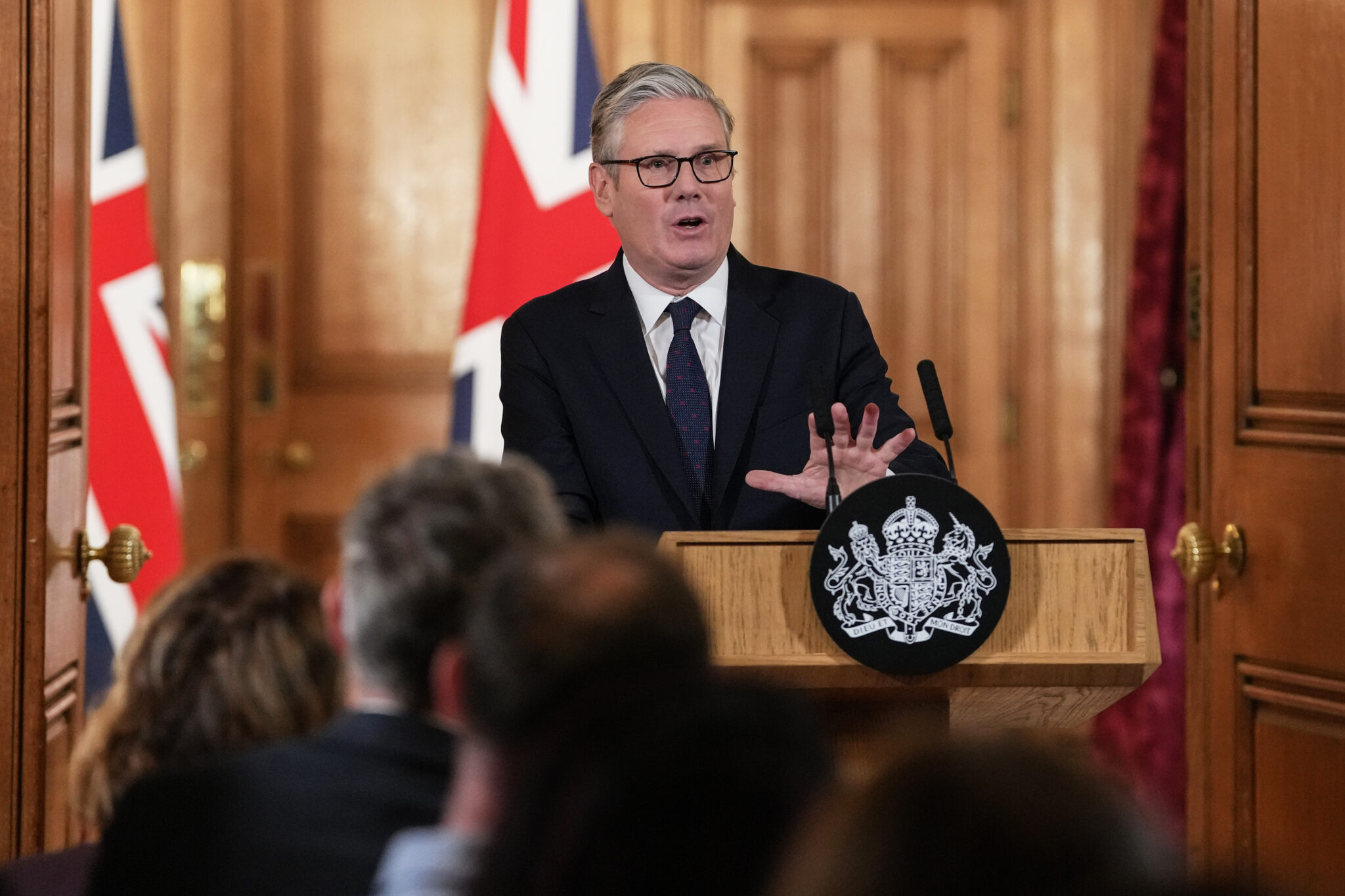
UK Bans Under-16s From TikTok, YouTube and Social Media Apps/ Newslooks/ WASHINGTON/ J. Mansour/ Morning Edition/ The United Kingdom will ban children under 16 from using major social media platforms, including TikTok, Snapchat and YouTube. Prime Minister Keir Starmer says the move aims to protect children from harmful content and excessive screen time. Critics question whether age verification systems can effectively enforce the ban.
UK Under-16 Social Media Ban Quick Looks
- The ban is expected to take effect early next year.
- Platforms affected include TikTok, YouTube, Instagram, Facebook, Snapchat and X.
- Messaging apps such as WhatsApp and Signal are exempt.
- Tech companies could face multimillion-dollar fines for noncompliance.
- The government also plans restrictions on AI chatbots and gaming platforms.
- More than 90% of public consultation respondents supported the measure.
- The policy may increase tensions between the UK and the United States.
Deep Look
Britain Unveils Sweeping Social Media Restrictions for Children
The United Kingdom is set to become one of the strictest countries in the world on youth online safety after announcing plans to prohibit children under 16 from accessing major social media platforms.
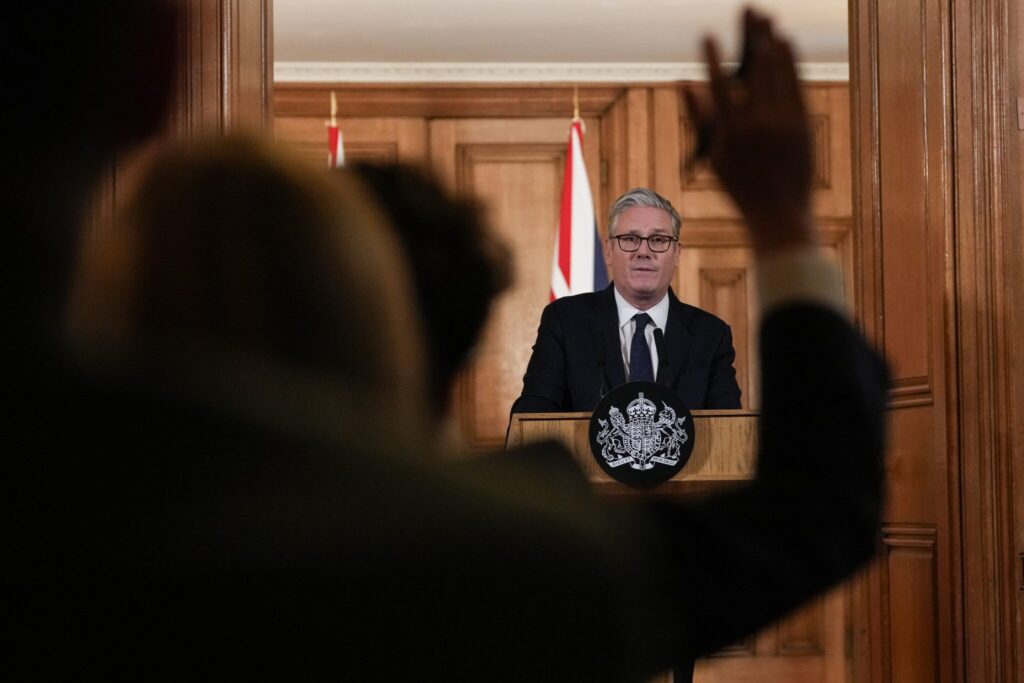
Prime Minister Keir Starmer said Monday that the ban aims to shield young people from harmful online content, addictive features and excessive screen time.
The new restrictions, expected to take effect early next year, place Britain among a growing number of countries introducing age-based limits on social media use.
Australia, Canada, Brazil and Indonesia have already introduced or proposed similar measures, while several European and Asian nations are exploring comparable policies.
Starmer Says Children’s Safety Comes First
Starmer framed the decision as a response to concerns from parents and families across the country.
“Every parent can see it with their own eyes. Social media is making children unhappy,” Starmer said.
He added:
“I’ve heard first hand from families crying out for change and we will do right by them.”
The prime minister, who has two teenage children himself, acknowledged that enforcing such a ban would be challenging but argued that governments must still act.
“I do believe we can enforce it,” Starmer said.
Drawing a comparison to underage drinking laws, he added:
“Teenagers drink before they should, but we do not then say, ‘in which case let us abandon any attempt to stop them buying alcohol.’”
Which Platforms Are Included?
The proposed ban would apply to several of the world’s largest social media services, including:
- TikTok
- YouTube
- Snapchat
- X
However, some services are exempt from the restrictions.
The government said that YouTube Kids, along with messaging applications such as WhatsApp and Signal, would not fall under the ban.
Importantly, enforcement measures would target technology companies rather than children themselves.
Platforms that fail to take reasonable steps to prevent under-16 access could face substantial financial penalties.
UK Plans to Go Further Than Australia
The British government is modeling its approach on Australia, which became the first country to prohibit under-16s from holding social media accounts.
But Starmer signaled that Britain intends to take an even tougher stance.
In addition to social media restrictions, the government plans to:
- Prevent strangers from contacting children through gaming and livestreaming platforms.
- Restrict AI chatbots that simulate romantic or sexual relationships to users aged 18 and older.
- Consider overnight curfews for young users.
- Explore mandatory breaks in infinite scrolling features.
More details on implementation are expected next month.
Starmer described the initiative as:
“a big moment for our country.”
Tech Companies Warn of Unintended Consequences
Major technology firms quickly voiced concerns over the proposal.
A YouTube spokesperson argued that broad restrictions could push young people toward less-regulated services.
“Blanket bans push kids out of such curated, supervised, beneficial experiences and towards anonymous, less-safe services,” the company said.
Meta, the parent company of Facebook and Instagram, also criticized the policy.
The company said it shares “the goal of keeping teens safe online,” but warned:
“Like others, we don’t think bans will achieve this goal.”
Meta argued that age restrictions could drive teenagers toward platforms lacking parental controls and safety features.
Critics Question Enforcement and Effectiveness
Not all critics oppose the goal of protecting children online, but many question whether age verification technology is advanced enough to make the ban effective.
Kate Edwards of the Molly Rose Foundation said:
“This is far too easy to work around. It is based on age verification tools that have been shown to be ineffective to date.”
She argued that the proposal fails to tackle the root problem:
“It does nothing to address the actual problem itself, the harmful algorithms, the harmful content that is existing on those platforms.”
Others have expressed concerns over privacy and the collection of personal information by age verification companies.
Jon Crowcroft, a professor at the University of Cambridge, warned:
“There is a real risk this will drive some users to worse sites, and policing devices is close to impossible technically.”
Growing International Debate Over Youth Online Safety
The move could also complicate relations between Britain and the United States.
The U.S. Embassy in London has raised concerns that broad regulations could affect free speech protections and place greater burdens on American technology firms.
Starmer said he expects to discuss the issue with President Donald Trump and other leaders during the Group of Seven summit in France.
Despite international concerns, Starmer insisted that protecting children online is a shared global responsibility.
“I honestly think that across world leaders, there has always been a recognition that leaders have to take steps to protect children,” he said.
“I don’t think that’s controversial.”
As governments around the world grapple with the effects of social media on young users, Britain’s decision could become a defining test of how far nations are willing to go to regulate the digital lives of children.






You must Register or Login to post a comment.