

Trump Touts ‘Plummeting’ Oil Prices after Iran Deal, Says He May Not Attend Signing Ceremony/ Newslooks/ WASHINGTON/ J. Mansour/ Morning Edition/ President Donald Trump announced that the United States and Iran have signed a memorandum of understanding aimed at ending their war. The agreement includes reopening the Strait of Hormuz and launching 60 days of negotiations over Iran’s nuclear program. Major challenges remain, including tensions involving Israel, Lebanon and future sanctions relief.
US-Iran Deal Quick Looks
- Trump says the Iran deal has been signed.
- Formal signing ceremony is scheduled for Friday in Geneva.
- Strait of Hormuz will reopen fully on Friday.
- The U.S. will lift its naval blockade on Iran.
- Negotiations on Iran’s nuclear program will continue for 60 days.
- Israel says it is not bound by the agreement.
- Hezbollah welcomed the deal, while Lebanon remains a sticking point.
- U.S. forces will remain in the region for now.
- Frozen Iranian assets may be released gradually.
- Oil prices have fallen while global markets rallied.
Deep Look
Trump Announces Signed US-Iran Agreement
President Donald Trump announced Monday that the United States and Iran have signed an agreement designed to end months of conflict and reopen the strategically critical Strait of Hormuz.
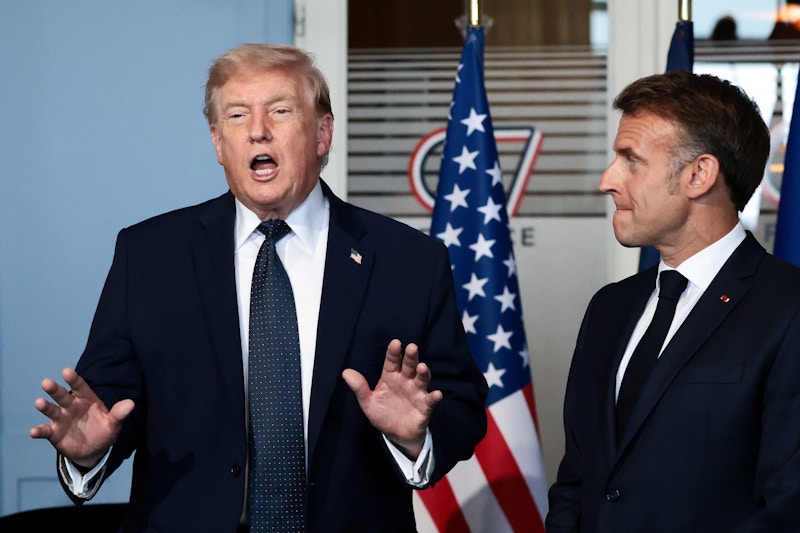
Speaking alongside French President Emmanuel Macron ahead of the G7 summit in France, Trump declared:
“The deal’s all signed.”
The agreement, described as a memorandum of understanding, is expected to be formally signed Friday in Geneva, Switzerland. According to U.S. officials, the document was signed by Trump, Vice President JD Vance and Iranian Parliament Speaker Mohammad Bagher Qalibaf.
Trump said the full text of the agreement will be released after the formal ceremony.
Strait of Hormuz Set to Fully Reopen
One of the deal’s most significant provisions is the reopening of the Strait of Hormuz, one of the world’s most important energy corridors.
Trump emphasized the progress already underway.
“The Strait of Hormuz is already partially opened” and will be “completely open” on Friday, he said.
The agreement immediately lifts the U.S. naval blockade on Iran and allows shipping traffic to resume through the narrow waterway that carries a substantial share of global oil exports.
A senior U.S. official said shipping activity is already beginning to recover.
“You will see significant increase in traffic in the Strait of Hormuz, actually starting already, and that will ramp up slowly over time.”
However, officials cautioned that full normalization may take weeks or months.
“We probably won’t return to normal in two weeks, but we will see a significant increase in strait traffic.”
Iran’s Nuclear Program Remains Unresolved
While the agreement halts active conflict, the most difficult issues remain unresolved.
The deal establishes a 60-day negotiation period during which Washington and Tehran will address Iran’s nuclear program, including its stockpile of enriched uranium and future verification mechanisms.
Trump reiterated a key U.S. objective:
“Iran will not have a nuclear weapon.”
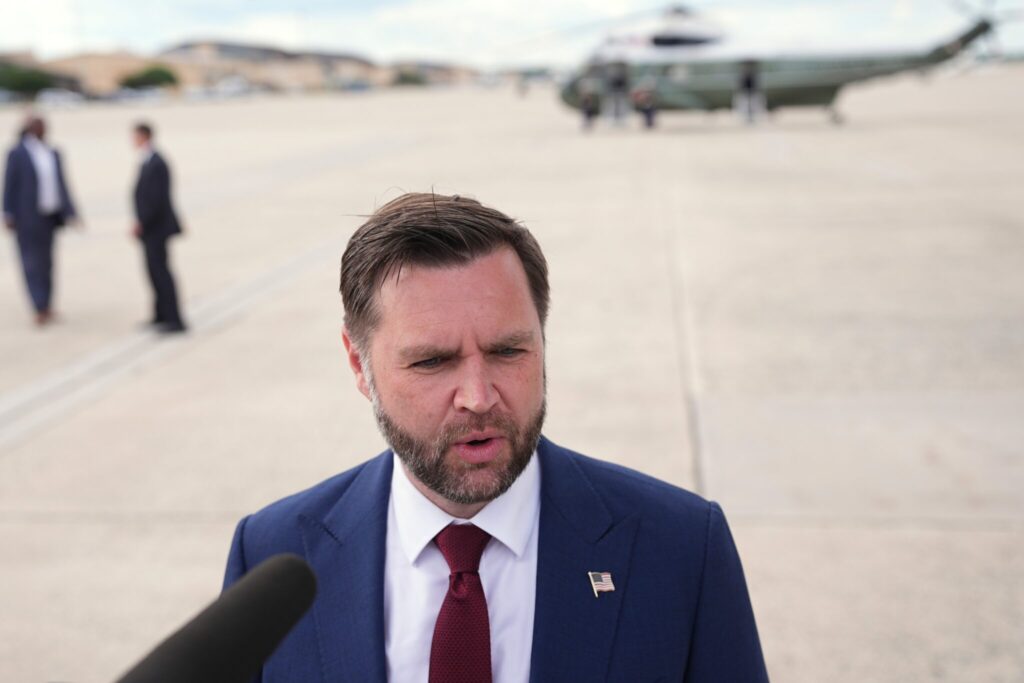
Vice President JD Vance outlined Washington’s conditions for sanctions relief.
“If the Iranians are willing to give a long-term commitment, along with proper verification to giving up that nuclear weapon, we’re willing to welcome them into the world economy, to lift some sanctions, and to turn over a new leaf in that relationship.”
The administration stressed that any sanctions relief would be tied to measurable compliance.
Frozen Iranian Assets Could Be Released Gradually
The agreement may eventually unlock billions of dollars in frozen Iranian assets.
A senior U.S. official said Washington is prepared to release funds incrementally based on verified actions by Tehran.
“We are prepared to give these sanctions, and we’ll do, we’ll do some small gestures of that in the beginning.”
The official added:
“Those will be kind of small and easy to kind of see the cards.”
Prior reports suggested Iran could gain access to as much as $25 billion in frozen assets if conditions are met.
US Forces Remain in the Middle East
Despite the agreement, the United States is not immediately reducing its military footprint in the region.
Officials indicated that forces deployed during the conflict will remain in place during negotiations.
“We’ve ramped up a lot of forces in the region to prepare for the operation that started in February. We hope to draw them down, but we’re not doing that yet.”
The administration said any future reduction in forces depends on Iran fulfilling its commitments.
Israel and Lebanon Could Challenge the Agreement
The agreement’s long-term success may hinge on developments in Lebanon.
Iran has repeatedly linked broader peace efforts to ending Israeli military operations against Hezbollah.
However, U.S. officials clarified that Israeli withdrawal from Lebanon is not part of the deal.
Israel has also insisted it retains the right to defend itself and continue military operations if necessary.
Iranian Foreign Minister Abbas Araqchi has called for a complete halt to Israeli attacks in Lebanon, while Hezbollah publicly welcomed the agreement.
These competing positions could complicate implementation in the coming weeks.
Global Markets React Positively
Financial markets responded favorably to news of the agreement.
Trump highlighted the market reaction while speaking at the G7 summit.
“I think a lot of great things are going to happen in the Middle East right now. And very importantly, the oil is plummeting down and the stock market is shooting up like a rocket today.”
Lower energy prices have boosted investor confidence as fears of prolonged disruption in the Middle East begin to ease.
International organizations, including the IMF, welcomed the agreement while warning that risks remain if implementation falters.
Friday Signing Ceremony Could Mark Historic Turning Point
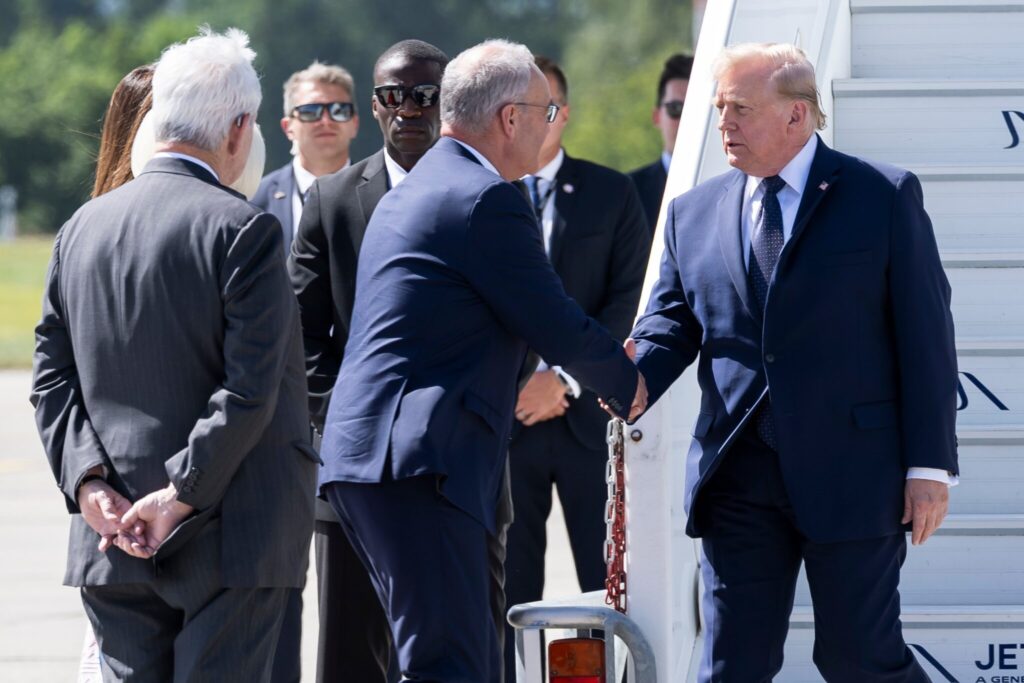
A formal signing ceremony is scheduled for Friday in Geneva, with Pakistan serving as a key mediator.
Vice President JD Vance is expected to attend, though Trump said his participation remains uncertain.
“I may be involved. I may not, but JD was coming in for that specifically.”
If implemented successfully, the agreement could reshape regional security, reopen global energy markets and redefine U.S.-Iran relations after years of confrontation.
Yet with unresolved nuclear questions and tensions involving Israel and Lebanon still active, the path toward lasting peace remains uncertain.

You must Register or Login to post a comment.