

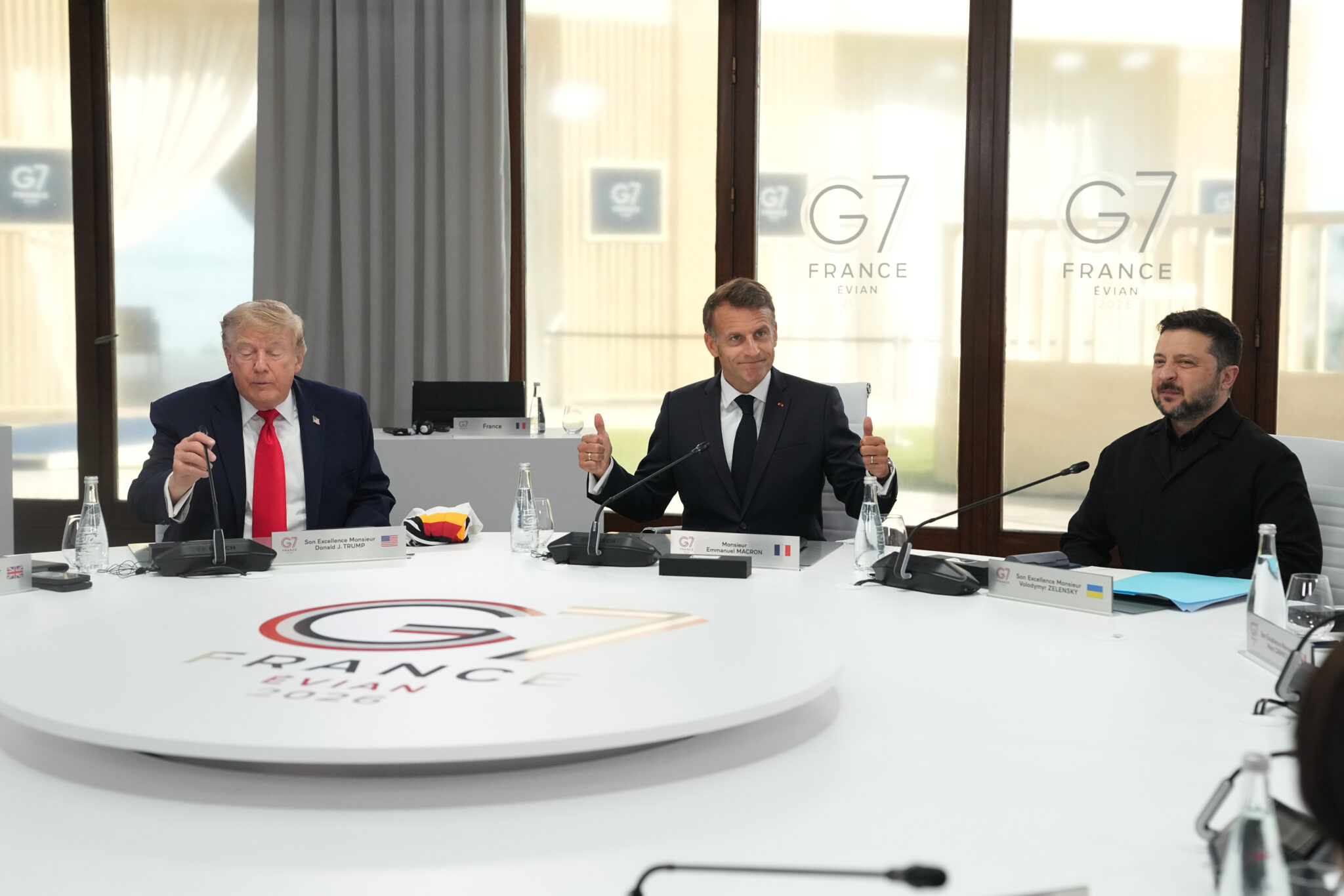
G7 Allies Push Trump to Refocus on Ukraine as Russia War Enters Fifth Year/ Newslooks/ WASHINGTON/ J. Mansour/ Morning Edition/ G7 leaders are pressing President Donald Trump to refocus on Ukraine after the U.S.-Iran ceasefire shifted global attention away from Europe. Leaders agreed to increase pressure on Russia through sanctions and boost support for Ukraine’s defense capabilities. The summit also highlighted tensions over Iran, Middle East security and transatlantic relations.
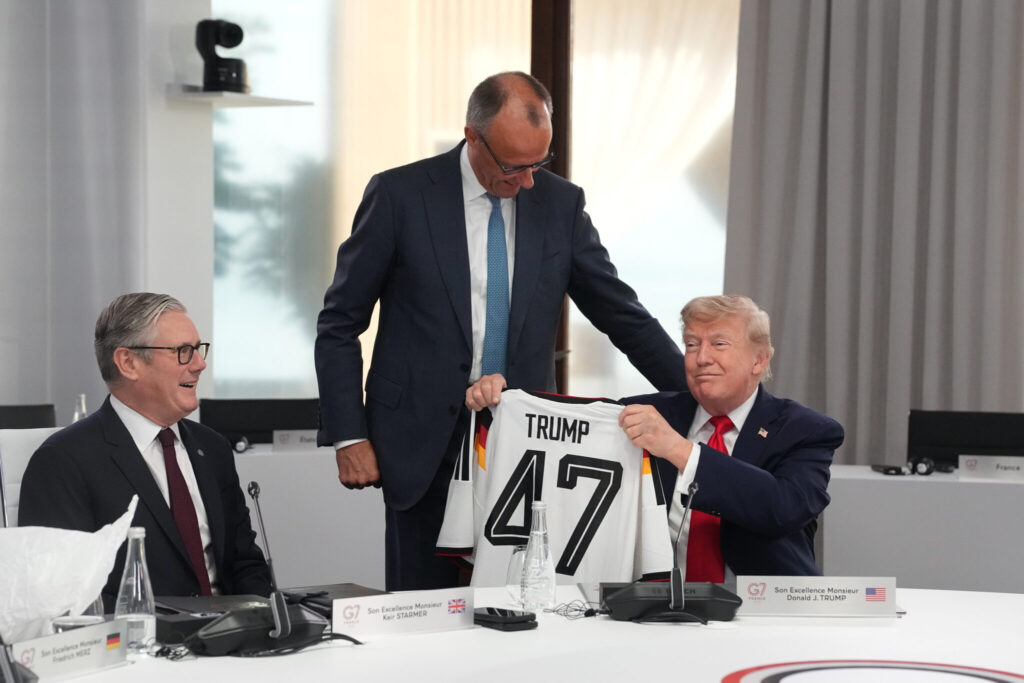
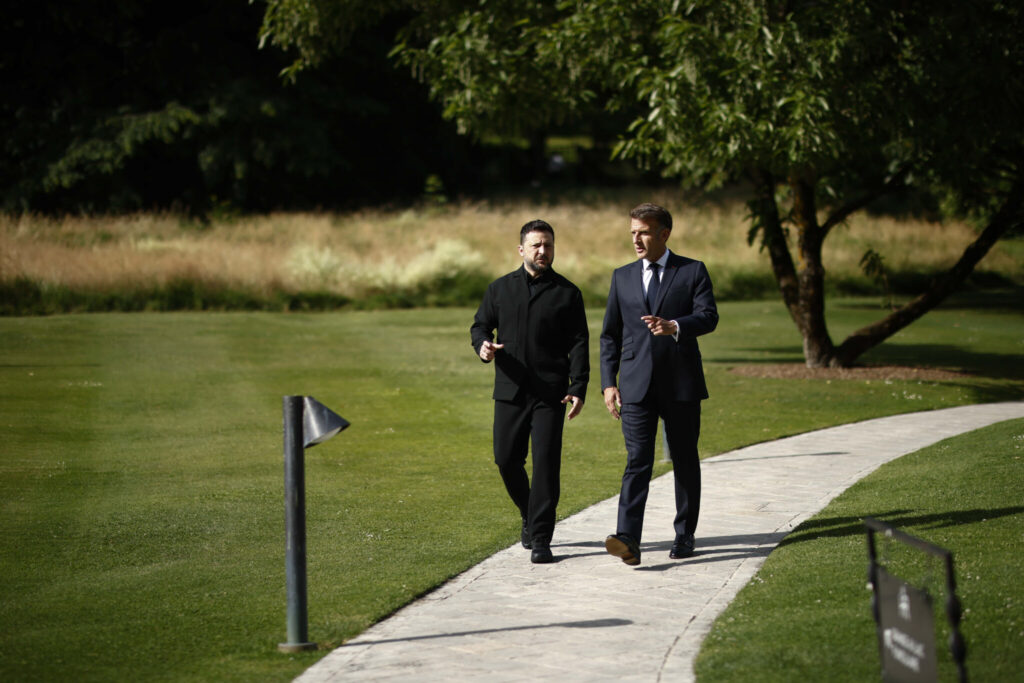
Ukraine G7 Summit Quick Looks
- G7 leaders met in Évian-les-Bains, France.
- Ukrainian President Volodymyr Zelenskyy joined summit discussions.
- Leaders agreed to increase sanctions on Russia’s energy sector.
- Additional air defense support for Ukraine was discussed.
- Trump said Iran will soon be “back in the rearview mirror.”
- The U.K. announced new sanctions targeting Russia’s shadow fleet.
- Trump expressed frustration with Israel’s operations in Lebanon.
- Gulf leaders attended discussions on Middle East stability.
- Ukraine officially began European Union membership negotiations.
- Russia launched fresh missile and drone attacks on Ukraine.
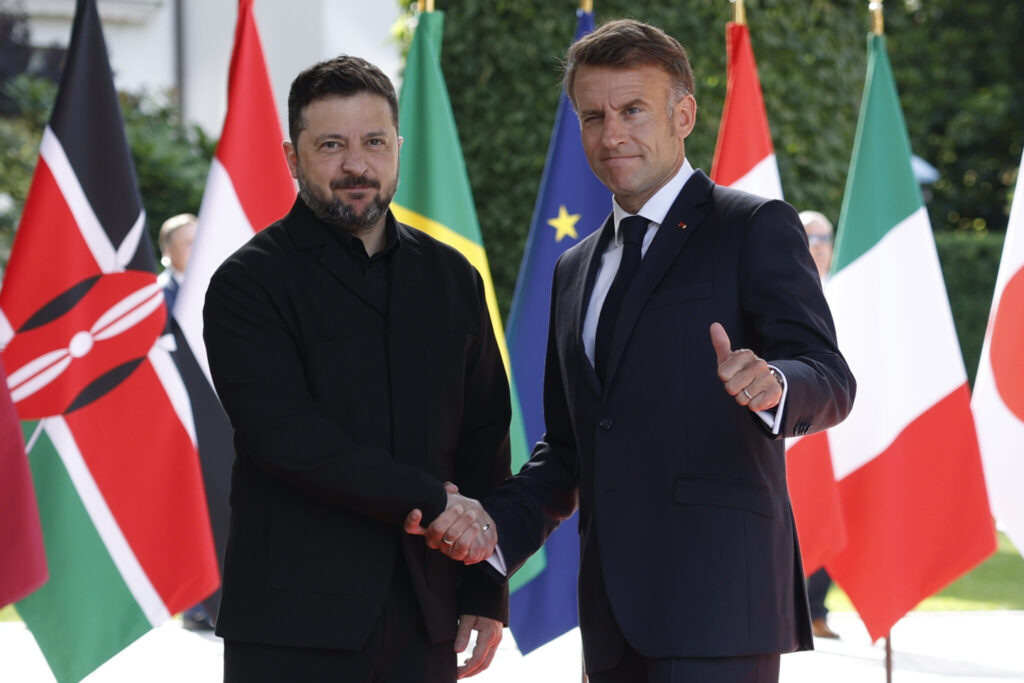
Deep Look
G7 Allies Push Ukraine Back to the Forefront
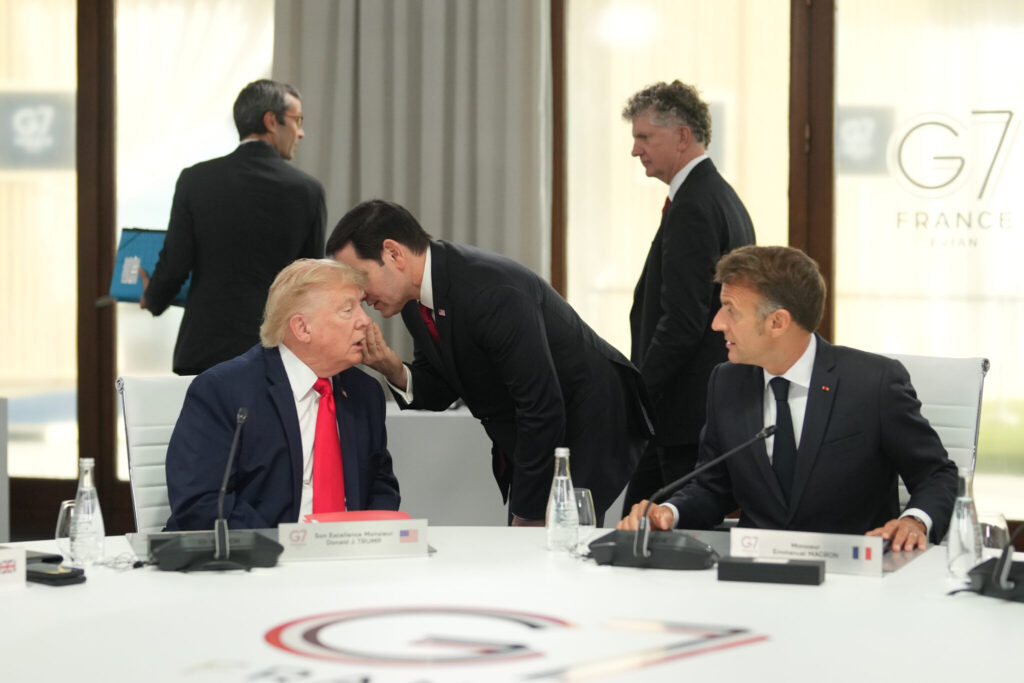
Leaders at the Group of Seven summit in France worked Tuesday to place Ukraine back at the center of international discussions as Russia’s war enters its fifth year.
The renewed focus comes after recent developments in the Middle East, including President Donald Trump’s announcement of a U.S.-Iran agreement aimed at ending months of conflict and reopening the Strait of Hormuz.
Trump signaled that his attention is shifting back to Europe, saying Iran will soon be:
“back in the rearview mirror.”
The comment reflected growing efforts by U.S. allies to refocus the summit agenda on Ukraine and Russia’s ongoing invasion.
Zelenskyy Joins G7 Leaders for Critical Talks
Ukrainian President Volodymyr Zelenskyy participated in a working session with G7 leaders in the French resort town of Évian-les-Bains.
According to French officials, leaders held what was described as a “very fruitful” discussion centered on increasing pressure on Moscow and strengthening support for Kyiv.
The talks reportedly resulted in agreement to expand sanctions targeting Russia’s oil and natural gas sectors while also enhancing Ukraine’s air defense capabilities.
As U.S. military assistance has declined under Trump’s administration, European nations—particularly France and its allies—have assumed larger roles in providing financial and military support to Ukraine.
Trump Acknowledges Challenges of Ending the War
During the summit, Trump expressed frustration over the prolonged conflict.
“The whole thing is ridiculous,” Trump said. “So, yeah, I’m going to do whatever I can.”
The remarks come after Trump repeatedly pledged during the 2024 campaign that he could end the war within 24 hours of returning to office.
However, diplomatic efforts have proven more difficult than anticipated, with negotiations between Kyiv and Moscow making limited progress.
The conflict continues to exact a heavy toll across Ukraine, with Russia launching hundreds of drones and dozens of missiles against major cities just hours before the summit began.
The latest attacks reportedly killed at least 11 people and damaged critical infrastructure, including a religious landmark.
New Sanctions Target Russia’s Shadow Fleet
The United Kingdom unveiled a fresh package of sanctions aimed at weakening Russia’s ability to finance its war effort.
The measures target Moscow’s so-called “shadow fleet,” a network of vessels used to transport oil and natural gas while evading Western restrictions.
Several ships linked to Russia’s Arctic LNG 2 project were among those sanctioned.
The move underscores growing Western efforts to tighten economic pressure on the Kremlin while reducing revenue streams that support military operations.
Ukraine Advances Toward European Union Membership
Ukraine also marked a significant diplomatic milestone by officially launching negotiations to join the European Union.
The accession process is expected to take years and will require extensive political and institutional reforms.
Kyiv views EU membership as a key pillar of its long-term security strategy once the war ends.
However, Ukraine’s aspirations to join NATO remain uncertain.
The Trump administration has made clear that NATO membership is not currently under consideration, while several alliance members remain cautious about expanding membership during an active conflict.
Iran Agreement Continues to Shape G7 Discussions
Despite the renewed focus on Ukraine, the recently announced U.S.-Iran agreement remains a dominant topic at the summit.
French President Emmanuel Macron invited several Middle Eastern leaders to participate in discussions amid ongoing regional tensions.
The ceasefire agreement has raised hopes that global energy markets could stabilize following disruptions caused by the Strait of Hormuz blockade.
France and the United Kingdom have advocated for a maritime security mission to help ensure safe passage through the critical waterway.
Macron said Western partners stand ready to act quickly to restore normal shipping operations.
Trump Voices Frustration Over Lebanon Conflict
Trump also criticized Israel’s prolonged military campaign against Hezbollah in Lebanon, warning that continued hostilities could undermine broader regional stability.
“I’m not happy with the way Israel has handled themselves with Lebanon and with Hezbollah.”
He added:
“They should have been able to deal with them faster. It just goes on forever. And when that happens, it throws a negative light on the big deal. And that’s the deal with Iran.”
The remarks highlight continuing tensions surrounding implementation of the U.S.-Iran agreement and efforts to secure a lasting peace across the Middle East.
Global Focus Returns to Ukraine
As the G7 summit continues, leaders are attempting to balance multiple global crises—from Ukraine and Russia to Iran and the Middle East.
For European allies, keeping Ukraine at the forefront remains a strategic priority as the war drags on and uncertainty over future U.S. involvement persists.
With sanctions increasing, diplomatic channels still open and battlefield conditions evolving, the coming months may prove pivotal for both Ukraine’s future and the broader international order.



You must Register or Login to post a comment.