

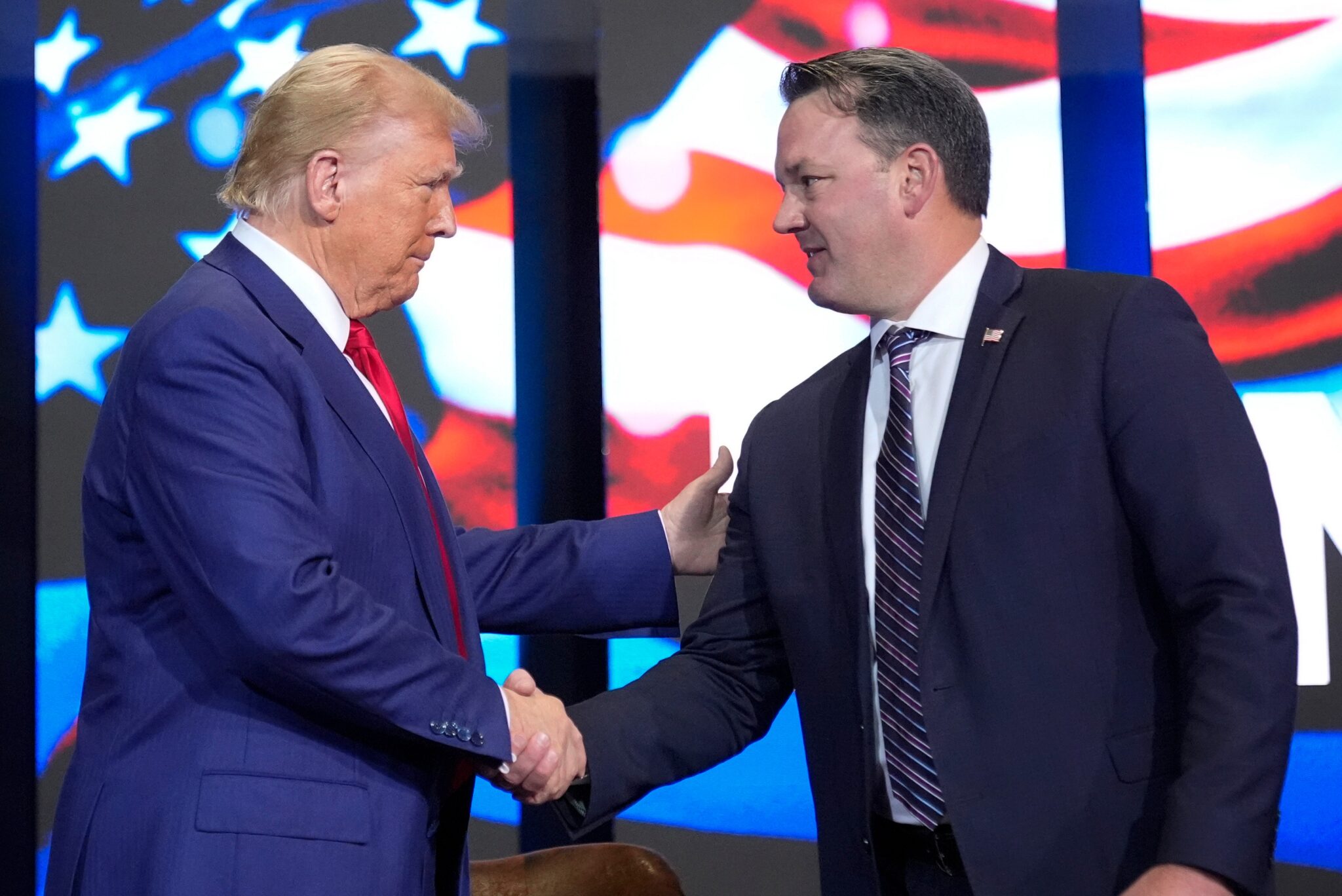
Key Takeaways From Tuesday’s Primaries Across the US/ Newslooks/ WASHINGTON/ J. Mansour/ Morning Edition/ Billionaire Rick Jackson spent over $100 million to overcome a Trump endorsement in Georgia’s governor race. Trump-backed candidates prevailed in Alabama and advanced in Oklahoma, underscoring his continued influence. Democratic contests in Washington, D.C., and California highlighted ideological divisions ahead of November.

Tuesday Primaries Quick Looks
- Rick Jackson defeated Trump-backed Burt Jones in Georgia.
- Mike Collins won Georgia’s GOP Senate nomination.
- Trump-backed Barry Moore won Alabama’s Senate runoff.
- Oklahoma’s gubernatorial race heads to another runoff.
- D.C.’s mayoral race may require ranked-choice tabulation.
- Tim Fleming won Georgia’s GOP secretary of state nomination.
- California’s special election advanced progressive candidate Aisha Wahab.
- Trump’s endorsement remains powerful but not unbeatable.
- Campaign spending played a decisive role in several races.
- November elections could reshape national politics.

Deep Look
Trump’s Political Influence Faces a Rare Defeat
President Donald Trump’s endorsements remain among the most powerful forces in Republican politics, but Tuesday’s primary results demonstrated that even his support has limits.
The clearest example came in Georgia, where billionaire healthcare executive Rick Jackson overcame Trump-backed Lt. Gov. Burt Jones in the Republican gubernatorial runoff after spending more than $100 million of his own money.
The result marked one of the rare occasions in recent years when a candidate endorsed by Trump failed to secure a major Republican nomination.
Jackson’s victory highlighted a political reality increasingly shaping modern campaigns: while endorsements matter, extraordinary financial resources can alter the landscape.
The first-time candidate invested heavily in television ads, digital outreach and direct voter engagement to persuade Republicans that he represented a stronger path forward.
Now Jackson advances to face former Atlanta Mayor Keisha Lance Bottoms in one of the nation’s most closely watched governor’s races.
Trump’s Endorsement Still Carries Significant Weight
Despite the setback in Georgia’s governor contest, Trump still demonstrated substantial influence elsewhere.
In Georgia’s Senate runoff, Republican Rep. Mike Collins secured the nomination after receiving Trump’s endorsement just days before voting.
Collins now moves on to challenge Democratic Sen. Jon Ossoff, whose reelection race could determine control of the U.S. Senate.
Meanwhile in Alabama, Trump-backed Rep. Barry Moore defeated former Navy SEAL Jared Hudson in the Republican Senate runoff.
Moore’s victory reinforces Trump’s ability to shape Republican primaries, particularly in strongly conservative states where his endorsement remains highly valued among GOP voters.
In Oklahoma, Trump’s support also helped former state Sen. Mike Mazzei advance to an August runoff in the race for governor.
The mixed outcomes suggest that while Trump’s endorsement remains a major advantage, it is not always decisive—especially when facing candidates with significant personal wealth or unique political circumstances.
MAGA Movement Faces Outsider Challenges
An interesting dynamic emerged across several races: the movement that once branded itself as anti-establishment increasingly found itself defending establishment candidates.
Trump’s rise to national power was fueled by outsider energy and frustration with traditional politics. Yet in some 2026 contests, candidates opposing Trump-backed figures attempted to harness similar anti-establishment messages.
Jackson portrayed himself as an outsider free from political obligations, while Alabama candidate Jared Hudson emphasized his military background and distance from Washington politics.
The results were mixed. Jackson succeeded, while Hudson fell short.
These contests suggest that outsider appeals still resonate with voters, but they do not always outweigh Trump’s influence within the Republican Party.
D.C. Race Highlights Democratic Divisions
The Democratic primary for mayor in Washington, D.C., underscored ideological debates shaping the party nationally.
One of the leading candidates, Janeese Lewis George, identifies as a democratic socialist, reflecting a growing progressive wing within Democratic politics.
Her candidacy has drawn comparisons to recent progressive victories elsewhere and intensified debate over the future direction of the party.
The race also marks the first use of ranked-choice voting in the nation’s capital.
Under the system, voters rank candidates by preference. If no candidate receives more than 50% of first-choice votes, lower-ranked candidates are eliminated and ballots are redistributed based on voters’ subsequent choices.
Election officials have warned that the process could delay final results by several days.
Georgia’s Election Legacy Remains a Factor
Georgia’s secretary of state race continued to reflect the lasting impact of the 2020 presidential election.
Republican voters selected Tim Fleming over Vernon Jones, who embraced more direct claims of election fraud.
Fleming has acknowledged concerns about election administration while distancing himself from broader conspiracy theories.
The office remains especially significant because it oversees elections in one of the country’s most competitive battleground states.
The eventual winner could play a major role during the 2028 presidential election cycle.
California Race Reflects Democratic Tensions
California’s special election to fill the remainder of former Rep. Eric Swalwell’s congressional term highlighted tensions between progressive and moderate Democrats.
State Sen. Aisha Wahab advanced in the race, representing a more progressive approach centered on expanding social programs and addressing corporate practices.
The contest illustrates broader debates within the Democratic Party over how best to address affordability, economic inequality and governance.
Whoever prevails in the special election will serve through January, while voters will also decide the district’s long-term representative in November.
What Tuesday’s Results Mean
Tuesday’s primaries offered an early glimpse into the political environment ahead of the 2026 midterms.
Trump remains the dominant figure in Republican politics, but Georgia showed that his endorsements can be overcome under extraordinary circumstances.
Democrats, meanwhile, continue grappling with internal debates between progressive and moderate visions for the party’s future.
As campaigns shift toward November, battleground states such as Georgia—and high-profile races across the country—will help determine not only control of Congress but also the evolving identity of both major political parties.






You must Register or Login to post a comment.