

Trump Criticizes Netanyahu as Iran Deal Tests Israel Ties/ Newslooks/ WASHINGTON/ J. Mansour/ Morning Edition/ President Donald Trump publicly criticized Israeli Prime Minister Benjamin Netanyahu while pursuing an Iran agreement. The dispute centers on Israeli military actions in Lebanon that could complicate negotiations with Tehran. Analysts say the episode reveals how Trump’s foreign policy priorities may reshape U.S.-Israel relations.
Trump Netanyahu Rift Quick Looks
- Trump called Netanyahu “more responsible” regarding Lebanon.
- The Iran agreement is scheduled for signing Friday in Switzerland.
- Trump claimed his support was vital to Israel’s security.
- Israeli strikes in Lebanon have become a point of friction.
- The dispute tests one of the closest relationships in global politics.
- Critics from both left and right reacted sharply.
- Some conservatives dismissed the disagreement as temporary.
- Others worry public criticism could weaken U.S.-Israel ties.
- The agreement with Iran remains controversial in Washington.
- The outcome could reshape Middle East diplomacy.
Deep Look
Trump’s Iran Strategy Creates Tension With Netanyahu
For years, President Donald Trump and Israeli Prime Minister Benjamin Netanyahu have shared one of the closest relationships between an American and Israeli leader. Netanyahu once described Trump as the “greatest friend Israel ever had in the White House.”
Now, as Trump works to finalize an agreement aimed at ending the war with Iran, that relationship is facing an unexpected test.
The president has publicly criticized Netanyahu in unusually blunt terms, signaling frustration over Israeli military actions in Lebanon that threaten delicate negotiations with Tehran.
The public disagreement marks a rare moment in U.S.-Israel relations, where American presidents have traditionally avoided openly criticizing Israeli leaders, especially during wartime.
A Friendship Under Pressure
Trump’s latest comments represent a striking departure from years of close cooperation.
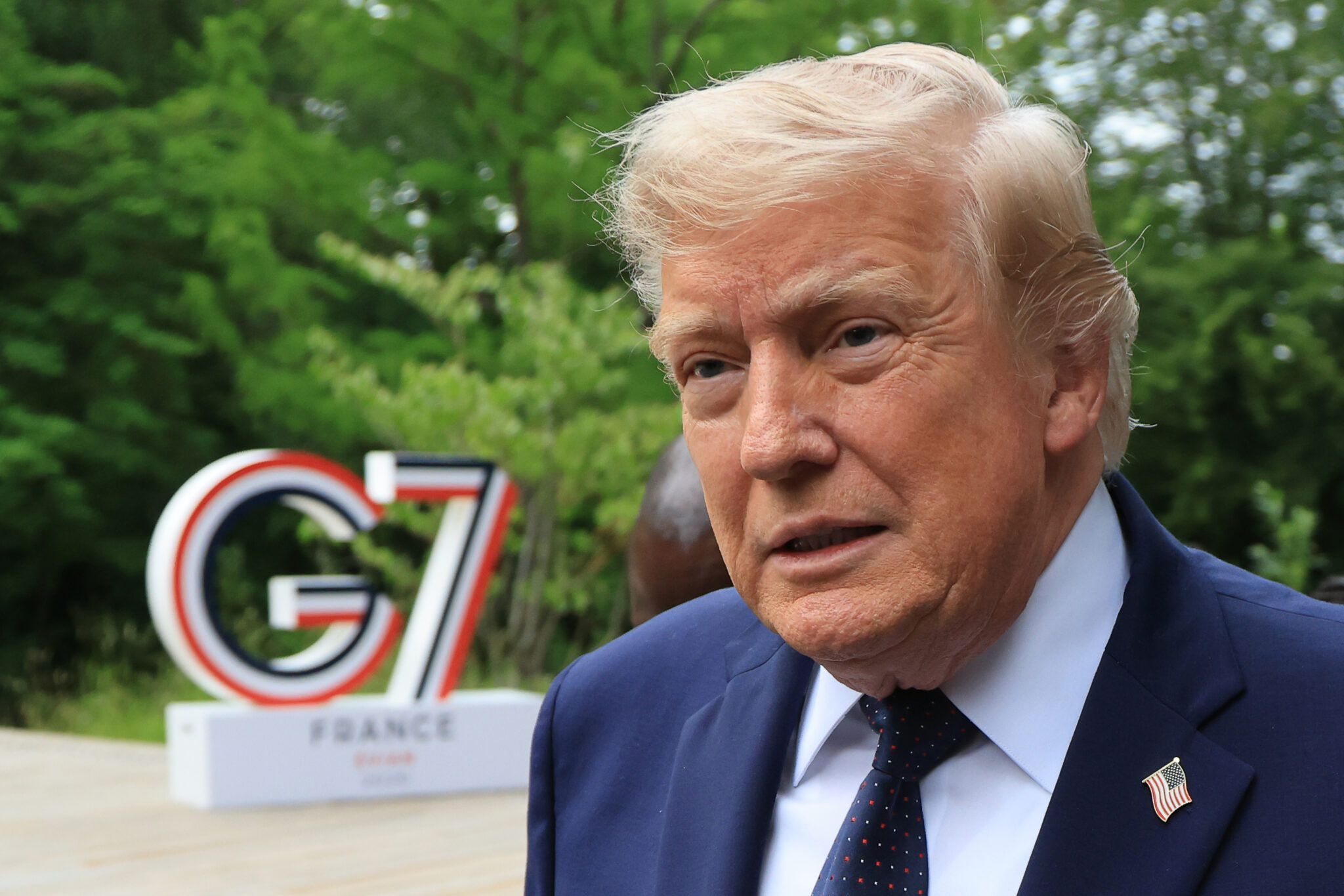
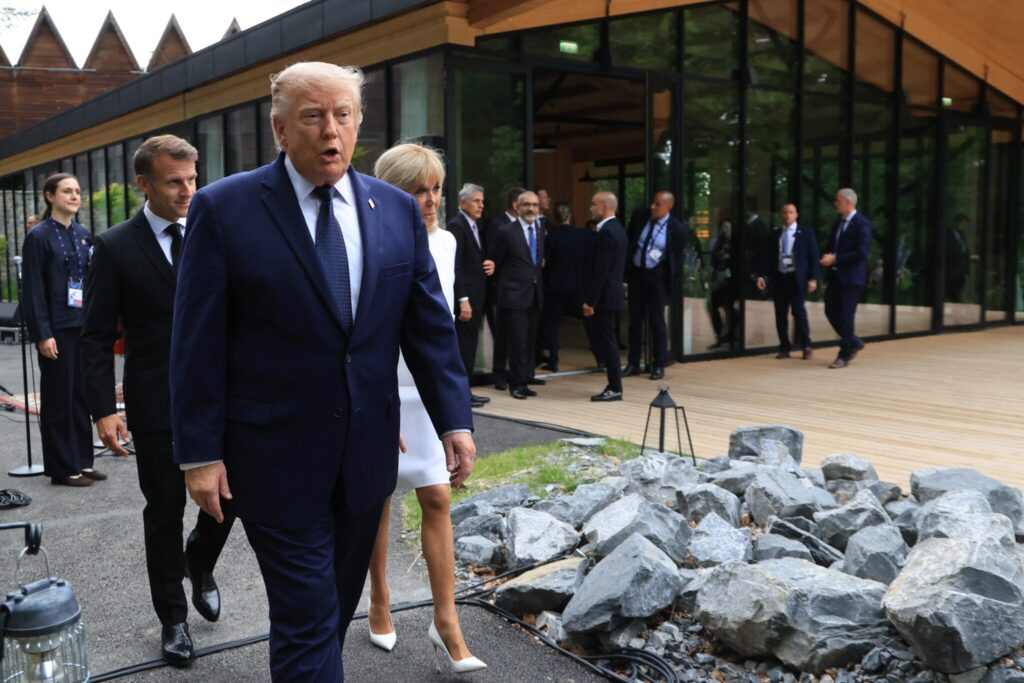
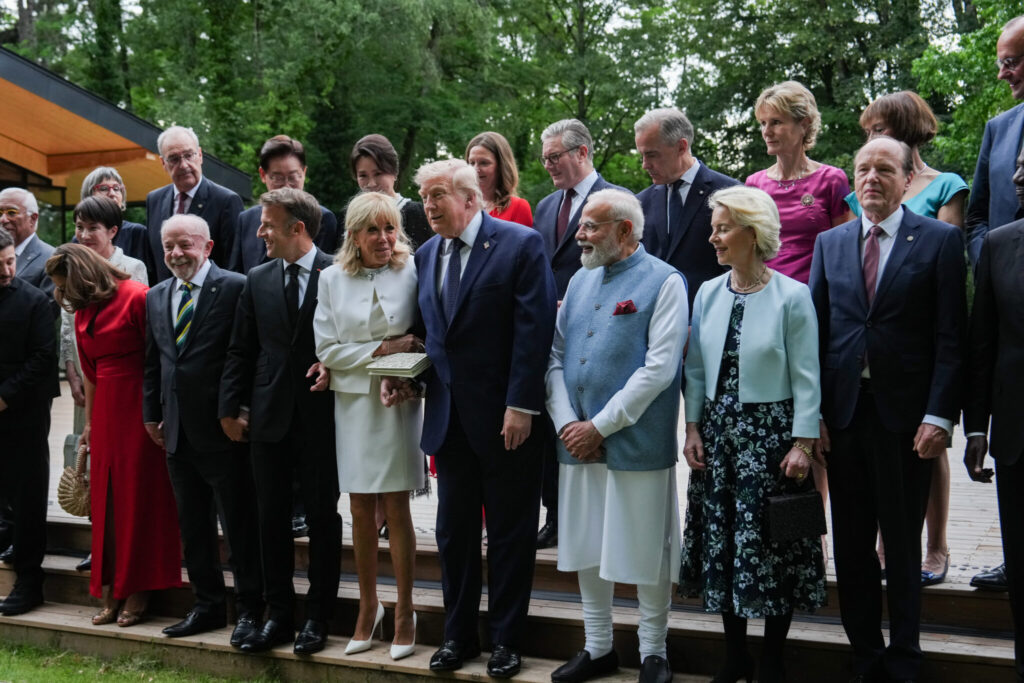
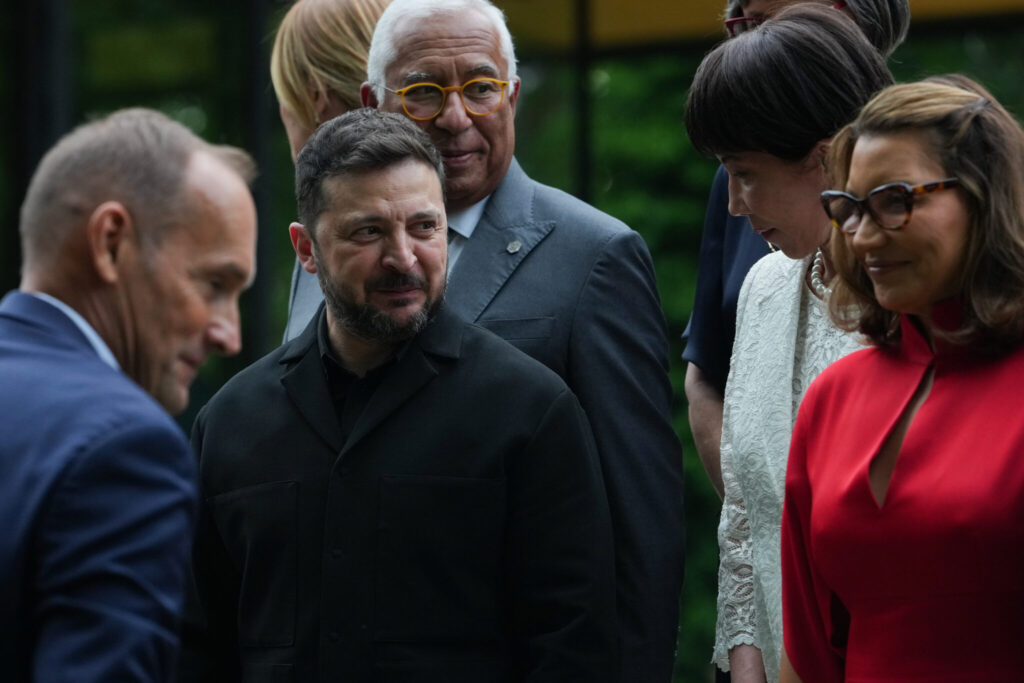
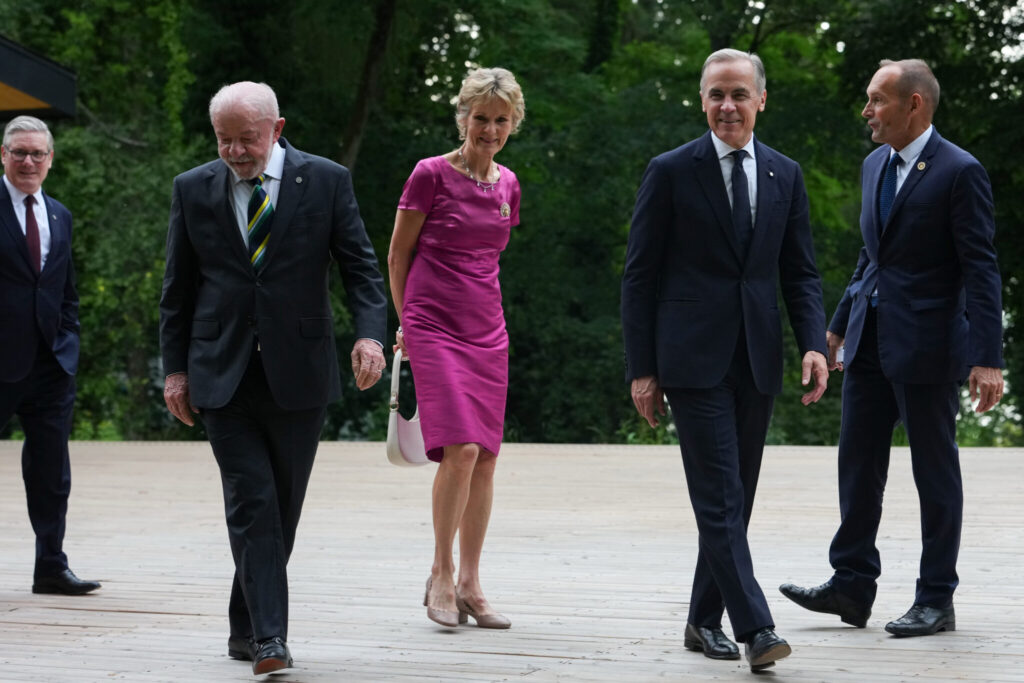
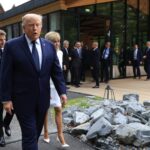
Speaking during the Group of Seven summit in France, Trump emphasized his support for Israel while expressing dissatisfaction with Netanyahu’s recent decisions.
“Without the U.S., there would be no Israel. Without me, there would be no Israel because no other president was willing to do what I did,” Trump said.
He added that Netanyahu “has to be more responsible with respect to Lebanon.”
The remarks come amid concerns that continued Israeli operations against Hezbollah could derail efforts to secure a broader regional agreement with Iran.
Analysts say Trump’s willingness to criticize Netanyahu publicly reflects his determination to secure a diplomatic breakthrough.
Aaron David Miller, a longtime Middle East adviser under both Democratic and Republican administrations, suggested Trump is prepared to use political leverage if Israel threatens objectives he views as essential.
“If Netanyahu gets in between something Trump really wants, and that’s out of this war, he’s prepared to use the leverage that he has,” Miller said.
Lebanon Emerges as a Key Flashpoint
At the center of the dispute is Lebanon.
The proposed agreement with Iran reportedly includes provisions aimed at ending fighting involving Hezbollah, the Iranian-backed militant group based in Lebanon.
Israeli officials, however, have repeatedly signaled they intend to continue military operations they view as necessary for national security.
That position risks complicating negotiations designed to stabilize the region.
Trump has voiced frustration that prolonged fighting undermines diplomatic progress and could threaten the fragile ceasefire framework now under discussion.
The agreement is expected to be formally signed Friday at the Bürgenstock resort near Lucerne, Switzerland.
Trump’s Record on Israel Remains Strong
Despite the recent criticism, Trump’s supporters argue that his administration has maintained one of the most pro-Israel policies in American history.
Among the actions frequently cited:
- Moving the U.S. embassy from Tel Aviv to Jerusalem
- Recognizing Israeli sovereignty over contested areas
- Supporting Israel during regional conflicts
- Facilitating hostage releases during his presidency
Matt Brooks, president of the Republican Jewish Coalition, argued that disagreements between allies should not be overinterpreted.
He described the dispute as comparable to disagreements among family members rather than a fundamental rupture.
Brooks also noted that Trump’s longstanding support for Israel gives him political credibility that previous administrations often lacked.
Criticism Comes From Multiple Directions
Trump’s comments drew criticism across the political spectrum.
Halie Soifer, head of the Jewish Democratic Council of America, argued that Trump’s remarks implied Israel’s existence depends on a single American leader.
She described that framing as offensive to many supporters of Israel.
On the conservative side, some pro-Israel advocates worried that public criticism of Netanyahu could embolden Israel’s adversaries or signal weakening U.S. support.
Mort Klein, president of the Zionist Organization of America, argued that any disagreements should have been handled privately rather than aired publicly.
Others speculated that Trump may be responding to changing political dynamics in the United States, where public opinion regarding Israel has become increasingly divided.
Shifting Politics Around Israel
American attitudes toward Israel have evolved significantly in recent years.
Progressives have grown increasingly critical of Israeli military actions, particularly regarding Gaza and Lebanon. Meanwhile, some conservatives have questioned the costs and scope of longstanding U.S. commitments abroad.
This changing political environment has complicated what was once a broad bipartisan consensus supporting Israel.
Unlike previous presidents who often managed disputes privately, Trump’s approach reflects his willingness to publicly pressure allies when doing so aligns with broader strategic goals.
What Comes Next
The coming days may prove critical for both the Iran agreement and U.S.-Israel relations.
If the agreement succeeds, it could reshape regional diplomacy, ease tensions in the Middle East and stabilize global energy markets.
If negotiations falter, however, disagreements between Washington and Jerusalem could deepen.
For now, the public friction between Trump and Netanyahu underscores how even longstanding alliances can be tested when strategic priorities diverge.
Whether the dispute proves temporary or marks a more lasting shift in relations remains one of the biggest geopolitical questions facing the region.


You must Register or Login to post a comment.