

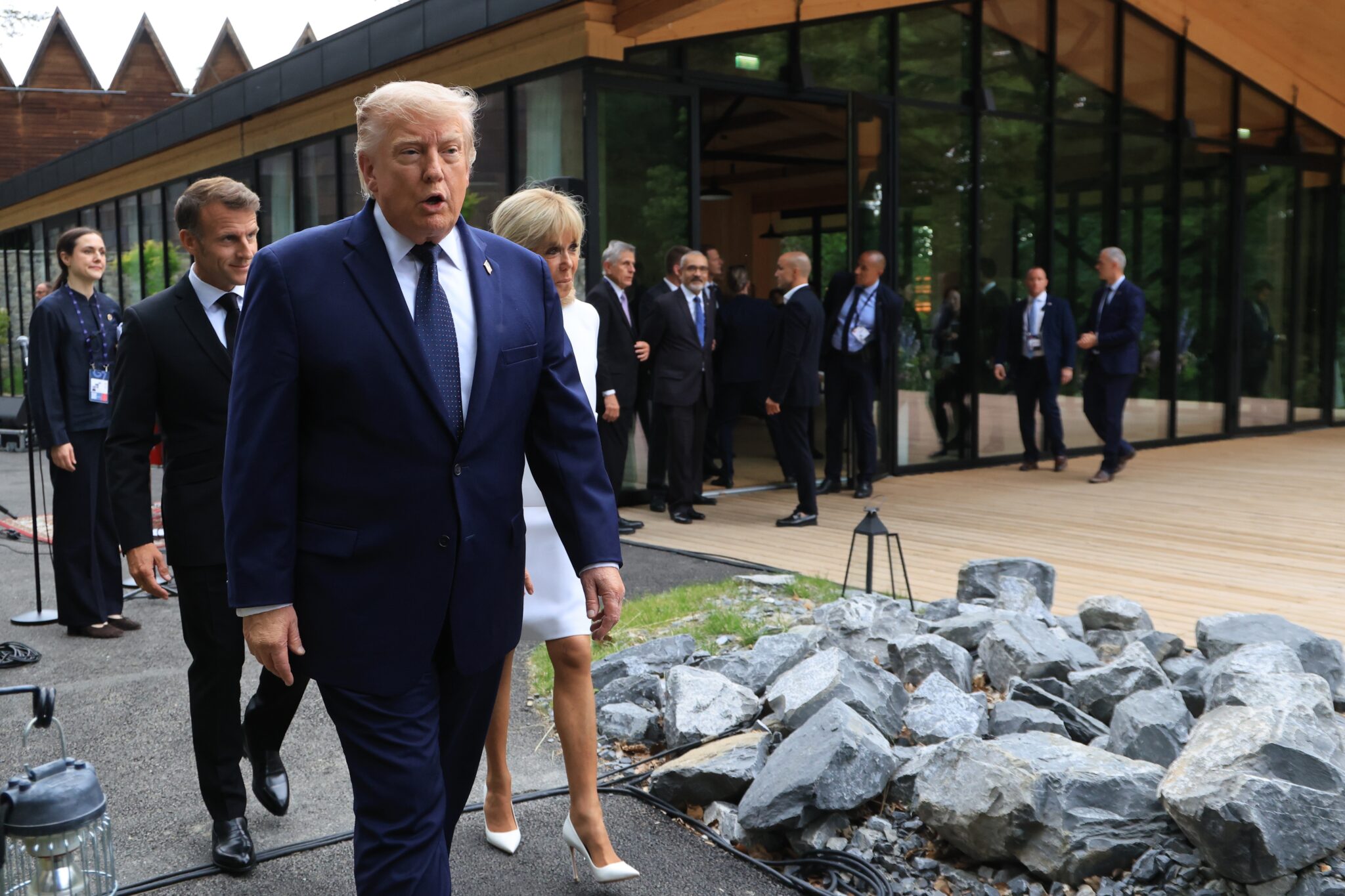
Trump Delays Jay Clayton DNI Nomination Amid FISA Fight/ Newslooks/ WASHINGTON/ J. Mansour/ Morning Edition/ President Donald Trump delayed Jay Clayton’s nomination for intelligence director while pressing Congress to pass a voter ID bill. Senate Intelligence Committee Chairman Tom Cotton said he would proceed with Clayton’s confirmation hearing. The dispute raises concerns about leadership of the U.S. intelligence community and renewal of a key surveillance program.
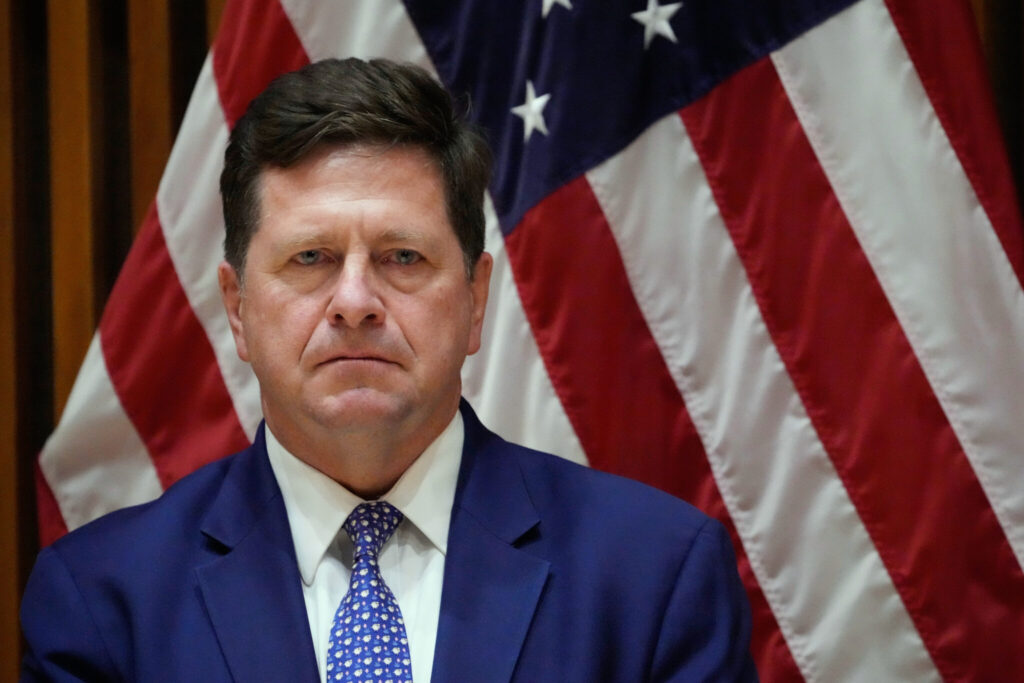
Jay Clayton DNI Nomination Quick Looks
- Trump delayed Jay Clayton’s nomination for intelligence director.
- Sen. Tom Cotton plans to hold the confirmation hearing anyway.
- The dispute centers on renewal of Section 702 surveillance powers.
- Trump linked FISA renewal to passage of a voter ID bill.
- Lawmakers from both parties oppose acting DNI Bill Pulte.
- Democrats criticized the White House for creating uncertainty.
- Section 702 expired last week after bipartisan disagreements.
- Intelligence officials warn the program is critical for national security.
- Clayton currently serves as U.S. attorney in Manhattan.
- The nomination battle adds to broader tensions over intelligence oversight.
Deep Look
Trump Delays Intelligence Nomination in Clash With Congress
President Donald Trump unexpectedly delayed the nomination of federal prosecutor Jay Clayton to lead America’s intelligence community on Wednesday, injecting new uncertainty into the leadership of the nation’s spy agencies and complicating efforts to renew a critical surveillance authority.
The move came just hours before Clayton was scheduled to appear before the Senate Intelligence Committee for a confirmation hearing.
Trump said he would keep housing official Bill Pulte as acting director of national intelligence while using the nomination as leverage to pressure Congress into passing a voter identification bill.
The decision immediately triggered confusion on Capitol Hill, especially after Senate Intelligence Committee Chairman Tom Cotton announced that the hearing would proceed unless Trump formally withdrew the nomination or instructed Clayton not to appear.
The conflicting messages underscored growing tensions between the White House and lawmakers over intelligence leadership and surveillance powers.
Section 702 Renewal Hangs in the Balance
At the center of the dispute is Section 702 of the Foreign Intelligence Surveillance Act (FISA), one of the U.S. government’s most powerful intelligence tools.
Section 702 allows American intelligence agencies to collect communications from targeted foreign nationals located outside the United States without obtaining a warrant.
National security officials from both parties have long argued that the program is vital for preventing terrorism, cyber threats and espionage. Civil liberties groups, however, have criticized the program because Americans’ communications can be collected incidentally.
The surveillance authority expired last week after Congress failed to renew it amid bipartisan frustration with Trump’s appointment of Bill Pulte as acting director of national intelligence.
Although a court order currently allows the program to continue temporarily, lawmakers warn that communications companies could challenge the government’s authority to compel cooperation.
Trump Links Surveillance to Voting Legislation
In a social media post from France, where he was attending the Group of Seven summit, Trump tied renewal of the surveillance authority to passage of a voter ID measure he calls the SAVE AMERICA ACT.
The legislation would require voters to show identification when casting ballots, but it currently lacks sufficient support in Congress, especially among Democrats.
Trump accused Democrats of breaking a deal that would have renewed Section 702 following Clayton’s nomination.
“Therefore, to add a slight bit of intrigue but, for the Good of the Nation, and the People of our Country, I will not approve FISA without THE SAVE AMERICA ACT going along with it,” Trump wrote.
The move immediately raised concerns that national security policy was becoming entangled with unrelated legislative priorities.
Lawmakers React to White House Uncertainty
Virginia Sen. Mark Warner, the top Democrat on the Senate Intelligence Committee, sharply criticized the administration’s handling of the issue.
He described the situation as an “extraordinary display of dysfunction” and blamed the White House for creating instability in national security leadership.
“The biggest obstacle to resolving these issues has not been Senate Democrats or Senate Republicans,” Warner said. “It has been the chaos and confusion coming from the White House itself.”
Meanwhile, Cotton, a close Trump ally, signaled rare independence from the president by insisting the committee would move ahead with the hearing unless explicitly directed otherwise.
That stance highlighted the urgency lawmakers feel about restoring long-term leadership to the intelligence community.
Why Bill Pulte Became Controversial
Trump initially installed Bill Pulte as acting DNI after former intelligence chief Tulsi Gabbard stepped down to care for her husband, who is battling cancer.
But lawmakers from both parties objected to Pulte’s appointment.
Critics cited his lack of intelligence experience and accused him of using his government role to target political adversaries of the president.
The backlash prompted Trump to nominate Jay Clayton, a former Securities and Exchange Commission chairman who currently serves as U.S. attorney for the Southern District of New York.
Many lawmakers viewed Clayton as a more conventional and confirmable choice.
Who Is Jay Clayton?
Clayton previously chaired the Securities and Exchange Commission during Trump’s first administration and has led the Manhattan U.S. attorney’s office for the past 14 months.
His office has overseen several high-profile cases, including:
- The release of records connected to Jeffrey Epstein and Ghislaine Maxwell.
- Drug trafficking prosecutions involving former Venezuelan President Nicolás Maduro.
- Other major federal investigations handled by the Southern District of New York.
That concern became another factor in delaying the nomination.
National Security Stakes Remain High
The uncertainty surrounding intelligence leadership comes at a sensitive moment.
The intelligence community faces ongoing challenges involving Russia, China, Iran, cyber threats and terrorism.
Without permanent leadership and congressional action on Section 702, officials warn that intelligence capabilities could become more vulnerable.
The coming days may determine whether Congress and the White House can reach an agreement that restores stability—or whether political battles will continue to complicate national security priorities.




You must Register or Login to post a comment.