

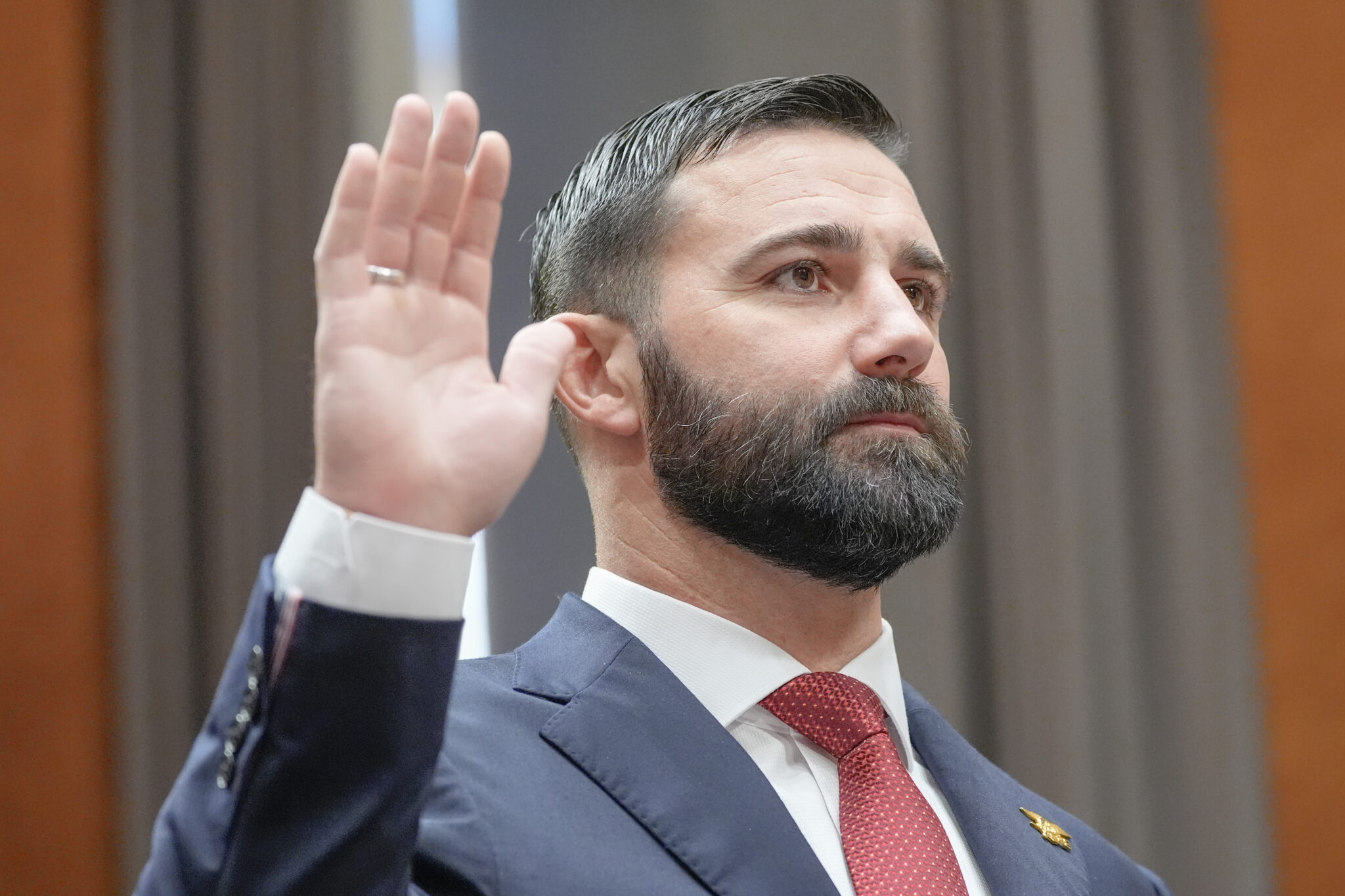
Trump’s FEMA Pick Cameron Hamilton Promises Fair Disaster Aid Decisions/ Newslooks/ WASHINGTON/ J. Mansour/ Morning Edition/ Cameron Hamilton pledged to fairly assess disaster aid requests if confirmed as FEMA administrator. His nomination comes after he was previously fired for defending the agency against calls for elimination. FEMA faces leadership turnover, staffing challenges and questions about its future role.
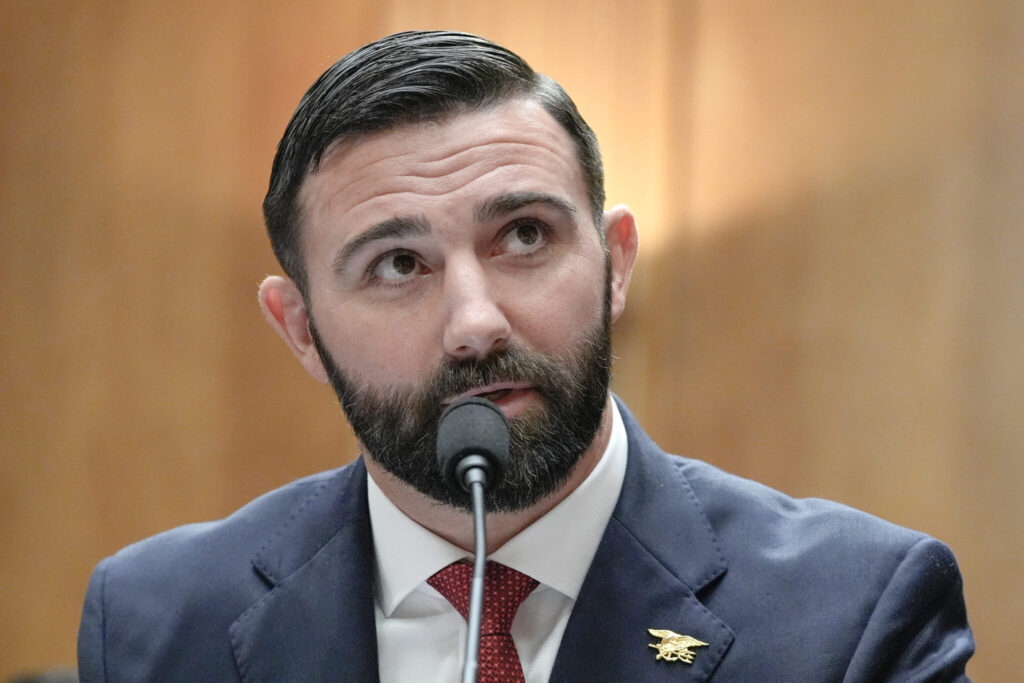
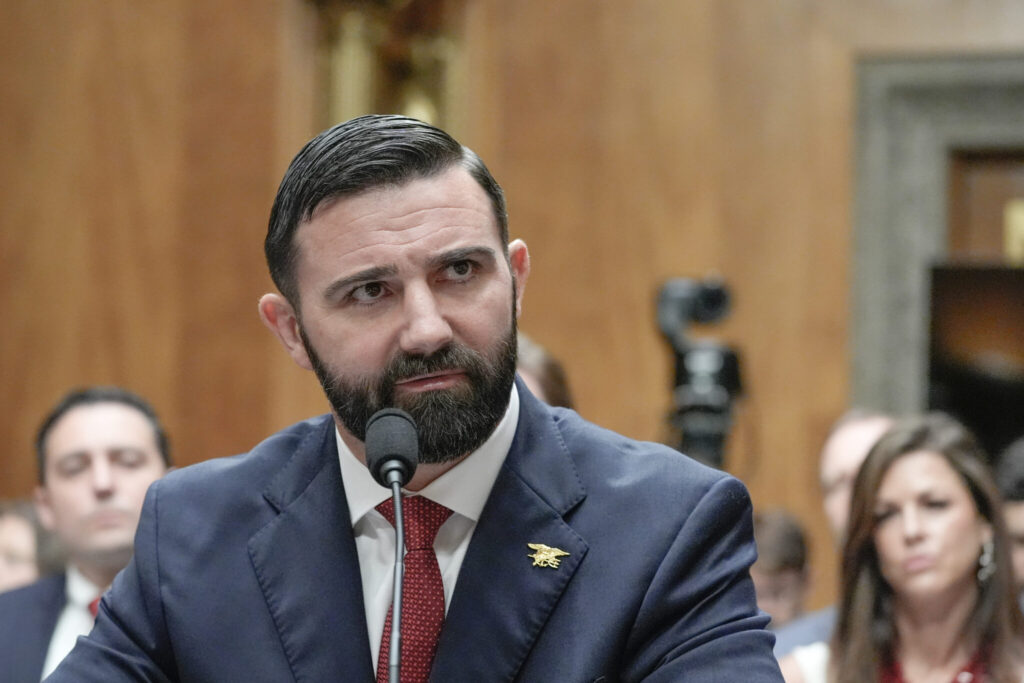
Cameron Hamilton FEMA Quick Looks
- Cameron Hamilton testified before the Senate on Wednesday.
- He promised objective and lawful disaster aid decisions.
- Hamilton briefly led FEMA in 2025 before being dismissed.
- He previously opposed efforts to eliminate the agency.
- FEMA has had four temporary leaders during Trump’s second term.
- Senators questioned the administration’s approach to disaster response.
- The agency has experienced staffing shortages and operational challenges.
- Hamilton would advise President Trump on emergency management.
- FEMA remains under scrutiny after calls for restructuring.
- Summer disaster season adds urgency to the agency’s leadership needs.
Deep Look
Trump’s FEMA Nominee Seeks to Reassure Lawmakers
President Donald Trump’s nominee to lead the Federal Emergency Management Agency (FEMA), Cameron Hamilton, pledged to senators Wednesday that disaster aid requests would be reviewed fairly and consistently if he is confirmed to head the agency.
Hamilton’s testimony comes at a pivotal moment for FEMA, which has faced leadership instability, staffing losses and ongoing questions about its future under the Trump administration.
Appearing before the Senate Homeland Security and Governmental Affairs Committee, Hamilton emphasized that disaster assistance decisions would remain objective and grounded in law.
“My focus will be to ensure that FEMA is objective, is fair and reasonable, follows the law, and is consistent,” Hamilton told lawmakers.
The assurance was directed in part at concerns over whether politics could influence disaster declarations, which are often critical for communities recovering from hurricanes, floods, wildfires and other emergencies.
A Return to FEMA After a Previous Dismissal
Hamilton’s nomination is notable because he previously served as FEMA’s acting administrator before being removed from the role.
He was appointed temporary head of FEMA in January 2025, shortly before President Trump publicly floated the idea of eliminating the agency altogether.
At the time, Hamilton had been critical of FEMA before taking the job. But after assuming leadership, he publicly defended the agency’s mission and argued against dismantling it.
During a House hearing last year, Hamilton stated that he did not believe abolishing FEMA would serve the interests of the American people.
He was dismissed from the position the following day.
Now, Trump has nominated him to return as FEMA’s first permanent administrator during the president’s second term.
FEMA Faces Major Challenges
If confirmed, Hamilton would inherit an agency dealing with significant internal challenges.
FEMA has cycled through four temporary leaders since the start of Trump’s second administration, creating uncertainty about long-term strategy and operations.
The agency has also faced:
- Workforce departures and staffing shortages
- Operational disruptions linked to Department of Homeland Security policies
- Questions over its future structure and responsibilities
- Increased pressure to prepare for severe weather events
Summer disaster season is approaching, making stable leadership particularly important.
Emergency management officials warn that hurricanes, wildfires and floods could place significant demands on FEMA’s resources in the months ahead.
Balancing White House Priorities and Disaster Response
If confirmed, Hamilton would become the principal adviser on emergency management to President Trump and Homeland Security Secretary Markwayne Mullin.
FEMA operates under the Department of Homeland Security and plays a central role in coordinating federal responses to natural disasters and emergencies.
Hamilton will likely face the challenge of balancing White House priorities with the operational needs of an agency responsible for supporting state and local governments during crises.
A presidential council established by Trump has reportedly recommended sweeping changes to FEMA, signaling that additional reforms could be on the horizon.
The administration has increasingly moved away from earlier suggestions that the agency should be eliminated altogether, but questions remain about what future reforms may look like.
Senators Raise Oversight Concerns
Hamilton’s hearing was one of several nomination proceedings held by the Senate committee on Wednesday.
Michigan Sen. Gary Peters, the committee’s top Democrat, questioned whether disaster declarations would be handled fairly and criticized the scheduling of multiple nominees in a single hearing.
Peters argued that reviewing many nominees at once limited transparency and reduced lawmakers’ ability to thoroughly examine candidates.
He also noted that some nominees had not yet completed FBI background checks or submitted required financial disclosures.
Committee Chairman Sen. Rand Paul responded that votes on nominees would occur only after the necessary reviews were completed.
What’s Next for FEMA?
Hamilton’s confirmation process unfolds at a critical time for emergency management in the United States.
FEMA’s mission has grown increasingly complex as climate-related disasters become more frequent and costly, while debates continue over the proper role of the federal government in disaster response.
Should Hamilton win Senate approval, he will be tasked with restoring stability to an agency that remains central to national emergency preparedness.
His ability to maintain FEMA’s operational capacity while navigating political debates over its future may shape disaster response policy for years to come.






You must Register or Login to post a comment.