

US Gas Prices Dip Below $4 After Iran Deal, But Remain Above Last Year/ Newslooks/ WASHINGTON/ J. Mansour/ Morning Edition/ U.S. gas prices fell below $4 per gallon for the first time since March. The decline followed President Donald Trump’s agreement with Iran and lower oil prices. Despite the drop, fuel costs remain roughly 25% higher than a year ago.
US Gas Prices Quick Looks
- National average gasoline price fell to $3.999 per gallon.
- First time average prices have dropped below $4 since March.
- Crude oil prices declined about 15% this month.
- Trump’s Iran agreement helped ease market concerns.
- Oil prices remain higher than pre-war levels.
- California drivers pay the highest average prices at $5.64 per gallon.
- South Carolina records among the lowest averages at $3.58 per gallon.
- Supply disruptions from the Strait of Hormuz continue to affect markets.
- Refineries may take weeks to pass lower oil costs to consumers.
- Businesses still expect elevated transportation and supply chain expenses.
Deep Look
US Gas Prices Fall Below $4 Per Gallon Following Iran Agreement
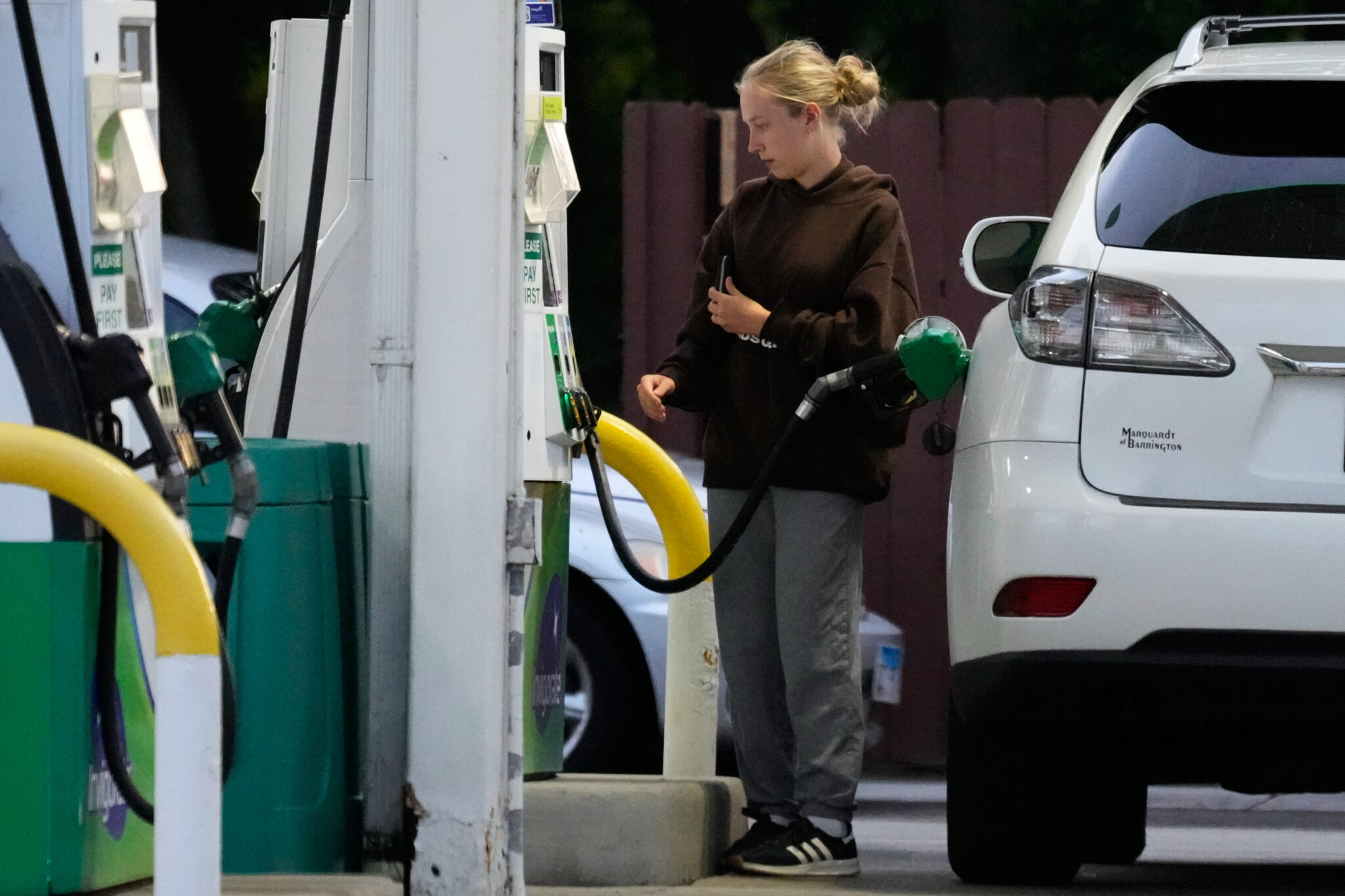
American drivers received some welcome relief at the pump Thursday as the national average price for regular gasoline slipped below $4 per gallon for the first time in more than three months.
According to AAA, the nationwide average fell to $3.999 per gallon, marking the first time since March that prices have dropped beneath the psychologically important $4 threshold.
The decline comes after President Donald Trump signed an agreement with Iran aimed at ending months of conflict and reopening critical energy supply routes that had been disrupted during the war.
While the move signals progress for consumers, fuel prices remain significantly higher than they were a year ago, reflecting the lingering effects of global energy market disruptions.
Iran Deal Helps Ease Oil Market Fears
Energy markets responded positively to news that the United States and Iran reached an agreement that includes Tehran diluting its stockpile of highly enriched uranium and receiving relief from certain U.S.-backed sanctions.
The agreement establishes a permanent ceasefire framework and launches a 60-day negotiation period designed to reach a broader settlement regarding Iran’s nuclear program.
Investors viewed the deal as a sign that oil exports from the region could gradually normalize, reducing fears of prolonged supply shortages.
As a result, crude oil prices have fallen sharply this month.
Oil prices recently traded near $80 per barrel, down significantly from highs above $120 during the height of the conflict.
However, crude remains well above the roughly $67-per-barrel level seen before the war began.
Regional Differences Remain Significant
Although national averages are moving lower, fuel costs continue to vary dramatically across the country.
California remains the most expensive state for gasoline, with drivers paying an average of $5.64 per gallon.
Several factors contribute to California’s higher prices, including environmental regulations, taxes, and regional supply constraints.
Meanwhile, motorists in South Carolina enjoy some of the lowest prices in the nation, averaging $3.58 per gallon.
These regional differences illustrate how local taxes, refining capacity, transportation costs, and state regulations continue to influence pump prices even when global oil markets move in the same direction.
Strait of Hormuz Recovery Will Take Time
Despite the positive reaction to the agreement, analysts caution that energy markets will not return to normal overnight.
Before the conflict, the Strait of Hormuz served as one of the world’s most important energy corridors, carrying approximately 20% of globally traded crude oil.
The disruption created a massive backlog of tankers and significantly slowed exports from Gulf producers.
Now that a framework agreement is in place, hundreds of vessels remain stranded or delayed within the Persian Gulf region.
Shipping companies, insurers, and governments must first verify that navigation routes are safe before normal traffic resumes.
Many analysts expect shipping activity to gradually improve over the coming weeks rather than immediately returning to pre-war levels.
Lower Oil Prices Take Time to Reach Drivers
Even when oil prices decline rapidly, consumers do not immediately see the benefits at gas stations.
Refineries typically purchase crude oil weeks or months before turning it into gasoline and diesel fuel.
As a result, many facilities are still processing crude acquired at much higher wartime prices.
That delay means retail gasoline prices often lag behind movements in oil markets.
Industry experts expect additional declines at the pump if crude prices remain stable and if the Iran agreement holds.
However, the timeline could stretch over several weeks before the full impact reaches consumers.
Supply Chains Still Feeling the Impact
The war’s effects extended well beyond gasoline.
The disruption of shipping routes through the Strait of Hormuz affected global supply chains for numerous products, including:
- Fertilizer
- Food products
- Industrial materials
- Consumer goods
- Footwear and apparel
Many businesses absorbed higher transportation and logistics costs during the conflict.
Even as energy prices begin to ease, companies say elevated freight and shipping expenses may continue affecting prices for consumers.
That means households could still face higher costs for a variety of products long after fuel prices begin to normalize.
What Consumers Can Expect Next
The drop below $4 per gallon represents an encouraging milestone for motorists who endured months of elevated fuel costs.
Still, gasoline remains approximately 25% more expensive than it was a year ago, highlighting the lasting economic effects of geopolitical instability in the Middle East.
Future price movements will depend largely on:
- Successful implementation of the U.S.-Iran agreement.
- Reopening of the Strait of Hormuz.
- Recovery of Gulf oil production.
- Global demand for crude oil.
- Decisions by energy producers and refiners.
If the ceasefire remains intact and oil continues flowing freely through regional shipping lanes, analysts expect gradual additional relief at the pump throughout the summer.






You must Register or Login to post a comment.