

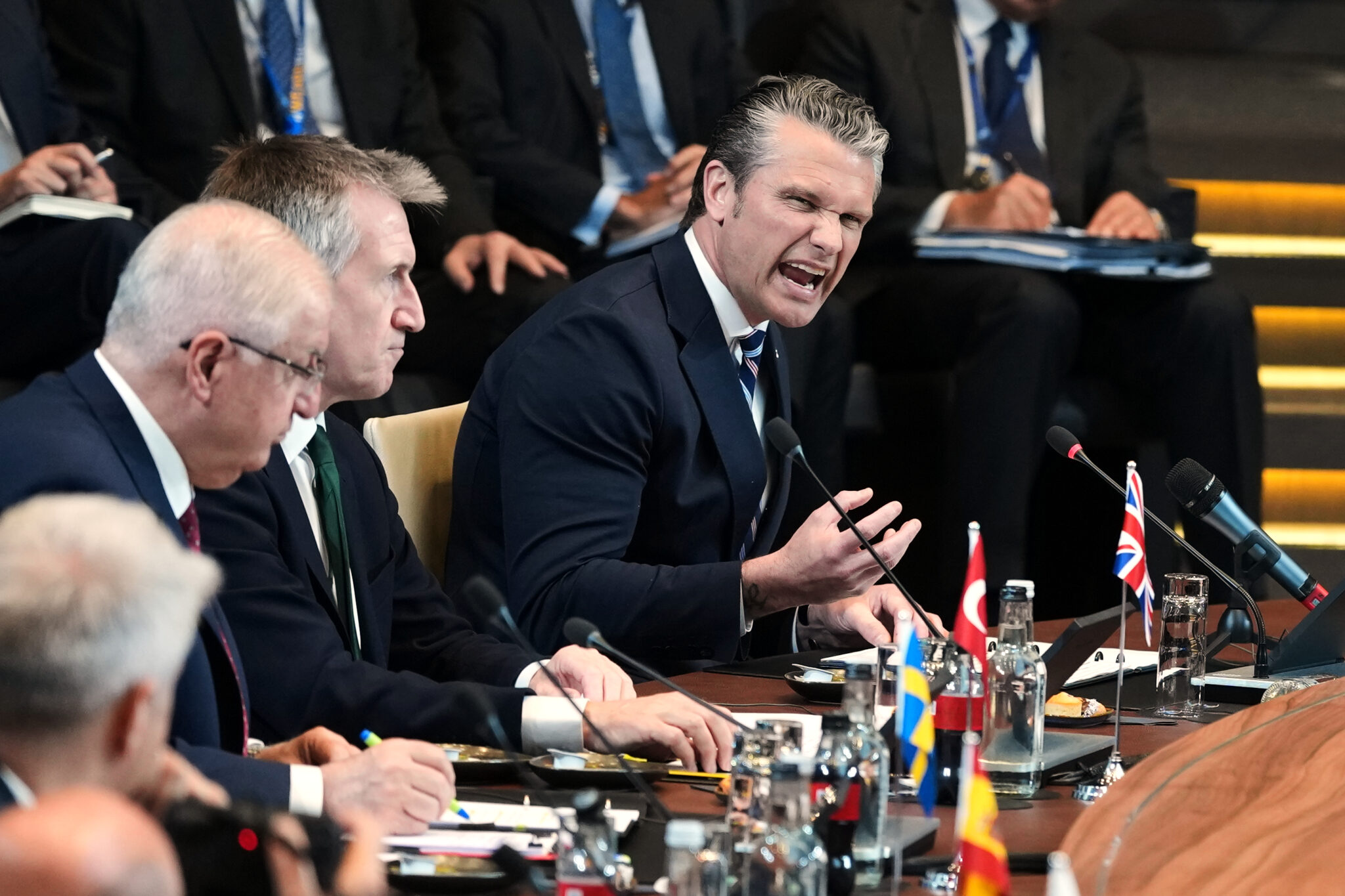
Hegseth Lashes out at NATO Allies Saying US Reviews Europe Forces/ Newslooks/ WASHINGTON/ J. Mansour/ Morning Edition/ Defense Secretary Pete Hegseth announced a six-month review of U.S. military forces stationed in Europe. He criticized NATO allies for relying too heavily on Washington and failing to support U.S. military operations. The review could reshape America’s military presence in Europe depending on allies’ defense commitments.
US Europe Troop Review Quick Looks
- Pentagon launches six-month review of American forces in Europe.
- Hegseth says Europe must take primary responsibility for its defense.
- NATO allies criticized over military spending and support.
- Review will assess access to European military bases and airspace.
- Concerns grow over future U.S. commitment to NATO security.
- Administration continues pivot toward Indo-Pacific and China.
- NATO leaders preparing for crucial summit in Turkey next month.
- U.S. nuclear deterrence in Europe remains unchanged.
- European allies increasing defense budgets at record levels.
- Ukraine aid discussions continue amid alliance uncertainty.
Deep Look
Hegseth Announces Major Review of US Military Presence in Europe
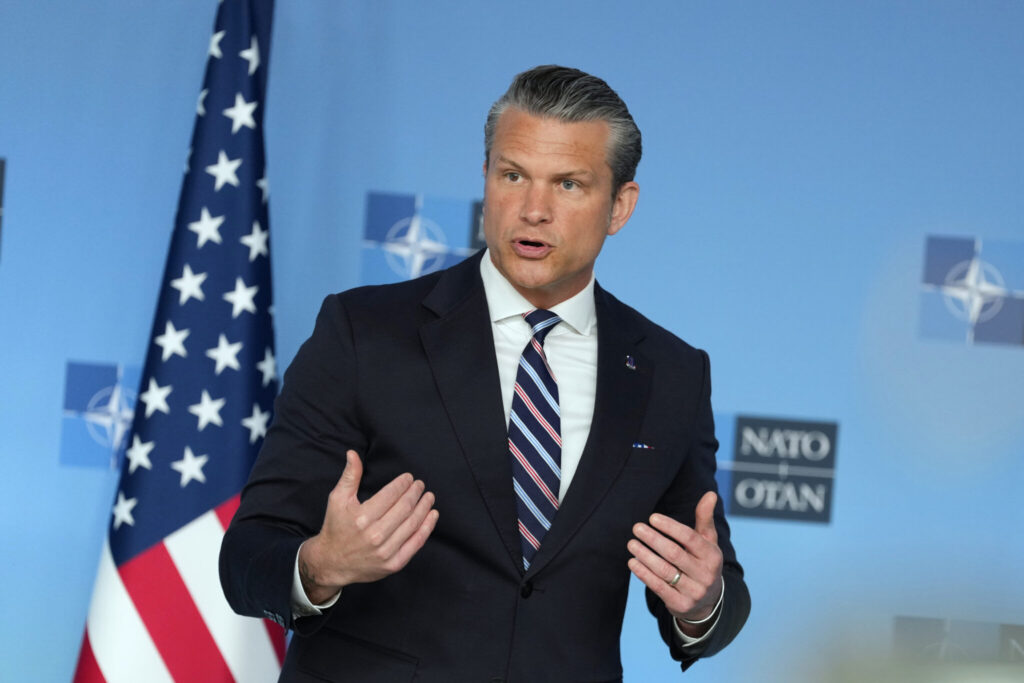
U.S. Defense Secretary Pete Hegseth delivered one of the Trump administration’s strongest warnings yet to NATO allies, announcing a six-month Pentagon review that could significantly alter America’s military footprint across Europe.
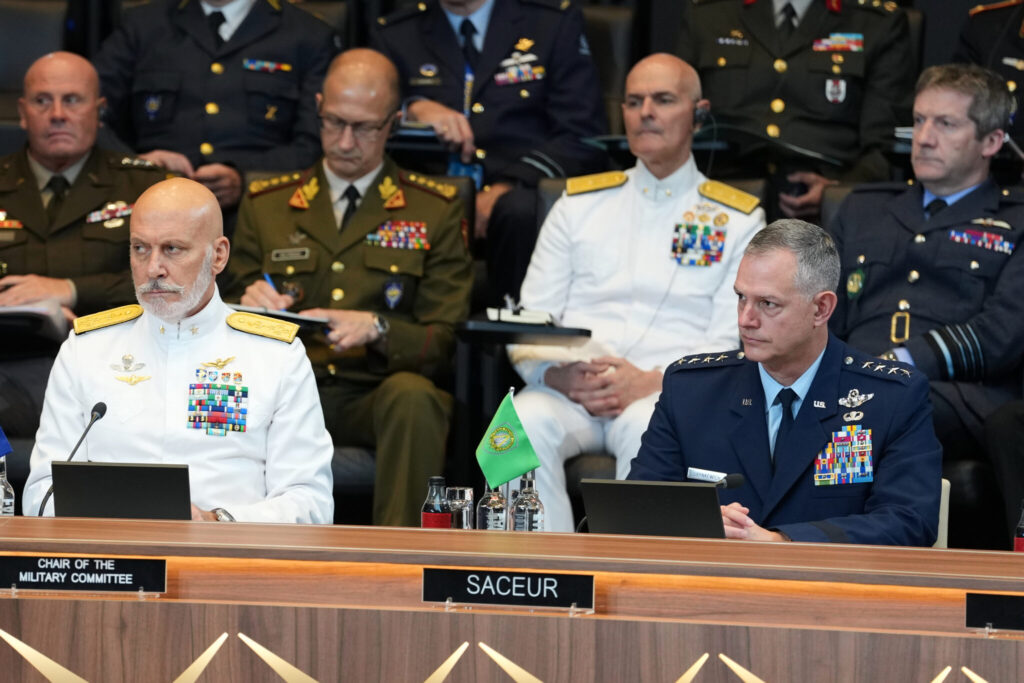
Speaking during a meeting of NATO defense ministers in Brussels, Hegseth said the review would evaluate whether European nations are moving quickly enough toward assuming greater responsibility for their own defense.
The announcement immediately raised concerns among allies already navigating an increasingly unpredictable relationship with Washington.
According to Hegseth, the review is intended to determine whether NATO members are making meaningful progress toward building independent military capabilities rather than relying heavily on American forces.
“This will be a real review,” he said. “It will be designed to ensure that NATO is moving fast and irreversibly toward Europe leading and taking primary responsibility for the defense of Europe.”
Growing Uncertainty Over America’s Role in NATO
The review follows months of mixed signals from the Trump administration regarding future U.S. military commitments on the continent.
European governments have struggled to interpret Washington’s long-term intentions as officials alternately discuss reducing, maintaining, or even strengthening America’s military presence overseas.
Only weeks ago, the administration indicated that future U.S. military support during a NATO crisis might not match historical levels, prompting allies to accelerate defense planning efforts.
The uncertainty has become particularly significant because the United States remains NATO’s dominant military power, providing many of the alliance’s most advanced capabilities.
As Europe confronts security challenges ranging from Russia’s military activities to instability in neighboring regions, questions about Washington’s commitment have become increasingly urgent.
Sharp Criticism of NATO Allies
Hegseth used his appearance in Brussels to deliver unusually blunt criticism of America’s allies.
Among his complaints was what he described as insufficient support from some European nations during recent U.S. military operations involving Iran.
The defense secretary argued that some allies failed to provide reliable access to military bases, airspace, and logistical support when requested.
He characterized those restrictions as unacceptable and suggested they could become a factor in determining future American military deployments.
The Pentagon review will specifically examine whether the United States can consistently rely on allies for military basing rights, overflight permissions, and operational access during future conflicts.
Broader Critique of European Policies
Beyond military matters, Hegseth expanded his criticism to include broader European political priorities.
He argued that many countries spent years focusing on issues such as climate initiatives, social programs, and gender-related policies while allowing defense spending to stagnate.
According to Hegseth, Europe’s security challenges require a renewed emphasis on military readiness and national defense.
His remarks echoed previous comments by Vice President JD Vance that sparked controversy among European leaders and policymakers.
Many European officials reject the characterization, pointing to substantial increases in defense expenditures across the continent.
Europe Responds With Increased Defense Spending
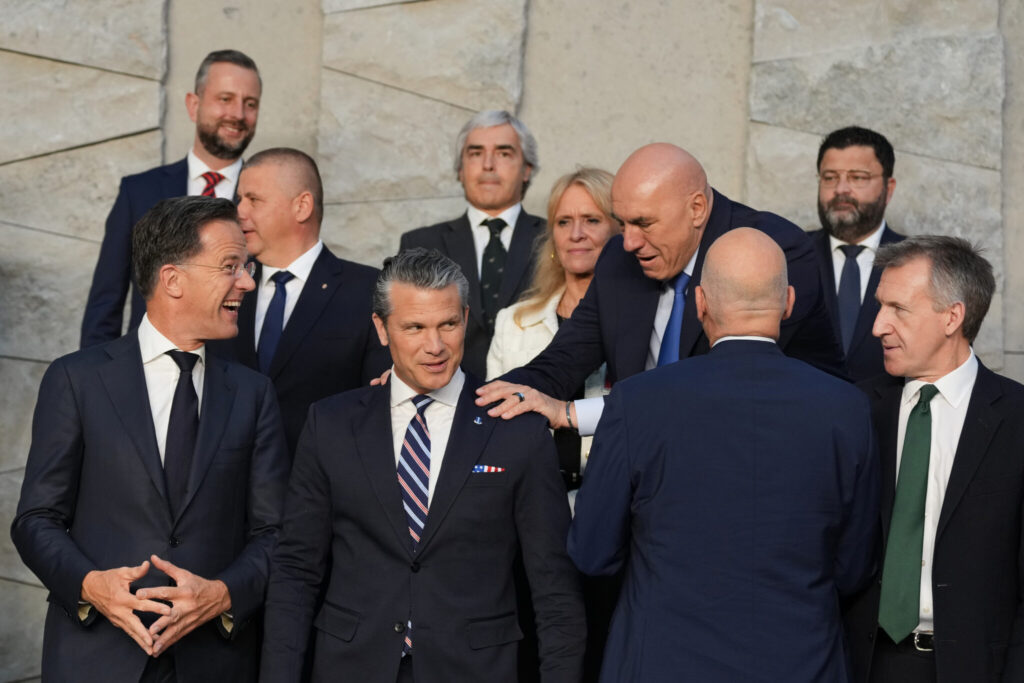
NATO Secretary-General Mark Rutte pushed back against suggestions that Europe has failed to act.
He highlighted significant increases in defense spending among alliance members, noting that European allies and Canada collectively added approximately $90 billion in defense expenditures last year alone.
That represented roughly a 20% increase compared with the previous year.
Many NATO governments have launched ambitious military modernization programs, expanded troop recruitment efforts, and accelerated weapons procurement initiatives.
Officials argue these investments demonstrate that Europe is already assuming a greater share of alliance responsibilities.
US Shifts Focus Toward China
The Pentagon’s review also reflects broader strategic priorities inside the Trump administration.
Defense planners increasingly argue that America must prepare for the possibility of simultaneous conflicts in multiple regions.
As a result, military leaders want greater flexibility to concentrate resources in the Indo-Pacific region where China remains Washington’s primary long-term strategic competitor.
Reducing commitments in Europe could free personnel, equipment, and funding for operations elsewhere.
The administration has repeatedly emphasized that future military planning must account for challenges beyond Europe, particularly in Asia.
NATO’s Collective Defense Under Scrutiny
The review has fueled renewed debate over NATO’s Article 5 collective defense commitment.
While the treaty does not require specific military responses, the United States has traditionally served as the cornerstone of NATO’s deterrence strategy.
Recent signals from Washington suggest that future U.S. support may depend more heavily on the individual contributions made by allied governments.
That shift has prompted NATO commanders to develop contingency plans that rely less heavily on American assets.
US Nuclear Commitment Remains Intact
Despite uncertainty surrounding conventional military forces, American officials stressed that U.S. nuclear weapons stationed in Europe are not part of the review.
NATO’s Nuclear Planning Group issued its first formal statement in nearly two decades following Thursday’s meeting.
The alliance reaffirmed that nuclear deterrence remains a central pillar of collective security.
Leaders also pledged continued modernization of NATO’s nuclear capabilities and planning structures.
That assurance was designed to calm fears that Washington might scale back another critical component of its European defense posture.
What Comes Next
The Pentagon review is expected to continue through the end of the year and could influence future decisions regarding troop deployments, military infrastructure, and alliance planning.
Its conclusions will likely play a major role in shaping discussions at the upcoming NATO summit in Turkey.
For European allies, the message from Washington was unmistakable: future American military commitments may increasingly depend on how quickly Europe demonstrates it can defend itself.
While NATO leaders publicly emphasize alliance unity, the coming months could determine whether the transatlantic partnership enters a new era of burden-sharing—or deeper uncertainty.






You must Register or Login to post a comment.