

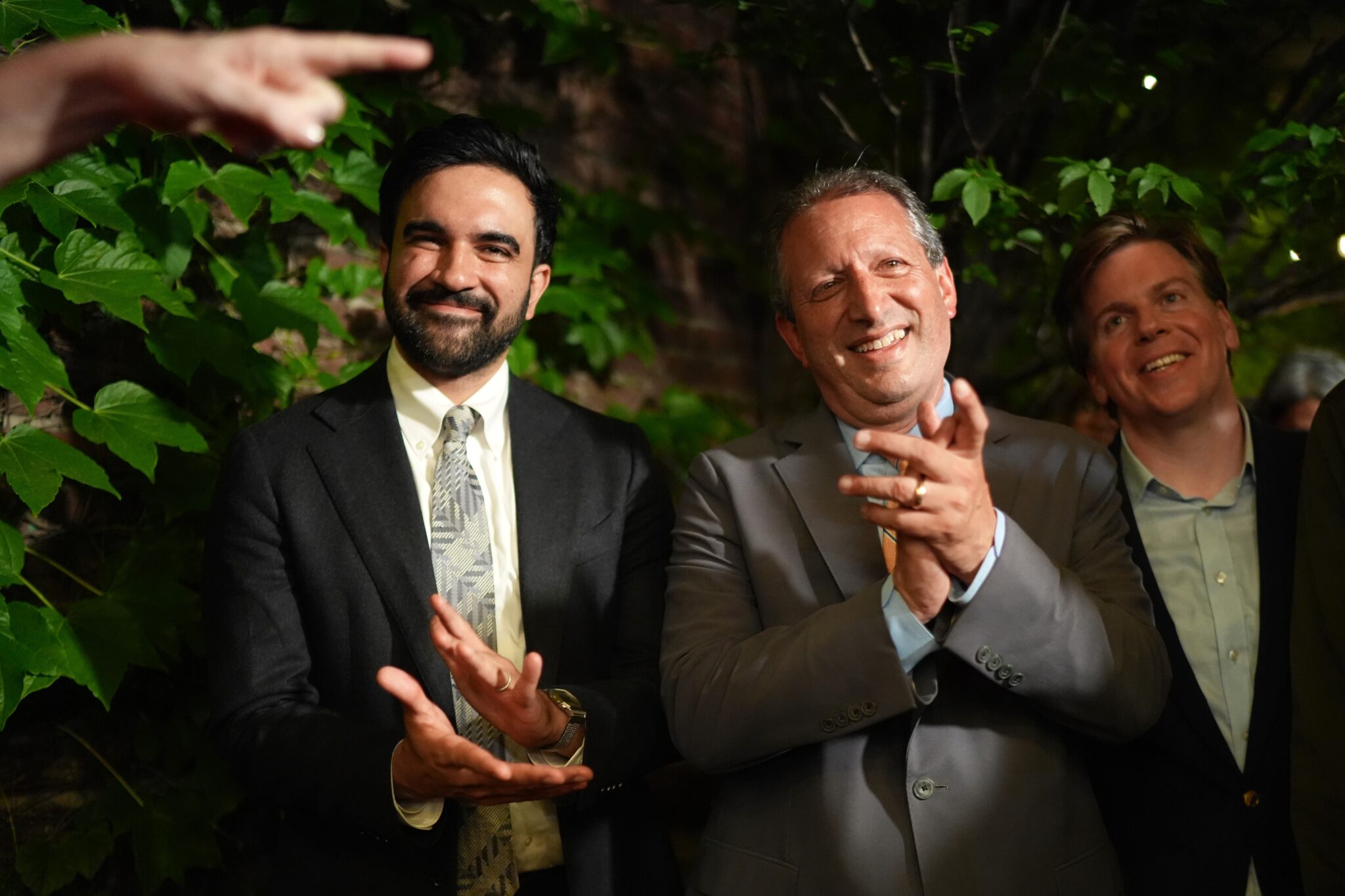
Trump, Mamdani and AI Money Shape Major 2026 Primary Election Results/ Newslooks/ WASHINGTON/ J. Mansour/ Morning Edition/ New York City Mayor Zohran Mamdani demonstrated growing political influence after all three of his endorsed progressive House candidates won Democratic primaries. Artificial intelligence industry groups poured millions into a high-profile New York congressional race centered on AI regulation. President Donald Trump secured a primary endorsement victory in South Carolina while major contests unfolded across Utah and Maryland.
2026 Primary Election Takeaways Quick Looks
- Mamdani-backed candidates won three key Democratic House primaries in New York.
- Two self-described democratic socialists are now positioned to enter Congress.
- Progressive victories highlight Mamdani’s growing influence within the Democratic Party.
- AI companies spent millions in a Manhattan congressional race focused on tech regulation.
- Micah Lasher defeated AI-regulation advocate Alex Bores.
- Trump endorsed both candidates in South Carolina’s Republican gubernatorial runoff.
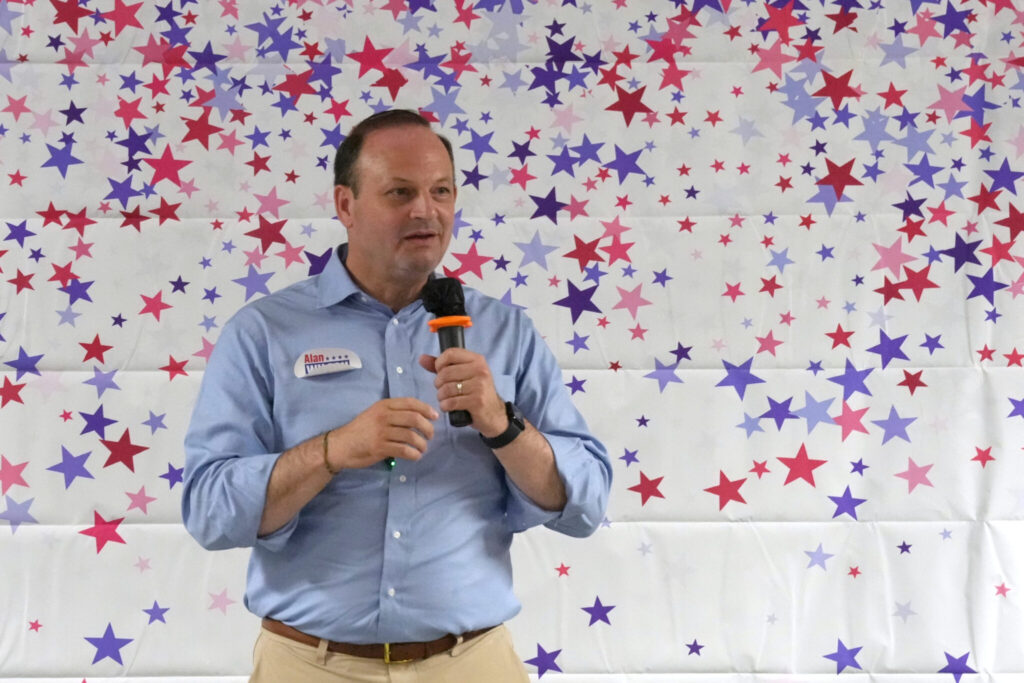
- South Carolina Attorney General Alan Wilson won the GOP nomination.
- Former Congressman Ben McAdams won Utah’s Democratic congressional primary.
- Maryland Gov. Wes Moore secured renomination as he eyes reelection.
- Maryland Republicans selected conservative candidate Dan Cox for governor.
Deep Look
Mamdani Emerges as a Rising Force in Democratic Politics
New York City Mayor Zohran Mamdani delivered one of the most significant political victories of the 2026 primary season by helping propel three progressive candidates to victories in Democratic congressional contests.
The results underscored Mamdani’s growing influence within Democratic politics and highlighted the continued rise of progressive and democratic socialist candidates in deep-blue districts.
Mamdani framed his endorsements as an effort to elect “better Democrats” who would “put working people back at the heart of politics.”
While some Democratic leaders expressed concerns about his intervention in congressional races, the outcomes demonstrated that Mamdani’s political brand is resonating with many primary voters.
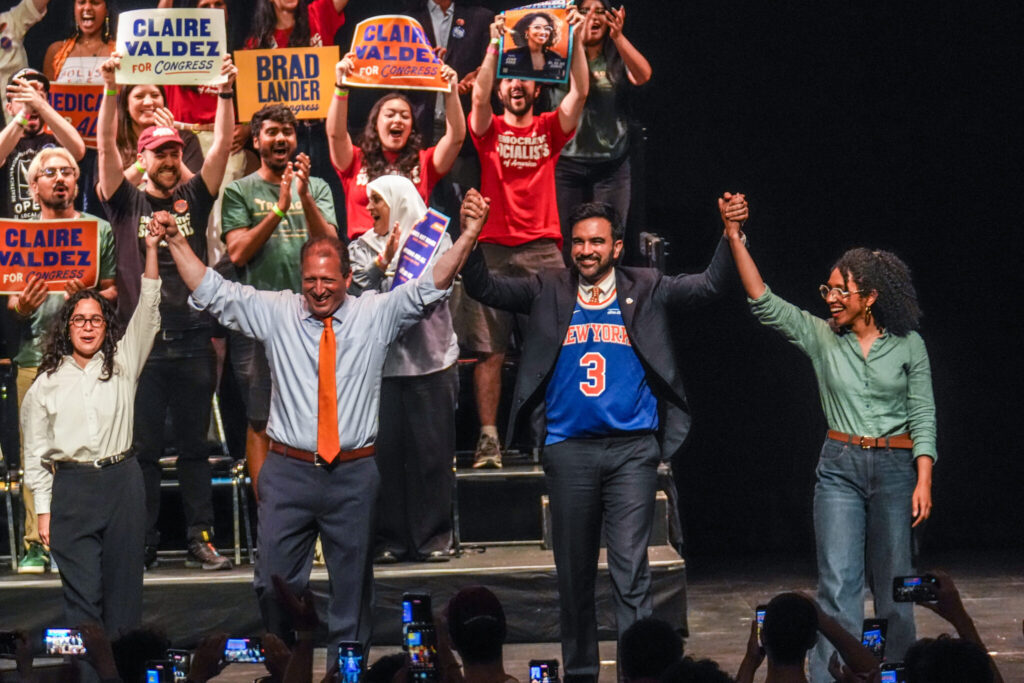
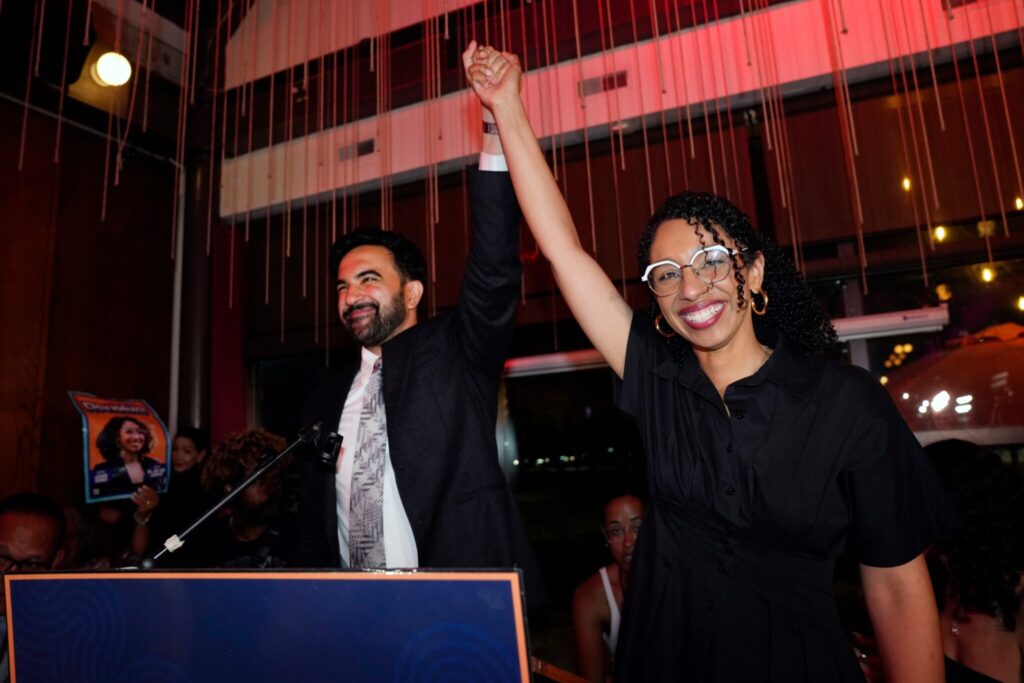
When Mamdani appeared before supporters in Brooklyn on election night, chants of “DSA” — referring to the Democratic Socialists of America — echoed through the crowd, reflecting the movement’s growing momentum.
Three Mamdani-Backed Candidates Capture Key Victories
One of the biggest victories came in the race to replace retiring Democratic Representative Nydia Velázquez.
State Assembly Member Claire Valdez defeated Brooklyn Borough President Antonio Reynoso in a contest that became a battle between competing Democratic factions. Valdez enjoyed Mamdani’s endorsement, while Reynoso was backed by Velázquez.
Another major upset occurred when Democratic Representative Adriano Espaillat lost his reelection bid to Darializa Avila Chevalier.
Avila Chevalier, who has never held elected office, is a democratic socialist and previously helped organize pro-Palestinian demonstrations at Columbia University. Her victory marked one of the most surprising outcomes of the night.
Former New York City Comptroller Brad Lander also secured a win after challenging Representative Dan Goldman from the political left.
The race focused heavily on the war in Gaza, with Lander arguing that Goldman had not been sufficiently critical of Israeli policies.
Because all three districts are heavily Democratic, the winners are expected to prevail in the general election, potentially giving Mamdani three close allies in Congress beginning next year.
AI Industry Spending Shapes Manhattan Congressional Race
One of the most closely watched races in the country unfolded in Manhattan, where competing factions of the artificial intelligence industry poured millions of dollars into a Democratic primary.
The contest centered around Assemblyman Alex Bores, a former employee of Palantir who has advocated for stronger AI regulation.
Bores became known for supporting one of the nation’s most comprehensive state-level artificial intelligence regulatory proposals. He argued that Congress should adopt a similar approach to overseeing rapidly evolving AI technologies.
His candidacy triggered an extraordinary spending battle.
A political group backed by investors connected to OpenAI spent more than $7 million attacking Bores. Meanwhile, another group linked to Anthropic responded with more than $10 million in support of his campaign.
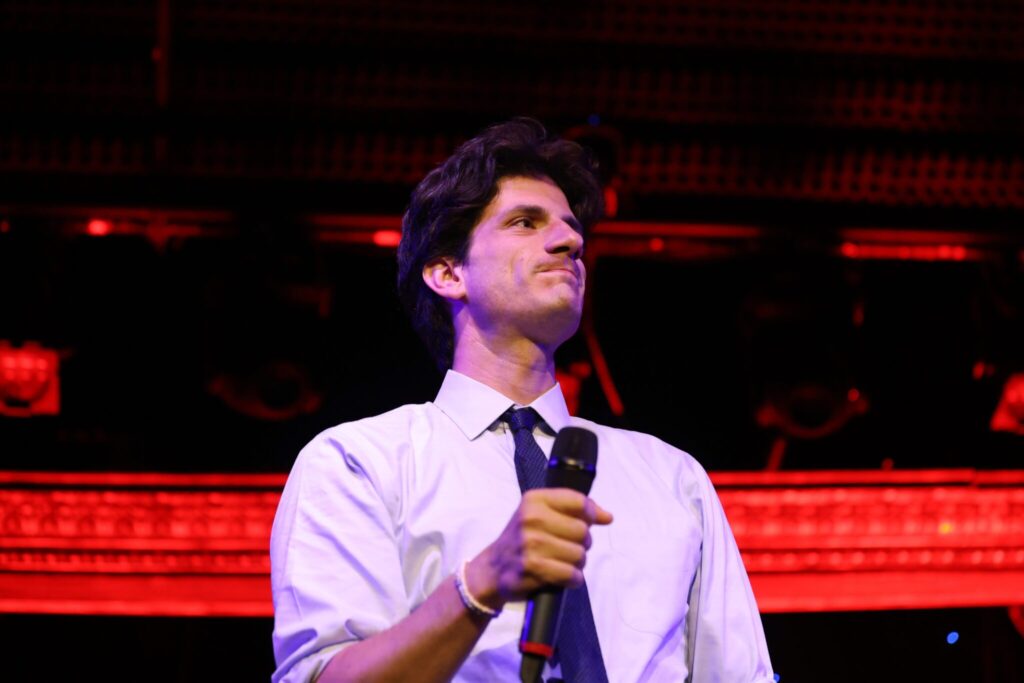
Despite the financial backing, Bores was defeated by Assemblymember Micah Lasher, a veteran government official supported by Democratic establishment figures.
Lasher criticized outside influence from technology companies throughout the campaign.
“I have some news for the two big AI companies who’ve taken such an unusual interest in who won this congressional seat,” he said Tuesday night. “I won’t be taking my cues from either of you when it comes to protecting our kids, our jobs, our environment.”
The race highlighted the increasing role that artificial intelligence policy is playing in American politics and congressional elections.
Trump Protects His Endorsement Record in South Carolina
President Donald Trump entered the South Carolina Republican gubernatorial runoff facing unusual political pressure.
Earlier this month, two candidates he endorsed in governor’s races failed to secure nominations, raising questions about the continued strength of his political influence.
To avoid another setback, Trump took the uncommon step of endorsing both remaining South Carolina candidates — Lt. Gov. Pamela Evette and Attorney General Alan Wilson.
“I can’t hurt one of them by only Endorsing the other, so therefore, I am going to Endorse, for Governor of South Carolina, both Pam Evette and Alan Wilson!” Trump wrote.
“It’s a Wealth of Riches – With either one you can’t go wrong.”
The strategy ensured that one of Trump’s endorsed candidates would prevail.
Wilson ultimately secured victory and praised Trump during his victory speech.
“I was honored to receive his endorsement,” Wilson said. “I think he saw the fight in our campaign, the energy in our campaign. And think he likes a fighter and I think that’s won him over. I want to thank you, Mr. President.”
Trump quickly celebrated the result online, posting: “Alan Wilson wins!” and adding, “Endorsed by President Trump!”
Utah Democrats Shift Further Left
Utah also produced an important result as Democrats competed in a newly favorable congressional district created after redistricting.
Former Congressman Ben McAdams won the Democratic primary, but his campaign reflected how much the political environment has changed since his earlier congressional victories.
When McAdams first won a House seat in 2018, he emphasized moderate positions and described himself as pro-life.
This year, competing in a more Democratic district centered around Salt Lake City, McAdams embraced abortion rights and repositioned himself ideologically.
He described himself as only “moderate in tone.”
His victory came despite challenges from more progressive candidates, including State Senator Nate Blouin, who argued Democrats needed to stop trying to “play nice” with Republicans.
Blouin’s campaign received support from Senator Bernie Sanders, highlighting the ideological debates continuing within the Democratic Party.
Maryland Republicans Choose a Different Path
In Maryland, Democratic Governor Wes Moore easily secured renomination as he seeks a second term.
Moore remains one of the Democratic Party’s most closely watched rising stars and is frequently mentioned as a possible presidential contender in 2028.
Republicans, meanwhile, selected Dan Cox as their nominee for governor.
Cox emerged from a crowded nine-candidate field and positioned himself as the most conservative option in the race.
A former state delegate and attorney, Cox emphasized tax cuts, housing affordability and his support for President Trump throughout the campaign.
His victory signals that Maryland Republicans are moving away from the more moderate style of former Governor Larry Hogan, who governed the state for eight years.
What the Results Mean Going Forward
Tuesday’s primaries revealed several major trends that could shape the 2026 midterm elections.
Mamdani’s successful intervention in New York demonstrated the growing strength of progressive candidates and democratic socialist organizations in urban Democratic strongholds.
The Manhattan congressional contest highlighted how artificial intelligence policy is becoming a significant political issue, with major technology companies increasingly willing to spend heavily on elections.
Trump’s endorsement strategy in South Carolina showed his continued influence within Republican politics, even as some recent primary setbacks raised questions about his political dominance.
Taken together, the results suggest both parties continue to wrestle with internal ideological battles while preparing for a highly consequential general election season.





You must Register or Login to post a comment.