

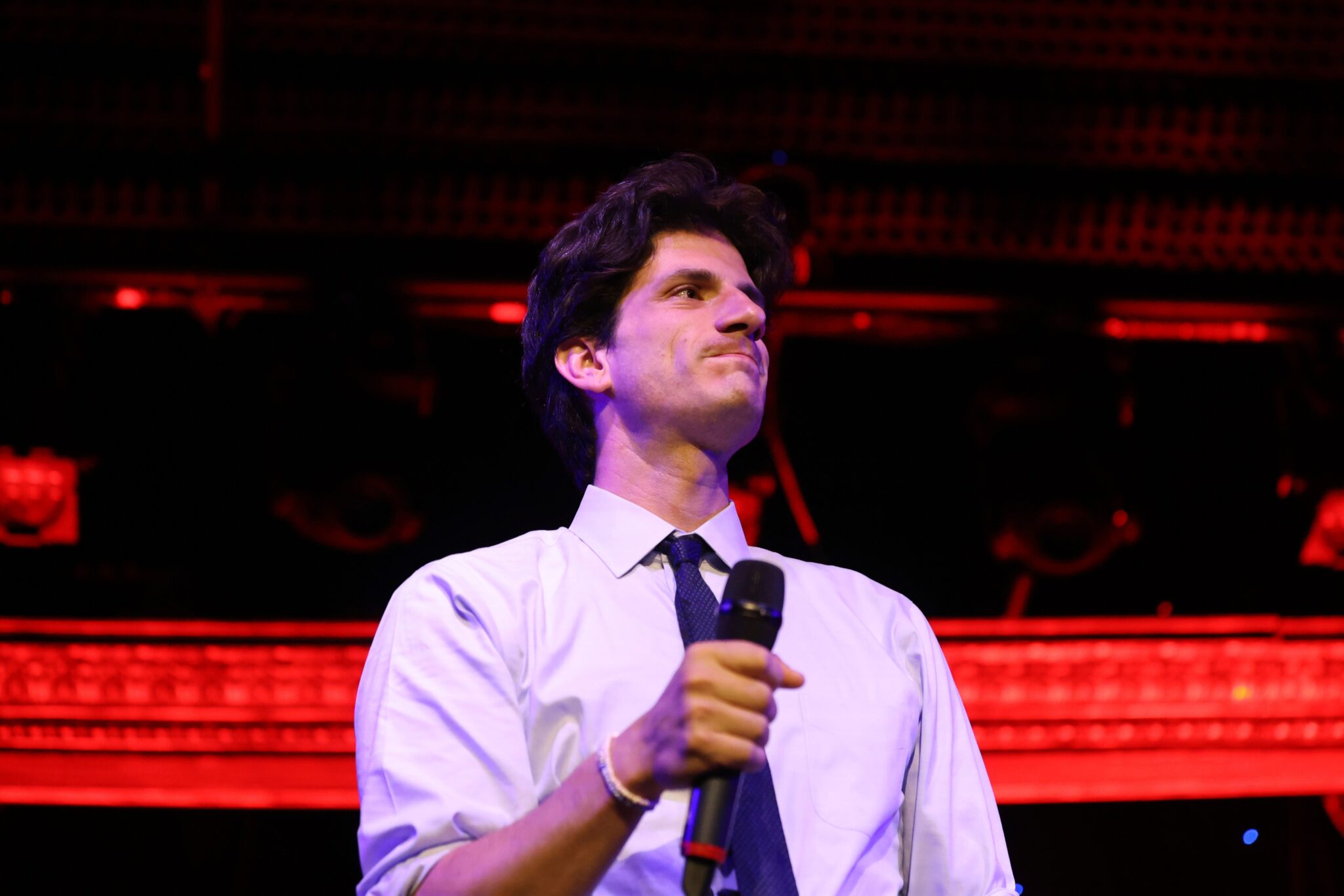
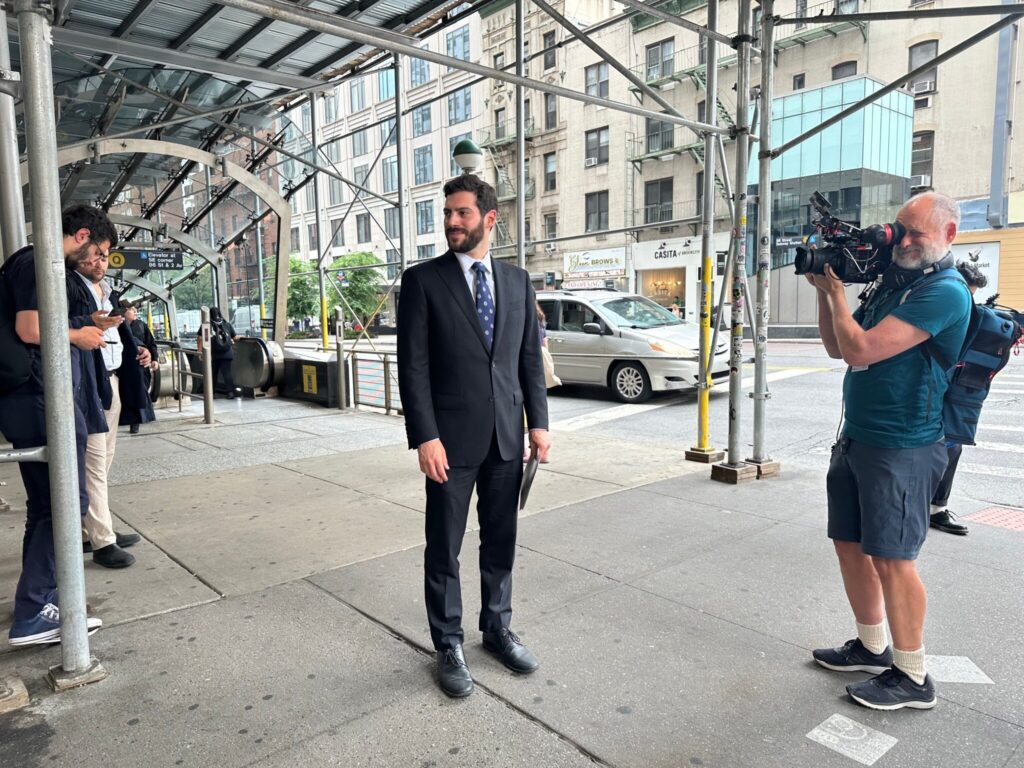
Kennedy Heir Jack Schlossberg Falls Short in Manhattan House Race/ Newslooks/ WASHINGTON/ J. Mansour/ Morning Edition/ Jack Schlossberg’s bid to bring the Kennedy family back to Congress ended with a primary defeat in Manhattan. State Assembly Member Micah Lasher won the crowded Democratic race for the open House seat. The contest drew national attention due to Kennedy family ties, AI industry spending, and Democratic Party divisions.
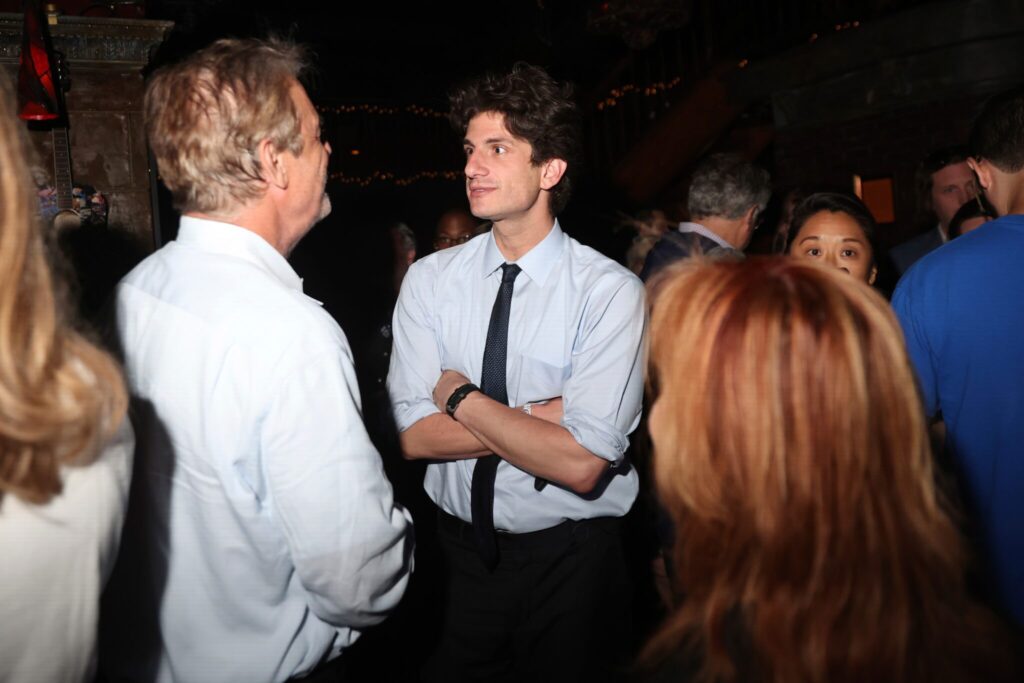
Jack Schlossberg New York Primary Quick Looks
- Jack Schlossberg loses Democratic primary for New York congressional seat.
- Micah Lasher secures victory in Manhattan’s open House race.
- Lasher was endorsed by retiring Congressman Jerry Nadler.
- Schlossberg campaigned as a political outsider and reform-minded Democrat.
- The race became a battleground over artificial intelligence regulation.
- Millions of dollars were spent by competing AI industry groups.
- Candidate Alex Bores emerged as a focal point in the AI debate.
- Gov. Kathy Hochul joined Lasher at his victory celebration.
- Democrats dominate the district, making Lasher the heavy favorite in November.
- The result ends hopes of a Kennedy return to Congress in 2027.
Deep Look
Jack Schlossberg’s Congressional Bid Ends in Defeat
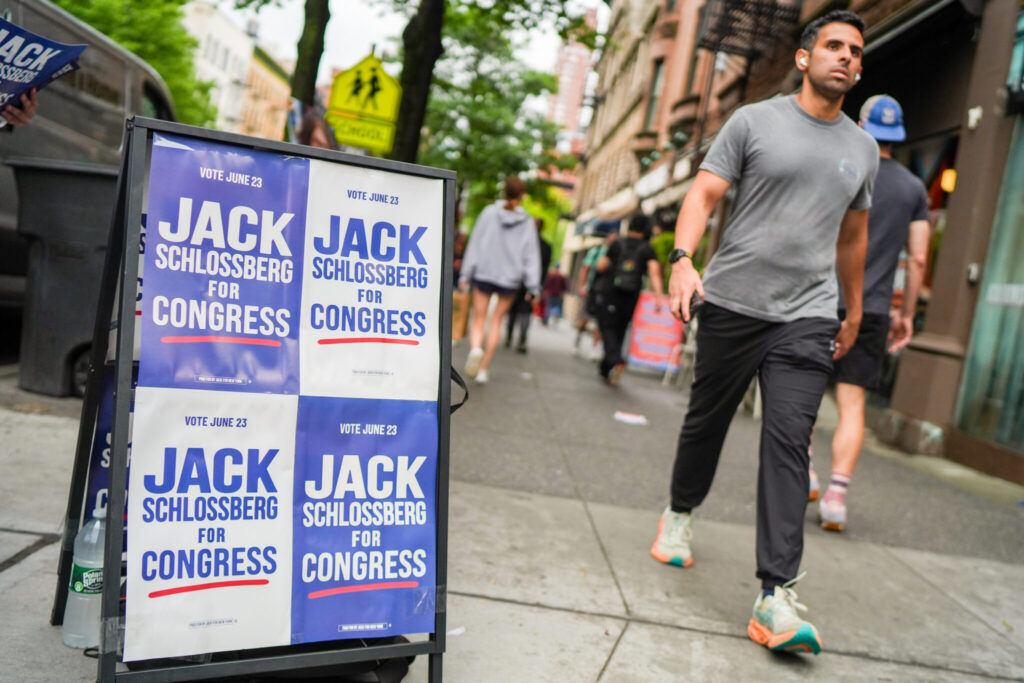
The Kennedy political dynasty will not be returning to Capitol Hill next year after Jack Schlossberg lost a closely watched Democratic primary in Manhattan to New York Assembly Member Micah Lasher.
Schlossberg, the grandson of President John F. Kennedy and one of the most recognizable names in American politics, entered the race hoping to launch his own political career while bringing a younger voice to the Democratic Party. Instead, voters chose Lasher, a veteran political operative and longtime public servant with deep ties to New York’s Democratic establishment.
The victory places Lasher in a strong position for the November general election in a district where Democrats hold a commanding voter registration advantage.
Micah Lasher Relies on Experience and Party Support
Lasher’s campaign focused heavily on experience, government service, and his relationships with influential Democratic leaders.
Over the years, he worked for several elected officials, including retiring Congressman Jerry Nadler, whose seat he is now poised to inherit. Lasher also received support from key Democratic figures, including New York Governor Kathy Hochul.
In his victory speech, Lasher emphasized the need for Democratic renewal while maintaining a practical governing approach.
He told supporters that he wants to help “revamp and recharge the Democratic Party in Washington” and demonstrate that Democrats can offer bold solutions while delivering meaningful results for working Americans.
His message appeared to resonate with voters seeking experienced leadership during a period of political uncertainty.
Schlossberg Sought to Chart His Own Political Path
Although his famous last name attracted significant attention, Schlossberg repeatedly argued that voters should judge him on his ideas rather than his family heritage.
Throughout the campaign, he promoted himself as a fresh voice capable of helping Democrats reconnect with voters frustrated by economic pressures and political dysfunction.
Schlossberg urged the party to embrace more direct communication and stronger leadership.
“We don’t just need younger candidates. We need different people,” he told supporters on election night, warning that Democrats risk continued electoral setbacks if they fail to adapt to changing political realities.
Despite generating enthusiasm among younger voters and building a strong social media presence, Schlossberg ultimately failed to convince enough voters that he was the best choice for the seat.
Famous Name Brings Attention and Scrutiny
As the grandson of President John F. Kennedy and the son of U.S. Ambassador Caroline Kennedy, Schlossberg entered the race with enormous public visibility.
His campaign generated widespread media coverage and social media engagement. Supporters viewed him as a charismatic candidate capable of energizing younger voters.
However, the famous family name also invited greater scrutiny.
Critics questioned his relatively limited professional experience and whether his political appeal extended beyond his family legacy.
Before launching his campaign, Schlossberg worked briefly at the State Department and contributed political commentary for media publications. He also earned degrees in law and business.
While many voters appreciated his willingness to challenge the Democratic establishment, others preferred candidates with longer records of public service.
AI Industry Spending Shapes the Race
Beyond Schlossberg’s candidacy, the race became one of the most unusual congressional contests of the election cycle because of the massive influence of artificial intelligence interests.
Assembly Member Alex Bores, another prominent candidate, became a lightning rod in the debate over AI regulation.
A former technology professional, Bores sponsored legislation that many AI companies opposed. That position triggered an influx of spending from competing factions within the technology industry.
Groups linked to major AI investors poured millions of dollars into advertising campaigns designed either to defeat Bores or support him.
The result was a flood of campaign mailers, television advertisements and digital outreach that transformed a local congressional primary into a national test case for technology policy.
Although Bores ultimately lost, his campaign drew attention to growing debates surrounding AI regulation and the influence of technology companies in American politics.
Multiple Political Storylines Converged
The race featured several other high-profile figures.
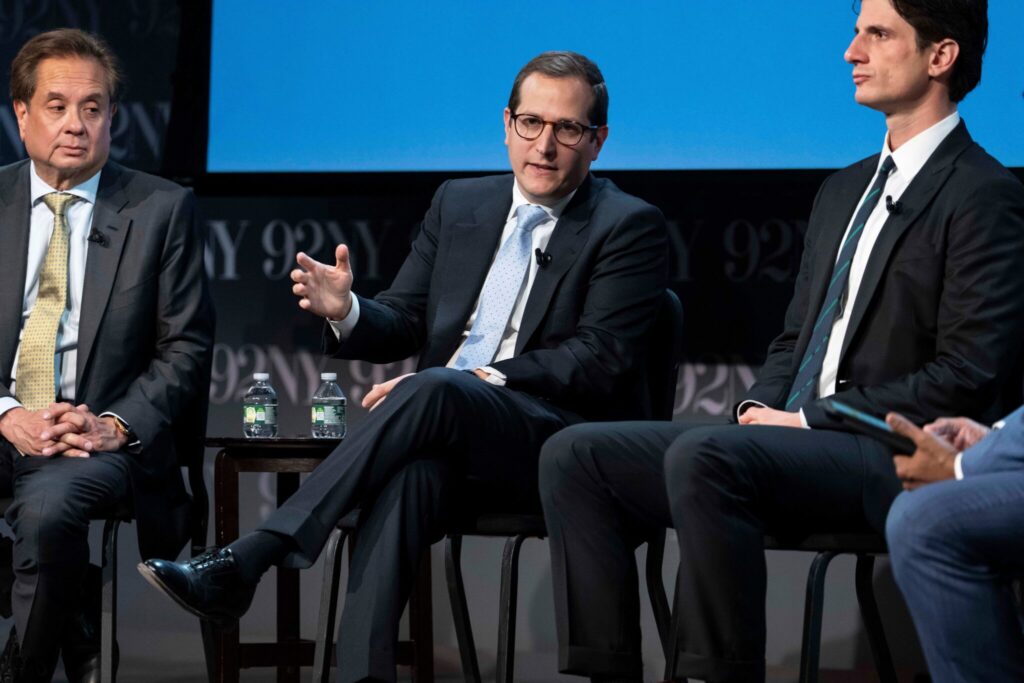
George Conway, a prominent attorney and co-founder of the anti-Trump Lincoln Project, also sought the nomination. His candidacy generated national headlines due to his history as a conservative critic of President Donald Trump and his previous marriage to former Trump adviser Kellyanne Conway.
Former Congresswoman Carolyn Maloney also played a role by endorsing Bores, while Nadler backed Lasher.
The competing endorsements reflected broader disagreements within New York Democratic politics over experience, generational change and policy priorities.
What the Result Means for Democrats
Lasher’s victory represents a win for establishment Democrats at a time when progressive and outsider candidates continue challenging traditional party leadership across the country.
The outcome suggests that Democratic voters in Manhattan still place significant value on government experience and institutional knowledge, even amid calls for political change.
For Schlossberg, the defeat does not necessarily end his political future. At just 33 years old, he remains one of the most recognizable young figures in Democratic politics and could pursue public office again.
For now, however, the effort to return a member of the Kennedy family to Congress has fallen short.


You must Register or Login to post a comment.