

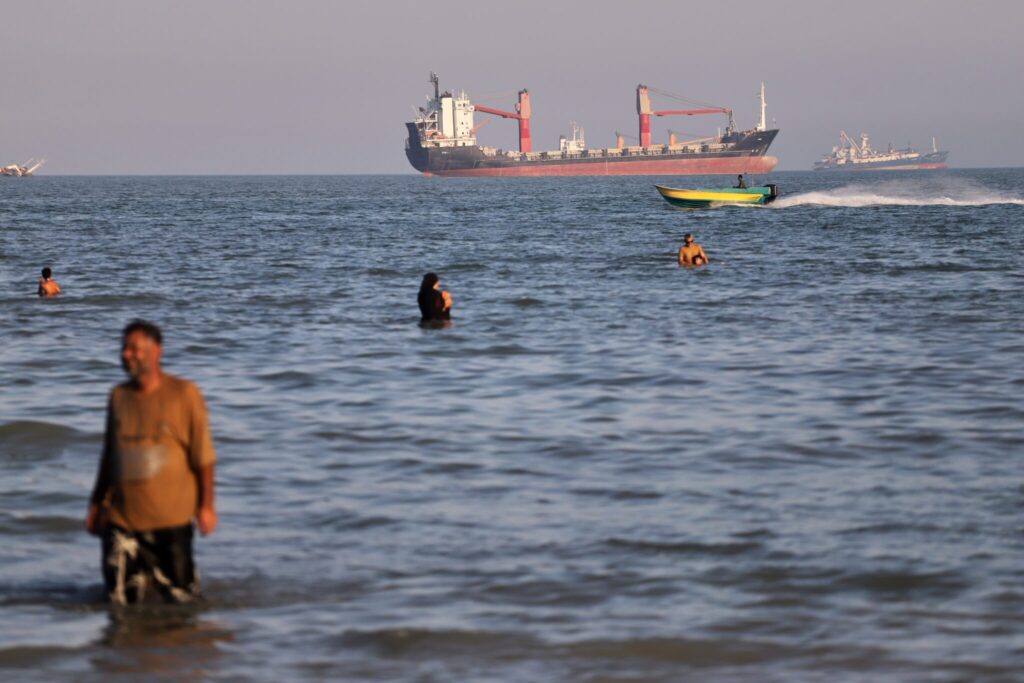
U.S. Strikes Iran After Drone Attack on Ship Tests Fragile Ceasefire. Newslooks/ WASHINGTON/ J. Mansour/ Morning Edition/ The United States launched military strikes against Iran after a drone attack targeted a cargo ship in the Strait of Hormuz, an incident President Donald Trump said violated the countries’ fragile ceasefire. The military response adds new uncertainty to ongoing negotiations aimed at ending months of conflict and reopening one of the world’s most important shipping lanes.
U.S. Iran Strikes Quick Looks
- The U.S. struck Iranian military sites after a drone attack on a cargo ship.
- President Trump said the attack violated the interim ceasefire agreement.
- U.S. Central Command targeted missile, drone and coastal radar facilities.
- Iran insisted it was enforcing navigation rules in the Strait of Hormuz.
- The United Nations paused ship evacuation efforts through the waterway.
- Negotiations between Washington and Tehran continue despite renewed military action.
Deep Look
U.S. Responds to Drone Attack
The United States launched airstrikes against Iranian military targets Friday following a drone attack on a commercial cargo ship in the Strait of Hormuz, marking the most serious challenge yet to the interim agreement reached between Washington and Tehran just one week earlier.
U.S. Central Command said American forces struck missile launch sites, drone facilities and coastal radar positions after the attack on the merchant vessel.
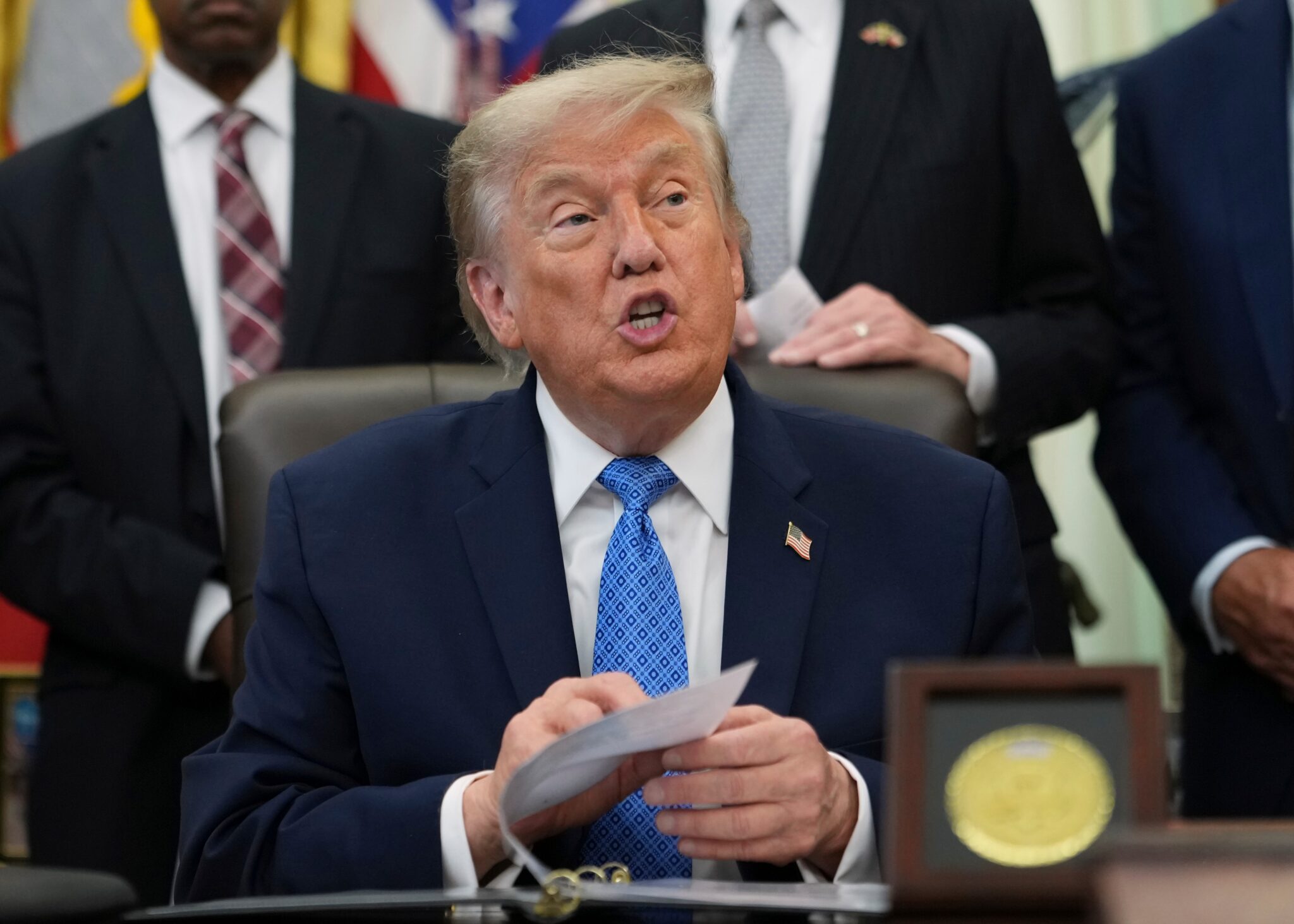
President Donald Trump defended the military response, saying Iran had violated the ceasefire.
“I don’t like the fact that they took a shot yesterday, actually four of them,” Trump told reporters before the strikes.
Asked whether the military action conflicted with ongoing negotiations, Trump replied, “They’re a little bit different.”
Military Operation Ends Within an Hour
According to a U.S. official familiar with the operation, the strikes concluded roughly one hour after Central Command announced the military action.
The official, speaking on condition of anonymity, said the operation targeted facilities linked to Iran’s missile and drone capabilities along the country’s southern coastline.
Vice President JD Vance later urged Iran to continue diplomatic engagement while warning against further attacks.
“But violence will be met with violence,” Vance said on social media.
Iran Defends Its Position
Iranian officials rejected accusations that the drone attack violated the ceasefire.
Ebrahim Azizi, chairman of Iran’s parliamentary national security commission, argued that Tehran was simply enforcing its authority over shipping through the Strait of Hormuz.
“The Strait of Hormuz is governed by Iran, so: Respect the rules,” Azizi wrote on social media.
He added, “This is not a violation of the ceasefire; it is ceasefire management.”
Iran has repeatedly insisted that vessels use routes approved by Tehran while negotiations over the future administration of the strategic waterway continue.
Shipping Operations Face New Uncertainty
The latest confrontation disrupted international efforts to restore commercial shipping through the Strait of Hormuz.
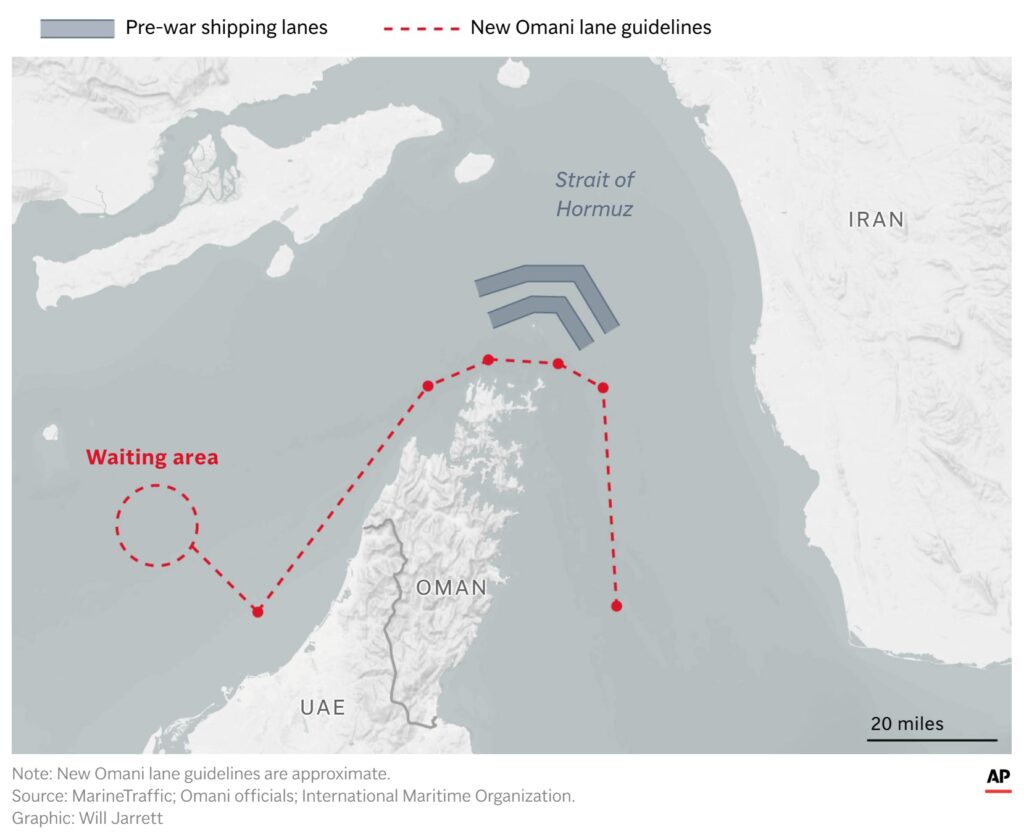
Following Thursday’s drone attack, the International Maritime Organization suspended its operation to escort stranded vessels through an alternative route along Oman’s coastline.
According to the agency, approximately 115 ships have exited the region in recent days, while roughly 500 vessels remain waiting for safe passage.
Shipping analysts said the incident has slowed what had been growing confidence among commercial operators returning to the route.
Several tankers reportedly altered course after Iran warned ships against using routes not approved by its authorities.
Peace Talks Continue Under Pressure
Despite renewed military action, negotiations between the United States and Iran remain active.
The two countries continue working under a 60-day interim framework aimed at ending months of conflict, reopening commercial navigation through the Strait of Hormuz and addressing Iran’s stockpile of highly enriched uranium.
The latest exchange underscores the fragile nature of the agreement as both governments attempt to balance diplomacy with military deterrence.
Israel and Lebanon Take Separate Step Toward Stability
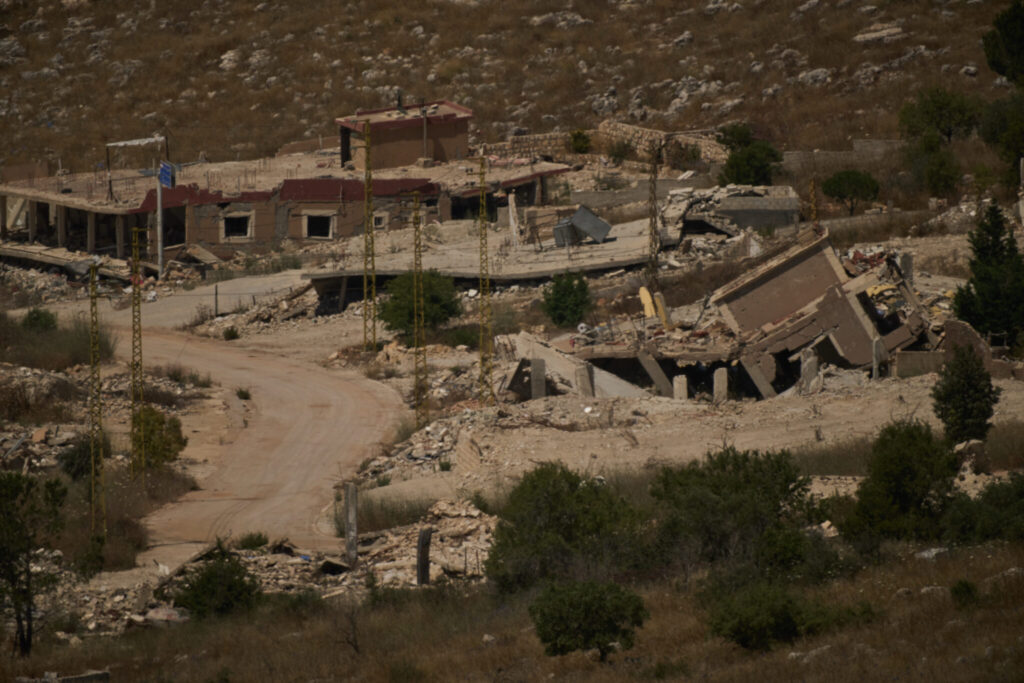
While tensions escalated between Washington and Tehran, Israeli and Lebanese officials announced progress toward reducing hostilities along their shared border.
Representatives from both countries described a new framework as an important step toward improving security and allowing displaced civilians to return home.
Israeli Prime Minister Benjamin Netanyahu said Israel would maintain its security presence in southern Lebanon until Hezbollah is disarmed, while Lebanese officials expressed hope the agreement would promote long-term peace and stability.





You must Register or Login to post a comment.