

US Producer Prices Drop 0.3% from May to June on Lower Energy Prices, Outlook is Cloudy/ Newslooks/ J. Mansour/ U.S. producer prices fell 0.3% in June as gasoline and other energy costs declined sharply. The cooler wholesale and consumer inflation reports reduced immediate pressure on the Federal Reserve to raise interest rates. Renewed conflict with Iran and Strait of Hormuz tensions could reverse the improvement by driving energy prices higher.
US Producer Prices Quick Looks
- U.S. producer prices dropped 0.3% from May to June.
- It was the largest monthly decline since April 2025.
- Wholesale prices rose 5.5% compared with June 2025.
- Gasoline prices plunged 12% during June.
- Gasoline remained nearly 43% more expensive than a year earlier.
- Food prices also declined.
- Core wholesale prices increased 0.2% from May.
- Core producer prices rose 4.7% year over year.
- Consumer prices fell 0.4% in June.
- Cooler inflation reduces immediate pressure on the Federal Reserve.
- Inflation remains above the Fed’s 2% target.
- Rising oil prices could threaten recent inflation progress.
- The Strait of Hormuz remains a major economic risk.
Deep Look
US Producer Prices Fall as Energy Costs Plunge
U.S. wholesale inflation declined sharply in June as falling energy prices pushed producer costs lower, offering another encouraging inflation signal for the American economy.
The Labor Department reported Wednesday that the producer price index dropped 0.3% from May to June.
The decline was the largest since April 2025 and reversed a 0.6% increase recorded during the previous month.
The producer price index measures inflation before higher costs reach consumers. Because businesses frequently pass expenses to customers, economists monitor the report for early signs of future consumer price trends.
June’s decline provided some relief after months of concern about persistent inflation.
However, renewed fighting involving the United States and Iran has created significant uncertainty about whether the improvement will continue.
Wholesale Inflation Slows From May Levels
Compared with one year earlier, producer prices increased 5.5% in June.
That was down from the 6% annual increase recorded in May.
The slowdown suggests wholesale inflation pressures eased during the month, although prices remain significantly higher than they were a year ago.
Energy costs were the primary reason for the monthly decline.
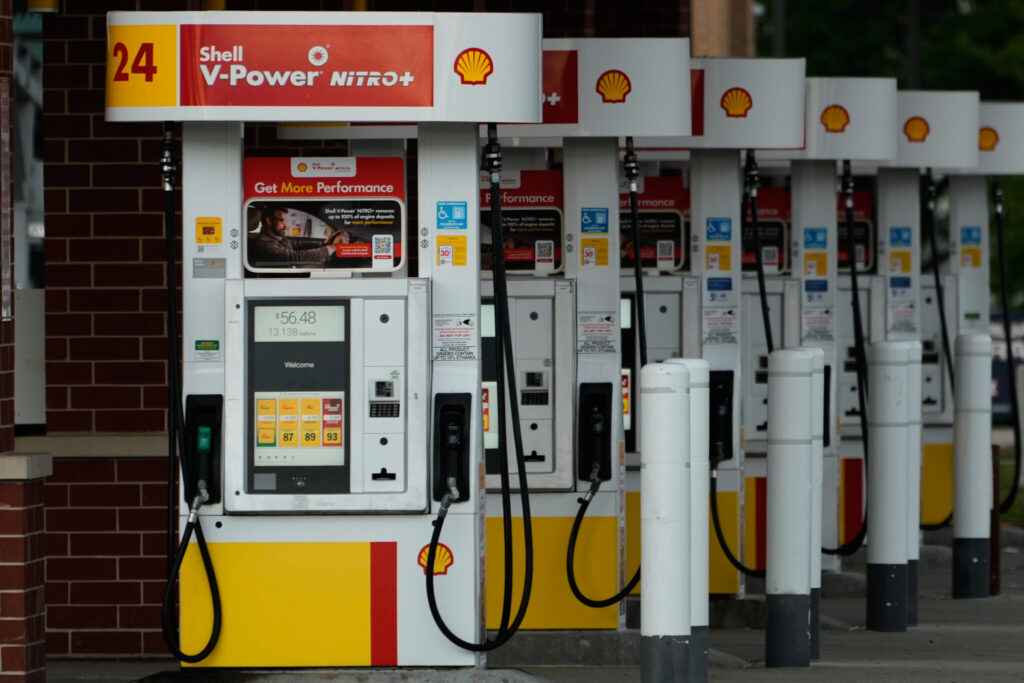
Gasoline prices plunged 12% in June.
Despite that sharp monthly drop, gasoline remained nearly 43% more expensive than in June 2025.
The Iran war has been a major factor behind the year-over-year increase in fuel costs.
Food prices also declined during June, adding to the downward pressure on the producer price index.
Core Wholesale Inflation Remains Elevated
When volatile food and energy prices are excluded, the inflation picture remains more complicated.
Core producer prices increased 0.2% from May to June.
Compared with June 2025, core wholesale prices were 4.7% higher.
Economists closely monitor core inflation because it can provide a clearer picture of underlying price trends.
Food and energy prices frequently experience large short-term swings.
Core inflation can therefore help analysts determine whether price pressures are spreading more broadly throughout the economy.
The June figures suggest underlying wholesale inflation remains elevated even as falling energy prices produced a better headline number.
Consumer Inflation Also Cooled in June
The producer price report arrived one day after the Labor Department released unexpectedly encouraging consumer inflation data.
Consumer prices fell 0.4% from May to June.
That was the largest monthly decline in four years.
Compared with one year earlier, consumer prices increased 3.5% in June.
The annual inflation rate declined significantly from 4.2% in May.
Both the producer and consumer inflation reports were cooler than economists had forecast.
The results reduced immediate pressure on the Federal Reserve to raise interest rates this year.
Still, inflation remains above the central bank’s 2% target.
Federal Reserve Faces Difficult Inflation Decision
The Federal Reserve has been weighing whether additional interest rate increases are necessary to control inflation.
Higher rates can reduce inflation by slowing borrowing, spending and economic activity.
However, raising rates can also weaken economic growth and increase financial pressure on consumers and businesses.
The cooler June inflation reports provide policymakers with additional time to assess economic conditions.
Federal Reserve Chair Kevin Warsh emphasized the central bank’s commitment to controlling prices during his first congressional appearance since taking over the position on May 22.
Warsh said the Fed has “no tolerance for persistently elevated inflation.”
His comments signaled that policymakers remain concerned about inflation despite the latest encouraging data.
Iran Conflict Threatens Inflation Progress
The biggest immediate risk to the inflation outlook may come from the Middle East.
Energy prices have moved higher since President Donald Trump announced a renewed blockade in the Strait of Hormuz on Monday.
The narrow waterway is one of the world’s most important energy shipping routes.
Approximately one-fifth of global oil and natural gas supplies pass through the strait.
Any prolonged disruption could significantly increase global energy prices.
Higher oil costs can quickly affect gasoline prices, airline fares, shipping expenses and manufacturing costs.
Those increases can eventually spread throughout the broader economy.
Oil Prices Could Reverse June Improvement
The sharp decline in gasoline prices was largely responsible for the favorable June producer price report.
But analysts warn that the same energy category could become a major source of inflation if Strait of Hormuz disruptions continue.
“There’s no near-term pressure on the Fed, but oil is in the driver’s seat over the longer term,” said David Russell, global head of market strategy at TradeStation.
“Energy saved the day in June, but that might become ancient history if the Strait of Hormuz doesn’t open soon.”
Russell’s comments highlight the uncertainty facing Federal Reserve officials.
The June data reflects economic conditions before the latest escalation in Middle East tensions.
If oil prices remain elevated, inflation reports later this summer could look significantly different.
High Cost of Living Remains Political Problem
Inflation also remains a major political challenge.
Many Americans continue to express frustration with elevated costs for food, housing, utilities and other basic expenses.
Years of rising prices have reduced household purchasing power.
The economic frustration could create problems for Trump’s Republican Party ahead of November’s midterm elections.
The administration has emphasized recent inflation improvements.
However, another surge in gasoline and energy prices could undermine that message.
Energy costs are particularly visible to consumers because gasoline prices are displayed prominently and can change rapidly.
Producer Prices Offer Early Inflation Signal
Economists closely follow producer prices because they can indicate where consumer inflation may be headed.
Businesses facing higher production costs often increase prices for customers.
Falling wholesale costs can eventually reduce pressure on consumer prices.
The producer price report also contains several components used to calculate the Federal Reserve’s preferred inflation measurement.
Healthcare and financial services data, for example, contribute to the personal consumption expenditures price index.
The PCE index plays a central role in Federal Reserve policy decisions.
That makes the producer price report important even when the headline number receives less public attention than consumer inflation.
Fed Gets Breathing Room but Risks Remain
The June inflation reports give the Federal Reserve some breathing room.
Producer prices declined.
Annual inflation rates slowed.
Those developments reduce the urgency for an immediate interest rate increase.
But policymakers cannot assume inflation has been defeated.
Core wholesale inflation remains elevated, and the Iran conflict has created a new energy shock risk.
The Strait of Hormuz is now a critical factor in the economic outlook.
If shipping disruptions ease and energy prices stabilize, June’s inflation improvement could continue.
If the conflict intensifies and oil prices rise further, the Federal Reserve could once again face pressure to tighten monetary policy.
For now, the latest producer price report offers encouraging news.
Whether that relief lasts may depend less on economic data from Washington and more on developments in the Middle East.






You must Register or Login to post a comment.