

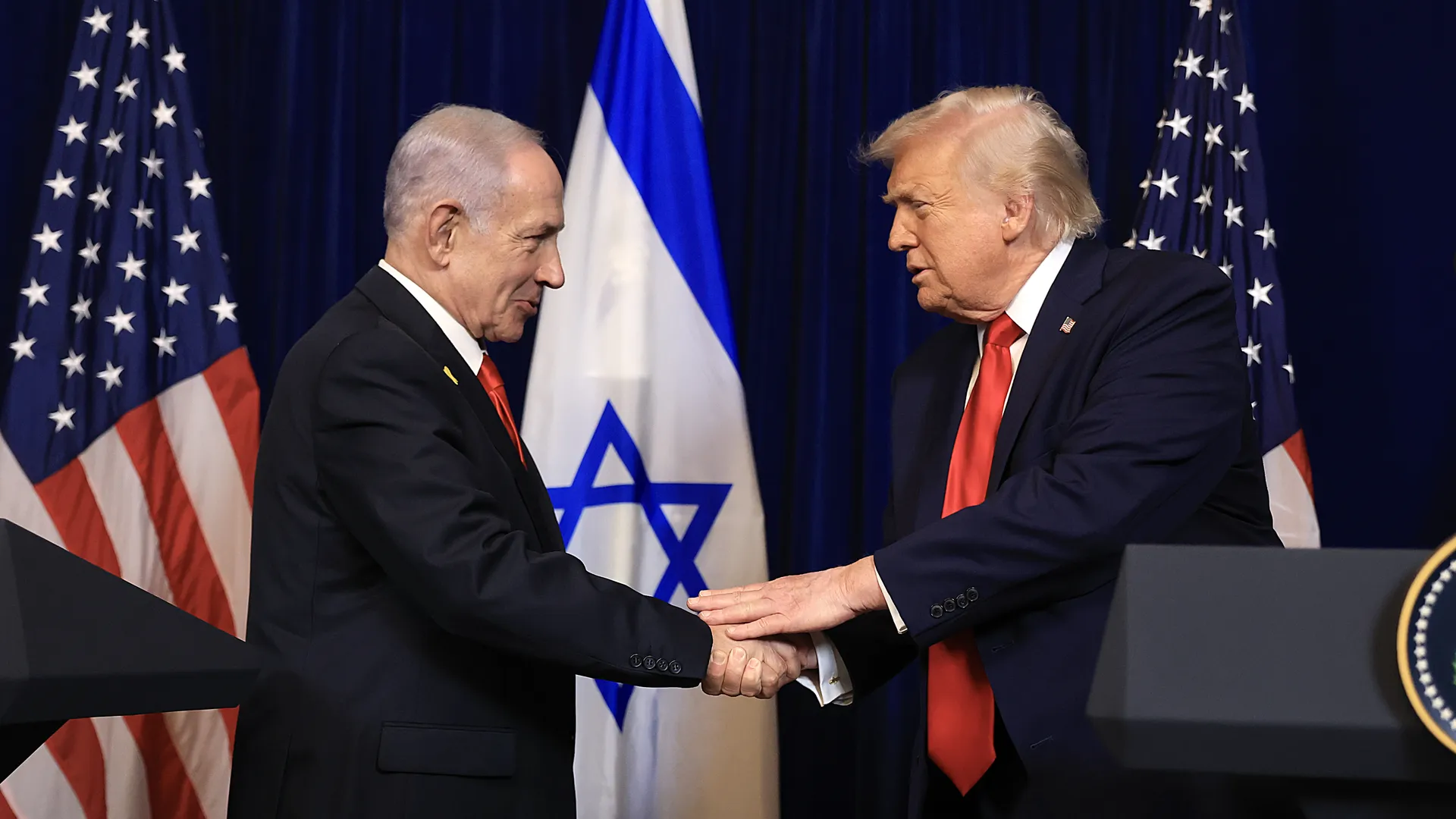
Trump-Netanyahu Meeting Tests Divided Strategies on Iran, Lebanon and Turkey/ Newslooks/ WASHINGTON/ J. Mansour/ Israeli Prime Minister Benjamin Netanyahu arrives for his seventh US visit since President Donald Trump returned to office, but their relationship has grown increasingly strained. Netanyahu wants continued pressure on Iran and security guarantees involving Turkey and Saudi Arabia, while Trump appears more interested in limiting US military involvement. The meeting also carries major political importance for Netanyahu as he struggles to secure a governing majority before Israel’s October election.
Quick Look
- Netanyahu is making his seventh US visit since Trump returned to office.
- The leaders last met five months ago before launching their joint campaign against Iran.
- Trump appears reluctant to resume a full-scale military operation.
- Netanyahu plans to present intelligence about Iran’s nuclear and military rebuilding.
- The leaders disagree over ceasefires involving Iran, Lebanon and Hezbollah.
- Israel opposes a complete withdrawal from southern Lebanon before Hezbollah disarms.
- Israel is concerned about a possible US sale of F-35 jets to Turkey.
- Israeli officials also oppose aspects of the US-Saudi civilian nuclear agreement.
- Netanyahu wants a new long-term US-Israel defense pact.
- Israel’s general election is scheduled for Oct. 27.
- No public photo opportunity is currently scheduled for the meeting.
Full Rewritten Story
A Familiar Meeting With a Different Mood
WASHINGTON — Israeli Prime Minister Benjamin Netanyahu’s previous meetings with President Donald Trump generally followed a predictable script: a warm welcome, public praise and repeated declarations about the strength of the US-Israel alliance.
Netanyahu’s latest White House visit could unfold differently.
The close military cooperation that characterized the beginning of the Iran war has given way to disagreements over how long the fighting should continue, whether Washington should negotiate with Tehran and how Israel should handle conflicts in Lebanon, Gaza and Syria.
Netanyahu is making his seventh US visit since Trump returned to office—more than any other foreign leader.
He arrives as an incumbent facing a difficult election in October and seeking to repair a relationship that has grown visibly strained.
Trump Dismisses Netanyahu’s Iran Warning
Before Netanyahu arrived in Washington, Trump pushed back against reports that the Israeli leader planned to present intelligence showing Iran was rebuilding its nuclear program.
“I don’t need Bibi to tell me that. Bibi is telling me that because he wants me to stay involved,” Trump said during a Fox News interview.
The comment highlighted a widening difference in their strategies.
Netanyahu wants Washington to maintain military pressure on Tehran and avoid diplomatic concessions. Trump appears increasingly interested in limiting American involvement and negotiating an end to the war.
Netanyahu Worked to Secure the Meeting
Netanyahu had sought another White House invitation for several weeks, according to a US official and an Israeli source cited by CNN.
Some White House officials reportedly became frustrated with Israeli efforts to secure a meeting through media reports.
One US official characterized the effort as attempting to “will a meeting into existence.”
The funeral of Sen. Lindsey Graham ultimately provided an opportunity for Netanyahu to meet Trump while visiting Washington.
An Israeli official said Netanyahu had initially been “blocked” from securing the appointment, although it was unclear who created the obstacle.
The meeting was confirmed only after Netanyahu announced that he would travel to Washington for Graham’s funeral.
White House Says Relationship Remains Strong
A senior Trump administration official rejected suggestions of a serious rupture between the two leaders.
The official said Trump continues to have a “strong relationship” with Netanyahu and that Israel has “no greater friend” than the American president.
“Americans and our allies around the world are already safer for the United States and Israel’s bold actions to deny the Iranian regime the ability to develop a nuclear weapon,” the official told CNN.
Netanyahu has similarly described the tensions as “tactical” disagreements and insisted that the alliance remains close.
Iran War Exposes Different Objectives
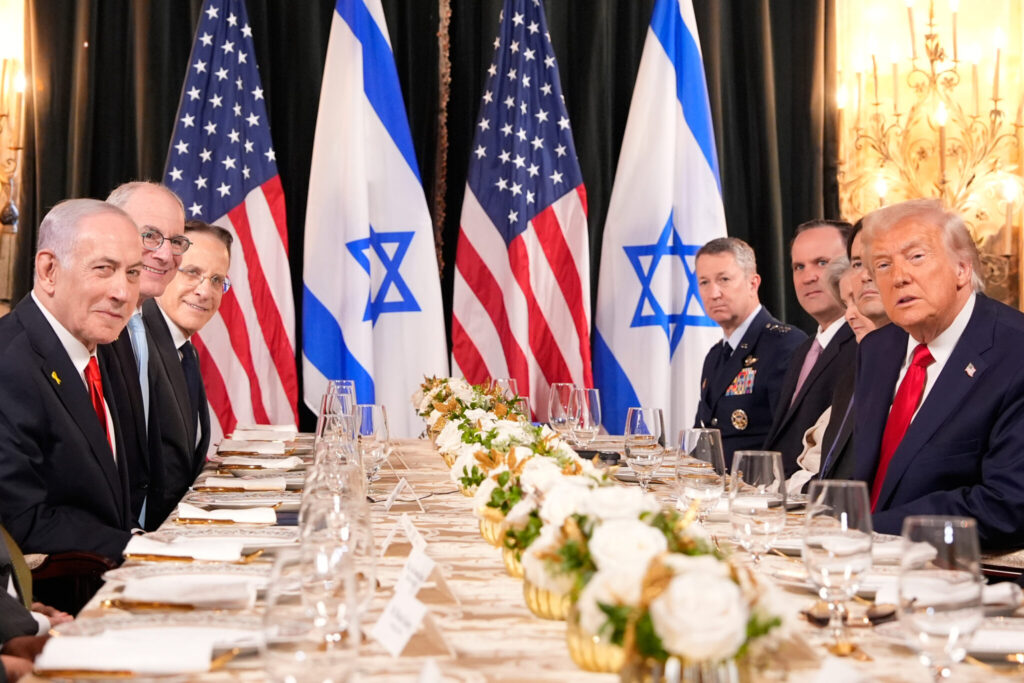
When Trump and Netanyahu met in February, they helped prepare the joint US-Israeli military campaign against Iran.
The opening attacks demonstrated an unprecedented level of military coordination, which both leaders publicly praised.
But the campaign did not achieve the optimistic goal of quickly toppling Iran’s government. As the conflict evolved into a prolonged and deadly stalemate, differences between Washington and Jerusalem became clearer.
Netanyahu wanted to continue applying military pressure. Trump increasingly wanted an exit.
According to a US official, Trump entered the conflict believing it could be contained and concluded within weeks.
Months later, he reportedly expressed anger during private meetings because Tehran had not capitulated as expected.
Netanyahu Plans to Present New Intelligence
Netanyahu intends to show Trump updated Israeli intelligence about Iran’s efforts to rebuild its nuclear and military capabilities, an Israeli source said.
The source assessed that “Trump has little interest in resuming a full fight, at least before America’s elections in November.”
Netanyahu wants to discourage Trump from accepting an agreement that Israel believes would allow Tehran to restore its capabilities.
Trump, however, has signaled that he does not need Netanyahu to persuade him about Iran’s nuclear activities.
Iran Ceasefire Divides Their Allies
Netanyahu avoided directly criticizing Trump’s April ceasefire with Iran.
Some of the Israeli leader’s political allies were more outspoken. They criticized the agreement and attacked several of its architects, including Vice President JD Vance, Jared Kushner and special envoy Steve Witkoff.
Vance accused members of Netanyahu’s government of attempting to sabotage the negotiations and influence American public opinion against the agreement.
He warned that Israel risked alienating “the only powerful ally they have left.”
The exchange revealed tensions not only between the two governments but also between Netanyahu’s allies and senior members of the Trump administration.
Lebanon Becomes Another Source of Friction
Trump and Netanyahu also disagree over Israel’s military campaign against Hezbollah in Lebanon.
Trump pushed Netanyahu to halt attacks that threatened a ceasefire.
During an early-June telephone conversation reported by Axios, Trump told Netanyahu: “Everybody hates you now … everybody hates Israel because of this.”
Israel eventually agreed to a trilateral arrangement with Lebanon but has refused to withdraw completely from southern Lebanon unless Hezbollah disarms first.
Netanyahu told his security cabinet Sunday that the Trump administration wanted Israeli forces to withdraw from positions in Lebanon, Gaza and Syria, according to an Israeli source briefed on the meeting.
The source said Netanyahu intends to oppose that proposal.
Trump Has Publicly Criticized Netanyahu
Trump has not publicly blamed Netanyahu for the prolonged regional conflict.
He has, however, called the Israeli leader “crazy” and “difficult” for continuing attacks in Lebanon that threatened the ceasefire.
Officials also said Trump angrily confronted Netanyahu by telephone when Israeli military actions diverged from Washington’s preferred objectives.
Those statements represent a notable departure from Trump’s previously consistent public praise of Netanyahu.
Possible F-35 Sale to Turkey Alarms Israel
A potential US sale of F-35 stealth fighter aircraft to Turkey has created another dispute.
Israeli officials fear that transferring the advanced jets to Ankara could erode Israel’s qualitative military advantage in the region.
Asked about Netanyahu’s opposition, Trump said “nobody” dictates US arms sales except him and described Turkey as a “tremendous ally.”
Turkey was removed from the F-35 program after purchasing Russia’s S-400 air-defense system.
Any renewed sale would face legal restrictions and likely congressional resistance, but Trump’s willingness to consider it has alarmed Israeli officials.
Saudi Nuclear Deal Raises Additional Concerns
Israel is also concerned about the US-Saudi civilian nuclear cooperation agreement.
Israeli officials fear that the deal could encourage a regional nuclear arms race unless it contains strict safeguards.
Trump has publicly tied the agreement to Saudi Arabia normalizing relations with Israel and joining the Abraham Accords.
Saudi Arabia has neither confirmed nor accepted that condition.
Netanyahu plans to seek guarantees that nuclear cooperation with Riyadh and fighter-jet sales to Turkey will not weaken Israel’s military advantage.
Netanyahu Wants New Defense Agreement
Netanyahu also hopes to advance negotiations on a new long-term US-Israel security pact.
The proposed agreement would replace the Obama-era memorandum governing American defense assistance when it expires.
“Netanyahu wants to move forward from the war to other things — such as a security agreement, perhaps normalization with Saudi Arabia — and to ensure that he is coordinated with Trump regarding things that he can use in the elections,” an Israeli source said.
The source said Netanyahu believes direct discussions with Trump could allow him to bypass opposition from other administration officials.
Israel’s Election Raises the Stakes
Israel’s national election is scheduled for Oct. 27.
Recent polls cited by CNN show Netanyahu falling well short of the majority needed to secure another term.
Trump has long been one of Netanyahu’s most valuable political assets.
The prime minister frequently emphasizes his access to American leaders and his ability to defend Israel’s interests in Washington.
A successful White House meeting could provide useful campaign material and help Netanyahu demonstrate that he still has influence with Trump.
Netanyahu also hopes Trump will visit Israel before the election.
Trump Holds Significant Political Leverage
Trump understands Netanyahu’s political vulnerability, according to officials.
That gives the president leverage over an Israeli leader who needs visible American support.
Trump selectively supported Netanyahu the previous week by saying the prime minister would not be arrested if he visited the United States.
His comments followed New York Mayor Zohran Mamdani’s initial refusal to abandon a campaign pledge concerning Netanyahu.
At the same time, Trump has not provided the complete public embrace Netanyahu may want before Israel’s election.
Netanyahu Describes Disagreements as Tactical
Netanyahu has publicly minimized reports of tension.
Before leaving Israel, he said he intended to discuss “all the issues on the agenda, first and foremost, Iran.”
“Naturally, our goal is to safeguard our security and also to expand the circle of peace around us,” Netanyahu said.
His agenda includes Iran, Lebanon, Gaza, Syria, Turkey, Saudi Arabia and the future of American defense assistance.
The breadth of those issues makes it unlikely that the meeting will follow the uncomplicated script of previous visits.
No Public Photo Opportunity Scheduled
The White House meeting was not scheduled to include a public photo opportunity.
The absence of cameras could reflect sensitive military planning, significant policy disagreements or both.
Trump and Netanyahu’s February meeting was also kept private because the leaders were discussing preparations for the Iran campaign.
This time, the discretion could conceal preparations for another operation against Iran—or tensions over the terms of the next ceasefire.





You must Register or Login to post a comment.