

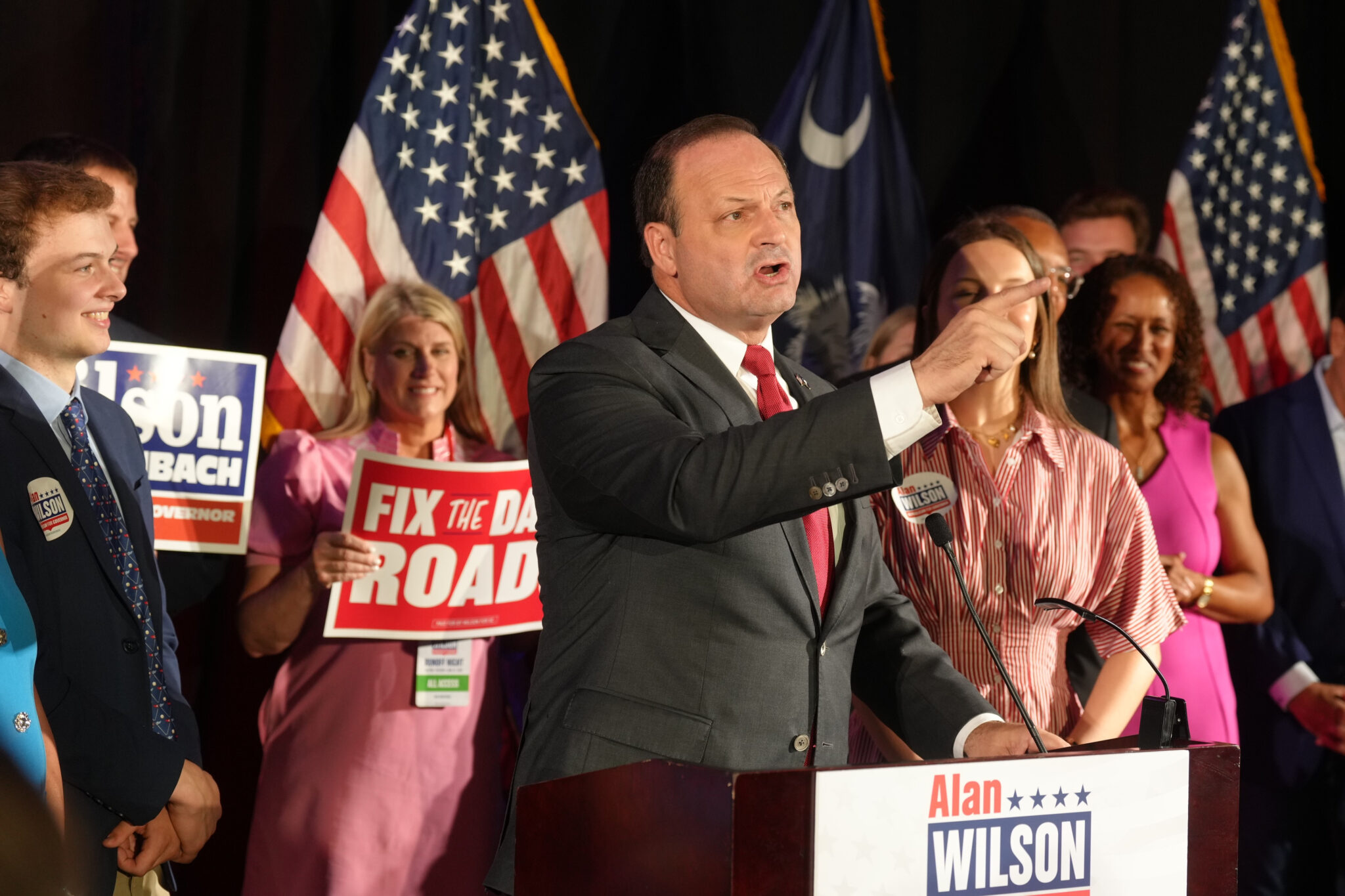
Alan Wilson Wins South Carolina GOP Governor Runoff After Trump Split Endorsement/ Newslooks/ WASHINGTON/ J. Mansour/ Morning Edition/ South Carolina Attorney General Alan Wilson defeated Lt. Gov. Pamela Evette in the Republican runoff for governor. Wilson’s victory came after President Donald Trump endorsed both candidates ahead of the runoff. The win sets up a November showdown against Democratic nominee Jermaine Johnson.
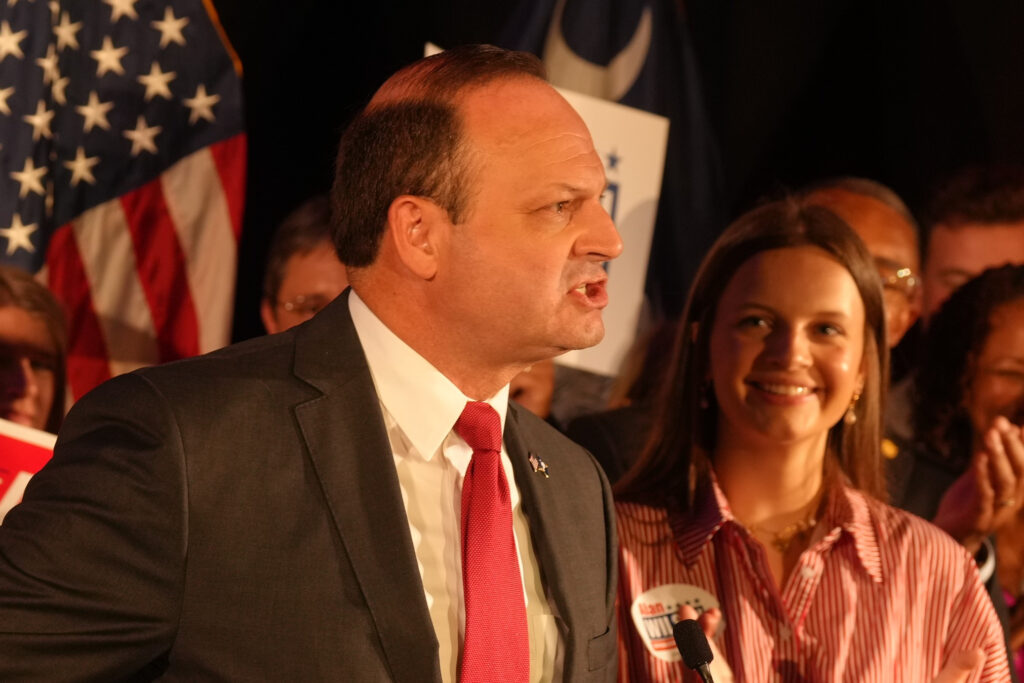
Alan Wilson South Carolina Governor Race Quick Looks
- Alan Wilson wins South Carolina Republican gubernatorial runoff.
- Wilson defeated Lt. Gov. Pamela Evette.
- President Trump endorsed both candidates before the election.
- Wilson has served as South Carolina attorney general since 2011.
- The nominee pledged to be a “transformational governor.”
- Democratic nominee Jermaine Johnson awaits in November.
- Republicans seek to extend decades of statewide dominance.
- Gov. Henry McMaster is leaving office due to term limits.
- Wilson secured support from major GOP figures and law enforcement leaders.
- Democrats face a steep uphill battle in the general election.
Deep Look
Alan Wilson Captures South Carolina GOP Governor Nomination
South Carolina Attorney General Alan Wilson won the Republican runoff election for governor, emerging victorious in one of the state’s most closely watched political contests and positioning himself as the favorite heading into the November general election.
Wilson defeated Lt. Gov. Pamela Evette after a campaign largely defined by candidates’ ties to President Donald Trump and their efforts to appeal to conservative voters eager to continue Republican leadership in the state.
His victory comes as South Carolina prepares for its first open gubernatorial race in years. Republican Gov. Henry McMaster is prevented from seeking another term because of term limits, creating a rare opportunity for ambitious candidates to compete for the state’s highest office.
Wilson will now face Democratic nominee Jermaine Johnson in the general election.
Trump’s Dual Endorsement Shaped the Final Days
The race attracted national attention because of President Trump’s involvement.
Initially, Trump endorsed Evette during the closing days of the primary campaign. The lieutenant governor emphasized her close relationship with the president throughout the race, frequently highlighting appearances alongside Trump and employing several longtime Trump political advisers.
However, as Wilson gained momentum entering the runoff, Trump made an unusual move by announcing support for both candidates.
The president explained that he viewed both Republicans favorably and did not want to undermine either campaign. The dual endorsement allowed both candidates to claim support from Trump while leaving voters to make their own determination.
Wilson quickly embraced the endorsement, incorporating Trump’s support into his campaign messaging and fundraising efforts.
Wilson Builds Broad Republican Coalition
While Trump’s backing generated headlines, Wilson entered the runoff with strong institutional support throughout South Carolina.
As attorney general, Wilson developed relationships with law enforcement agencies, prosecutors and local officials across the state. Those connections translated into endorsements from numerous sheriffs, solicitors and conservative leaders.
Additional support arrived from prominent Republican figures, including South Carolina Senator Tim Scott and Texas Senator Ted Cruz.
Wilson also benefited from endorsements from former gubernatorial rivals who had failed to advance from the first round of voting, helping consolidate Republican support behind his campaign.
Even some former political opponents eventually joined his coalition. Among them was Congresswoman Nancy Mace, who had previously engaged in public disputes with Wilson before endorsing him in the runoff.
Victory Speech Focuses on Unity
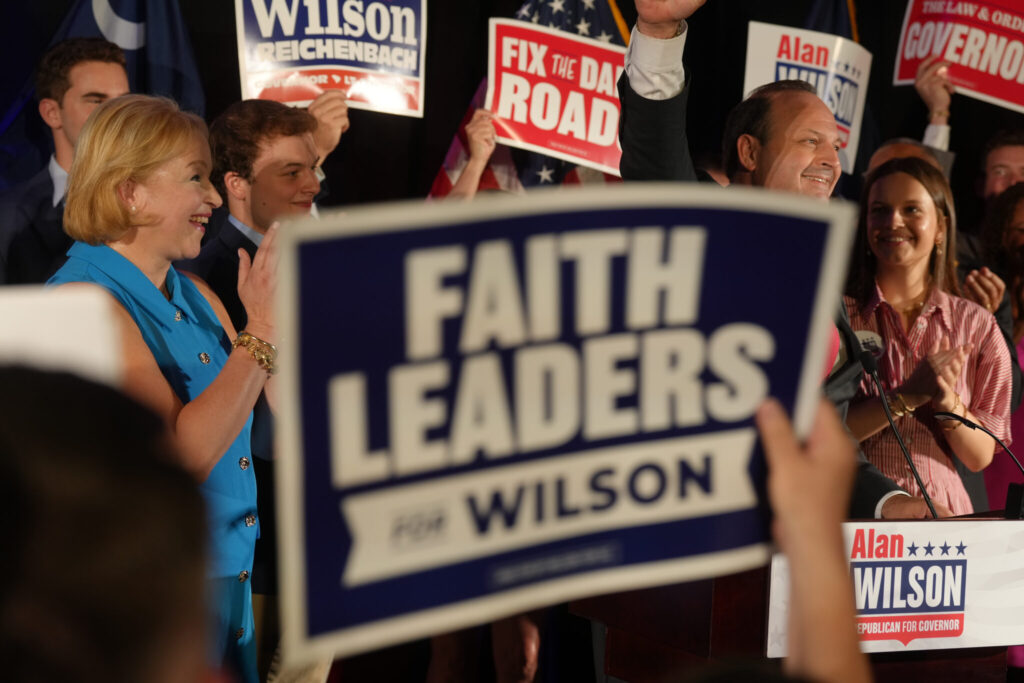
Speaking to supporters after the race was called, Wilson celebrated the win while emphasizing party unity ahead of November.
Joined by family members, including his father, longtime Congressman Joe Wilson, the Republican nominee pledged to become what he described as a transformational governor.
Wilson also extended an olive branch to supporters of Pamela Evette, calling them political allies and promising to represent all South Carolinians who share conservative values.
The message reflected a broader effort to unify Republicans after a hard-fought campaign season.
Evette Concedes and Backs Wilson
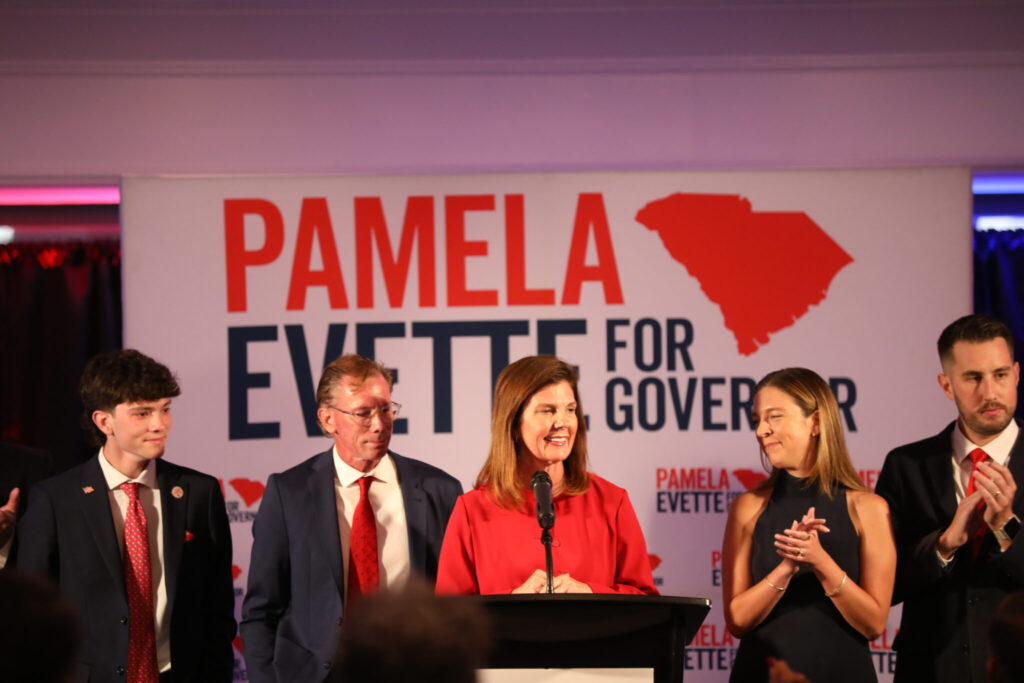
Despite her disappointment, Evette quickly offered support to Wilson following her defeat.
Addressing supporters, she acknowledged the loss while encouraging Republicans to unite behind the nominee for the general election campaign.
Evette framed the upcoming election as a choice between conservative policies and Democratic priorities, signaling her intention to help rally GOP voters behind Wilson’s candidacy.
Her endorsement eliminates the possibility of a lingering primary divide and gives Republicans a head start in preparing for the fall campaign.
Democrats Look to Break Decades-Long Drought
Wilson’s victory sets up a contest against Democratic nominee Jermaine Johnson, a state lawmaker viewed by many Democrats as one of the party’s emerging leaders.
Johnson secured his nomination earlier this month without requiring a runoff and hopes to capitalize on voter concerns over affordability, housing and economic opportunity.
However, Democrats face significant historical challenges.
South Carolina has not elected a Democratic governor since 1998, and Republicans have dominated statewide elections for nearly two decades. GOP candidates have consistently won statewide races by comfortable margins, often reaching double-digit victories.
The last Democrat to win any statewide elected office in South Carolina did so in 2006.
Those realities make Wilson the early favorite heading into November.
Can Democrats Make the Race Competitive?
Democrats believe shifting demographics, suburban growth and increased voter engagement could narrow the gap.
They also point to recent competitive races and growing Democratic turnout in urban areas as reasons for optimism.
Still, Republicans maintain a substantial advantage in voter registration, fundraising networks and statewide infrastructure.
For Johnson to pull off an upset, Democrats would likely need record turnout while persuading independent voters to cross party lines.
What Comes Next?
The general election campaign is expected to focus on taxes, economic development, public safety, education and housing affordability.
Wilson has pledged to continue conservative policies while expanding economic opportunities and maintaining South Carolina’s business-friendly reputation.
Johnson is expected to argue that new leadership is needed to address affordability challenges and improve opportunities for working families.
With South Carolina remaining one of the Republican Party’s strongest states, Wilson enters the fall campaign with momentum, broad party support and a favorable political landscape.
Whether Democrats can overcome those advantages will be one of the key questions heading into November.





You must Register or Login to post a comment.