

Ceasefire Restored Between Israel and Hezbollah Amid Nuclear Deal Uncertainty/ Newslooks/ WASHINGTON/ J. Mansour/ Morning Edition/ Israel and Hezbollah agreed to renew a ceasefire after renewed fighting threatened a broader regional peace effort. The violence forced Iran to postpone planned nuclear talks with the United States in Switzerland. Diplomats now hope the restored truce can revive negotiations over Iran’s nuclear program and regional security.
Israel-Hezbollah Ceasefire Quick Looks
- Israel and Hezbollah renewed a ceasefire after intense clashes.
- Fighting in southern Lebanon delayed Iran-US talks.
- U.S. Vice President JD Vance postponed his Switzerland trip.
- Qatar, the United States and Iran helped mediate the truce.
- At least 21 people were reported killed in Lebanon.
- Four Israeli soldiers died during the fighting.
- The conflict threatened progress made under the Iran agreement.
- Oil shipments continue through the reopened Strait of Hormuz.
- Nuclear negotiations remain uncertain despite diplomatic efforts.
- Major disagreements over Lebanon and Iran’s regional influence persist.
Deep Look
Israel and Hezbollah Restore Ceasefire After Escalation Threatens Wider Diplomacy
Israel and Hezbollah agreed Friday to renew their ceasefire following a sharp escalation in southern Lebanon that jeopardized broader diplomatic efforts tied to the recent agreement between the United States and Iran.
The renewed truce emerged after intense fighting raised fears that the fragile regional peace framework could unravel only days after Washington and Tehran signed an interim agreement aimed at ending months of conflict.
Regional officials and a U.S. official confirmed that mediators from Qatar, the United States and Iran helped broker the ceasefire arrangement. While neither Israel nor Hezbollah immediately issued public statements confirming the agreement, diplomatic sources indicated that all sides were working to stabilize the situation.
Fighting Forces Delay in Critical Iran-US Negotiations
The violence in Lebanon had immediate consequences for efforts to launch a new round of negotiations between Iran and the United States.
Iranian officials canceled plans to travel to Switzerland for discussions on Tehran’s nuclear program, insisting that hostilities in Lebanon needed to stop before talks could begin.
The postponement also led U.S. Vice President JD Vance to delay his own planned trip.
The negotiations are considered a critical next phase of the recently signed Iran agreement, which established a 60-day framework for discussions aimed at reaching a longer-term resolution regarding Iran’s nuclear activities.
Officials involved in mediation efforts said Tehran viewed the Israeli military actions in Lebanon as inconsistent with the broader spirit of de-escalation envisioned under the agreement.
Deadly Clashes Renew Regional Concerns
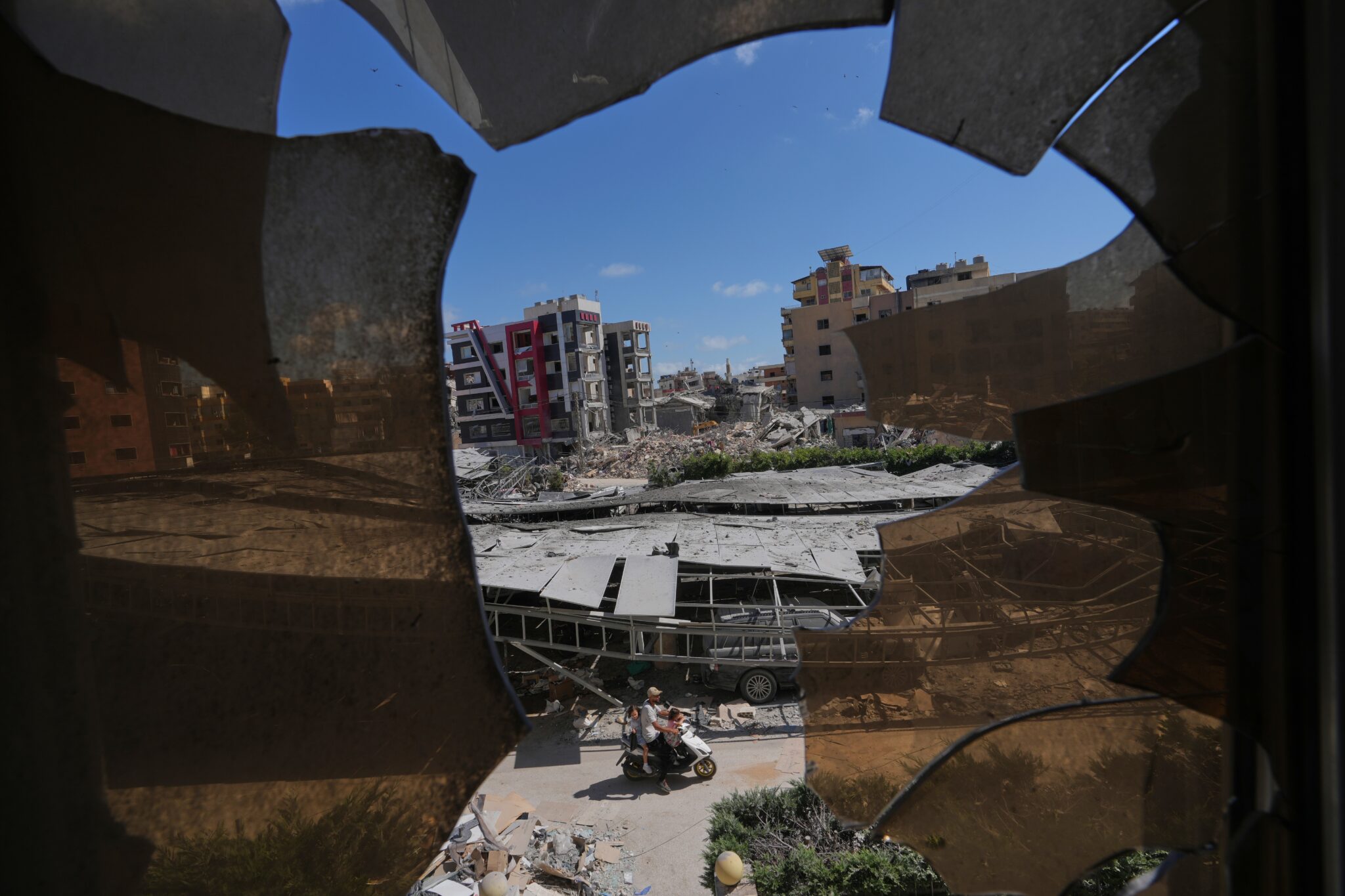
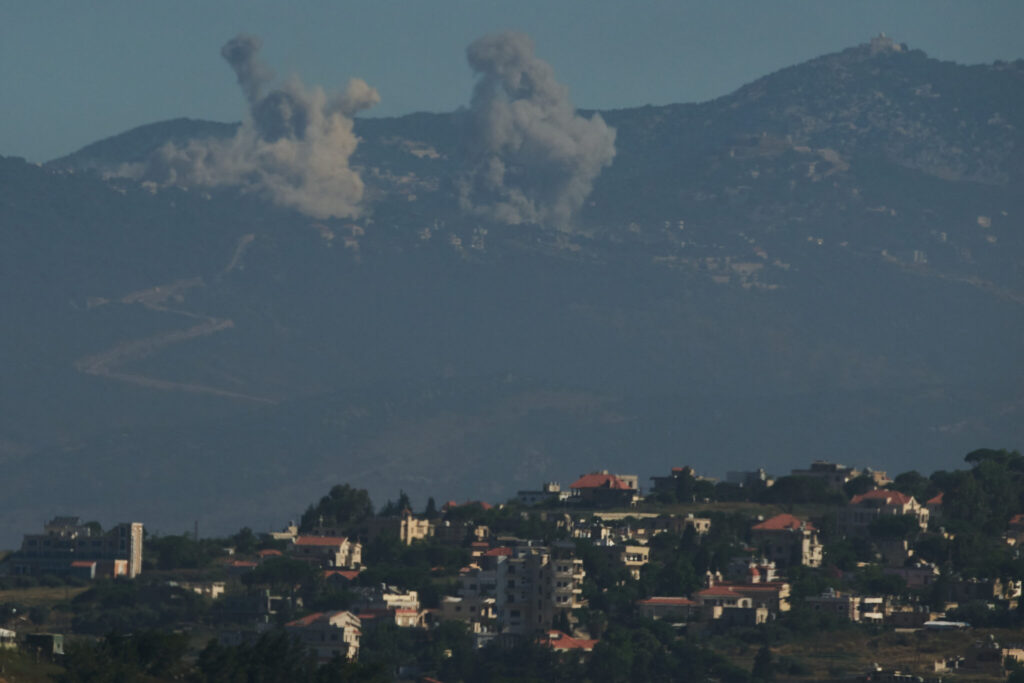
Before the ceasefire was restored, fighting intensified across southern Lebanon.
Israeli military officials reported that four soldiers, including a lieutenant colonel, were killed during operations near Nabatiyeh. An explosive drone attack also wounded several additional troops.
Israel responded with a series of strikes targeting what it described as Hezbollah infrastructure in southern Lebanon and the Bekaa Valley in eastern Lebanon.
Lebanese authorities reported at least 21 deaths as a result of the renewed violence.
Israeli Prime Minister Benjamin Netanyahu defended the military response, stating that Israel would not tolerate attacks against its soldiers or territory and would continue taking action against perceived threats.
Hezbollah acknowledged launching attacks against Israeli tanks, arguing that its actions were a response to Israeli operations near strategic positions overlooking Nabatiyeh.
Lebanon Remains the Most Fragile Element of the Iran Agreement
Although the U.S.-Iran agreement halted direct hostilities involving Iran and reopened critical shipping routes through the Strait of Hormuz, the situation in Lebanon remains one of its most vulnerable components.
Neither Israel nor Hezbollah formally signed the agreement. However, the framework was intended to create conditions that would reduce conflict across the region.
Israel, meanwhile, maintains that its forces will remain in certain areas as long as security concerns persist.
This disagreement continues to be a major obstacle to achieving broader regional stability.
Oil Traffic Continues Through the Strait of Hormuz
Despite uncertainty surrounding the diplomatic process, commercial shipping activity has resumed through the Strait of Hormuz.
The strategic waterway, which carries a significant share of the world’s oil and natural gas exports, was severely disrupted during the conflict.
According to U.S. officials, more than 12.5 million barrels of oil moved through the strait during a recent 24-hour period, marking an important step toward restoring global energy flows.
However, experts caution that a full return to normal operations could take months as shipping companies evaluate security risks and regional stability.
Iranian authorities also issued new guidance requiring vessels to register with a recently established oversight body, signaling potential future regulatory changes for maritime traffic.
Nuclear Talks Face Significant Challenges Ahead
The postponed Switzerland discussions are expected to focus heavily on Iran’s nuclear program.
Western governments continue to express concern about Iran’s stockpile of highly enriched uranium, while Tehran maintains that its nuclear activities are intended solely for peaceful purposes.
Negotiators face a difficult task. The original 2015 nuclear agreement required more than 18 months of negotiations before reaching completion.
Under the current framework, diplomats have 60 days to pursue a more comprehensive agreement, though the deadline could be extended if progress is being made.
The interim deal includes substantial incentives for Iran, including the prospect of sanctions relief, the unfreezing of assets and access to a reconstruction and development fund estimated at $300 billion.
Regional Stability Hinges on Diplomatic Progress
The renewed Israel-Hezbollah ceasefire offers negotiators an opportunity to restart momentum toward a broader settlement involving Iran, regional security and global energy markets.
Yet the events of the past week demonstrate how fragile the process remains.
Any renewed fighting in Lebanon could once again derail negotiations, disrupt oil flows and deepen divisions among key regional players.
For now, diplomats are working to preserve the ceasefire and reschedule the postponed talks, hoping that the latest pause in hostilities can serve as a foundation for a more durable agreement across the Middle East.






You must Register or Login to post a comment.