

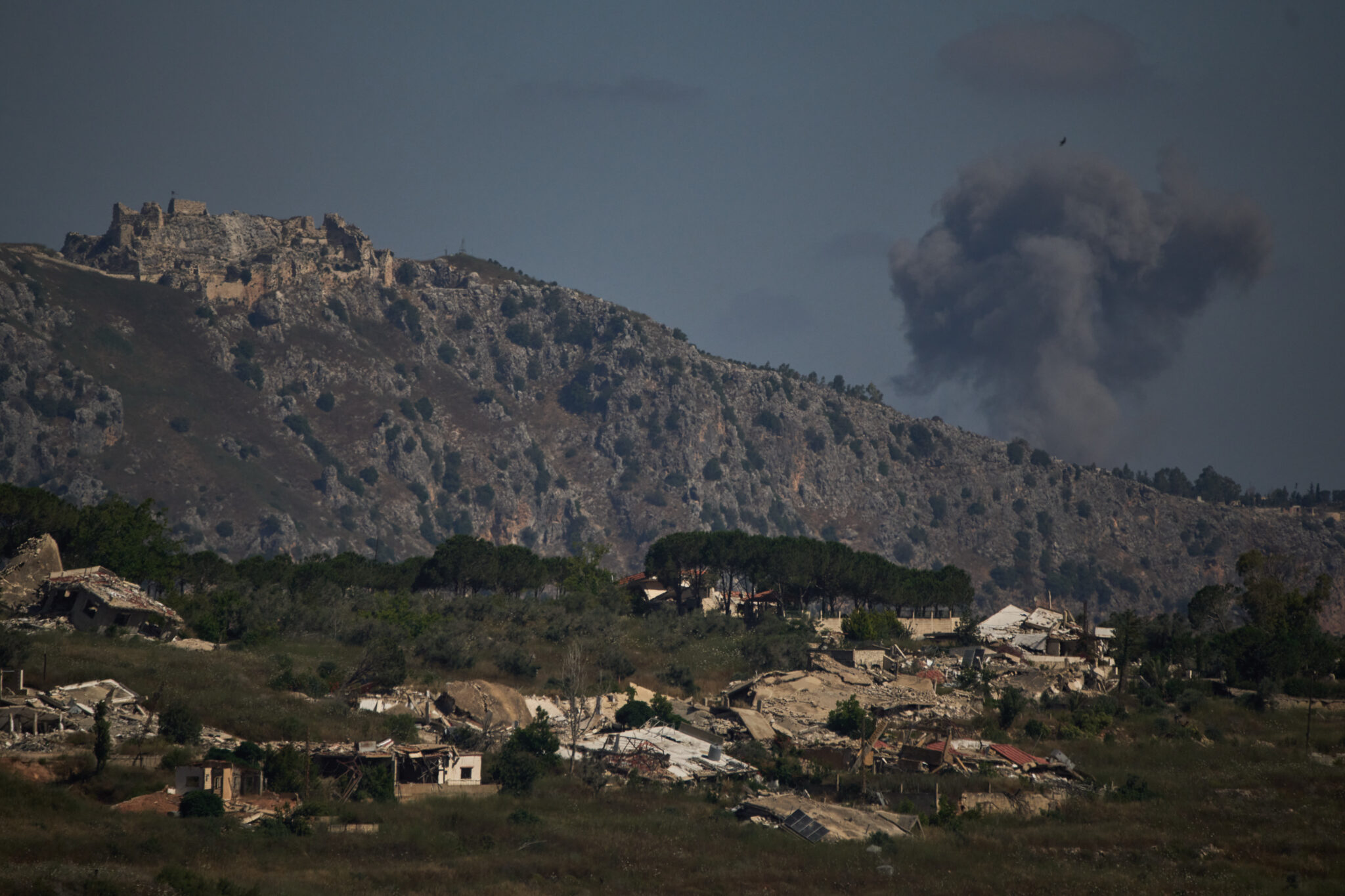
US-Iran Talks Called off as Lebanon Fighting Threatens Fragile Peace Deal/ Newslooks/ WASHINGTON/ J. Mansour/ Morning Edition/ Planned U.S.-Iran talks in Switzerland were canceled after renewed fighting between Israel and Hezbollah in Lebanon. Mediators from Qatar, the U.S. and Iran worked to restore a ceasefire as violence threatened the broader regional agreement. The setback raises new concerns about the future of negotiations over Iran’s nuclear program and long-term regional stability.
US-Iran Talks Canceled Quick Looks
- U.S.-Iran negotiations in Switzerland were postponed.
- Escalating clashes between Israel and Hezbollah triggered the cancellation.
- Vice President JD Vance delayed his planned trip.
- Qatar, the U.S. and Iran mediated efforts to restore a ceasefire.
- Israeli airstrikes and Hezbollah attacks caused casualties on both sides.
- Lebanon remains the most fragile element of the broader Iran agreement.
- The Strait of Hormuz remains open despite the diplomatic setback.
- Oil shipments continue through the critical waterway.
- Nuclear negotiations remain unresolved.
- Future talks are expected but no new date has been announced.
Deep Look
US-Iran Talks Called Off as Fighting in Lebanon Threatens Wider Peace Agreement
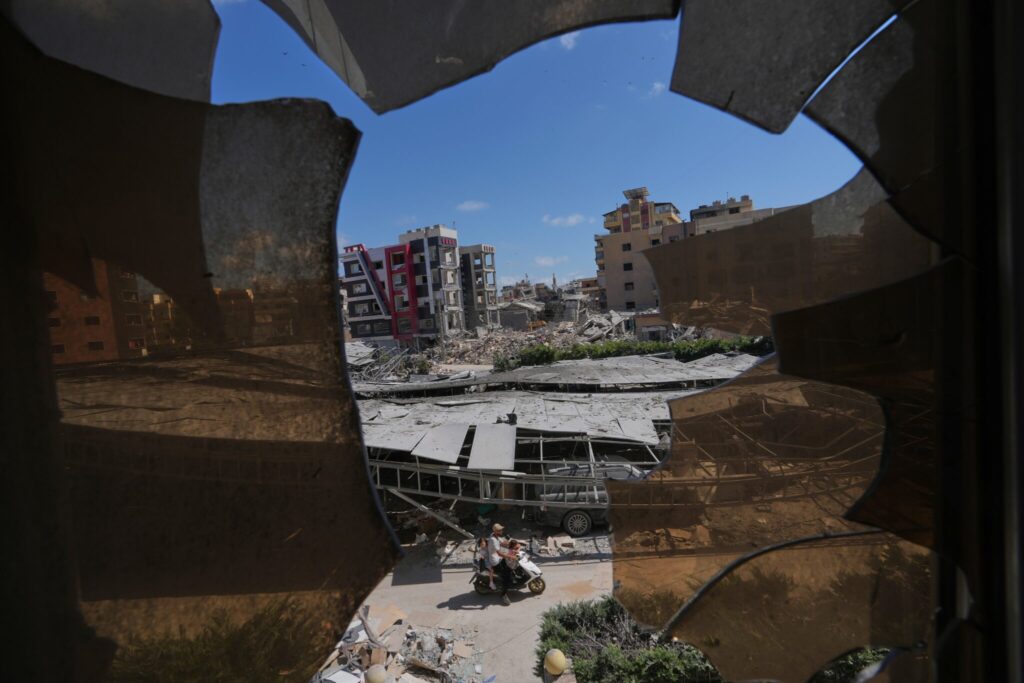
Efforts to advance negotiations between the United States and Iran suffered a major setback Friday after renewed fighting between Israel and Hezbollah forced the cancellation of planned talks in Switzerland.
The talks were intended to launch the next phase of diplomacy following a preliminary agreement that paused hostilities between Washington and Tehran and reopened the Strait of Hormuz. However, escalating violence in southern Lebanon quickly overshadowed those efforts, creating uncertainty about the future of the broader accord.
According to regional and U.S. officials, Iranian representatives decided not to travel to Switzerland, insisting that the conflict in Lebanon must be brought under control before negotiations can continue. Vice President JD Vance also postponed his scheduled trip.
Ceasefire Efforts Intensify
Despite the disruption, diplomatic efforts continued behind the scenes.
Regional officials said Qatar, the United States and Iran worked together to broker a renewed ceasefire between Israel and Hezbollah. While several officials indicated that an agreement had been reached, public confirmation remained limited as discussions continued.
A Hezbollah official acknowledged that mediators were attempting to implement a new truce and suggested an announcement could come soon.
Israeli officials, however, remained cautious. Military leaders stated they had not received any updated directives and would continue operations in what they described as a defensive security zone.
Deadly Escalation in Southern Lebanon
The latest violence marked one of the most serious flare-ups since the broader regional agreement was announced.
Israel reported that four soldiers, including a lieutenant colonel, were killed during combat near the Lebanese city of Nabatiyeh. Additional troops were wounded in drone attacks.
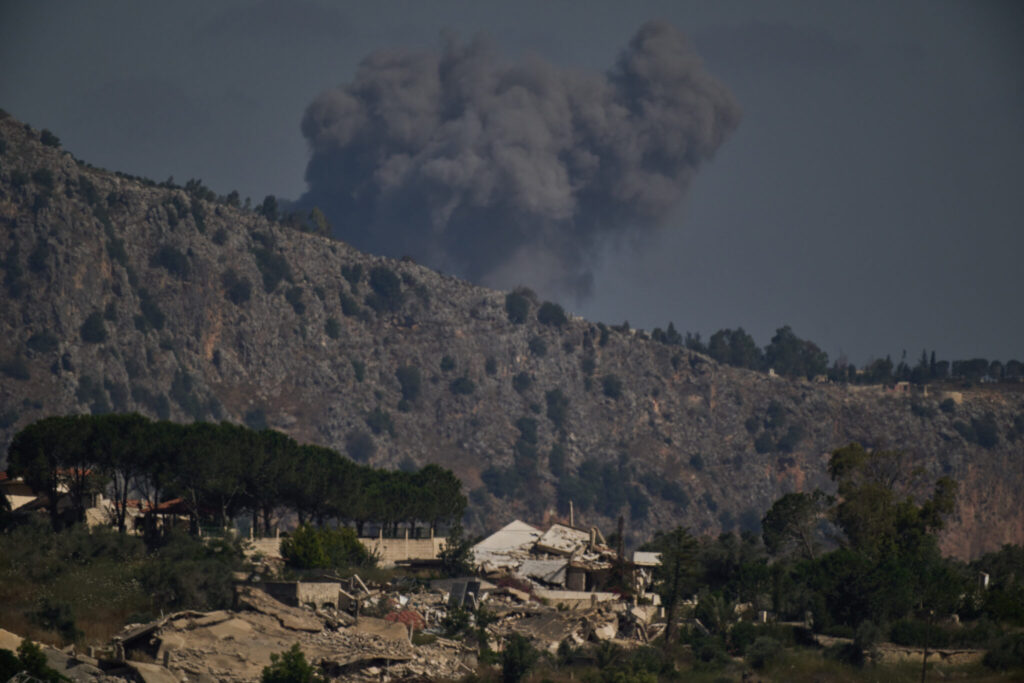
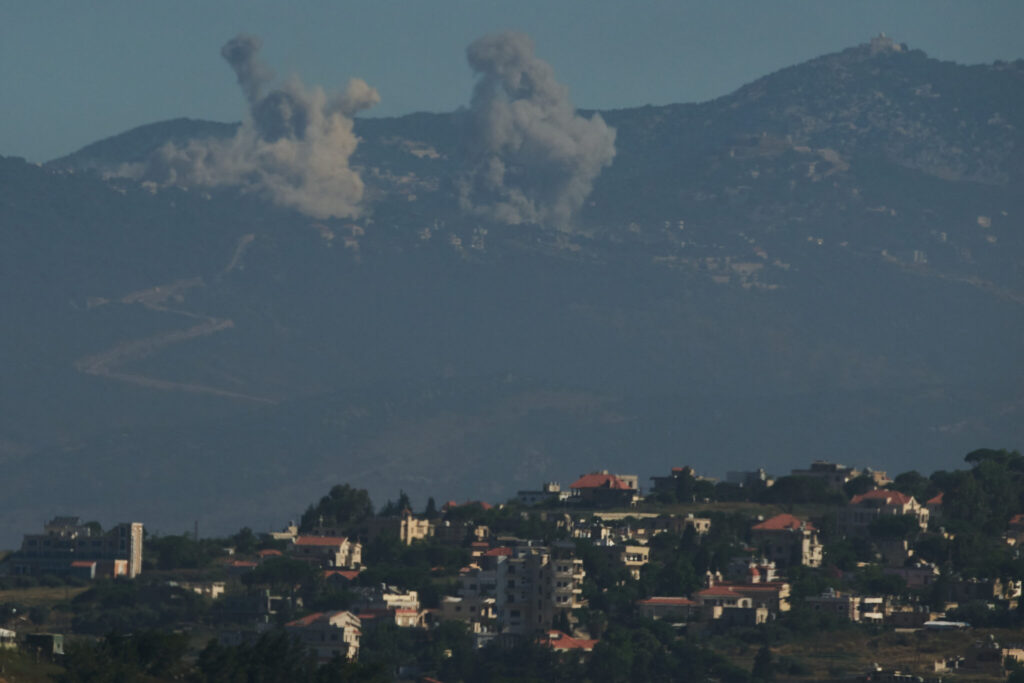
In response, Israeli forces launched extensive airstrikes against what they described as Hezbollah infrastructure throughout southern Lebanon and the Bekaa Valley.
Lebanon’s Health Ministry reported at least 21 deaths from the attacks.
Hezbollah claimed responsibility for attacks targeting Israeli military vehicles and positions, arguing that its actions were a response to Israeli operations near strategically important territory overlooking Nabatiyeh.
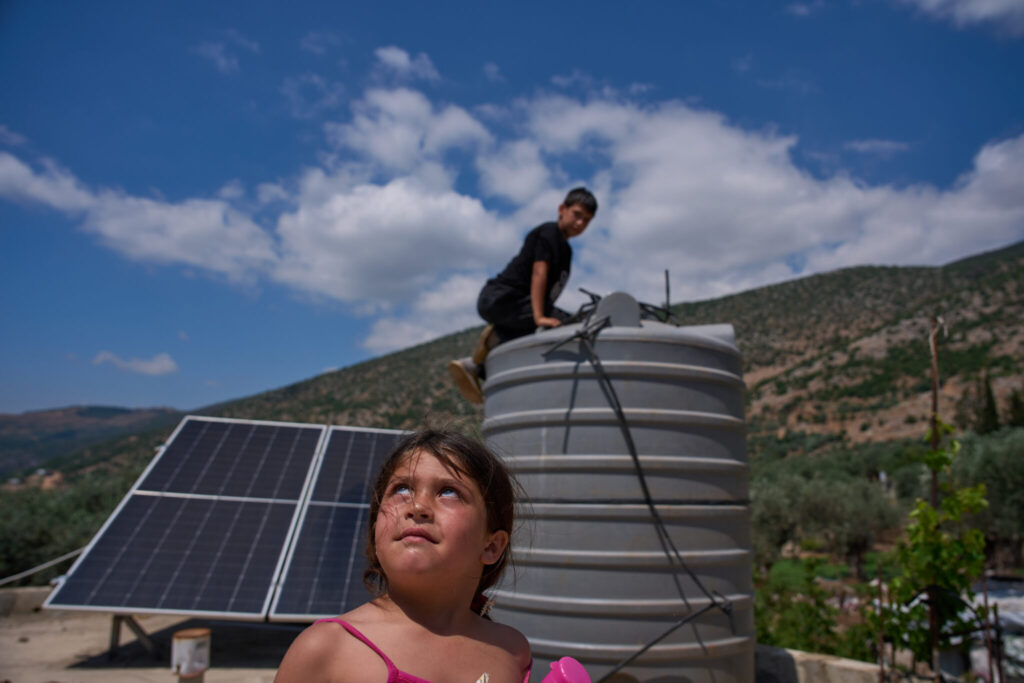
The renewed hostilities forced many civilians to flee their homes once again, highlighting the ongoing humanitarian consequences of the conflict.
Lebanon Remains the Weakest Link
The fighting underscores a central challenge facing the broader U.S.-Iran agreement.
While Washington and Tehran signed the interim deal, neither Israel nor Hezbollah formally joined the arrangement. Yet the agreement depends heavily on maintaining calm between the two longtime adversaries.
Iran has repeatedly emphasized that Israeli military operations in Lebanon must end and has demanded a withdrawal from occupied areas in southern Lebanon.
Israeli Prime Minister Benjamin Netanyahu has taken a different position, insisting that Israeli forces will remain in designated security zones for as long as necessary to protect national security interests.
Those opposing views continue to complicate efforts to transform the temporary agreement into a lasting peace framework.
Nuclear Negotiations Delayed
The postponed Switzerland talks were expected to focus on the issue at the center of the conflict: Iran’s nuclear program.
Western governments remain concerned about Iran’s stockpile of highly enriched uranium and its potential use in developing nuclear weapons. Tehran maintains that its nuclear activities are peaceful and intended for civilian purposes.
The interim agreement provides a 60-day window for negotiators to reach a broader nuclear accord, though that timeline can be extended.
Any final agreement would likely include verification measures, limits on enrichment activities and a roadmap for easing international sanctions.
Analysts note that previous nuclear negotiations took more than a year to complete, suggesting that significant challenges remain ahead.
Strait of Hormuz Stays Open
Despite the diplomatic disruption, one of the most significant achievements of the interim deal remains intact.
Commercial shipping continues to move through the Strait of Hormuz, a critical passageway that carries a large share of the world’s oil and natural gas exports.
More than 12.5 million barrels of oil reportedly passed through the strait this week as maritime traffic gradually returned to normal.
Iranian authorities announced that they would temporarily waive shipping-related fees and insurance charges during the initial 60-day period outlined in the agreement.
However, officials also signaled plans to introduce a new registration process for vessels, indicating Tehran intends to maintain a greater role in overseeing maritime traffic through the strategic waterway.
Uncertain Road Ahead
While hostilities between the United States and Iran have paused, unresolved disputes involving Israel, Hezbollah and regional security continue to threaten broader efforts to stabilize the Middle East.
Diplomats remain hopeful that negotiations can resume once the situation in Lebanon calms. For now, however, the fighting has delayed discussions that are considered essential for addressing Iran’s nuclear ambitions and preventing a return to wider conflict.
The coming days will likely determine whether the renewed ceasefire holds and whether the diplomatic process can regain momentum.






You must Register or Login to post a comment.