

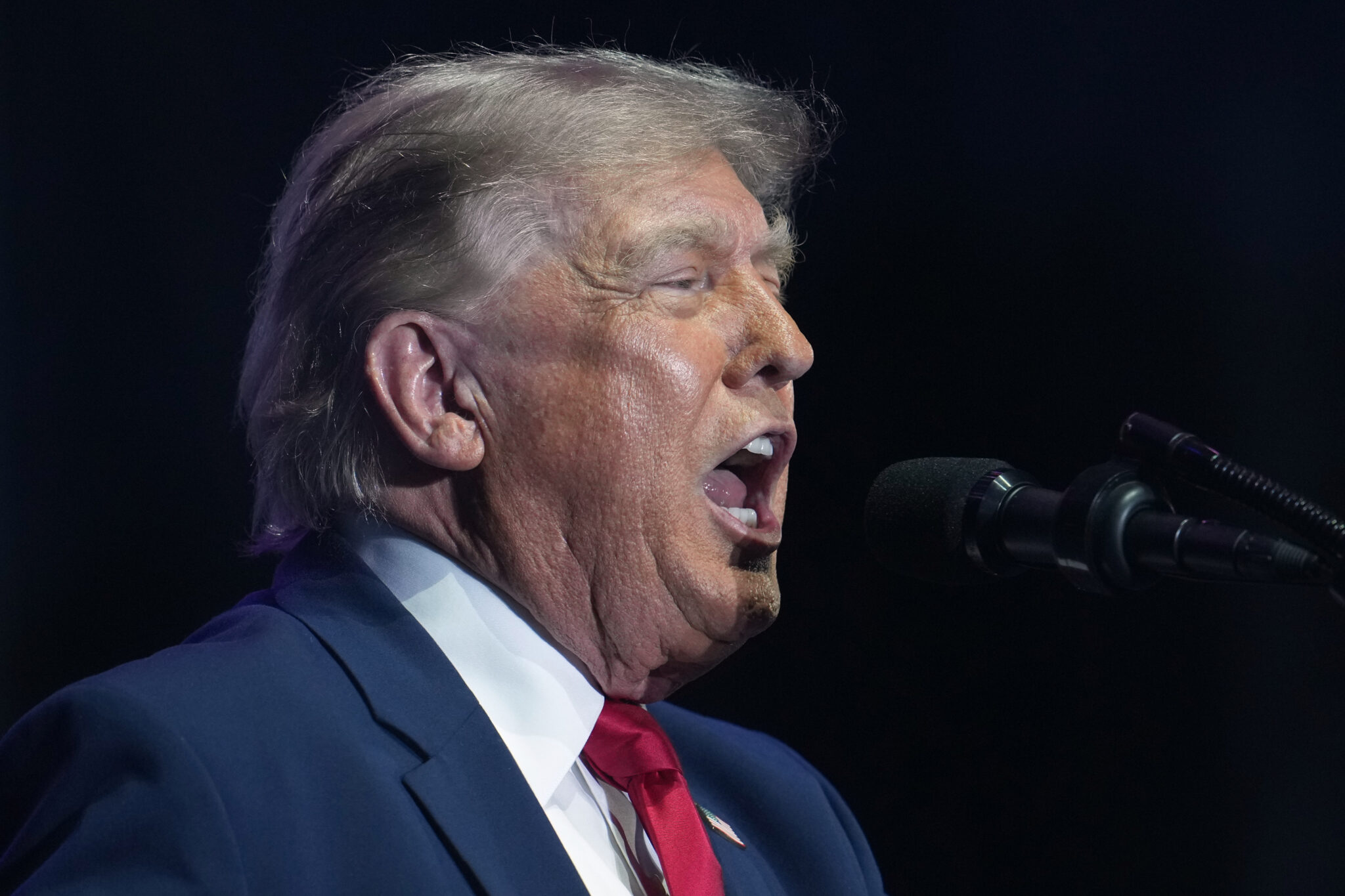
Federal Judge Blocks Trump’s Executive Order on Federal Voter List/ Newslooks/ WASHINGTOn/ J. Mansour/ Morning Edition/ A federal judge blocked key portions of President Donald Trump’s executive order that sought to create a federal voter list and restrict mail ballot access. The ruling found the order violated the Constitution by attempting to override state and congressional authority over election administration. The Trump administration vowed to appeal as the decision applies to the 2026 midterm election cycle.
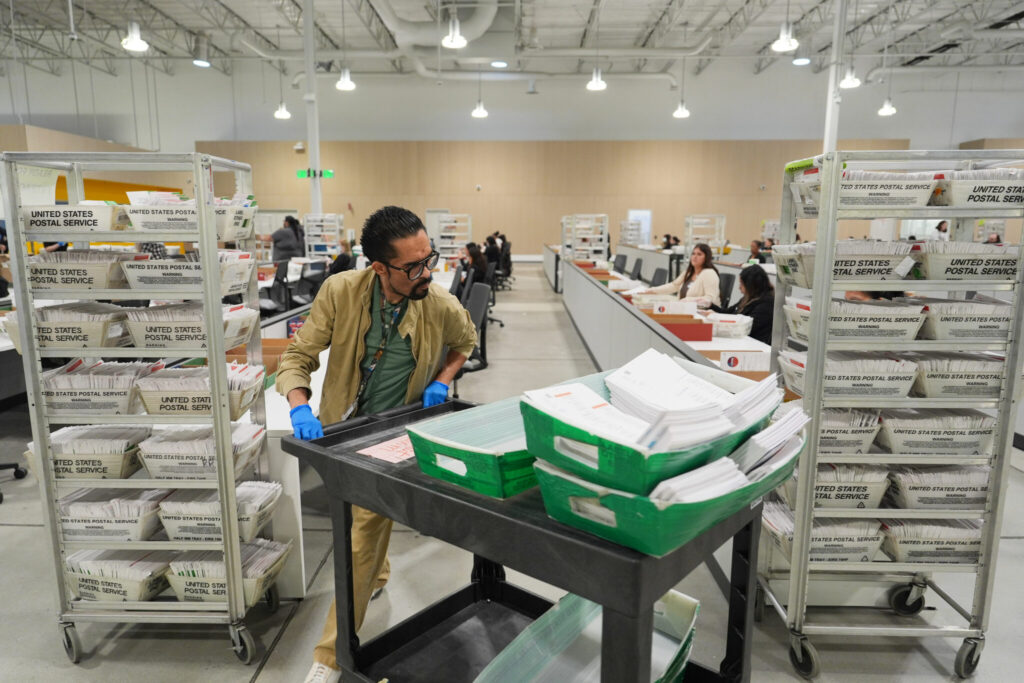
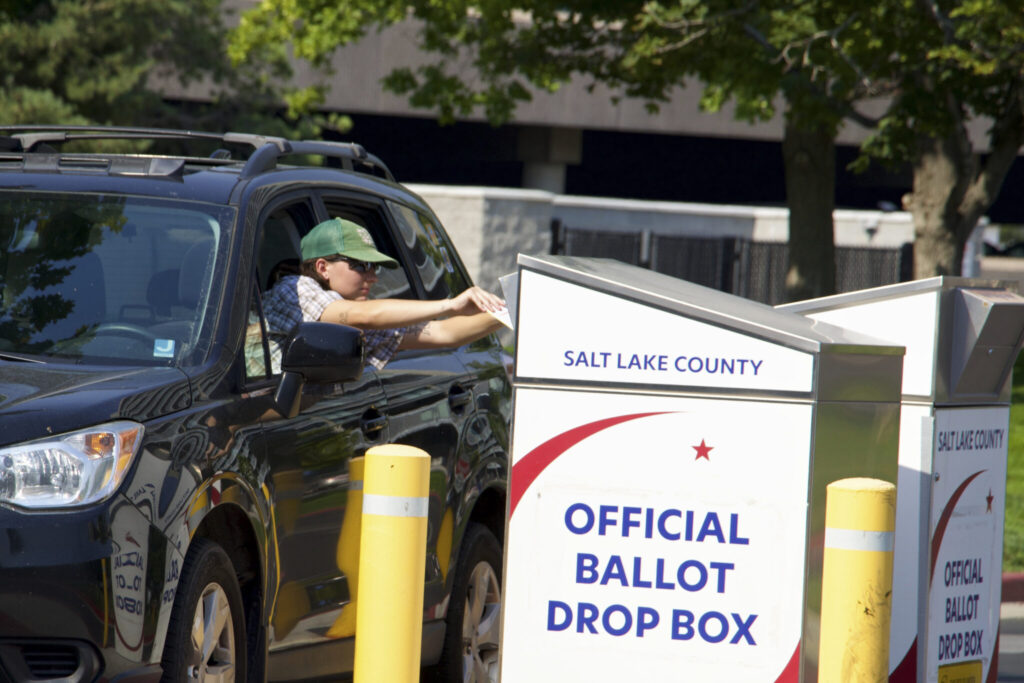
Trump Election Order Quick Looks
- Federal judge blocked key parts of Trump’s election executive order.
- Ruling applies to the 2026 midterm elections.
- Court said states and Congress—not the president—set election rules.
- Plan to create a federal voter eligibility list was halted.
- Proposal involving the U.S. Postal Service and mail ballots was struck down.
- White House said it will appeal the decision.
- Separate court ruling this week also blocked Trump’s citizenship proof voting order.
- Multiple lawsuits challenging the executive order remain pending.
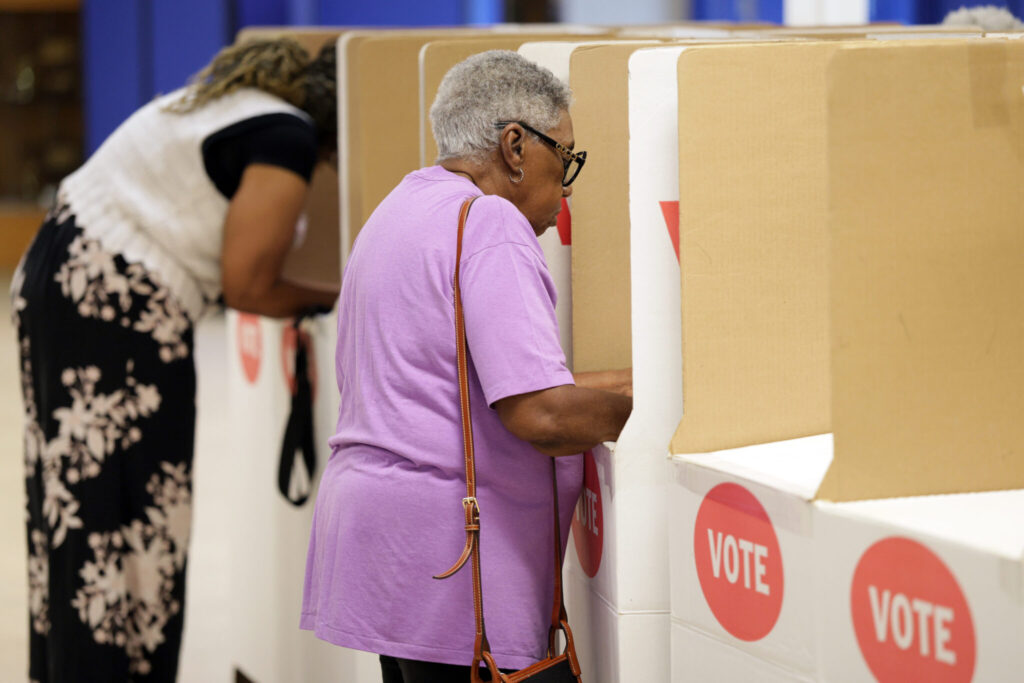
Deep Look
Federal Judge Blocks Trump’s Election Executive Order
A federal judge on Thursday halted key portions of President Donald Trump’s executive order that sought to establish a federal voter eligibility list and impose new restrictions on mail voting ahead of the 2026 midterm elections.
U.S. District Judge Indira Talwani ruled that major provisions of the executive order violated the Constitution by attempting to give the executive branch powers reserved for Congress and the states.
The ruling grants summary judgment in favor of a coalition of nearly two dozen states that challenged the order and immediately blocks its implementation for this year’s federal elections.
Court Says Election Authority Belongs to States and Congress
Judge Talwani concluded that the executive order exceeded presidential authority.
In her ruling, she found that provisions directing the federal government to create a nationwide list of eligible voters and requiring the U.S. Postal Service to determine who could receive mail ballots were “legally void” because they “unconstitutionally violate the separation of powers.”
The lawsuits argued that the Constitution assigns responsibility for election administration primarily to the states, while Congress has authority to regulate federal elections—not the president through executive action.
The decision marks the second federal court setback in as many days for Trump’s election-related executive orders.
Order Sought Federal Voter Registry
Trump signed the executive order in March after legislation backed by the White House stalled in Congress.
The order directed the Department of Homeland Security, U.S. Citizenship and Immigration Services and the Social Security Administration to develop a federal “state citizenship list” identifying eligible voters.
Under the proposal, the U.S. Postal Service would have delivered mail ballots only to voters appearing on that federal list.
The administration argued the order was intended to prevent noncitizens from voting in federal elections.
However, election officials and voting rights organizations argued that states already maintain voter registration systems and that documented cases of noncitizen voting are extremely rare.
States Welcome the Decision
Arizona Attorney General Kris Mayes welcomed the ruling, emphasizing that mail voting has long been a central part of elections in her state.
“Millions of independents, Republicans and Democrats across Arizona have voted by mail for decades,” she said.
She added that military families, rural voters and Native American communities would have been disproportionately affected by the executive order.
“Donald Trump’s executive order targeted all of these voters,” she said. “But today, the courts affirmed what the Constitution makes clear: States run their elections, not the President.”
Maine Secretary of State Shenna Bellows also praised the decision, saying the proposal would have improperly expanded the Postal Service’s role in election administration.
She argued that requiring postal workers to determine voter eligibility before delivering ballots would represent “a shocking violation of American constitutional rights.”
White House Plans Appeal
The Trump administration defended the executive order and confirmed it intends to challenge the ruling.
White House spokeswoman Abigail Jackson said the administration believes the order “lawfully protects our elections, and we are confident that we will ultimately prevail in its implementation.”
Government attorneys had argued the lawsuits were premature because many provisions had not yet taken effect.
Judge Talwani rejected that argument, noting that implementation deadlines were approaching rapidly and that delaying judicial review could create confusion ahead of the November elections.
Postal Service Raised Practical Concerns
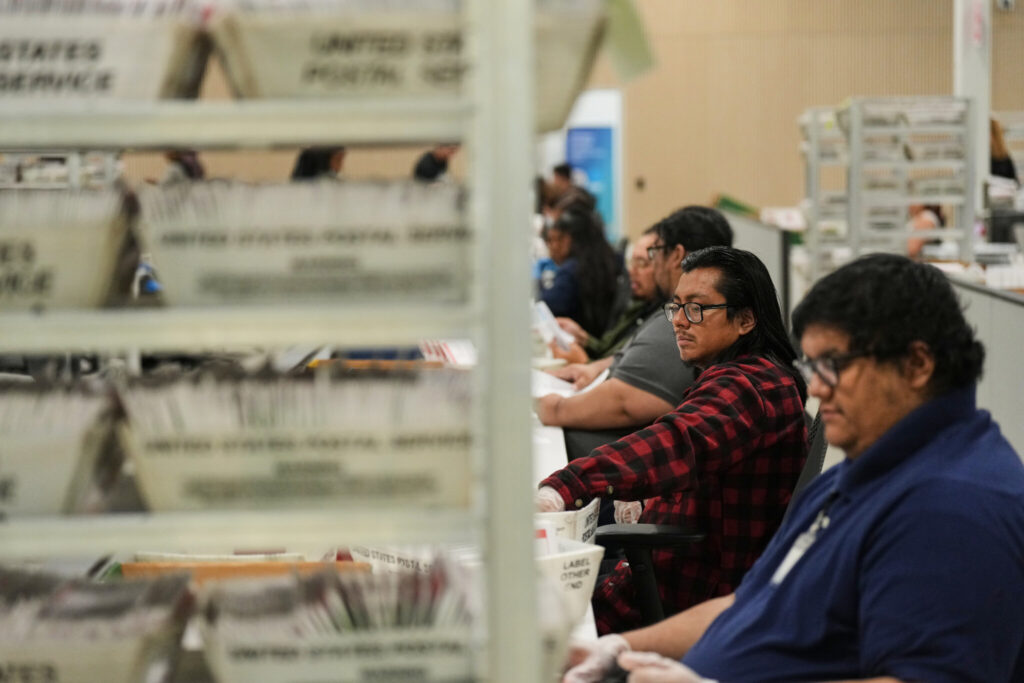
The executive order would have placed the U.S. Postal Service at the center of determining who could receive mail ballots.
Postal officials and employee organizations questioned whether the agency has either the legal authority or operational capacity to verify voter eligibility.
The National Rural Letter Carriers’ Association previously warned that assigning postal workers such responsibilities could politicize one of the nation’s most trusted public institutions.
The Postal Service had already published a proposed rule implementing portions of the executive order before Thursday’s decision.
Multiple Legal Challenges Continue
The lawsuit was filed by Democratic attorneys general from 22 states and the District of Columbia, along with attorneys representing Pennsylvania Gov. Josh Shapiro.
Separate litigation filed by voting rights organizations, including the League of Women Voters, also challenges the executive order.
In another case pending in Washington, D.C., a federal judge previously ruled that it was too early to block implementation because the order had not yet taken effect. That decision is currently under appeal.
The latest ruling follows another federal court decision issued Wednesday that blocked a separate Trump executive order requiring documentary proof of citizenship to register to vote.





You must Register or Login to post a comment.