

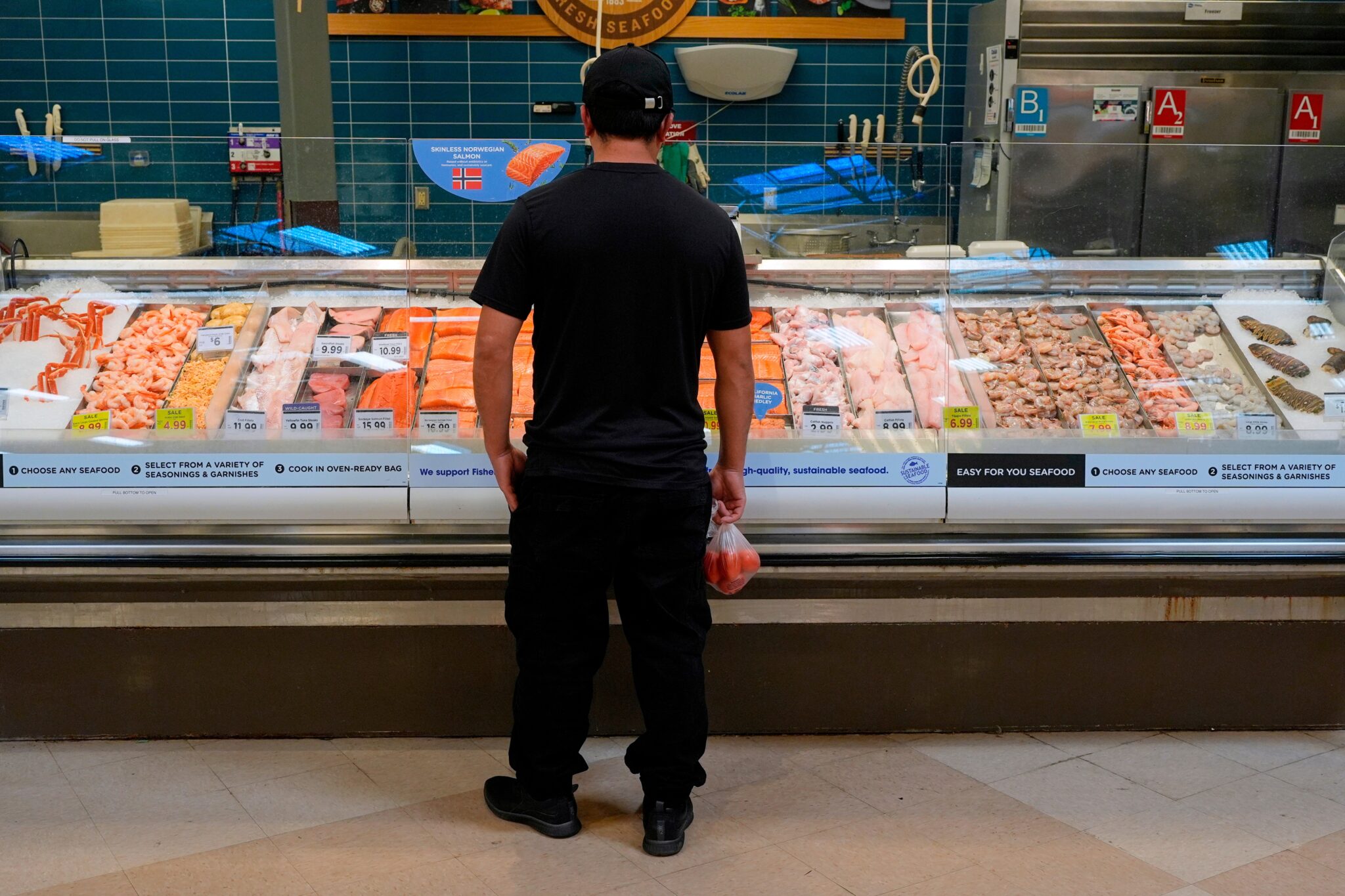
US Inflation Hits Three-Year High to 4.1% in May as Gas Prices Surge/ Newslooks/ WASHINGTON/ J. Mansour/ Morning Edition/ The Federal Reserve’s preferred inflation measure rose 4.1% in May, the highest annual rate in three years. Higher gasoline prices, AI-related technology costs and rising service prices fueled inflation despite easing energy costs later in the month. The report strengthens expectations that the Federal Reserve may keep interest rates higher for longer as affordability remains a major concern.
US Inflation Quick Looks
- PCE inflation rose 4.1% year-over-year in May.
- Monthly inflation increased 0.4%, matching April.
- Core inflation climbed to 3.4%, the highest since October 2023.
- Gasoline prices were the biggest driver of headline inflation.
- AI-driven demand pushed semiconductor and computer equipment costs higher.
- Consumer spending rose 0.3% after adjusting for inflation.
- Inflation-adjusted incomes increased for the first time in four months.
- Markets are increasingly expecting the Federal Reserve to keep rates elevated.
Deep Look
Fed’s Preferred Inflation Gauge Climbs to Three-Year High
The Federal Reserve’s preferred measure of inflation accelerated in May, reaching its highest annual level in three years and underscoring the continued pressure higher prices are placing on American households.
The Commerce Department reported Thursday that the Personal Consumption Expenditures (PCE) price index increased 4.1% from a year earlier, the largest annual gain since April 2023.
On a monthly basis, prices rose 0.4%, matching April’s pace after a stronger 0.7% increase in March.
The latest figures suggest inflation remains stubbornly above the Federal Reserve’s 2% target and could complicate monetary policy as policymakers weigh whether interest rates should remain elevated.
Higher Gas Prices Drive Inflation
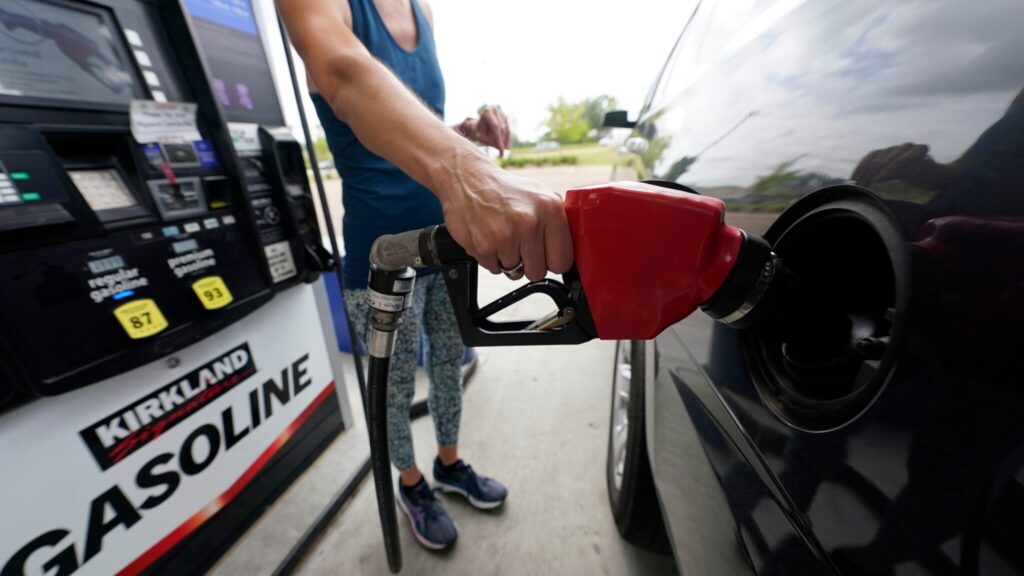
The biggest contributor to May’s inflation increase was the spike in gasoline prices during the height of the conflict involving Iran.
National average gasoline prices climbed to nearly $4.50 per gallon during May before easing in recent weeks as diplomatic negotiations helped stabilize global oil markets.
According to AAA, the national average had fallen to $3.92 per gallon by Thursday. While that marks a noticeable decline, gasoline prices remain more than 20% higher than they were at the same time last year.
Economists expect lower fuel prices to reduce headline inflation in coming months if energy markets remain stable.
Core Inflation Remains Elevated
Even as fuel prices begin to ease, underlying inflation continues to concern policymakers.
Excluding volatile food and energy categories, core PCE inflation rose 3.4% from a year earlier in May, up from 3.3% in April and marking the highest reading since October 2023.
Core prices also increased 0.3% on a monthly basis, matching April’s pace.
The data suggests inflationary pressures remain broad-based rather than being driven solely by energy costs.
Artificial Intelligence Boom Raises Technology Costs
Strong investment in artificial intelligence continues to influence prices across the economy.
High demand for semiconductors and computing equipment has increased production costs for technology manufacturers.
Apple announced last week that it would raise prices for certain computers and iPads because of rising component costs tied to the expanding AI infrastructure buildout.
The continued race among companies to expand data centers and computing capacity has increased demand for advanced chips and related hardware.
Service Prices Continue Rising
Beyond technology and energy, consumers paid more for a variety of everyday services during May.
Restaurant meals, hotel stays, automobile repairs and health care all recorded notable price increases.
Those widespread gains indicate inflation remains embedded across multiple sectors of the economy, making it more difficult for the Federal Reserve to return inflation to its long-term goal.
Consumers Continue Spending Despite Higher Prices
Despite persistent inflation, American consumers continued to support economic growth.
After adjusting for inflation, consumer spending increased 0.3% from April to May.
Inflation-adjusted personal income also rose 0.3%, marking its first monthly increase in four months and providing additional support for household spending.
Separate Commerce Department data released Thursday showed the U.S. economy expanded at an annualized 2.1% rate during the first quarter, stronger than previously estimated.
Weekly unemployment claims also declined, indicating employers continue to retain workers and the labor market remains relatively healthy.
Federal Reserve Faces Tough Choices
The latest inflation report has reinforced expectations that the Federal Reserve could leave interest rates unchanged for an extended period.
Some economists now believe the central bank’s next move could even be another rate increase if inflation remains elevated.
“Underyling inflation is closer to 3% rather than 2%,” said Mark Vitner, chief economist at Piedmont Crescent Capital. “It does suggest to me that the next Fed move, whenever it comes, is more likely to be a hike than a cut.” The Fed probably won’t raise rates until next year, he added.
Federal Reserve Chair Kevin Warsh recently reaffirmed the central bank’s commitment to bringing inflation back to its 2% target but offered no indication about the timing of future policy decisions.
Affordability Remains a Political Issue
The inflation report arrives as affordability continues to dominate public concerns ahead of the November midterm elections.
The data was released one day after President Donald Trump declined to sign bipartisan housing legislation designed to encourage new home construction and ease long-term housing costs.
Although inflation has fallen substantially from its 9.1% peak during the Biden administration, prices remain well above pre-pandemic levels, leaving many households frustrated by the cumulative increases in food, housing, transportation and everyday living expenses.
The PCE price index has remained above 2.5% since April 2025, when Trump announced his “Liberation Day” tariffs, before climbing further during the Iran conflict.






You must Register or Login to post a comment.