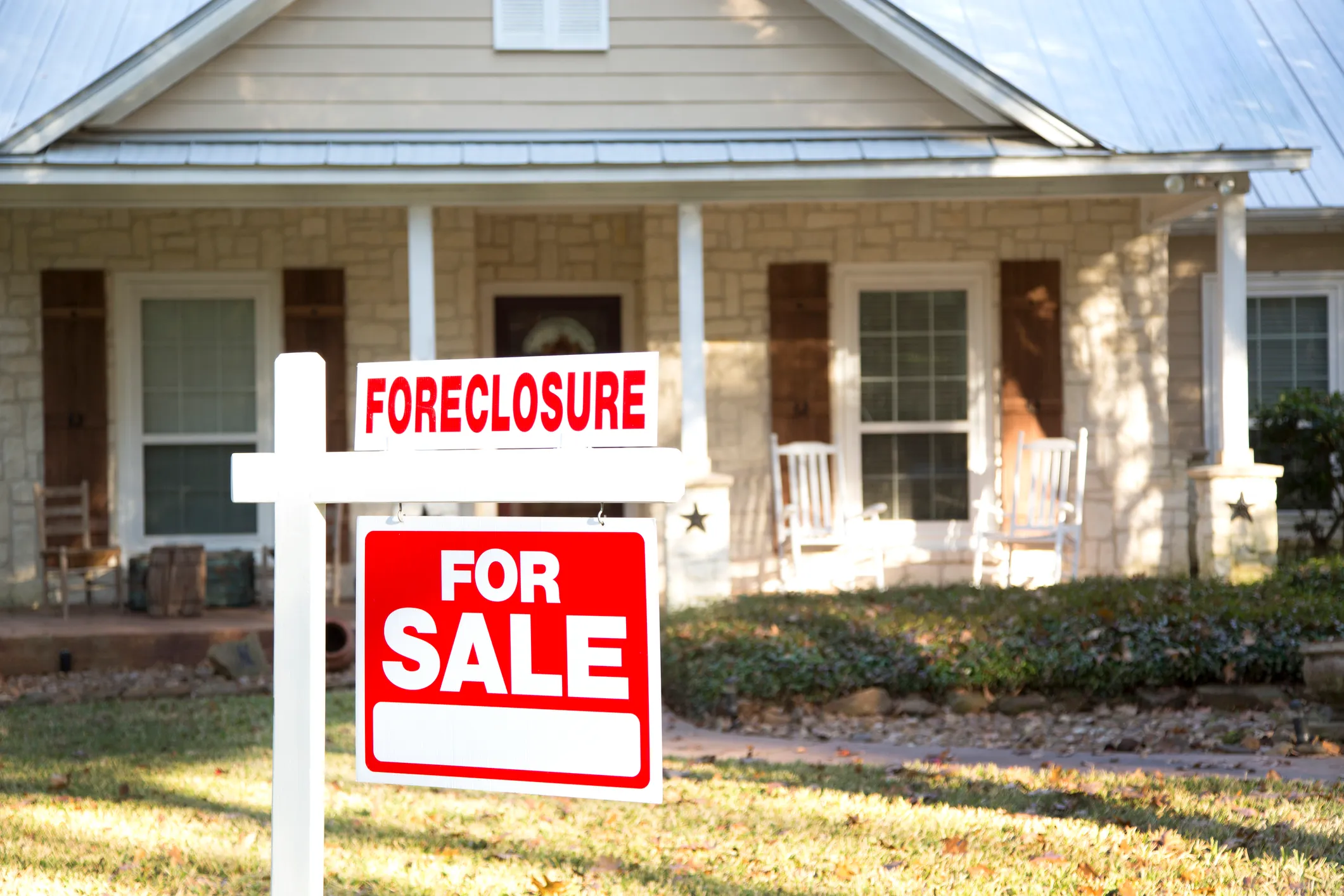
Home Foreclosures Jump 26% Nationwide as Red States Hit Hardest/ Newslooks/ WASHINGTON/ J. Mansour/ Morning Edition/ Foreclosure filings across the United States surged 26% in the first quarter of 2026 as inflation and rising housing costs strained homeowners. Indiana recorded the nation’s highest foreclosure rate, followed closely by South Carolina and Florida. Experts say higher mortgage rates, fuel costs and affordability pressures are pushing more families toward financial distress.
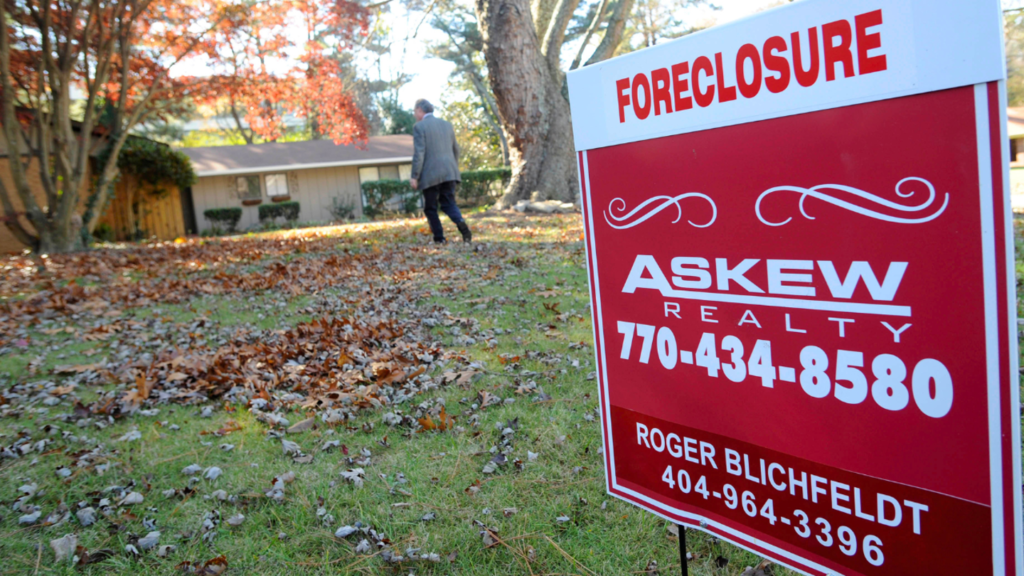
US Foreclosure Crisis Quick Looks
- Foreclosure filings rose 26% year-over-year nationwide
- Indiana had the highest foreclosure rate in America
- South Carolina and Florida followed closely behind
- More than 118,000 US properties faced foreclosure filings
- Mortgage rates climbed to 6.37% in early May
- Lender repossessions jumped 45% from last year
- Rising inflation and fuel costs are straining homeowners
- Analysts say foreclosure levels remain below 2008 crisis levels
Deep Look
Foreclosure Filings Surge Across the United States
Home foreclosures are rising sharply across the United States as inflation, higher borrowing costs and rising living expenses place growing pressure on American homeowners.
According to new data from property analytics firm ATTOM, foreclosure filings increased 26% nationwide during the first quarter of 2026 compared with the same period last year.
A total of 118,727 properties received foreclosure filings between January and March, marking a 6% increase from the previous quarter as financial pressures intensified across many parts of the country.
The latest numbers are fueling concerns about housing affordability and economic stress heading into the 2026 midterm election season.
Indiana Records Highest Foreclosure Rate in America
Indiana posted the nation’s highest foreclosure rate during the first quarter of the year.
ATTOM reported that one out of every 739 housing units in Indiana received a foreclosure filing during the period. That rate was nearly two-thirds higher than the national average of one foreclosure filing for every 1,211 housing units.
The concentration of foreclosures in several Republican-led states has drawn attention as affordability and inflation remain major political issues nationwide.
Foreclosure Activity Rising Across Both Red and Blue States
Although many of the highest foreclosure rates were concentrated in red states, the affordability crisis is affecting homeowners across the country regardless of politics.
Blue states including Delaware and Illinois also reported elevated foreclosure activity.
Among major metropolitan areas, Cleveland, Jacksonville and Indianapolis ranked among the cities experiencing some of the highest foreclosure rates in the nation.
The widespread nature of the increase highlights the broader financial strain facing many households as housing costs continue climbing.
Rising Mortgage Rates Add Financial Pressure
Experts say one of the biggest drivers behind the increase in foreclosure activity is the sharp rise in mortgage rates over recent months.
The average rate on a 30-year fixed mortgage rose to 6.37% during the week ending May 7, compared with 5.98% in late February.
Higher mortgage rates increase monthly housing payments and make refinancing more difficult for struggling homeowners.
At the same time, inflation has continued to raise the costs of essentials including food, gasoline, insurance, utilities and property taxes.
For many households already operating on tight budgets, the combined financial pressure is becoming increasingly difficult to manage.
More Homes Entering Foreclosure Process
The ATTOM report also showed a significant rise in homes newly entering foreclosure proceedings.
Meanwhile, lenders repossessed 14,020 homes during the quarter — a sharp 45% increase year-over-year.
The rise in repossessions suggests more homeowners are falling too far behind on payments to recover financially.
Inflation and Energy Costs Continue Impacting Housing
The foreclosure increase comes as Americans continue dealing with broader economic pressures tied to inflation and higher energy prices.
The ongoing Iran war and closure of the Strait of Hormuz have contributed to rising fuel costs nationwide, increasing transportation and living expenses for consumers.
Higher gasoline prices are reducing disposable income for many families, leaving less money available for mortgage payments and household bills.
Housing affordability has also worsened because home prices remain elevated in many regions despite slowing sales activity.
Experts Say Housing Market Still More Stable Than 2008
Despite the recent rise in foreclosures, analysts caution that conditions remain far different from the housing crash of 2008.
Current foreclosure levels remain significantly below the peaks reached during the financial crisis nearly two decades ago.
ATTOM CEO Rob Barber said the latest data points to growing financial stress among some homeowners, but not a systemic collapse in the broader housing market.
He noted that most homeowners today still have stronger equity positions and stricter lending standards than during the subprime mortgage era.
Economic Concerns Becoming Major Political Issue
Housing affordability and inflation are increasingly becoming central political issues ahead of the November elections.
Democrats have focused heavily on rising housing costs and affordability concerns in campaign messaging, while Republicans continue emphasizing broader economic management and inflation control.
The housing market’s direction over the next several months could become a key economic indicator as voters evaluate financial conditions nationwide.
Analysts say future foreclosure trends will largely depend on whether inflation eases, mortgage rates stabilize and household incomes continue growing enough to offset rising living costs.