

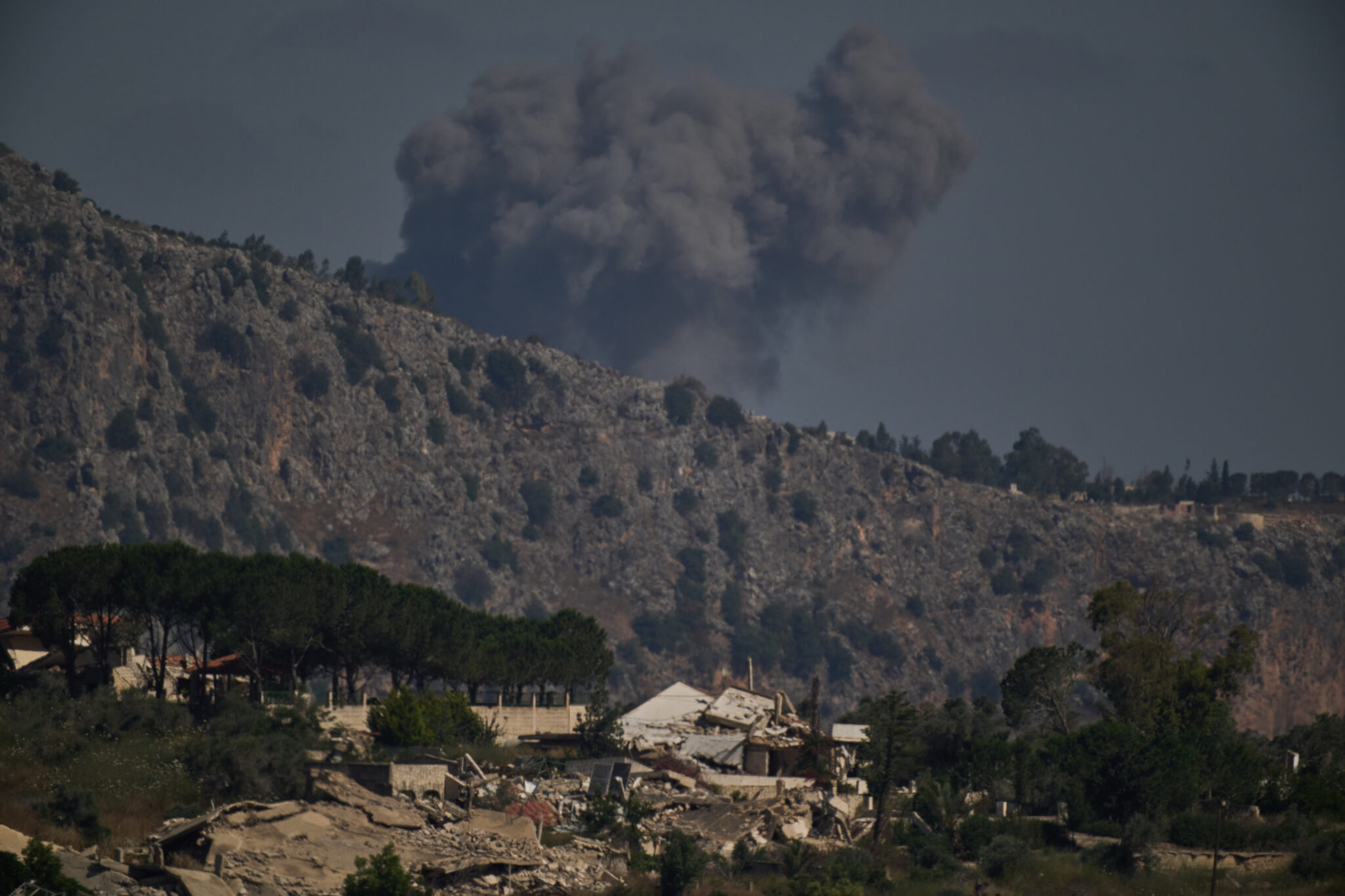
Israeli Strikes Continue in Lebanon, Put US-Iran Talks at Risk/ Newslooks/ WASHINGTON/ J. Mansour/ Morning Edition/ Deadly fighting continued in southern Lebanon despite reports of a renewed ceasefire between Israel and Hezbollah. The violence has delayed planned U.S.-Iran nuclear negotiations in Switzerland and threatens a broader regional peace effort. Mediators from Qatar, Iran and the United States are working to salvage the ceasefire and keep diplomatic talks alive.
Lebanon Ceasefire Crisis Quick Looks
- Israeli strikes in southern Lebanon killed at least 16 people, including two children.
- Reports of a renewed Israel-Hezbollah ceasefire have yet to fully halt hostilities.
- More than 50 projectiles were reportedly fired at Israeli forces overnight.
- The conflict is jeopardizing the recently signed interim U.S.-Iran agreement.
- Planned nuclear negotiations between Washington and Tehran have been postponed.
- Iran insists fighting in Lebanon must stop before talks can proceed.
- The Strait of Hormuz remains open under the interim agreement.
- Israel says it will continue operations until security threats are eliminated.
- Hezbollah demands an Israeli withdrawal from southern Lebanon.
- International mediators are scrambling to prevent a collapse of the broader peace framework.
Deep Look
Fighting in Lebanon Threatens Fragile US-Iran Agreement
A fragile diplomatic breakthrough between the United States and Iran is facing its first major test as violence continues to escalate in southern Lebanon despite reports of a renewed ceasefire between Israel and Hezbollah.
Israeli airstrikes struck several locations across southern Lebanon on Saturday, killing at least sixteen people, including two children, according to Lebanese authorities. The attacks came only hours after officials reported progress toward a ceasefire intended to stop the latest round of deadly clashes between Israeli forces and the Iran-backed militant group Hezbollah.
The continued violence is raising concerns that the interim U.S.-Iran agreement signed earlier this week could quickly unravel before negotiations on a permanent settlement even begin.
Deadly Strikes Continue Despite Ceasefire Efforts
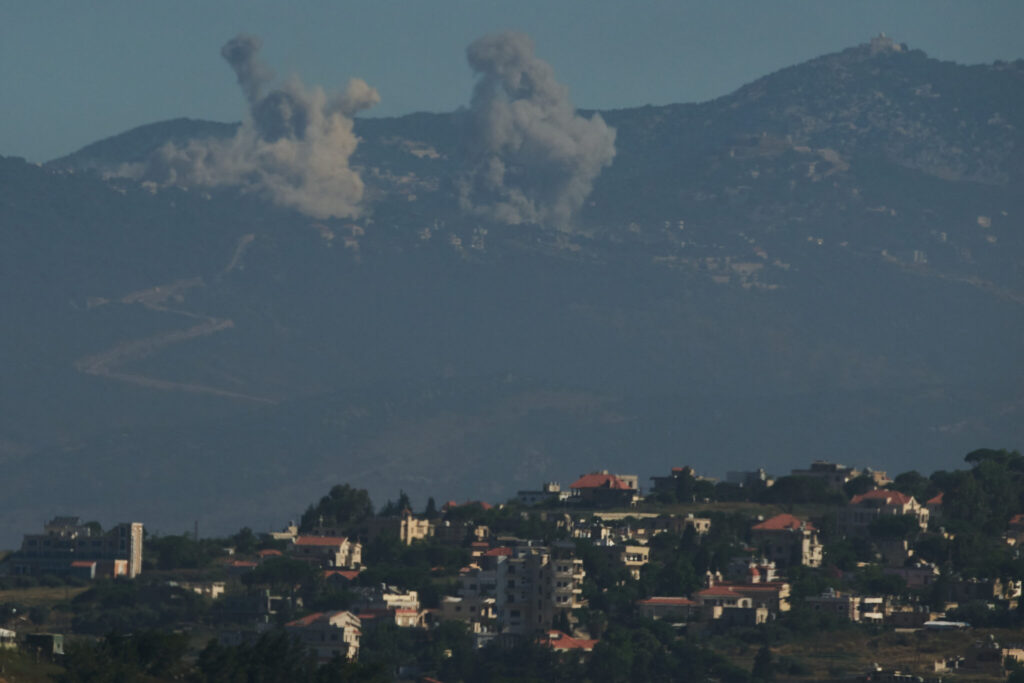
Lebanon’s National News Agency reported that Israeli strikes targeted the city of Nabatiyeh and nearby villages, leaving several people dead and others trapped beneath collapsed buildings.
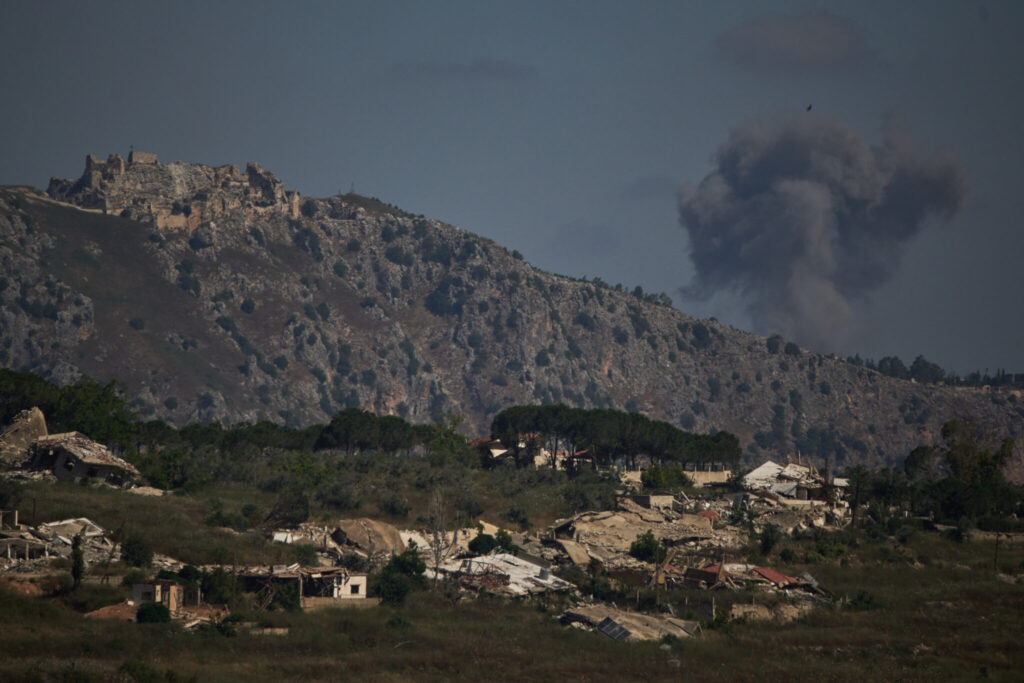
Among the dead were members of a family in the village of Barish, where a strike killed two parents and their children. Additional casualties were reported in Arab Salim, Doueir and Kfar Rumman, where drone attacks struck residential areas and vehicles.
Throughout Saturday, smoke billowed above parts of southern Lebanon while Israeli aircraft remained active in the skies over the coastal city of Tyre.
Residents expressed skepticism that any ceasefire would endure.
Many families who have spent months living under the threat of bombardment said they remain unconvinced that diplomacy can immediately end the fighting.
Hezbollah and Israel Trade Blame
Israeli military officials said Hezbollah launched more than 50 projectiles toward Israeli positions overnight, prompting retaliatory strikes against what Israel described as militant infrastructure and operational sites.
Israeli officials insist their military actions are defensive measures designed to protect troops and civilian communities near the border.
Hezbollah, meanwhile, argues that its attacks are responses to Israeli operations inside Lebanese territory. The group maintains that Israeli military advances and continued occupation of areas in southern Lebanon violate previous understandings and justify continued resistance.
Publicly, both sides say they are prepared to observe a ceasefire if the other side does the same. However, neither has formally confirmed that a fully functioning ceasefire is currently in effect.
A Key Obstacle to the US-Iran Peace Process
The conflict in Lebanon has emerged as one of the biggest threats to the broader diplomatic framework established by Washington and Tehran.
The interim agreement, reached after months of regional warfare, was designed to halt hostilities across the Middle East, reopen critical energy routes and create a pathway for negotiations over Iran’s nuclear program.
One of the agreement’s most significant achievements was reopening the Strait of Hormuz, a vital shipping corridor that handles a major share of global oil and natural gas exports.
The reopening helped ease a severe energy crisis that developed when Iranian actions disrupted shipping through the waterway during the conflict.
However, the deal also envisioned a halt to military operations in Lebanon and respect for Lebanese sovereignty. Continued clashes between Israel and Hezbollah directly undermine those objectives.
Switzerland Talks Delayed
The instability has already produced diplomatic consequences.
Planned negotiations between American and Iranian officials in Switzerland were postponed after Iranian representatives declined to travel while fighting continued in Lebanon.
U.S. Vice President JD Vance also delayed his planned trip.
Iranian officials have made clear that meaningful progress toward a permanent agreement cannot occur while active combat continues along the Israel-Lebanon border.
Diplomatic channels remain open, however, and both Washington and Tehran have indicated that talks could resume within days if conditions improve.
According to Iranian officials, the delay is viewed as temporary rather than a collapse of the process.
Netanyahu and Hezbollah Remain Far Apart
One of the most difficult issues facing negotiators involves the future of southern Lebanon.
Israeli Prime Minister Benjamin Netanyahu has repeatedly stated that Israeli forces will remain in areas of southern Lebanon until security threats are eliminated.
Hezbollah rejects that position and insists that Israeli troops must withdraw before the group ceases military operations.
Iran has echoed Hezbollah’s demand, arguing that an Israeli withdrawal is necessary to preserve Lebanese sovereignty and maintain regional stability.
These conflicting positions leave mediators with a difficult challenge as they attempt to convert temporary understandings into a lasting agreement.
The Nuclear Question Still Looms
Even if fighting in Lebanon subsides, negotiators face the far more complicated issue of Iran’s nuclear program.
Western governments continue to express concern about Tehran’s stockpile of highly enriched uranium, which international experts say could potentially be used to develop nuclear weapons if further refined.
Iran insists its nuclear activities remain peaceful and intended for civilian purposes.
The upcoming negotiations are expected to focus heavily on monitoring mechanisms, uranium enrichment limits and long-term verification procedures.
Diplomats acknowledge that these talks could take months or even years to complete. The 2015 nuclear agreement required more than 18 months of negotiations before reaching completion.
Billions of Dollars at Stake
The interim agreement offers significant incentives for Iran if a comprehensive deal can be reached.
Potential benefits include the gradual removal of international sanctions, access to previously frozen assets and participation in a proposed $300 billion reconstruction and economic development fund.
The United States has already eased some restrictions by ending its blockade of Iranian ports and permitting broader oil exports.
These concessions are intended to encourage further negotiations, but critics argue they provide Tehran with substantial benefits before a permanent agreement is finalized.
Uncertain Road Ahead
For now, diplomats from the United States, Iran, Qatar and other regional actors are racing to stabilize the situation before it spirals into another broader regional conflict.
The ceasefire remains fragile, military operations continue and the central disputes over Lebanon, Israel’s presence in the south and Iran’s nuclear ambitions remain unresolved.
Whether negotiators can prevent the collapse of the broader peace framework may depend on their ability to stop the fighting in Lebanon in the coming days.






You must Register or Login to post a comment.