

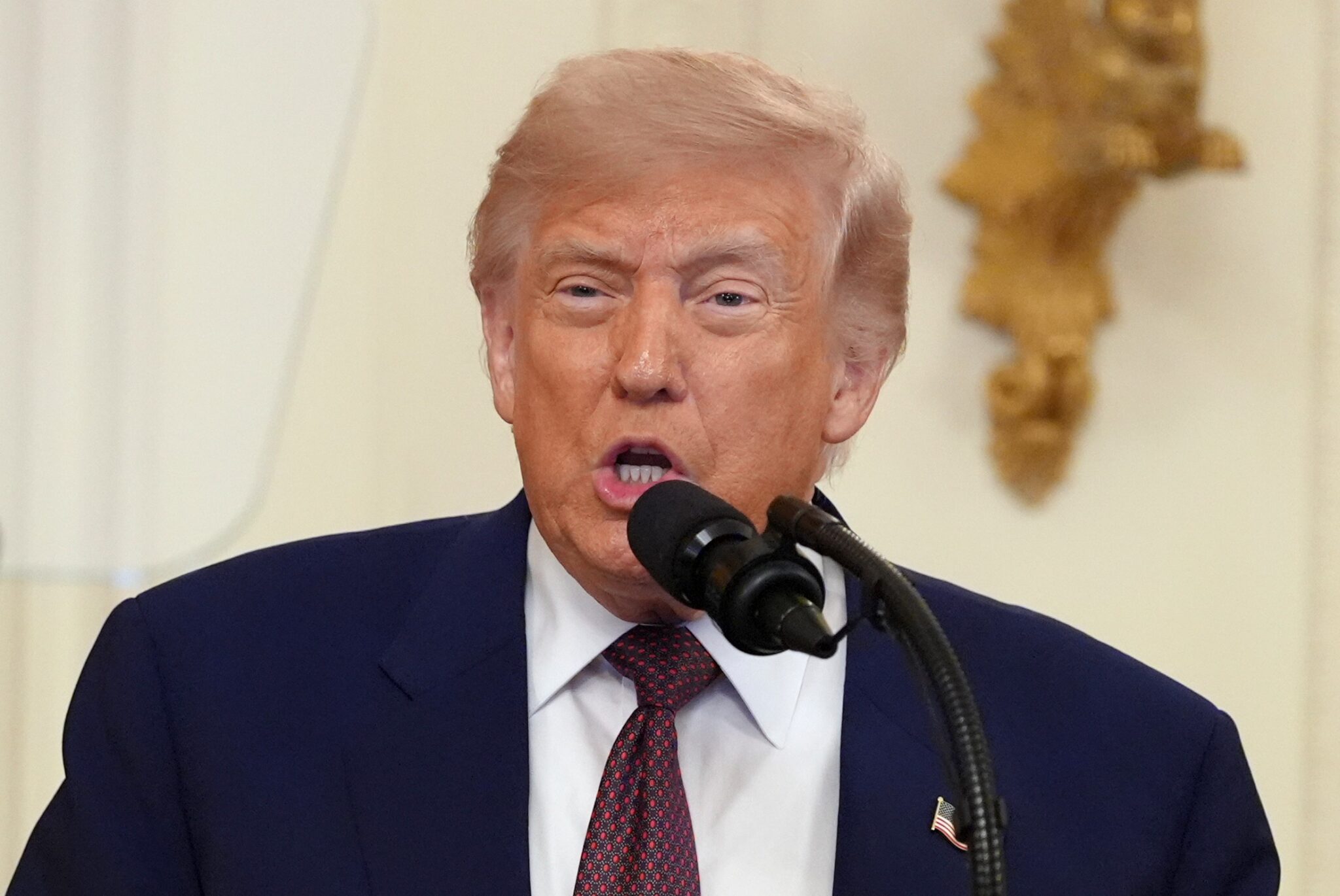
Trump-Senate GOP Rift Deepens Ahead of Midterm Elections/ Newslooks/ WASHINGTON/ J. Mansour/ Morning Edition/ Friction between President Donald Trump and Senate Republicans is intensifying as the 2026 midterm elections approach. Disputes over nominations, surveillance legislation, voting laws and the Iran deal have strained relations between the White House and GOP lawmakers. Senate Republicans are increasingly voicing public criticism of Trump, signaling a significant shift from the party unity seen a year ago.
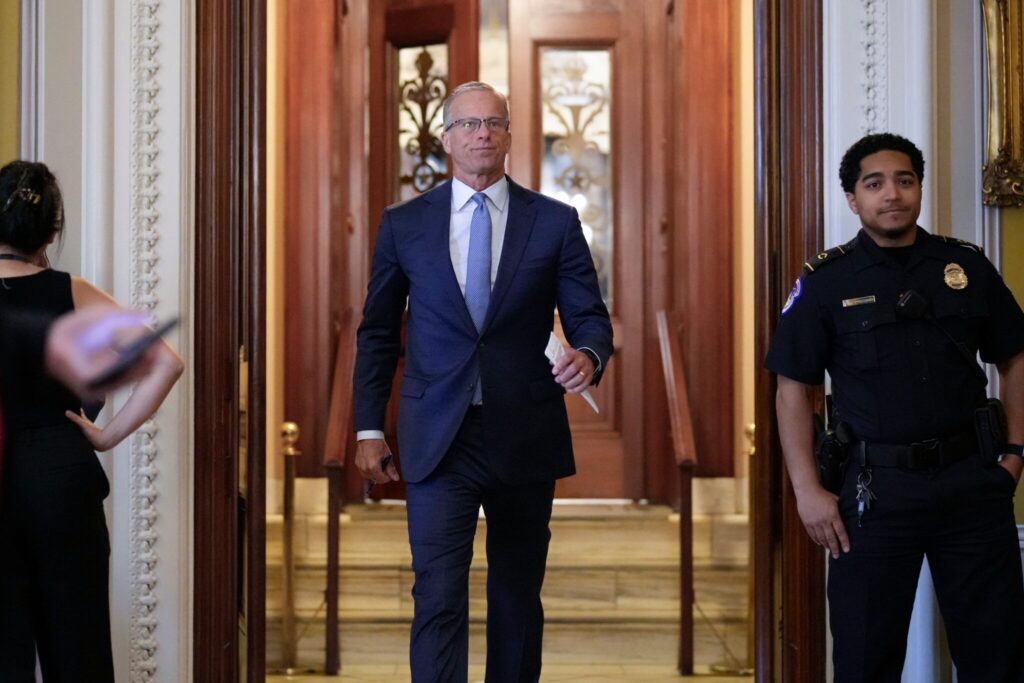
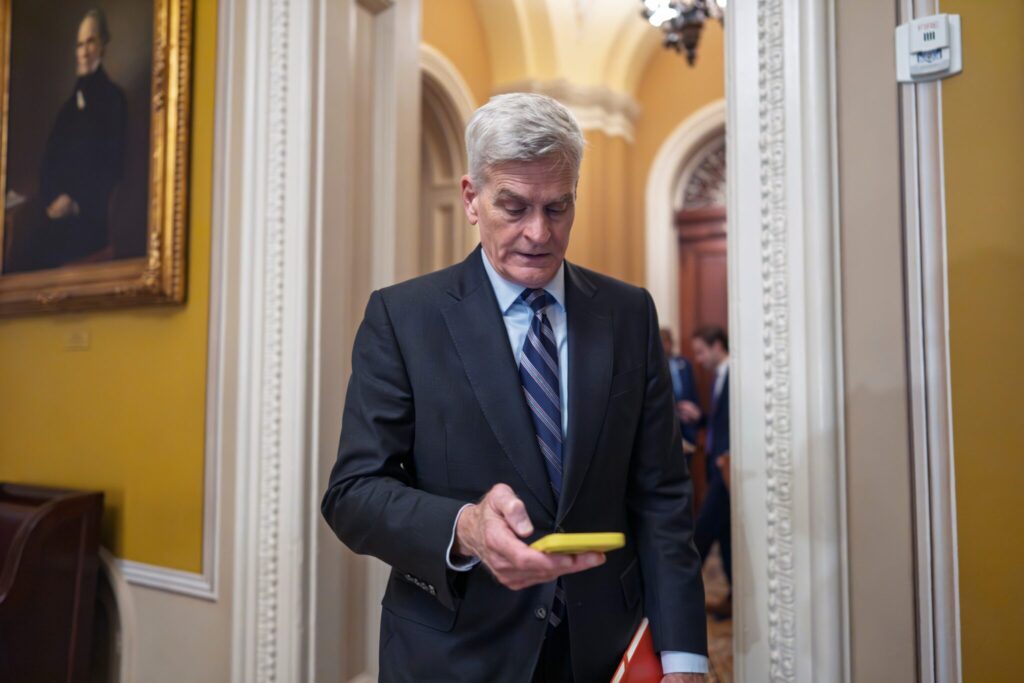
Trump Senate Republicans Tensions Quick Looks
- Relations between Trump and Senate Republicans have worsened in recent weeks.
- Trump delayed a key intelligence nomination just before a Senate confirmation hearing.
- Several Republican senators publicly criticized Trump’s Iran agreement.
- Trump continues pressuring Senate Republicans to pass strict voting legislation.
- Senate Majority Leader John Thune faces growing challenges balancing Senate realities and White House demands.
- Republicans are increasingly concerned about the political impact ahead of midterm elections.
- Internal GOP disagreements have emerged over eliminating the Senate filibuster.
- Several former Trump allies in the Senate have become outspoken critics.
- The dispute is slowing Senate business and complicating Republican legislative priorities.
- Party divisions could become a major factor in the 2026 election cycle.
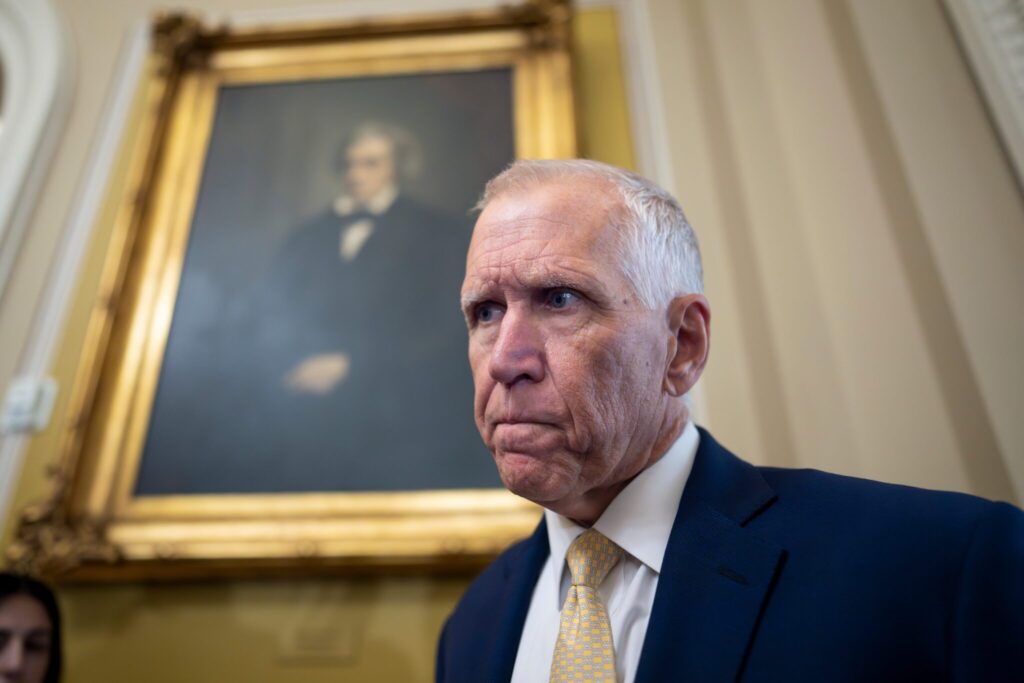
Deep Look
Trump and Senate Republicans Face Growing Political Strains
A once tightly coordinated relationship between President Donald Trump and Senate Republicans is showing signs of significant stress as disagreements over policy, nominations and legislative priorities become increasingly public.
The latest flashpoint came when Trump abruptly delayed the nomination of Jay Clayton for national intelligence director only hours before a scheduled Senate confirmation hearing. The move frustrated Republican lawmakers who had spent weeks preparing to advance the nomination process and reinforced concerns that the White House is acting without sufficient coordination with congressional allies.
The dispute is one of several developments highlighting a widening gap between Trump and Republican senators at a critical political moment, with the 2026 midterm elections rapidly approaching.
A Sharp Contrast From Last Year
The current tensions stand in stark contrast to the political environment just a year ago.
At that time, Senate Republicans worked closely with Trump to pass a sweeping package of tax reductions and spending measures. Public criticism from Republican lawmakers was rare, and party leaders hoped to use those legislative achievements as a foundation for their midterm campaigns.
Today, however, several Republican senators are openly questioning Trump’s decisions and policy direction.
The most visible disagreements have centered on foreign policy, election legislation, intelligence appointments and congressional authority.
Iran Deal Sparks Republican Backlash
Trump’s agreement aimed at ending hostilities with Iran has become one of the most divisive issues within Republican ranks.
Several GOP senators who had previously been reluctant to criticize the administration publicly have voiced strong objections to the arrangement.
The debate has exposed growing divisions between traditional national security conservatives and Republicans who support Trump’s effort to avoid a prolonged military conflict.
For many senators, the controversy represents a broader concern about White House decision-making and congressional consultation.
Voting Legislation Becomes a Major Flashpoint
Another source of friction is Trump’s continued push for legislation requiring proof of citizenship for voter registration.
The proposal, known as the SAVE America Act, remains one of the president’s highest priorities despite facing significant obstacles in the Senate.
Trump has repeatedly urged Senate Republicans to eliminate the legislative filibuster in order to pass the measure. Senate Majority Leader John Thune has responded by explaining that the necessary votes do not exist for either ending the filibuster or advancing the legislation under current Senate rules.
Despite those realities, Trump continues to publicly pressure Republican lawmakers, arguing that failure to enact the bill could have long-term political consequences for the party.
John Thune Balances Senate Reality and White House Demands
Much of the pressure has fallen on Thune, who now finds himself navigating increasingly difficult territory between Senate procedure and presidential expectations.
Unlike former Senate Republican leader Mitch McConnell, who frequently became a target of Trump’s criticism, Thune has largely maintained a constructive working relationship with the president.
Republican senators describe Thune as a stabilizing figure during a turbulent period. Even lawmakers critical of Trump have generally praised Thune’s efforts to manage the conference while preserving party unity.
Still, the ongoing disputes have made his role increasingly challenging as the White House demands action on legislation that lacks sufficient support within the Senate.
Internal Republican Divisions Emerging
The conflict with Trump has also intensified disagreements within the Republican conference itself.
Some senators have objected to efforts by Utah Sen. Mike Lee and others advocating for the elimination of the filibuster to advance Trump’s voting agenda.
Those debates have exposed broader questions about Senate traditions, legislative strategy and how closely Republicans should align themselves with every White House priority.
With the election season approaching, many senators worry that highly public internal battles could undermine Republican messaging and distract from campaign issues.
Declining Number of Reliable Trump Allies
Trump continues to have strong supporters in the Senate, but the number of unwavering allies appears smaller than it was during the first half of his second term.
Some of the president’s former allies have become more willing to challenge him after losing political influence or deciding not to seek reelection.
Several senators who once voted consistently with the White House have increasingly criticized Trump’s positions on foreign policy, nominations and executive authority.
Their willingness to speak out publicly reflects a changing political landscape inside the Republican Party, where some lawmakers are beginning to distance themselves from controversial decisions while still supporting much of the broader GOP agenda.
Midterm Elections Loom Large
The timing of the dispute is especially significant.
Republicans are defending congressional majorities in a political environment that has become increasingly competitive. Party leaders hoped to focus on economic issues, legislative accomplishments and voter concerns about inflation and public services.
Instead, disagreements between the White House and Senate Republicans have created new political complications.
The growing divide raises questions about whether Republicans can maintain a unified message heading into the final months before voters head to the polls.
Looking Ahead
Despite the tensions, there is little indication of a full-scale revolt among Senate Republicans. Most lawmakers continue to support large portions of Trump’s agenda and remain reluctant to engage in direct confrontation with the president.
However, the public criticism seen this week represents one of the most significant breaks in Republican unity since Trump returned to office.
Whether the disagreements remain isolated disputes or evolve into a broader struggle for control of the party could become one of the defining political stories leading into the 2026 midterm elections.






You must Register or Login to post a comment.